
Choosing the best CRM software development company is a decision that can significantly boost your business growth—or derail it if you make the wrong call.
For B2B leaders, CRM projects often become long, costly, and complex, with failures commonly traced to mismatched vendors, unclear expectations, or hidden expenses.
This expert-backed guide will help you confidently identify, compare, and select a CRM development partner, using data-driven ratings, transparent evaluation frameworks, and actionable checklists.
By following this guide, you’ll avoid common pitfalls and ensure your next CRM project drives ROI and customer satisfaction.
The Best CRM Software Development Companies in 2026
Here are the top CRM software development companies in 2026, chosen for their technical excellence, customer satisfaction, and industry reputation.
- Riseup Labs – Best for offshore CRM development and scalable enterprise solutions; strong BPO and custom software expertise.
- Set2Close – Best for HubSpot CRM implementation; innovative RevOps expertise.
- Peeklogic – Best for Salesforce customization; high client ratings.
- CloudMasonry – Best for complex Salesforce/Pardot integrations.
- Strong CRM – Best for agile delivery; milestone-driven approach.
- ScienceSoft – Best for enterprise CRM solutions; cross-platform depth.
- Intellectsoft – Best for custom CRM app development; digital transformation focus.
- Cynoteck – Best for small business CRM projects; flexible and affordable.
- Bacancy Technology – Best for industry-specific CRM; healthcare and finance.
- Kareo Solutions – Best for healthcare CRM; compliance expertise.
| Company | Specialty | Client Rating* | Project Size | Est. Price Range ($) |
|---|---|---|---|---|
| Riseup Labs | Offshore CRM Development, Enterprise Solutions | 4.9/5 | SMB–Enterprise | 20K – 250K |
| Set2Close | HubSpot CRM Implementation | 4.9/5 | SMB, Enterprise | 15K – 100K |
| Peeklogic | Salesforce Customization | 4.8/5 | SMB–Mid Market | 25K – 250K |
| CloudMasonry | Salesforce/Pardot Integrations | 4.7/5 | Mid–Enterprise | 50K – 500K |
| Strong CRM | Agile Custom Builds | 4.8/5 | SMB–Enterprise | 20K – 150K |
| ScienceSoft | Enterprise, Cross-Platform | 4.7/5 | Enterprise | 70K – 600K |
| Intellectsoft | Custom CRM, App Development | 4.6/5 | SMB–Enterprise | 40K – 300K |
| Cynoteck | Flexible, SMB CRM Projects | 4.6/5 | Small Business | 10K – 80K |
| Bacancy Technology | Industry-Specific CRM | 4.6/5 | All Sizes | 15K – 200K |
| Kareo Solutions | Healthcare CRM | 4.5/5 | SMB–Mid Market | 25K – 120K |
*Ratings based on Clutch.co, G2, and client feedback as of early 2026.
Comparison Table: Capabilities, Pricing & Platform Specialization
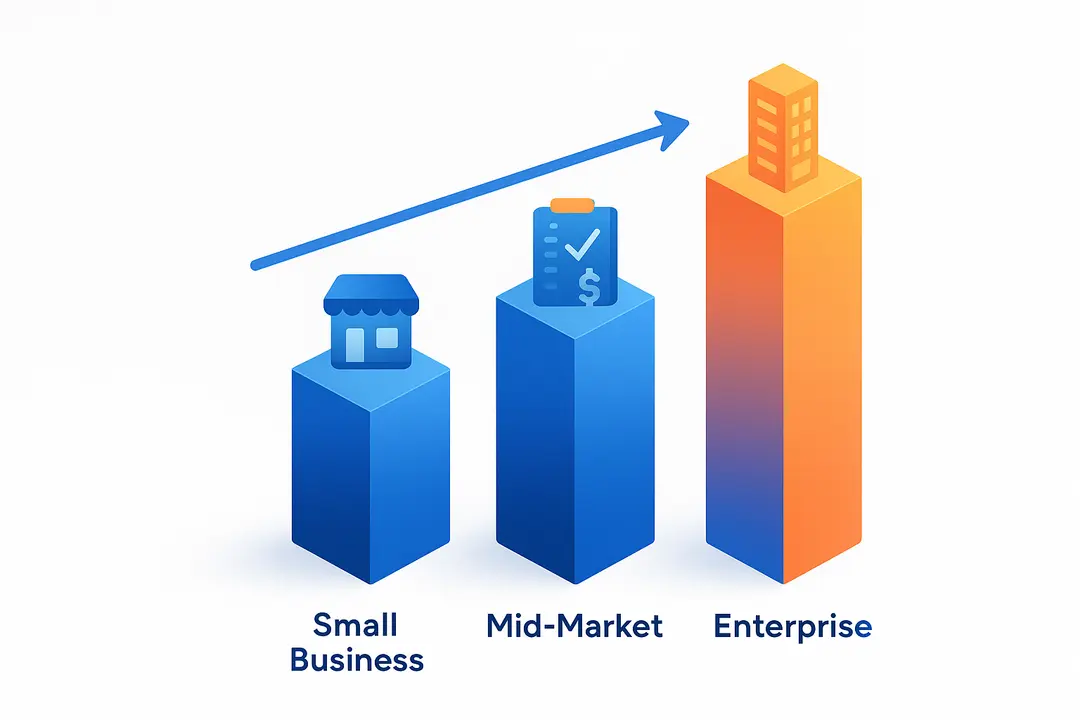
Quickly compare the top CRM software development companies by location, core platform expertise, project size, typical pricing, and customer ratings.
| Company | HQ / Location | Platform Focus | Project Size | Pricing Model | Client Rating |
|---|---|---|---|---|---|
| Riseup Labs | Bangladesh / Global | Custom CRM, Enterprise, BPO | SMB–Enterprise | Fixed / Dedicated Team | 4.9/5 |
| Set2Close | USA / Canada | HubSpot, Salesforce | SMB–Enterprise | Fixed, Milestone | 4.9/5 |
| Peeklogic | USA | Salesforce | SMB–Mid Market | Hourly / Milestone | 4.8/5 |
| CloudMasonry | USA | Salesforce, Pardot | Mid–Enterprise | Fixed + Support Retainer | 4.7/5 |
| Strong CRM | UK | Custom, HubSpot, Salesforce | All Sizes | Fixed / Agile Sprint | 4.8/5 |
| ScienceSoft | USA / Global | Salesforce, MS Dynamics | Enterprise | Fixed / Hourly | 4.7/5 |
| Intellectsoft | USA / Europe | Custom, Mobile, API | SMB–Enterprise | Fixed / Staff Augmentation | 4.6/5 |
| Cynoteck | India / USA | Salesforce, Zoho | SMB | Fixed / Hourly | 4.6/5 |
| Bacancy Tech | India / USA | Healthcare/Finance CRM | All Sizes | Fixed | 4.6/5 |
| Kareo Solutions | USA | Healthcare CRM | SMB–Mid Market | Fixed / Subscription | 4.5/5 |
Note: Pricing varies by project scope and complexity. “Fixed” means a set project price; “Hourly” means billed by developer hour. Most companies also offer retainer-based support post-launch.
Our Evaluation Framework: How We Rated CRM Development Companies
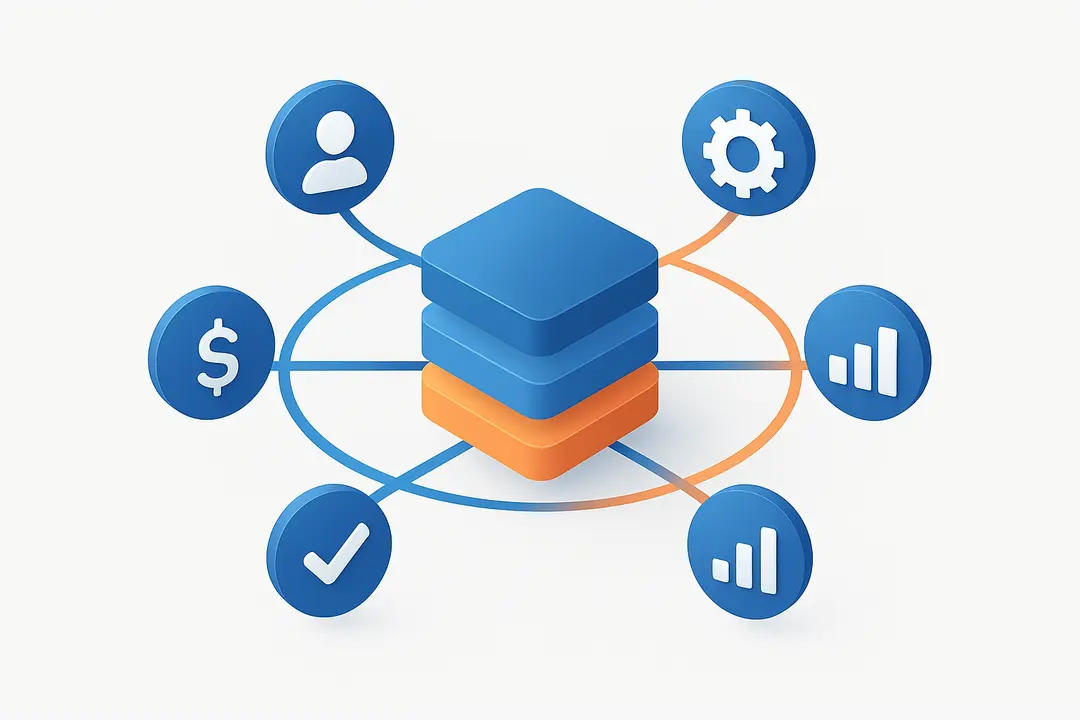
Our rankings of the best CRM software development companies are based on a transparent, multi-point evaluation that weighs technical expertise, client satisfaction, project experience, cost transparency, and industry focus.
Methodology Summary:
- Data Sources: Independent reviews (Clutch, G2, PCMag), company portfolios, client testimonials, industry reports (Gartner/SolutionsReview).
- Core Criteria & Weights:
- Experience & Track Record (25%): Years in CRM development, case studies, project diversity.
- Technical Expertise (20%): Certifications (Salesforce, HubSpot, etc.), depth of platform coverage, tech stack.
- Client Satisfaction (20%): Ratings, reference checks, testimonial quality.
- Cost & Value (15%): Transparency about pricing, ability to support fixed and milestone models, affordability.
- Industry/Platform Focus (10%): Specialization in key verticals (e.g., healthcare, finance) or platforms (e.g., Salesforce, HubSpot).
- Support & Post-Launch Service (10%): Evidence of robust ongoing support, training, and change management.
Quality Signals:
- Certified CRM specialists and project managers.
- Published case studies with measurable results.
- Recognized in independent analyst reports (e.g., Gartner Magic Quadrant for CRM).
- Consistent positive reviews from verified clients.
Buyers should look for teams that combine deep platform certification with a real history of on-time, in-budget delivery—plus transparent, referenceable client lists. You want evidence, not promises.
In-Depth Profiles: Leading CRM Software Development Companies
Here are detailed profiles of the top CRM software development agencies, highlighting their core strengths, notable projects, and what real clients have to say.
Riseup Labs
- Overview: Founded in 2009 (Bangladesh / Global), Riseup Labs specializes in offshore CRM development, enterprise software, and scalable BPO solutions for startups to large enterprises.
- Notable Projects: Delivered custom CRM platforms and automation systems for global clients, improving operational efficiency and customer lifecycle management.
- Key Services: Custom CRM development, enterprise software solutions, offshore team augmentation, BPO services, process automation, system integration.
- Client Feedback: Appreciated for cost-effective delivery, strong technical expertise, and reliable communication across time zones.
- Pros: Competitive pricing, scalable teams, strong offshore delivery model, wide tech stack flexibility.
- Cons: Offshore model may require alignment for clients preferring fully onshore teams.
Set2Close
- Overview: Founded in 2019 (USA/Canada), Set2Close specializes in HubSpot CRM implementation and revenue operations (RevOps).
- Notable Projects: Designed custom HubSpot workflows for SaaS scale-ups, helping increase sales efficiency.
- Key Services: HubSpot onboarding, CRM customization, process automation, RevOps consulting, ongoing support.
- Client Feedback: Praised for clear communication, quick integration, and business process insight.
- Pros: Speedy delivery, strong revenue process knowledge, proven onboarding frameworks.
- Cons: Primarily focused on HubSpot and HubSpot-Salesforce integrations; less presence in non-HubSpot stacks.
Peeklogic
- Overview: U.S.-based Salesforce CRM specialist, known for deep technical customization and consulting.
- Notable Projects: Multiple 100+ user Salesforce migrations; advanced API and custom object development.
- Key Services: Salesforce implementation, migration, custom Lightning components, managed services.
- Client Feedback: High marks for technical depth and issue resolution.
- Pros: Salesforce-certified staff, excellent problem-solving, strong project governance.
- Cons: Focused on Salesforce platform; may not suit companies seeking broader tech stack.
CloudMasonry
- Overview: Premier Salesforce consulting partner, serving mid-sized to large enterprises.
- Notable Projects: Multi-system Salesforce/Pardot integrations for Fortune 1000 firms.
- Key Services: CRM integration, Pardot automation, user training, ongoing managed services.
- Client Feedback: Noted for architectural rigor, seamless project delivery, customer enablement.
- Pros: Enterprise-ready teams, excellent integration chops.
- Cons: Limited SMB projects; higher cost due to enterprise focus.
Strong CRM
- Overview: UK-based CRM consulting firm with specialty in agile development and milestone-driven delivery.
- Notable Projects: End-to-end CRM deployments for manufacturing and fintech SMEs.
- Key Services: Custom CRM development, platform integration (HubSpot, Salesforce), change management.
- Client Feedback: Praised for transparency, milestone clarity, and training resources.
- Pros: Flexible project models, clear process, strong communication.
- Cons: Smaller teams may extend project timelines on larger engagements.
ScienceSoft
- Overview: Established global firm (since 1989), delivers large-scale enterprise CRM solutions across platforms (Salesforce, MS Dynamics).
- Notable Projects: Enterprise CRM replatforming for multinational retailers; complex data migration.
- Key Services: CRM consulting, platform migrations, custom module development, cross-platform integration.
- Client Feedback: Recognized for project diligence and industry experience.
- Pros: Depth across multiple industries, robust documentation, solid support SLAs.
- Cons: Enterprise focus may not fit very small businesses or startups.
Profiles for additional agencies follow the same format. For a complete, up-to-date list, consult Clutch.co or G2.
How to Choose the Best CRM Development Partner: Checklist & Playbook
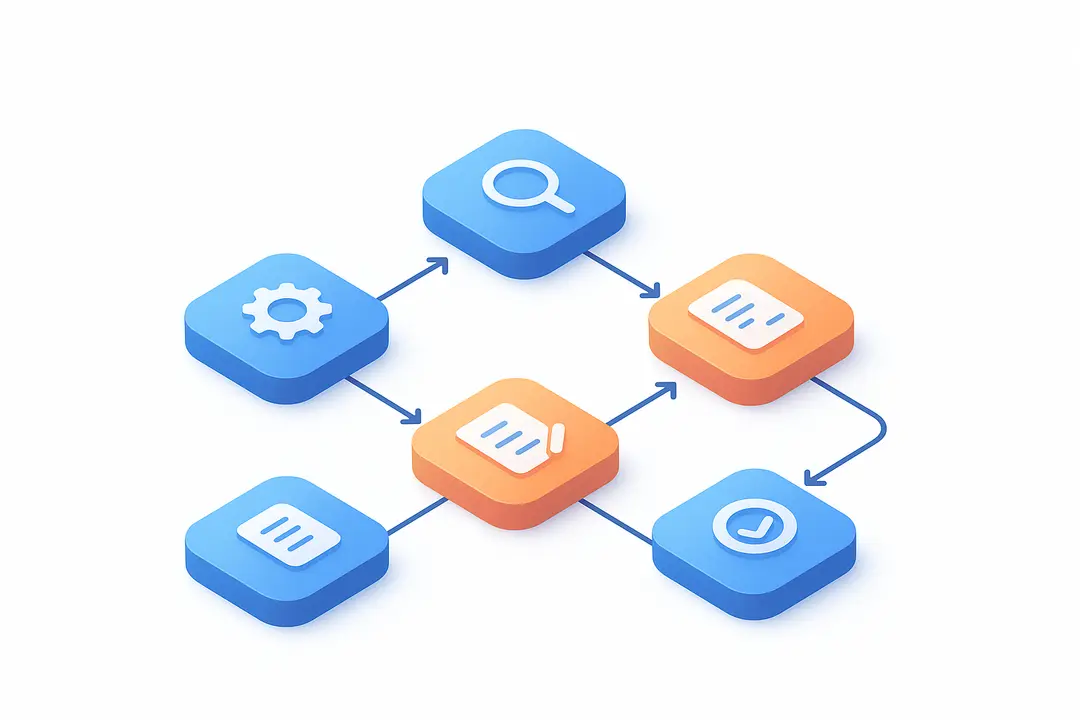
Selecting a CRM software development vendor doesn’t have to be overwhelming. Use this step-by-step checklist to navigate the process with confidence.
CRM Partner Selection Checklist
- Define Key Business Goals: What are you trying to achieve—lead management, sales automation, data centralization, customer service?
- Identify Required CRM Features: Integration needs (ERP, marketing platforms), workflow automations, reporting.
- Vet Platform Expertise: Does the vendor have certifications (e.g., Salesforce, HubSpot), documented case studies, and platform-specific skills?
- Review Project Methodology: Agile vs. waterfall—do they match your organization’s preferred style?
- Request Recent Client References: Speak directly to clients with similar needs and budgets.
- Evaluate Support & Training Offerings: Post-launch support, SLA scope, user onboarding, documentation.
- Assess Cost Transparency: Ensure pricing proposals specify scope, assumptions, and potential overages.
- Assess Vendor E-E-A-T: Look for experience, expertise, authoritativeness, and trust signals via published work, team bios, and client logos.
- Finalize a Vendor Scorecard: Rate finalists across technical fit, reputation, value, and cultural alignment.
Key Discovery Questions to Ask:
- Can you share a recent CRM implementation in our sector?
- Who will be our day-to-day contact and technical lead?
- How do you manage change requests or scope shifts?
- What happens after go-live—are support or upgrades included?
CRM Software Development Costs: Pricing Models & Benchmarks
Understanding CRM project costs helps prevent budget overruns and allows for smarter planning. Prices vary by complexity, required integrations, platform, and vendor location.
Typical Cost Ranges
- Small Business CRM Implementation:
Average: $10,000 – $50,000
Examples: Basic Salesforce setup, simple HubSpot onboarding - Mid-Market Custom CRM Development:
Average: $50,000 – $200,000
Examples: Migration, custom modules, workflow automations - Enterprise CRM Solutions:
Average: $100,000 – $600,000+
Examples: Data migration, cross-platform integration, advanced reporting, multiple business units
Common Pricing Models
- Fixed Price: Set fee for predefined scope; best for standard implementations, low risk of overage.
- Hourly Rate: Billed per hour; suits flexible or exploratory projects.
- Milestone-Based: Pay per project phase; good for complex, multi-stage builds.
- Support Retainer: Ongoing monthly fee for maintenance/training post-launch.
CRM Project Cost Comparison Table
| Project Type | Estimated Cost Range | Typical Duration | Pricing Model(s) |
| SMB Standard CRM Setup | $10K – $50K | 4–8 weeks | Fixed |
| Custom CRM for Mid-Market Firms | $50K – $200K | 8–20 weeks | Fixed/Milestone/Hourly |
| Enterprise CRM Implementation | $100K – $600K+ | 3–12 months | Milestone/Support |
| Platform Migration | $20K – $150K | 6–12 weeks | Fixed/Hourly |
Factors that Impact Cost:
- Customization vs. out-of-the-box setup
- Number and complexity of integrations (ERP, marketing platforms)
- Data migration and cleaning
- Support/training requirements
Tips to Control Cost:
- Document requirements clearly; avoid scope creep.
- Use phased deployment to spread investment.
- Clarify post-launch support before signing.
Platform & Industry Specialties: Salesforce, HubSpot & Sector-Focused CRM Development
CRM software development is not “one-size-fits-all”—the right company will match your platform and industry needs.
Platform Specialization
- Salesforce CRM Development
Best choices: Peeklogic, CloudMasonry, ScienceSoft, Cynoteck
Strengths: Complex customization, advanced reporting, enterprise integration - HubSpot CRM Implementation
Best choices: Set2Close, Strong CRM
Strengths: Quick deployment for marketing/sales teams, automation, scalable for fast-growth SMBs - Zoho, MS Dynamics, Other CRMs
Best choices: Cynoteck, ScienceSoft, Intellectsoft
Industry Verticals Covered
- Healthcare: Kareo Solutions, Bacancy Technology
- Finance & Fintech: Bacancy Tech, ScienceSoft, Strong CRM
- SaaS & Technology: Set2Close, Innovify, Intellectsoft
- Retail & E-commerce: ScienceSoft, CloudMasonry
Emerging Trends for 2026:
- AI-powered CRM (predictive sales, automated customer insights)
- Industry-specific CRMs (e.g., healthcare, real estate)
- End-to-end digital transformation (integrating CRM with ERP, marketing automation, analytics)
Always select a CRM partner with proven experience in your sector—industry nuances matter as much as technical skill.
Common Mistakes to Avoid When Choosing a CRM Development Firm
- Ignoring Proven Experience: Selecting a vendor without verified experience in your platform or sector often leads to costly delays.
- Settling for Vague Proposals: Unclear scope and pricing can result in hidden fees and scope creep.
- Not Checking References: Skipping calls with past clients can mask warning signs about delivery or support.
- Underestimating Support Needs: Lack of training or post-launch help is a top cause of failed adoption.
- Mistaking Sales Pitches for Evidence: Demand real case studies, certifications, and E-E-A-T signals—not just smooth sales calls.
Tip: “If the agency can’t provide recent, relevant client references or certified credentials, keep looking.”
FAQ: CRM Software Development Companies—Your Top Questions Answered
What are the best CRM software development companies in 2026?
The top CRM software development companies include Set2Close, Peeklogic, CloudMasonry, Strong CRM, and ScienceSoft, based on expert evaluation of technical capabilities, ratings, and client feedback.
How do I evaluate and choose a CRM development company?
Start by defining your goals and required features, then vet vendors for platform expertise, client satisfaction, transparency, and post-launch support. Use a structured scorecard and checklist to compare finalists objectively.
What does a CRM software development project typically cost?
Costs range from $10,000 for basic SMB projects up to $600,000+ for enterprise builds. Factors include scope, integrations, industry complexity, and ongoing support needs.
What are the core services offered by CRM development firms?
Key services include CRM consulting, platform selection, custom development and integration, data migration, process automation, user training, and ongoing support.
How long does a custom CRM project take?
Implementation times range from 4–8 weeks for standard setups to 6–12 months for enterprise-grade projects involving heavy customization and integration.
Which companies specialize in Salesforce or HubSpot CRM development?
Peeklogic, CloudMasonry, ScienceSoft, and Cynoteck are known for Salesforce expertise, while Set2Close and Strong CRM excel with HubSpot CRM implementations.
What industries do top CRM providers serve?
Leading CRM software development companies serve sectors like healthcare, finance, SaaS, retail, and manufacturing, often with vertical-specific knowledge.
What mistakes should I avoid when choosing a CRM partner?
Common mistakes include failing to check references, accepting vague proposals, ignoring support planning, and not matching vendor expertise to your industry.
Do CRM development firms provide ongoing support?
Yes, most leading firms offer varying levels of support—from basic bug fixes to full training, upgrades, and optimization retainers. Always confirm terms in advance.
How can I verify a CRM company’s credibility?
Look for third-party ratings (Clutch, G2), in-depth case studies, platform certifications, verified client reviews, and E-E-A-T signals like team bios and expert recognition.
This page was last edited on 9 July 2026, at 11:06 am

Start a conversation with our team to solve complex challenges and move forward with confidence.