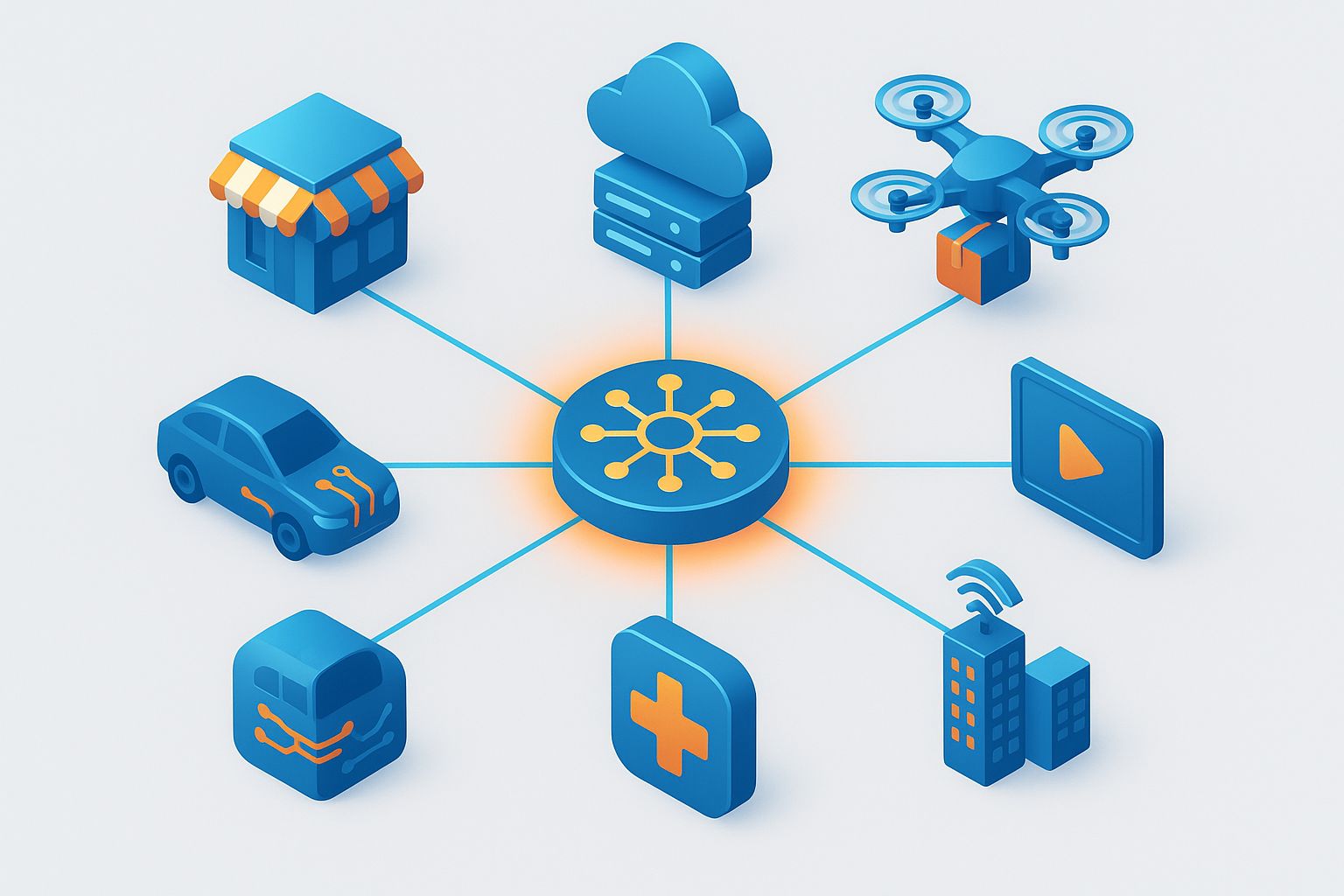
Digital transformation is reshaping every industry—yet theory only goes so far. Today’s decision-makers need real-world digital transformation examples to separate hype from real business value and avoid costly missteps.
Digital transformation refers to the comprehensive use of digital technology to create new or modify existing business processes, culture, and customer experiences to meet changing business and market needs.
In this article, you’ll find proven digital transformation case studies, play-by-play breakdowns of what worked, and cautionary lessons from failures. Whether you’re leading a digital change or evaluating your options, you’ll gain practical frameworks, quick-scan comparisons, and benchmarks to steer your own transformation journey.
What Is Digital Transformation?
Digital transformation is the process of integrating digital technologies into all areas of a business, fundamentally changing how organizations operate and deliver value to customers.
- Definition: Digital transformation goes beyond digitization (converting analog data to digital) and digitalization (optimizing processes using digital tools). True transformation is about reimagining business models and operations for a digital age.
- When does it count? It’s more than buying new software; it succeeds only when technology triggers big organizational and cultural change, delivers measurable value, or enables new ways of working.
- Why is it important? Genuine digital business transformation positions organizations to adapt faster, serve their customers better, and stay ahead of the competition.
Digital transformation is not simply adopting new technology—it’s leveraging digital innovation to fundamentally change and improve business outcomes.
What Are the Key Characteristics of Digital Transformation?
Successful digital transformation shares key characteristics that set apart superficial tech upgrades from strategic, lasting change.
Checklist for Real-World Digital Transformation:
- Organizational culture change and strong leadership buy-in
- Technology as an enabler—not just the end goal
- Clear customer-centric focus and improved experience
- Measurable business outcomes (such as efficiency gains, revenue growth, or faster time-to-market)
- Integration of process automation, data, and cloud-based services
- Ongoing agility and readiness for future innovation
Use these criteria to benchmark your own digital transformation efforts or evaluate industry case studies.
What Are the Best Real-World Examples of Digital Transformation?
Below are real-world digital transformation case studies, each illustrating how different sectors approach digital innovation for measurable business results.
1. Nike (Retail)
- What: Nike implemented a multi-year digital transformation by building a data-driven supply chain, launching personalized ecommerce, and integrating their retail, online, and app channels.
- Why: Rising competition and shifting consumer expectations demanded a seamless, direct-to-consumer experience.
- How: Invested in advanced analytics, developed the Nike app ecosystem, modernized logistics, and launched omni-channel shopping.
- Outcome: Nike’s digital sales grew rapidly, with digital channels representing over 30% of total revenue by 2022.
2. Adobe (Software)
- What: Adobe shifted its core business from selling packaged software to a cloud-first subscription (SaaS) model.
- Why: To address falling revenues and meet customer preferences for subscription-based services.
- How: Migrated Creative Suite to Creative Cloud, realigned operations, updated sales/marketing, and invested heavily in cloud infrastructure.
- Outcome: Revenue soared; Adobe’s recurring SaaS revenue now accounts for the majority of its annual income, and its market cap multiplied.
3. UPS (Logistics)
- What: UPS used AI, IoT sensors, and real-time route optimization to modernize logistics and delivery.
- Why: Facing tighter margins and fierce logistics competition, UPS needed to optimize for cost and speed.
- How: Rolled out ORION, an advanced AI-based route planner, and connected vehicles with sensors to gather and act on real-time data.
- Outcome: ORION saves UPS up to 10 million gallons of fuel annually and has delivered hundreds of millions in cost savings.
4. Netflix (Media)
- What: Netflix transformed from a DVD-by-mail service to a global streaming platform with personalized content recommendations.
- Why: Digital disruption in media consumption required a new model beyond physical media.
- How: Invested in robust streaming infrastructure, analytics-driven personalization, and proprietary content production.
- Outcome: Netflix became the world’s leading streaming brand, with over 230 million global subscribers by 2023.
5. Ikea (Omnichannel Retail)
- What: Ikea expanded beyond physical showrooms by investing in ecommerce, digital showrooms, and augmented reality (AR) apps.
- Why: Customer demand for digital shopping experiences, especially post-pandemic.
- How: Launched AR tools for “try before you buy,” improved online order fulfillment, and connected physical and digital stores.
- Outcome: Rapid ecommerce growth and improved customer engagement online and offline.
6. Porsche (Manufacturing)
- What: Porsche is pioneering connected car technology and digital twins to enhance manufacturing and the customer driving experience.
- Why: Automotive disruption and the rise of software-defined vehicles demanded a new approach.
- How: Deployed digital twins for vehicle lifecycle management, introduced in-car connectivity features, and built smart factories.
- Outcome: Greater manufacturing efficiency, improved vehicle quality, and enhanced customer services.
7. Healthcare Provider (EHR & Telehealth)
- What: Leading health systems (e.g., Mayo Clinic, Cleveland Clinic) implemented enterprise EHR (electronic health records) and telehealth solutions.
- Why: Pressures for improved patient care and operational efficiency accelerated digital health adoption.
- How: Rolled out integrated EHR platforms, enabled remote consultations, and digitized patient data.
- Outcome: Streamlined patient journeys, reduced administrative overhead, and improved health outcomes.
8. Public Sector (Government/Smart City)
- What: Governments are digitizing public services via online portals, open data platforms, and real-time citizen engagement.
- Why: Citizens expect digital-first services; efficiency demands are high.
- How: Deployed digital ID, virtual service desks, and citywide IoT for infrastructure management.
- Outcome: Faster public service delivery, increased transparency, and higher citizen satisfaction.
Table: Comparing Digital Transformation by Industry
| Industry/Company | Core Initiative | Technologies Used | Benefit/ROI | Timeline |
| Nike (Retail) | Digital supply chain & DTC | Data analytics, Apps | +30% digital sales, improved loyalty | 2018–2023 |
| Adobe (Software) | SaaS business model shift | Cloud, SaaS | Recurring revenue, market cap growth | 2013–2023 |
| UPS (Logistics) | AI route optimization | AI, IoT, Big Data | Fuel cost savings, operational efficiency | 2015–present |
| Netflix (Media) | Streaming, personalization | Cloud, Analytics | Global expansion, top subscriber growth | 2007–present |
| Ikea (Retail) | Omnichannel, AR shopping | AR, Ecommerce | Online sales growth, higher engagement | 2017–present |
| Porsche (Manufacturing) | Connected cars, digital twin | IoT, Digital Twin | Production quality, new digital services | 2018–present |
| Healthcare Provider | EHR, telehealth integration | EHR, Telemedicine | Improved patient care, operational agility | 2016–present |
| Smart City Government | Citizen-facing digital portals | Cloud, IoT | Service speed, transparency, civic engagement | 2016–present |
What Types of Digital Transformation Exist?
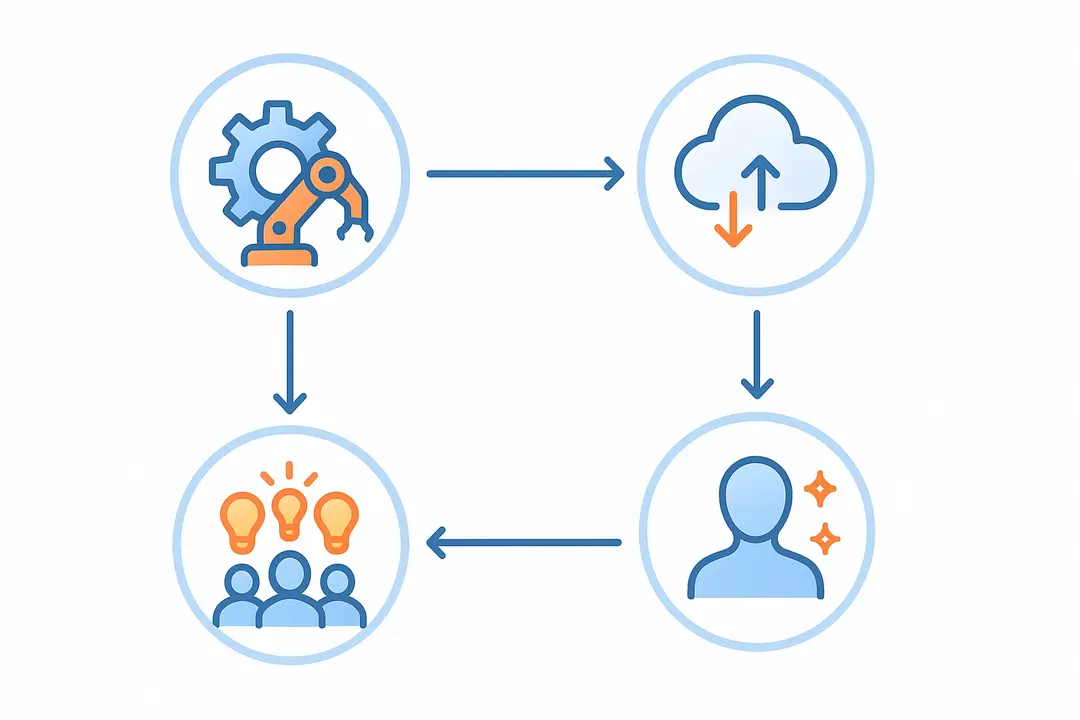
Digital transformation takes several forms, often overlapping in practice depending on an organization’s goals and industry.
Main Types of Digital Transformation:
- Process Transformation: Using automation, RPA (Robotic Process Automation), and ERP systems to streamline operations.
Example: UPS optimizing delivery routes using AI. - Business Model Transformation: Shifting how value is delivered, such as pay-as-you-go or subscription models.
Example: Adobe’s switch to SaaS subscriptions. - Customer Experience Transformation: Creating seamless, personalized, and digital-first journeys.
Example: Nike’s personalized ecommerce and app ecosystem. - Organizational/Cultural Transformation: Evolving workplace culture with remote work, agile methods, or cross-functional teams.
Example: Healthcare providers enabling telemedicine, requiring new roles and workflows.
Identifying which type (or combination) matches your organization’s priorities helps focus investment and change management.
What Are the Key Benefits and Risks of Digital Transformation?

Digital transformation offers significant benefits, but also introduces real risks that must be managed for success.
Key Benefits:
- Increased operational efficiency and cost savings (through automation and optimized workflows)
- Revenue growth via new business models and digital channels
- Enhanced customer experience and loyalty
- Faster response to market changes and innovation opportunities
Key Risks and Challenges:
- Organizational resistance and inadequate change management
- Misalignment between technology and business needs
- Project scope creep, underfunding, or technology misfit
- Data security and privacy concerns
According to Gartner and McKinsey research, up to 70% of digital transformation initiatives fail to achieve targeted outcomes—usually due to people and process, not technology.
How Can Organizations Succeed at Digital Transformation? (Frameworks & Best Practices)
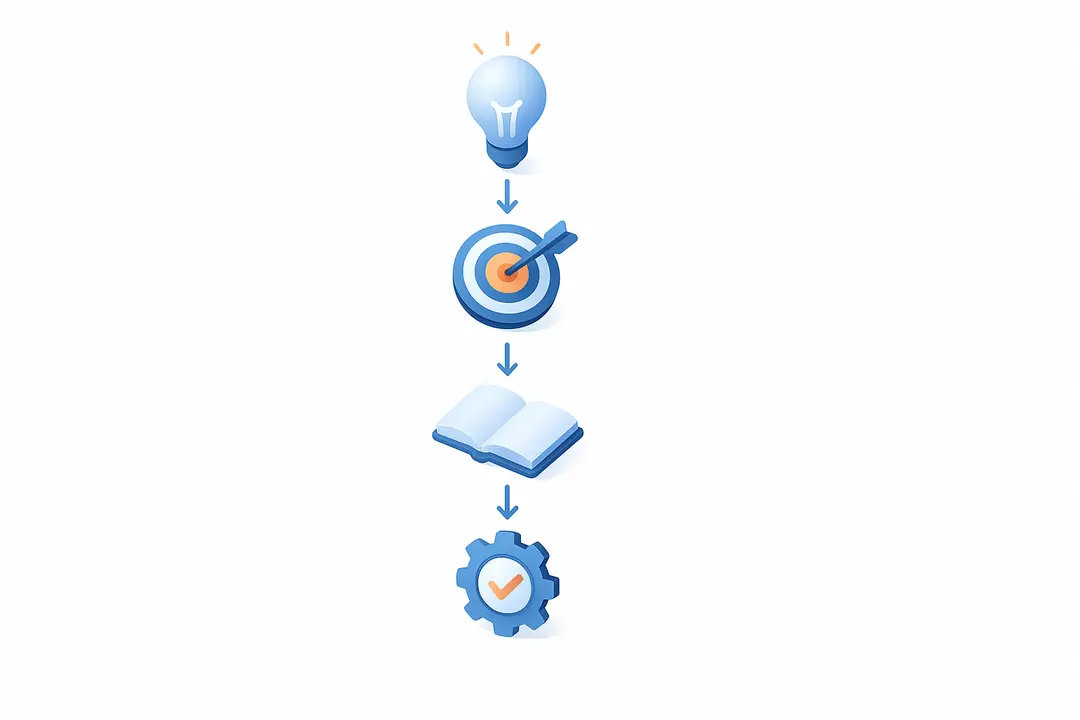
To maximize your chances of digital transformation success, follow proven frameworks and best practices designed for real-world environments.
Top Frameworks:
- Prosci ADKAR Model: Focuses on individual and organizational change, guiding projects through Awareness, Desire, Knowledge, Ability, and Reinforcement.
- McKinsey Digital Quotient: Measures digital maturity across strategy, capabilities, and culture.
- Step-by-Step Project Success:
- Align transformation with business goals and secure leadership buy-in.
- Prioritize culture and change management alongside technology.
- Start with quick wins to build momentum, then scale successful pilots.
- Invest in talent development to support new digital roles.
- Monitor progress with clear metrics tied to business outcomes.
Expert Insight:
As Gartner advises, “Successful digital transformation is less about technology, more about strategy, leadership, and change management.”
Lessons from Failed Digital Transformation Initiatives
Not all digital transformations succeed. Understanding why some fail can help your organization avoid major pitfalls.
Common Causes of Failure:
- Lack of leadership commitment or alignment throughout the organization
- Underinvestment in people, training, or change management
- Technology adoption misaligned with actual business problems
- Overly ambitious scope or lack of clear ROI targets
- Inflexible culture resistant to new ways of working
According to McKinsey, more than half of digital initiatives do not meet their intended goals. The most cited reasons are insufficient planning, unclear objectives, and resistance to change.
How to Avoid Failure:
- Set clear leadership and business alignment from the outset
- Invest in training and support for staff
- Start with pilot projects to demonstrate value
- Continuously communicate purpose and progress
- Monitor and adapt based on measurable results
Frequently Asked Questions about Digital Transformation Examples
What is an example of digital transformation in business?
A leading example is Adobe’s shift from selling packaged software to offering its products through a cloud-based subscription model, transforming revenue streams and customer engagement.
How are digital transformation, digitalization, and digitization different?
Digitization converts analog information to digital; digitalization uses digital technology to improve processes; digital transformation reimagines ways of working and business models using digital innovation.
What are the key benefits of digital transformation?
Key benefits include greater efficiency, cost savings, new revenue streams, better customer experiences, and improved competitiveness in fast-changing markets.
Can you give examples of failed digital transformation?
High-profile failures include companies that invested in new systems without aligning people or processes, resulting in low adoption and missed ROI; for example, several large retailers and banks have abandoned unworkable platform rollouts in recent years.
How does change management impact digital transformation success?
Effective change management ensures that people adopt new technologies and processes smoothly, aligning culture and leadership for lasting impact—without it, most digital initiatives fail.
How do small businesses approach digital transformation?
Small businesses typically start with focused changes, like automating manual tasks or adopting cloud-based tools, building digital maturity step by step according to need and budget.
What are the most common risks in digital transformation projects?
Common risks include unclear objectives, lack of leadership support, inadequate change management, poor technology fit, and security or privacy concerns.
Which technologies drive digital transformation?
Core technologies include cloud computing, data analytics, AI, IoT, automation platforms, and SaaS applications tailored to industry needs.
How long does a typical digital transformation take?
Timelines vary widely, but most significant digital transformations span 1–3 years, with ongoing evolution as technologies and markets shift.
What does a digital transformation framework look like?
Frameworks like Prosci’s ADKAR or McKinsey’s Digital Quotient provide structured steps or maturity models, guiding organizations through strategy, implementation, change management, and measurement.
Conclusion
Digital transformation succeeds when organizations blend the right technology with strong leadership, cultural alignment, and customer focus. The most effective case studies—from Nike’s omnichannel journey to Adobe’s cloud pivot—prove that measurable value arises from connecting people, process, and strategy.
To begin your own digital transformation, benchmark your goals against these established examples, engage your teams early, and use structured frameworks to guide planning and implementation. Whether optimizing processes or reinventing your business model, staying grounded in real-world insights is the best way forward.
Ready to transform? Start small, learn fast, and scale what works—or reach out for expert advice and tailored frameworks to accelerate your journey.
Key Takeaways
- Successful digital transformation requires alignment between technology, people, and business goals.
- Real-world examples show that customer focus, leadership, and culture matter as much as technology.
- Risks stem mostly from poor planning, insufficient change management, or unclear ROI.
- Learning from both successes and failures accelerates your own transformation.
- Using proven frameworks like ADKAR increases project success rates and impact.
This page was last edited on 25 March 2026, at 12:56 pm

Start a conversation with our team to solve complex challenges and move forward with confidence.