Engagement and adherence remain major challenges in modern healthcare, with many patients struggling to follow treatment plans and providers seeking better ways to encourage healthy behaviors. This is where gamification in healthcare is making a real impact, turning routine health activities into engaging, motivating experiences through elements like rewards, progress tracking, and interactive feedback.
As digital health continues to evolve, gamification in healthcare is emerging as a powerful strategy to improve patient outcomes, boost participation, and enhance overall care delivery. From fitness apps to chronic disease management platforms, organizations are using gamified approaches to create more meaningful and sustained engagement.
This guide provides a clear, practical roadmap to help you understand and apply gamification in healthcare effectively. You will explore real-world examples, proven frameworks, and essential compliance considerations, enabling you to design solutions that are both engaging and aligned with healthcare standards.
What Is Gamification in Healthcare?
Gamification in healthcare is the application of game design elements—such as points, badges, leaderboards, and challenges—to healthcare apps, platforms, and processes to motivate positive health behaviors and improve patient outcomes.
First gaining traction in wellness and fitness apps, gamification now spans a wide range of digital health tools. Its distinct appeal lies in making routine or complex medical activities more engaging and rewarding, applying behavioral science to increase adherence, education, and healthy habits.
Unlike “serious games” (fully game-like apps for therapy or education), or regulated digital therapeutics (DTx) aimed at treating medical conditions, gamification introduces targeted game features to otherwise non-game environments—be it medication reminders, chronic disease management, or professional training.
Common game elements in clinical and wellness settings include points systems, achievement badges, daily streaks, levels, and social leaderboards—all tailored to trigger motivation and measurable behavior change.
What Game Elements and Mechanics Are Used in Healthcare?
Healthcare gamification relies on game mechanics that drive motivation and reward healthy actions.
Common game elements in healthcare include:
- Points: Awarded for completing health-related tasks (e.g., taking medication, logging exercise).
- Badges & Rewards: Visual achievements recognizing progress or milestones.
- Streaks: Encouraging daily or repeat engagement.
- Levels & Challenges: Unlocking new content as patients achieve goals.
- Avatars: Personalizing the user experience with virtual characters.
- Progress Tracking: Visualizing advancement (e.g., % completion, activity rings).
- Peer Competition: Leaderboards to foster friendly rivalry or teamwork.
- Feedback Loops: Immediate responses to user actions, reinforcing behaviors.
| Game Mechanic | Sample Use Case | Health Outcome |
| Points | Medication tracking | Improved adherence |
| Badges | Step-count goals | Increased physical activity |
| Leaderboards | Workplace wellness challenges | Community motivation |
| Streaks | App login for mental health | Routine building |
These mechanics can be mixed and customized to support specific clinical or wellness objectives.
How Does Gamification Differ from Serious Games or Digital Therapeutics?
Gamification, serious games, and digital therapeutics (DTx) all use elements of gaming but serve unique purposes in healthcare.
- Gamification adds game mechanics to non-game health contexts (e.g., reminders, rewards in medication apps).
- Serious Games are fully game-based interventions designed for education or therapy (e.g., VR rehab games).
- Digital Therapeutics (DTx) are evidence-based software solutions regulated for disease prevention, management, or treatment (e.g., FDA-cleared ADHD apps).
| Feature | Gamification | Serious Games | Digital Therapeutics (DTx) |
| Core Purpose | Motivate/engage | Educate/rehabilitate | Prevent/treat medical condition |
| Deployment Context | Apps, portals, EHRs | Standalone games | Regulated digital tools |
| Regulation | Optional (often not regulated) | Sometimes (rare) | Often FDA/EU regulated |
| User Interaction | Add-on features | Immersive game experience | Structured clinical protocols |
| Pros | Easy to add, broad appeal | High engagement, skill-building | Proven health outcomes |
| Cons | Limited depth | Higher cost to develop | Strict compliance needed |
Understanding these differences helps you choose the right approach for your audience, risk profile, and health outcome goals.
What Are the Benefits and Outcomes of Gamification in Healthcare?
Gamification offers measurable benefits across clinical and wellness domains, from higher patient engagement and better adherence to improved health metrics and even enhanced staff collaboration.
Key benefits include:
- Increased Patient Engagement: Interactive features make health routines more appealing, leading to higher participation and retention.
- Improved Adherence: Reminders, rewards, and social accountability help patients stick to treatments—crucial in chronic care and medication management.
- Objective Health Improvements: Studies report gains in activity, symptom management, and recovery rates with gamified interventions.
- Enhanced Staff Engagement: Gamifying training, onboarding, and wellness programs can boost morale and collaboration among healthcare teams.
| Benefit | Supporting Study/Example |
| Patient engagement | Increased retention in diabetes app users (JEEHP.org) |
| Medication adherence | 19% improvement with Medisafe app reminders (peer-reviewed studies) |
| Activity and wellness | 15% more daily steps via Fitbit’s gamified challenges |
| Staff engagement | Higher completion rates in gamified e-learning modules |
Real-world data and diverse case studies support gamification’s promise—helping bridge the persistent engagement gap in healthcare.
How Does Gamification Improve Patient Engagement and Adherence?
Gamification boosts patient engagement and adherence by leveraging behavioral psychology principles such as goal setting, feedback loops, and social reinforcement. When patients receive regular feedback and tangible rewards for completing tasks, they’re more likely to develop consistent healthy habits.
- Positive Feedback Loops: Immediate notifications and badges on task completion drive continued participation.
- Social Features: Peer competition and support via leaderboards and communities foster belonging and accountability.
- Data-Driven Proof: For example, a study published in the Journal of Medical Internet Research found that gamified apps led to significantly better medication adherence and lifestyle changes for chronic condition management.
These outcomes are echoed across fitness, mental health, and chronic disease apps, providing actionable evidence for decision-makers evaluating gamification.
What Are the Market Size and Trends in Healthcare Gamification?
Gamification in healthcare is a rapidly growing global market, driven by rising digital health adoption and the proven effectiveness of gamified interventions.
- Market Projections: According to recent industry benchmarks, the global healthcare gamification market is projected to reach over $9.5 billion by 2027, with a CAGR exceeding 11%.
- Top Categories: Fitness tracking, chronic condition management, and mental health are leading segments.
- Emerging Technologies: Integration of AI, virtual/augmented reality (VR/AR), and wearables continues to expand possibilities.
- Investor Interest: Rising venture capital support and M&A activity reflect strong commercial confidence.
These trends underline gamification’s transition from “nice-to-have” engagement feature to a strategic necessity in the digital health landscape.
How Is Gamification Used in Healthcare?
Healthcare organizations and app developers are using gamification to transform experiences across the care continuum—from prevention and wellness to chronic disease management, rehabilitation, and professional training.
Typical use cases include:
- Chronic Disease Management: Diabetes, asthma, and hypertension apps use reminders and points to encourage tracking, adherence, and lifestyle changes.
- Prevention and Wellness: Fitness trackers and nutrition apps promote activity and healthy eating through daily challenges and social rewards.
- Rehabilitation: Physical and cognitive rehab apps present exercises as levels or games, improving engagement and results.
- Mental Health: Mood-tracking and meditation apps deploy streaks and badges to reinforce habits and reduce drop-off rates.
- Medication Reminders: Pill-tracking apps use progress bars and notifications to help users stay on schedule.
| Use Case | Example App | Core Mechanics | Primary Outcome |
| Diabetes management | MySugr, Medisafe | Points, reminders | Improved glucose control |
| Fitness & activity | Fitbit, Strava | Challenges, leaderboards | Higher activity adherence |
| Mental health | Headspace, Happify | Streaks, badges | Increased session frequency |
| Medication adherence | Medisafe | Progress tracking | Fewer missed doses |
| Rehab/therapy | Reflexion, Kaia | Levels, avatar progress | Enhanced exercise compliance |
These examples show how gamification can be tailored to almost any healthcare goal and population.
What Are the Best Healthcare Gamification Apps and Platforms?
- Fitbit: Known for its fitness trackers, Fitbit gamifies steps, activity, and wellness with daily challenges, badges, and social leaderboards.
- Medisafe: A medication adherence app using points, reminders, and user streaks. Studies report significant increases in on-time medication use.
- MyFitnessPal: Combines food logging with badges and social progress sharing, used by millions to manage weight and nutrition.
- Headspace: Offers meditation and mindfulness gamified with streaks, milestones, and thematic journeys for mental health improvement.
These apps demonstrate best practices in combining user-centric design, actionable rewards, and strong privacy controls.
Case Studies & Success Stories (with Mini-Profiles)
1. Pediatric Diabetes (MySugr)
Problem: Children struggled with consistent glucose checks.
Gamification Mechanics Used: Point system, playful monsters, daily streaks.
Measured Results: Improved daily tracking and better glycemic control as reported in published studies.
2. Workplace Wellness (Fitbit Corporate Challenges)
Problem: Low engagement in employee wellness programs.
Gamification Mechanics Used: Team competitions, badges, leaderboards.
Measured Results: Over 70% sustained participation after three months; higher average step counts compared to non-gamified programs.
3. Medication Adherence (Medisafe)
Problem: High rates of missed doses in chronic care.
Gamification Mechanics Used: Progress bars, reward notifications.
Measured Results: 19% improvement in adherence, verified in independent trials.
These success stories underline gamification’s real-world impact on outcomes across ages, care settings, and health targets.
How to Build and Implement a Gamified Healthcare Solution
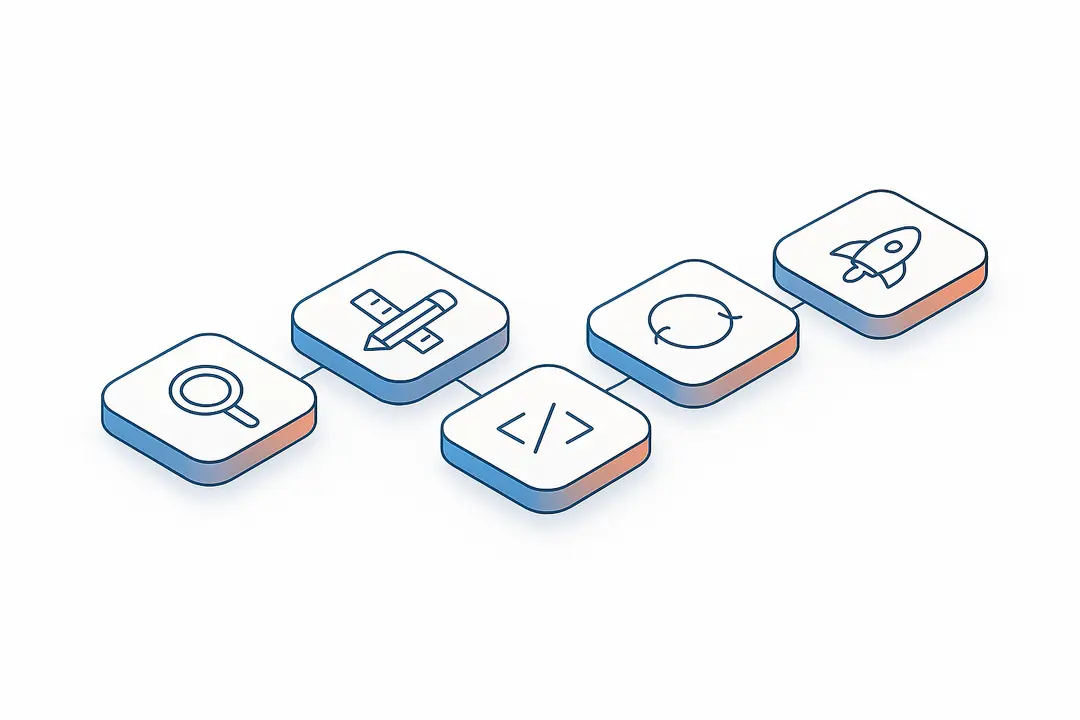
Stepwise Implementation Playbook
- Discovery:
– Define clear objectives (e.g., increase adherence, boost education).
– Identify target users and behaviors. - Design:
– Select suitable game mechanics matched to user profiles and goals.
– Map the user journey and desired outcomes. - Development:
– Integrate with your app, platform, or EHR as needed.
– Choose technology stack and ensure modularity for future updates. - Pilot & Iterate:
– Conduct controlled pilots for feedback.
– Measure engagement and health outcomes; refine mechanics as required. - Launch:
– Roll out with robust onboarding and support.
– Monitor analytics, address bugs, and optimize for ongoing engagement.
Implementation Checklist
– Objective clarity
– User research and personas
– Mechanic selection matrix
– Compliance assessment (HIPAA/GDPR)
– Analytics plan
– Feedback loop for continuous improvement
This systematic playbook increases your odds of delivering engaging, effective, and compliant gamified health tools.
Key Mechanics and Outcomes Matrix: Which Game Elements Create Which Health Results?
| Game Mechanic | Recommended Use Case | Expected Health Outcome | Example App |
| Streaks | Medication adherence | Habit formation, routine | Medisafe |
| Badges | Physical activity | Motivation, milestone reward | Fitbit |
| Leaderboards | Workplace wellness | Increased participation | Fitbit Groups |
| Challenges | Weight loss programs | Short-term engagement boost | MyFitnessPal |
| Avatars | Pediatric health | Personalization, self-identification | MySugr |
| Progress tracking | Chronic disease management | Visibility into improvement | Kaia Health |
How to Match Mechanics to Patient Profiles:
– Younger users: avatars, badges, visual progress.
– Older adults: simple progress tracking, gentle reminders.
– Teams: leaderboards, group challenges.
Select mechanics intentionally to maximize impact and minimize drop-off.
How to Measure Success: KPIs for Gamification in Healthcare
Robust measurement ensures that gamification delivers both clinical and commercial value.
Core KPIs include:
- User Retention Rate: Percentage of users actively using the app over time.
- Adherence Rate: Consistency with medication, therapy, or health routines.
- Engagement Time: Average time spent engaged per session or week.
- Health Metric Changes: Objective measures like activity level or symptom scores.
Measurement Best Practices:
- Leverage analytics tools for real-time data.
- Use pre- and post-implementation surveys to capture user feedback.
- Employ A/B testing to compare gamified vs. non-gamified interventions.
Regulatory Reporting Tip:
Document outcomes and processes to support audits and regulatory evaluations.
What Are the Compliance, Privacy, and Ethical Considerations for Healthcare Gamification?
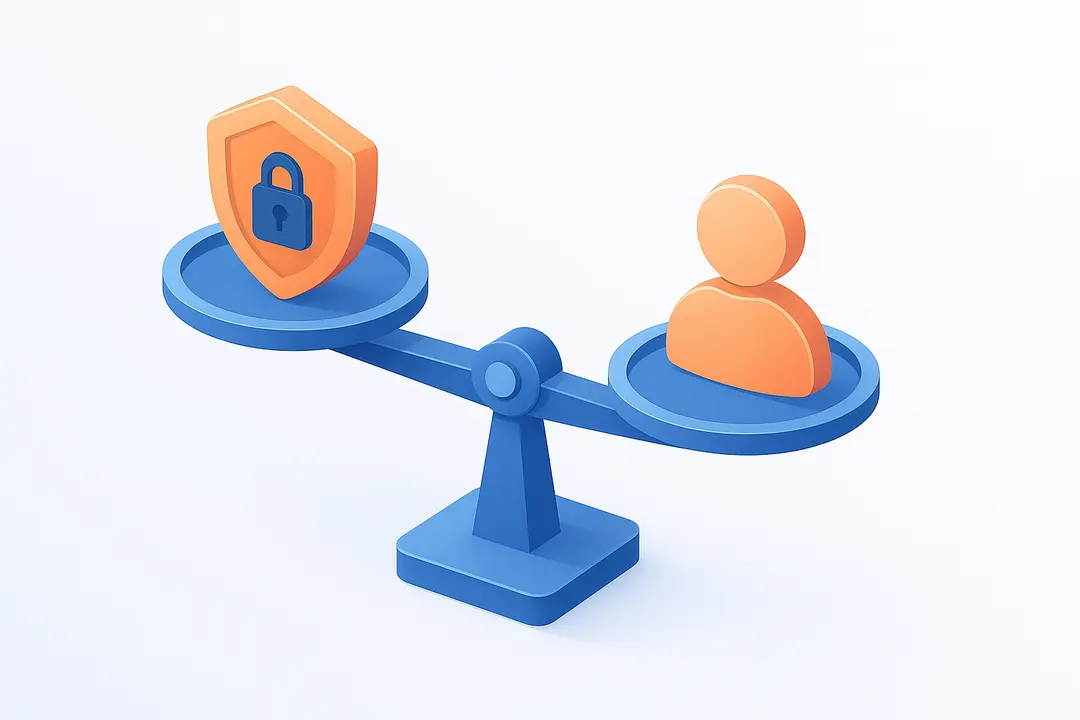
Building trust in gamified healthcare solutions requires strict compliance with privacy, data security, and regulatory standards such as HIPAA (US) and GDPR (EU).
Key considerations:
- HIPAA & GDPR Compliance: Protect patient data with encryption, consent, and strict access controls.
- Transparent Data Policies: Tell users what you collect and why.
- Minimize Data Collection: Only capture essential information relevant to health outcomes.
- Auditability: Maintain clear logs for tracking access and changes.
| Compliance Area | Key Steps | Standards/Regulations |
| Patient data | Encrypt storage, restrict access | HIPAA, GDPR |
| Consent | Obtain explicit user consent for data processing | HIPAA, GDPR |
| Audit trails | Regularly log and review access or changes | HIPAA |
| Data minimization | Collect only essential health data | GDPR |
Adopting best practices lowers legal and reputational risks while boosting patient trust.
What Are Recognized Regulator-Approved or Best Practice Approaches?
- FDA-Approved Digital Therapeutics: Some gamified apps qualify as regulated digital therapeutics—these require rigorous clinical validation.
- Best Practices for Transparency: Regularly update privacy policies and provide clear opt-in/opt-out options for users.
- Audit Trails: Document user actions and data changes for compliance checks.
- Expert Insight: Industry guides from entities like the Medical Futurist and FDA recommend starting compliance early and consulting experts in digital health law.
Following such pathways helps enterprise and commercial app builders secure buy-in and accelerate approvals.
What Are the Challenges and Future Directions for Gamification in Healthcare?
While gamification shows immense potential, several challenges can slow or inhibit adoption.
Key barriers include:
- User Diversity: Differing ages, health literacy, and motivation styles require tailored approaches.
- Technology Gaps: Not all patients have ready access to smartphones, wearables, or reliable internet.
- Provider Buy-In: Clinicians may view gamification as superficial unless outcomes are clearly documented.
- Data Gaps: Need for more longitudinal studies on sustained impact.
Overcoming Common Barriers:
- Involve diverse users in design and testing.
- Choose mechanics that suit your patient population.
- Collaborate with clinicians early to align on metrics and goals.
Continued research and multidisciplinary partnerships will help overcome these hurdles.
How Will AI and Personalization Shape the Next Generation of Healthcare Gamification?
Artificial intelligence (AI) and advanced personalization are rapidly changing the landscape of gamified healthcare.
- AI-Powered Adaptivity: AI enables systems to adjust challenges, rewards, and reminders based on real-time user data and engagement patterns.
- User Segmentation: Personalizing the experience to individual preferences, health status, or motivation style increases retention and impact.
- Regulatory Evolution: The emergence of laws like the EU AI Act will require transparency and ongoing compliance updates.
- Expert Viewpoint: Leading digital health experts underscore the promise of AI-driven personalization to overcome engagement plateaus and scale benefits across populations.
Healthcare organizations who invest in adaptive, compliant, and future-ready gamification stand to lead in digital patient engagement.
FAQ: Healthcare Gamification
What is gamification in healthcare and why is it important?
Gamification in healthcare refers to adding game elements like points, badges, and challenges to health apps and systems to motivate users. Healthcare gamification strategies help improve engagement and encourage positive behavior change.
How does gamification in healthcare improve health outcomes?
Gamification in healthcare improves outcomes by encouraging consistent participation and habit building. Gamified health apps use rewards, feedback, and competition to help patients follow treatment plans and maintain healthy routines.
What are the key mechanics used in gamification in healthcare?
Common mechanics in gamification in healthcare include points, badges, leaderboards, streaks, levels, and progress tracking. These healthcare gamification strategies are designed to reinforce specific behaviors.
Which gamified health apps use gamification in healthcare effectively?
Well known gamified health apps include Fitbit for activity tracking, Medisafe for medication adherence, MyFitnessPal for nutrition, and Headspace for mental wellness. These apps demonstrate successful gamification in healthcare.
How does gamification in healthcare increase patient engagement?
Gamification in healthcare makes routine health activities more interactive and rewarding. Gamified health apps keep users engaged by showing progress and offering incentives for consistency.
What challenges exist in gamification in healthcare implementation?
Challenges in gamification in healthcare include user diversity, access to technology, regulatory compliance, and proving measurable outcomes. Effective healthcare gamification strategies must address these factors.
Is gamification in healthcare compliant with regulations like HIPAA or GDPR?
Gamification in healthcare can be compliant when proper safeguards are used, such as encryption, user consent, and regular audits. Gamified health apps must follow strict data protection standards.
What is the difference between gamification in healthcare and serious games?
Gamification in healthcare adds game elements to existing systems, while serious games are full games designed for therapy or education. Healthcare gamification strategies focus more on behavior reinforcement.
What are future trends in gamification in healthcare?
Future trends in gamification in healthcare include AI driven personalization, wearable integration, and expansion into mental health and remote monitoring. Gamified health apps will continue to evolve with technology.
How can providers adopt gamification in healthcare solutions?
Healthcare providers can implement gamification in healthcare by partnering with developers, selecting proven tools, and involving patients in design. Strong healthcare gamification strategies improve adoption and outcomes.
Why are healthcare gamification strategies important for digital health?
Healthcare gamification strategies are important because they increase engagement, improve adherence, and make digital health solutions more effective when using gamification in healthcare.
How do gamified health apps support long term behavior change?
Gamified health apps support long term change by reinforcing habits through rewards, tracking, and feedback, making gamification in healthcare a powerful tool for sustained engagement.
Conclusion
Gamification in healthcare offers an actionable, evidence-driven path to improving engagement, adherence, and real-world health outcomes. By adopting a strategic, compliance-first framework, healthcare leaders and innovators can leverage proven gamification mechanics—tailored for diverse populations, securely built, and primed for the next wave of AI-powered personalization.
Now is the time to audit your digital health programs for gamification opportunities. Explore best-in-class apps, engage clinicians and users in co-design, and review your compliance strategy to future-proof your approach.
This page was last edited on 1 June 2026, at 6:03 pm

Start a conversation with our team to solve complex challenges and move forward with confidence.