To find the best offshore Python developers in 2026, define your project needs, research top countries, use vetted platforms or agencies, test coding and communication skills, check cultural fit, compare rates, secure contracts, and ensure IP protection.
If you need skilled Python developers, local talent costs and shortages are pressing problems. I have seen startups and enterprises lose months chasing the wrong candidates or burning budgets on slow hires.
A better approach is to find and work with offshore Python developers. Offshore hiring gives you access to global skills at a lower price, but it comes with its own risks if not managed well.
Read this guide to get a step-by-step framework for hiring top offshore Python developers in 2026. I share proven evaluation methods, 2026 cost tables, country recommendations, and the biggest pitfalls—so you hire smarter and scale your business safely.
What Is Offshore Python Development and Why Does It Matter in 2026?
Offshore Python development means hiring Python programmers from a country other than your own, often from locations with competitive rates and large talent pools. The term “offshore” often refers to distant regions, while “nearshore” means nearby time zones. “Onshore” keeps the work local.
Many businesses are going offshore because advanced Python skills are in high demand, especially for AI, automation, and backend projects. In my experience, competition for skilled developers is now global. With rising costs at home, offshore teams help companies scale quickly while controlling expenses. A growing trend for 2026 is the use of agency-vetted teams in countries with strong technical education and English skills.
Comparison Table: Types of Remote Python Development
| Model | Location | Typical Use | Pros | Cons |
| Onshore | Same country | Easy oversight, strict compliance | Easiest setup, local laws | High cost, talent limits |
| Nearshore | Adjacent region | Partial time zone alignment | Good overlap, moderate rates | Limited talent diversity |
| Offshore | Distant region | Full cost savings, 24/7 coverage | Largest pools, best rates | Time/culture difference |
What Are the Key Benefits & Drawbacks of Hiring Offshore Python Developers? (2026 Trends)
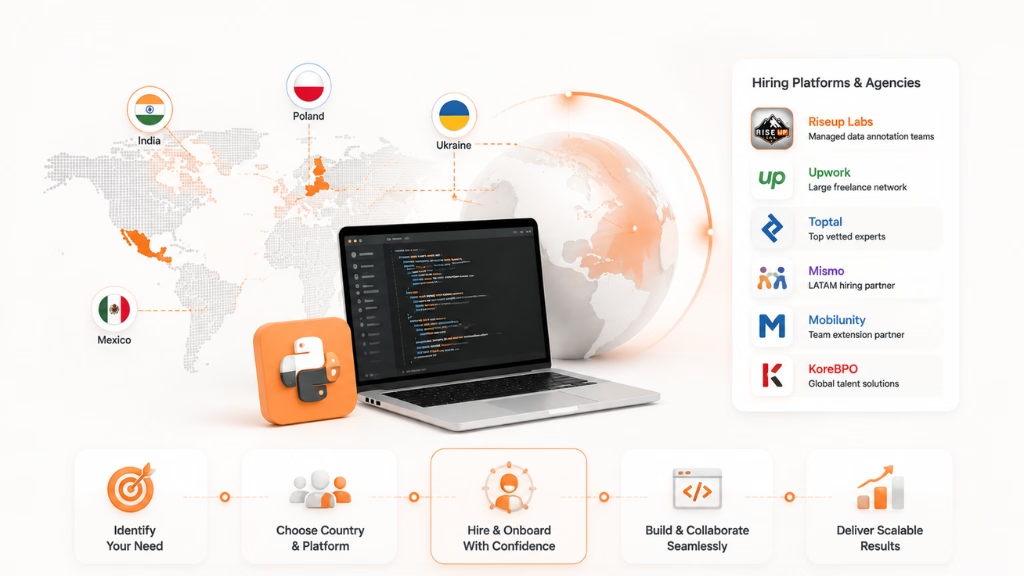
Offshore Python hiring offers businesses a way to access rare skills and stay within budget. Yet, every approach comes with trade-offs. Here are the main benefits and challenges as of 2026.
When you hire offshore, you open your team to specialists in AI, machine learning, Django, and Flask—skills often hard to find locally. The cost savings are significant: hiring from India, Poland, or Mexico can reduce your payroll by over 40% compared to US or UK rates, based on recent global salary studies.
The drawbacks often come from miscommunication or lack of process. Time zone differences, language gaps, and unclear contracts can lead to delays or IP risks. Attrition rates are another concern—certain countries and platforms see higher developer turnover, which impacts project continuity.
Quick Pros and Cons List
Pros:
- Access to rare skills (AI, Django, data engineering)
- Lower cost by geography (India, Mexico, Poland)
- Scalable hiring and faster ramp-up
- Larger global talent pools
Cons:
- Communication or cultural issues
- Potential for higher attrition rates
- Complex legal/IP arrangements
- Variable quality if not properly vetted
In my experience, the companies that succeed are those that use structured evaluations, vet for soft skills, and set clear contracts from the start.
Where Can You Find the Best Offshore Python Developers? (Countries & Platforms in 2026)
Finding the best Python developers offshore means knowing which countries and platforms to target, and understanding how each matches your needs.
India, Poland, and Mexico remain leading destinations in 2026. India offers sheer scale and broad technical skills. Poland has high English proficiency and expertise in AI and advanced frameworks. Mexico is popular for North American businesses due to time zone alignment. Ukraine continues to be strong for engineering talent, despite local challenges.
Choosing the right hiring platform or agency is just as crucial. Upwork and Toptal provide access to large pools but have different screening rigor. Riseup Labs offers a more managed approach with experienced data annotation teams, helping businesses access skilled annotators and scalable AI data solutions without the complexity of building a workforce from scratch. Specialized agencies like Mobilunity, Mismo, and KoreBPO offer managed recruitment and onboarding support.
Country Comparison Table (2026)
| Country | Avg Hourly Rate (USD) | English Proficiency | Strengths | Avg Attrition Rate | Time Zone Overlap |
| India | $22–40 | High | AI, backend, data | 18% | Partial |
| Poland | $36–58 | Very High | AI, ML, Django | 12% | Good (EU/UK) |
| Mexico | $30–52 | Moderate-High | Backend, web, QA | 14% | Excellent (US) |
| Ukraine | $28–48 | Moderate-High | Data, backend, devops | 17% | Partial (EU) |
Top Offshore Python Hiring Platforms and Agencies (2026)
| Platform/Agency | Screening Process | Candidate Pool | Support Level | Use Case |
|---|---|---|---|---|
| Riseup Labs | Expert-managed screening | Skilled annotators | High | Scalable data annotation projects, AI training data, managed annotation teams |
| Upwork | Self-service | Large | Limited | Freelancers, quick contracts |
| Toptal | Rigorous | Curated | Moderate | Vetted experts, higher rate |
| Mismo | Agency-managed | Medium | High | LATAM focus, managed onboarding |
| Mobilunity | Agency-managed | Medium | High | Team extension, structured onboarding |
| KoreBPO | Agency-managed | Large | High | Contract, compliance, EU/Asia specialists |
If you want speed and maximum control, freelance platforms like Upwork work well but come with vetting risks. Managed agencies are better for ongoing projects, compliance, and dedicated teams.
How Do You Effectively Evaluate and Hire Offshore Python Developers? (Step-by-Step Framework)
A clear process can reduce risk and help you get top Python developers. In my experience, following a step-by-step framework makes offshore hiring predictable and safe.
Start by defining your needs, then use both skills testing and communication checks during vetting. Legal and onboarding steps help protect your IP and keep developers engaged.
Step-by-Step Hiring Process
- Clarify Project Needs: List your technical requirements, experience level, and workflow needs. This step shapes the hiring pool.
- Source Candidates: Use trusted platforms or agencies as listed above.
- Technical Assessment: Administer coding tests focused on Python, Django, Flask, or AI/ML frameworks relevant to your project.
- Structured Interviews: Combine technical and behavioral interviews to judge both coding ability and team fit.
- Language & Communication Checks: Use live or recorded English conversations to check clarity, responsiveness, and collaboration skills.
- Reference & Portfolio Review: Evaluate candidates’ remote work experience, GitHub/Stack Overflow profiles, and verify references.
- Negotiate Contract: Discuss hourly or flat rates, set engagement model, confirm start date and payment method.
- Onboard & Integrate: Set up access to Slack, Jira, GitHub, and document workflows. Introduce to your team and clarify expectations.
- Protect IP & Compliance: Ensure NDAs and all legal contracts are in place for data and IP protection before work begins.
Top Skills and Qualifications for Offshore Python Developers
Skill requirements affect project outcomes. I recommend hiring Python developers who show strong technical depth and have handled distributed teams.
- Latest Python versions (3.12 and newer)
- Django, Flask, FastAPI knowledge
- AI/ML frameworks if needed (TensorFlow, PyTorch)
- Code samples on GitHub
- Certifications: PCEP, PCAP, or ML/AI credentials are a plus
- Past experience in remote or offshore teams adds value
Clear communication, proactive problem-solving, and reliability are just as important as technical ability.
Screening for Communication, Culture, and English Proficiency
Weak communication often derails offshore projects before they start. I have seen this happen when teams skip English or culture checks.
A better approach is to include:
- Structured English interviews (live or async)
- Chat or email tasks to test clear, timely written responses
- Soft skills checklists for adaptability and cultural fit
- Group calls to simulate real team dynamics
These steps cut misunderstandings and help ensure your new developer contributes from day one.
Vetting Platforms, Agencies, and Freelancers—Checklist
Choosing the right sourcing channel is critical. The mistake I see often is picking a platform without checking support or overlap times.
Checklist for Vetting Your Hiring Source:
- Does the platform/agency screen for tech and communication skills?
- Can they provide references and past client reviews?
- What support do they offer for onboarding and dispute resolution?
- Is rate transparency and contract compliance guaranteed?
- Is the candidate pool deep enough for your needs?
Prioritize agencies or platforms that share their screening and support policies upfront.
Legal, IP, and Compliance Safeguards
Protecting your source code and business data is non-negotiable. In my POV, missing this step leads to major cost and security risks.
Key legal steps:
- Sign NDAs with all offshore hires and agencies
- Include strong IP assignment in contracts (the code is your property)
- If hiring from or for Europe, ensure full GDPR compliance
- Clarify the jurisdiction for dispute handling in contracts
Speak to a legal advisor familiar with cross-border hiring if you are uncertain.
Onboarding and Integration: Setting Up for Success
The real issue is ramp-up and integration, not just signing a contract. I see teams lose weeks or even developers when the first few days lack structure.
Use this onboarding checklist for better outcomes:
- Give timely access to all tools (Slack, Notion, Jira, code repos)
- Share documentation, project background, and a clear team intro
- Assign a team buddy or mentor
- Set up regular feedback loops and weekly check-ins
Good onboarding shortens ramp-up, reduces attrition, and helps your investment deliver results faster.
What Are the True Costs of Hiring Offshore Python Developers in 2026? (Rates, Attrition & Hidden Expenses)
Hiring offshore Python developers brings cost savings compared to local hires, but there are more factors than just hourly rates.
“Sticker” prices for offshore hiring in 2026 can be misleading. You must account for hidden onboarding costs, attrition, and admin overheads. Attrition is especially costly—if a developer leaves, you spend again on hiring and training.
Python Developer Rate Table (2026):
| Country | Avg Hourly Rate (USD) | Monthly Salary | Avg Onboarding Cost | Avg Attrition Rate |
| India | $22–40 | $3,500–6,200 | $1,000–1,800 | 18% |
| Poland | $36–58 | $5,800–9,300 | $2,000–2,700 | 12% |
| Mexico | $30–52 | $4,900–8,200 | $1,600–2,200 | 14% |
| Ukraine | $28–48 | $4,600–7,800 | $1,400–2,000 | 17% |
Other hidden costs:
- Delays during onboarding and ramp-up
- Replacement costs from developer churn
- Platform or agency recruitment fees
- Legal/compliance fees (especially EU/GDPR)
In my experience, plan for a 10 to 25% extra overhead, depending on the country and the platform/agency you use.
Comparing Engagement Models: Freelance, Agency, Dedicated Teams, ODC, BOT
Selecting the right engagement model matters as much as picking a developer. Each model balances cost, management, and risk in different ways.
Here’s a closer look at each option:
- Freelancer: Good for short-term projects with clear scope. Lower cost, but higher risk of turnover and limited support.
- Agency: Managed by third parties with established vetting, onboarding, and compliance. Best for non-technical clients or regulated projects.
- Dedicated Team: Like extending your own team abroad. Offers long-term value for scaling, but can cost more upfront.
- ODC (Offshore Development Center): Your exclusive team managed locally but employed abroad. Highest control, but needs mature management processes.
- BOT (Build-Operate-Transfer): An external partner builds and manages the team, then transfers it to you later. Good for companies with long-term goals or scaling needs.
Engagement Model Comparison Table (2026):
| Model | Cost | Speed | Oversight | Support | Best For |
| Freelancer | $$ | Fast | Low | Low | Small/team extension |
| Agency | $$$ | Medium | Medium | High | Ongoing/support-intensive |
| Dedicated Team | $$$$ | Slow | High | High | Scale, complex/ongoing |
| ODC | $$$$ | Medium | High | High | Full team, enterprise needs |
| BOT | $$$$$ | Slowest | High | Very High | Long-term, in-house strategy |
The choice often depends on your budget, technical leadership, and how important compliance or long-term continuity is to your project.
How to Manage and Retain Offshore Python Developers for Long-Term Success
Managing offshore Python developers well turns a good hire into a great investment. In my view, the biggest gains come from setting clear communication routines and offering regular support.
Use communication and collaboration tools like Slack, Jira, Notion, and GitHub. Hold weekly reviews, set clear performance goals, and give feedback early.
To retain developers:
- Offer skill-building and upskilling incentives
- Keep workloads balanced to avoid burnout
- Rotate responsibilities and celebrate achievements
- Run team-building sessions to bridge cultural gaps
Watch for red flags—like repeated delays or missed calls—and address them early. Proactive management reduces attrition and builds trust.
What Are Common Mistakes When Hiring Offshore Python Developers And How Do You Avoid Them?
Many teams rush offshore hiring to save time or money but end up costing themselves more.
Common pitfalls include:
- Chasing the lowest rates while ignoring skill or fit
- Skipping technical or English screenings
- Failing to clarify project scope from the start
- Neglecting IP, NDA, or compliance checks
- Picking agencies or platforms with poor reputations
- Underestimating the cost of attrition or onboarding
- Not setting up regular feedback or clear documentation
Best practices:
- Use a checklist for vetting each candidate and source
- Document every stage of onboarding and team integration
- Track attrition and plan for handover when needed
A structured, transparent process helps you avoid these costly mistakes.
Why Choose Riseup Labs for Offshore Python Developer Hiring?
Riseup Labs stands out with a vetted global talent pool and a focus on compliance, onboarding, and long-term support.
If you need expert-matched Python developers with strong IP protection and process oversight, Riseup Labs can deliver vetted candidates from top regions at 2026 market rates. Their onboarding tools and client feedback systems help reduce risk and speed up ramp-up time—for both startups and larger teams.
Conclusion
Finding the best offshore Python developers in 2026 is about more than scanning resumes or chasing low costs. The real issue is building a repeatable process that covers technical vetting, communication, onboarding, and legal safeguards.
I have seen how the right approach unlocks access to global skills and delivers projects on time and within budget. By using a step-by-step framework, comparing key countries and models, and avoiding common hiring mistakes, you set your business up for lasting success.
Riseup Labs and similar expert agencies provide an edge with screening, compliance, and onboarding support. Taking your first step—by defining your needs or reaching out to trusted partners—can put you ahead of competitors still guessing.
Looking ahead, AI-assisted development and global talent pools are shaping the future. With the right mix of offshore talent and expert oversight, your company is ready for what comes next.
Frequently Asked Questions about Hiring Offshore Python Developers in 2026
What’s the best way to find offshore Python developers?
Define your project needs, use vetted platforms or agencies, test technical and communication skills, check fit, and secure contracts before hiring.
Which countries are best for hiring offshore Python developers in 2026?
Top choices are India, Poland, Mexico, and Ukraine due to strong talent pools, competitive rates, and English proficiency.
How much does it cost to hire an offshore Python developer?
In 2026, rates range from $22 to $58 per hour or $3,500 to $9,300 per month, depending on country and experience.
What skills should I look for in an offshore Python developer?
Look for recent Python expertise, Django or Flask, GitHub projects, strong communication, and experience on remote or distributed teams.
How do I evaluate and vet offshore Python candidates?
Use coding tests, structured interviews, English assessments, reference checks, and review past remote projects or client feedback.
What are the main challenges of hiring offshore developers?
Key issues are communication gaps, higher attrition, time zones, legal/IP risks, and inconsistent screening by some platforms or agencies.
What platforms or agencies are best for offshore Python hiring?
Upwork, Toptal, Mobilunity, Mismo, and KoreBPO are popular in 2026 for their screening and support, each fitting different project needs.
How do I safeguard IP when working with offshore developers?
Always use NDAs, clear IP assignment in contracts, comply with local laws, and choose agencies with strong compliance records.
How does attrition impact total offshore hiring cost?
High attrition increases recruitment and onboarding costs, delays project delivery, and may require extra handover or support time.
How long does it take to onboard offshore Python developers?
Onboarding usually takes one to three weeks, including tool setup, team integration, and documentation sharing before work begins.
This page was last edited on 12 August 2026, at 4:15 pm

Start a conversation with our team to solve complex challenges and move forward with confidence.