AI automation for incident response is rapidly transforming cybersecurity by enabling faster, smarter, and more scalable defense against threats. As attack volumes and complexities rise, traditional manual incident response (IR) teams face growing pressure to detect, triage, and remediate threats efficiently.
Today, security operations centers (SOCs) are challenged by alert overload, skills shortages, and increasingly sophisticated cyberattacks. Manual processes often lead to delayed responses, higher costs, and missed incidents. That’s where AI and machine learning-driven automation come in—accelerating detection, reducing human error, and amplifying the effectiveness of human analysts.
This guide delivers a step-by-step playbook to demystify AI automation in incident response. You’ll learn what AI IR is, how it works, its key benefits, practical deployment strategies, regulatory considerations, ROI metrics, and trends shaping the future of cyber defense. By following this playbook, your organization can effectively assess, implement, and maximize AI-powered IR—turning threat chaos into structured security control.

What is AI Automation for Incident Response?
AI automation for incident response refers to the application of artificial intelligence and machine learning technologies to detect, triage, and remediate cybersecurity incidents with minimal manual intervention.
Unlike traditional response methods, AI-powered automation streamlines key IR tasks—such as alert analysis, threat classification, and response action orchestration—often in real time. These intelligent systems can ingest vast amounts of security data, identify threat patterns, and trigger response workflows without waiting for human input, using tools like SOAR (Security Orchestration, Automation, and Response) platforms.
Key advantages of AI IR automation:
- Rapid detection and remediation of threats
- Reduction in alert fatigue and false positives
- Continuous self-learning for adaptive defense
- Better utilization of analyst time and expertise
By using AI automation, organizations can scale their incident response capabilities to match modern cyber threats and operational demands.
How Does AI-Powered Incident Response Differ from Traditional Approaches?
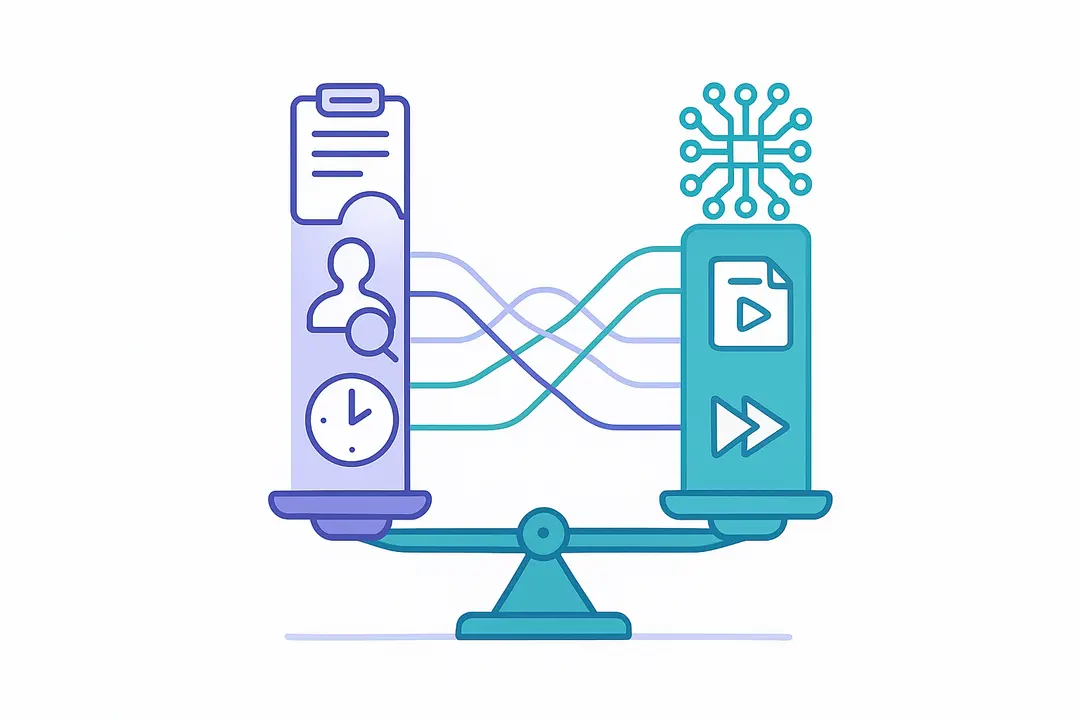
AI-powered incident response fundamentally differs from manual IR by automating, accelerating, and enriching core response workflows. In traditional models, human analysts manually review logs, investigate alerts, and coordinate incident containment. This hands-on approach is time-intensive and prone to errors, especially as attack volumes surge.
AI-driven IR solutions use machine learning to instantly recognize threat behaviors, prioritize alerts, and initiate remediation—shrinking investigation cycles from hours to minutes. These systems can process thousands of events per second, flagging only the most relevant threats for human review.
Comparison: Manual vs. AI-Driven Incident Response
| Feature | Manual Incident Response | AI-Driven Incident Response |
| Threat Detection | Analyst reviews/signature-based alerts | Machine learning/behavioral analytics |
| Triage & Prioritization | Manual case-by-case analysis | Automated, contextual, risk-based scoring |
| Response Action | Manual containment/remediation by SOC | Orchestrated, automated playbooks |
| Alert Volume Handling | Limited by human bandwidth | High-volume, real-time processing |
| Scalability | Challenging (analyst limits) | Effortless, adaptive to volumes |
| Speed (MTTR) | Hours to days | Minutes to hours |
The value-add of AI automation becomes clear: faster responses, less human fatigue, improved accuracy, and the ability to cope with massive alert volumes that overwhelm traditional security operations.
What are the Key Benefits of AI in Incident Response?
AI automation delivers tangible improvements across security, efficiency, and business outcomes for incident response teams.
Top benefits include:
- Rapid Threat Detection and Automated Remediation: Machine learning models identify threats early, trigger remediation actions instantly, and close incidents faster—often reducing mean time to respond (MTTR) by 60% or more in some reported industry cases.
- Alert Fatigue Reduction and False Positive Filtering: AI filters benign alerts, prioritizes real risks, and dramatically cuts noise, freeing analysts from investigating endless low-severity events.
- Self-Learning and Adaptive Defense: AI and large language models adapt to evolving attacker tactics, learning from historical data to improve future detection and response effectiveness.
- Improved SOC Analyst Efficiency and Satisfaction: Analysts focus on strategy and complex incident investigation instead of repetitive triage, boosting employee morale and reducing turnover.
- Enhanced Business Resilience: Faster, automated responses lower the potential for business disruption, financial loss, and reputational harm.
Case in Point:
According to a recent Gartner Market Guide for SOAR platforms, organizations adopting AI-driven IR have reported reductions in MTTR (mean time to remediate) and alert investigations by up to 70%.

What Are the Core Components of an AI-Driven Incident Response System?
AI-driven incident response systems comprise several interconnected components that together deliver a seamless, automated workflow.
Core components include:
- Data Ingestion: Automated collection of security events, alerts, and context from endpoints, networks, and cloud sources.
- Threat Detection & Analysis: Machine learning, pattern recognition, and behavioral analytics to surface real threats amid noise.
- Automated Triage & Prioritization: Contextual scoring and classification to focus resources on the highest risks.
- Response Orchestration: Automated execution of response actions—quarantine, block, remediate—via playbooks on SOAR platforms.
- Integration with SOC Tools: Connectivity to SIEMs, ticketing, case management, threat intelligence feeds, and communication channels.
- Continuous Learning & Feedback: System refinement based on incident outcomes, analyst feedback, and changing threat landscapes.
Incident Response Automation Process:
1. Detection → 2. Analysis → 3. Triage → 4. Response → 5. Feedback/Learning
This modular approach ensures interoperability, visibility, and continuous improvement across the entire SOC workflow.
How to Implement AI Automation in Your Incident Response Workflow: Step-by-Step Roadmap
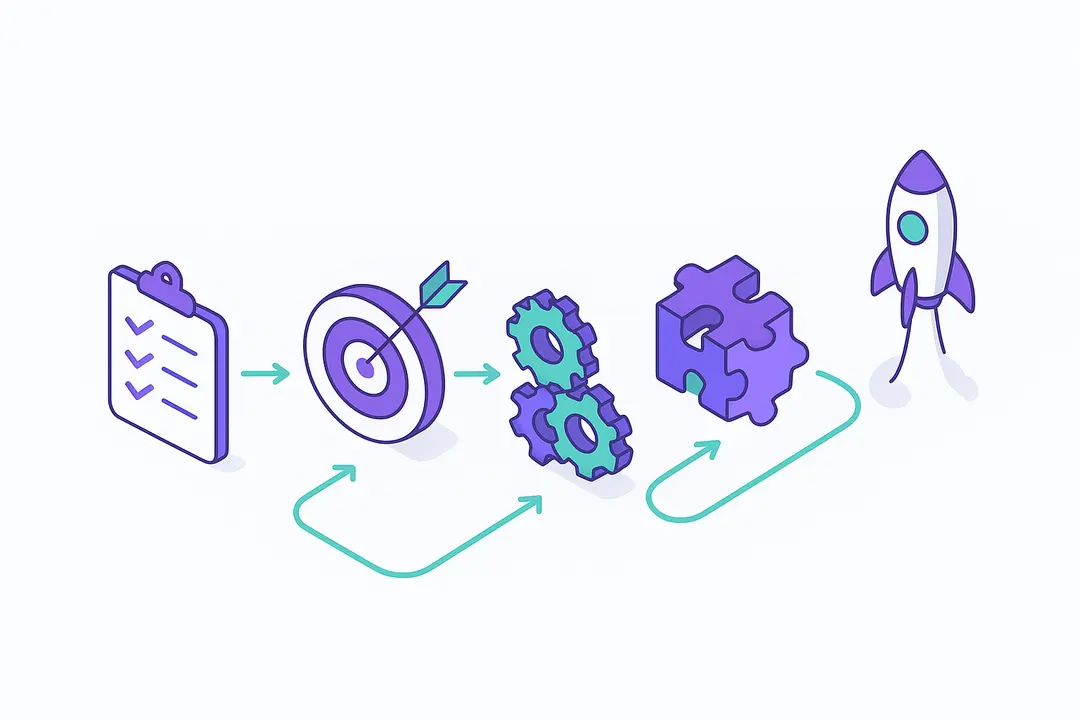
A successful AI-powered incident response deployment requires careful planning, process mapping, and iterative improvement. Here’s a practical roadmap:
Step-by-Step Implementation Guide:
- Assess Organizational Readiness: Document current IR processes, identify pain points, and determine automation maturity.
- Set Measurable Goals: Define clear KPIs such as MTTR reduction, percent of automated alerts, analyst hours saved, or compliance targets.
- Evaluate and Select the Right Tools: Shortlist AI IR platforms based on integration, scalability, compliance, and vendor support (see next section).
- Integrate with Existing SOC Infrastructure: Ensure compatibility with SIEMs, EDRs, and legacy systems to enable seamless data and workflow automation.
- Pilot, Test, and Train Users: Run a controlled implementation for select incident types; provide analyst training and gather feedback.
- Monitor, Measure, and Continuously Improve: Regularly track KPIs, tune AI models, and refine playbooks to address evolving threats and operational needs.
How to Choose the Right AI Incident Response Tools and Platforms
Choosing an AI incident response solution is critical for both operational and business success. A structured evaluation process reduces risk and maximizes ROI.
Key Evaluation Criteria:
- Integration with current SOC/SIEM platforms
- Coverage of detection and response use-cases
- Support for compliance/regulatory standards (e.g., GDPR, PCI DSS)
- Scalability and performance at enterprise scale
- Quality of machine learning models and reporting/metrics
- Vendor support, documentation, and community
Comparison Table: Leading AI IR Platforms (Sample)
| Platform | Integration | Use Case Coverage | Compliance Features | AI/ML Capabilities | Support/Docs |
| Radiant Security | Extensive | Broad | SOC2, GDPR | Advanced | High |
| PagerDuty | Wide | Moderate | PCI DSS, GDPR | Mature | High |
| Red Canary | SIEM-native | Deep | PCI, NIST | Emerging (LLM) | Medium |
Tips:
- Request demos targeting your top incident types.
- Test integration capabilities in your environment before committing.
What Are the Common Integration and Implementation Challenges? (And How to Overcome Them)
Integration and implementation can present technical, organizational, and regulatory obstacles. Anticipating these issues helps ensure a smooth transition to AI-driven IR.
Common Challenges & Solutions:
- Data Ingestion/Format Issues:
Problem: Inconsistent security data formats hamper automation.
Solution: Normalize data and leverage API-based integrations. - Legacy SOC Technology:
Problem: Incompatibility with newer AI/SOAR tools.
Solution: Phased rollout and middleware bridging. - Change Management/Skills Gap:
Problem: Staff resistance or lack of expertise in AI tools.
Solution: Launch targeted training and involve analysts early in rollout. - Managing False Positives/Negatives:
Problem: Tuning models to organizational context is complex.
Solution: Use pilot projects, gather analyst feedback, and iterate. - Regulatory and Legal Barriers:
Problem: Data handling and auditable actions can raise compliance issues.
Solution: Select platforms with robust audit trails and configurable privacy controls.
Best practice is to run pilot implementations, measure early outcomes, and partner with vendors for support.
What are the Best Practices for Human-AI Collaboration in Incident Management?
Successful incident management relies not only on automation, but also on human-AI collaboration. Balancing automation with human expertise ensures better decision quality, transparency, and trust.
Best Practice Framework:
- Human-in-the-Loop IR:
Keep analysts engaged for critical decisions, escalation, or when model confidence is low. - Well-Defined Decision Boundaries:
Specify which alerts or incident phases are fully automated vs. require manual review. - Analyst Feedback Loops:
Use human input to refine and retrain AI models, reducing error rates and building confidence. - Transparency and Explainability:
Ensure AI system actions are accessible, understood, and reviewable by SOC staff. - Role Evolution:
Reallocate analysts from repetitive detection to investigative and threat-hunting activities.
Adopting these practices creates an adaptive defense posture—maximizing the strengths of both humans and machines.
What Regulatory, Compliance, and Risk Issues Do Organizations Face with AI-Powered IR?
Automation in incident response impacts regulatory obligations, data privacy, and legal risk. A proactive compliance strategy mitigates exposure and ensures audit readiness.
Key Regulatory and Risk Considerations:
- Major Regulations Impacting IR Automation:
GDPR, PCI DSS, HIPAA, and regional cybersecurity laws dictate how security data is handled, automated, or shared. - Data Privacy & Evidence Management:
AI platforms must ensure secure handling of incident data, retention of digital evidence, and privacy by design. - Auditability and Traceability:
Automated actions must be logged, explainable, and readily reportable during audits or breach investigations. - Cyber Insurance & Legal Review:
Automation may affect insurance policies, incident reporting timelines, and contractual obligations. - Best Practices:
Choose solutions with built-in compliance modules, regular reporting capabilities, and customizable privacy settings.
By integrating compliance from the outset, organizations can automate securely and with confidence.
How to Evaluate ROI and Measure Success in AI-Driven Incident Response
Justifying investment in AI incident response tools relies on clear ROI analysis tied to business and security outcomes.
Key Metrics and Methods:
- MTTR (Mean Time to Respond/Remediate):
Track reductions in incident handling time; a typical target is cutting MTTR by 50% or more post-automation. - Alerts Handled per Analyst:
Compare volume with and without automation to quantify efficiency gains. - Analyst Hours Saved:
Monitor hours freed from manual triage, enabling reallocation to strategic tasks. - Incident Resolution Rate:
Note improvements in the percentage of successfully contained threats. - Cost Comparison (Manual vs. Automated):
Analyze changes in operating costs, including staffing and tool licensing.
Sample Metrics Table:
| KPI | Manual IR | AI-Driven IR |
| Mean Time to Respond (MTTR) | 8–24 hours | 30–90 minutes |
| Alerts Investigated/Day | 10–20 | 100–500 |
| False Positive Rate | ~30% | <5% |
| Analyst Overtime (Monthly) | High | Low |
Building a business case with these metrics helps rationalize spend and prepare for future upgrades.
What Are the Future Trends in AI and Incident Response? (2025–2030 Outlook)
Over the next five years, AI automation for incident response will advance rapidly, reshaping cybersecurity strategies and SOC operations.
2026–2030 Predictions:
- Large Language Models (LLMs) in IR:
Advanced LLMs will assist in parsing alerts, generating remediation plans, and advising analysts in plain language. - Autonomous/Self-Healing Security Platforms:
Systems will not just detect, but autonomously remediate and recover from incidents without human prompting. - Advanced Human-AI Teaming:
New frameworks will emerge, further clarifying roles and boundaries between automated and human response. - Dynamic Compliance and Risk Management:
Real-time compliance checks and automated incident evidence management will become mainstream. - Rising Need for Explainable AI:
As AI assumes greater responsibility, demand for transparency and auditability will increase.
According to a Red Canary whitepaper, hybrid AI–human SOC models are expected to dominate, with continuous skills training becoming essential.
Quick Reference: AI-Powered Incident Response Workflow
At-a-Glance: Typical AI-Powered IR Workflow
| Step | What Happens | Human / AI Role |
| 1. Detection | Events & anomalies flagged | AI (ML analytics) |
| 2. Triage | Alerts scored & prioritized | AI+Human (in loop) |
| 3. Action | Response (quarantine/remediate) | AI (playbook) |
| 4. Review | Analyst checks/feedback | Human |
| 5. Learning | System retrains on outcomes | AI (self-learning) |
This workflow maximizes speed while preserving essential human oversight—achieving the best of both automation and expert judgment.
Frequently Asked Questions (FAQs) About AI Automation for Incident Response
What is AI automation for incident response?
AI automation for incident response uses artificial intelligence and machine learning to rapidly detect, analyze, and resolve cybersecurity incidents with reduced human intervention, enabling faster and more scalable threat management.
How does AI improve incident response times?
AI accelerates incident response by quickly analyzing alerts, prioritizing threats, and triggering automated remediation playbooks. This reduces mean time to respond (MTTR) from hours or days to minutes in many cases.
Can AI fully replace human security analysts in incident management?
No, AI augments but does not fully replace human analysts. Critical decisions, context, and oversight still require human expertise—especially for complex or novel threats.
What are the primary benefits of automating incident response?
Automation leads to faster detection and response, reduced alert fatigue, improved accuracy, increased SOC productivity, and lower operational costs.
What are examples of AI-powered incident response platforms?
Leading AI-powered IR platforms include Radiant Security, PagerDuty, Red Canary, and major SOAR tools from vendors like Palo Alto Networks and Splunk.
How do organizations implement AI in their incident response processes?
Implementation involves mapping existing workflows, setting KPIs, selecting the right tools, integrating with SOC infrastructure, piloting the system, and continuously refining both technology and processes.
What are the challenges when integrating AI into IR workflows?
Common challenges include legacy system compatibility, data normalization, tuning false positive rates, analyst upskilling, and ensuring regulatory compliance.
Is AI-based incident response cost-effective?
Yes, many organizations achieve significant ROI by reducing incident handling times, automating routine tasks, and enabling SOC teams to focus on higher-value work.
How does automation impact regulatory compliance in incident management?
Automation requires robust audit trails, transparent actions, and secure data handling to meet standards like GDPR and PCI DSS. Well-designed platforms offer built-in compliance features.
What trends will shape the future of AI in incident response?
Future trends include advanced use of LLMs, fully autonomous remediation, enhanced human–AI collaboration models, dynamic compliance management, and increased focus on explainable AI.
Conclusion
AI automation for incident response is rapidly becoming essential for organizations facing evolving cyber threats, alert overload, and regulatory scrutiny. By adopting a practical, stepwise approach—assessing readiness, selecting the right tools, and fostering a culture of human–AI collaboration—security teams can dramatically improve their detection speed, response efficiency, and compliance posture.
Key Takeaways
- AI automation transforms incident response by enabling faster, more accurate, and scalable threat management.
- Major benefits include MTTR reduction, alert fatigue elimination, and increased SOC efficiency.
- A step-by-step roadmap and best practices help ensure a smooth, successful AI IR implementation.
- Compliance, auditability, and human–AI collaboration are essential for sustainable success.
- Future trends point toward autonomous security, advanced LLM usage, and dynamic risk management.
This page was last edited on 29 April 2026, at 11:39 am

Start a conversation with our team to solve complex challenges and move forward with confidence.