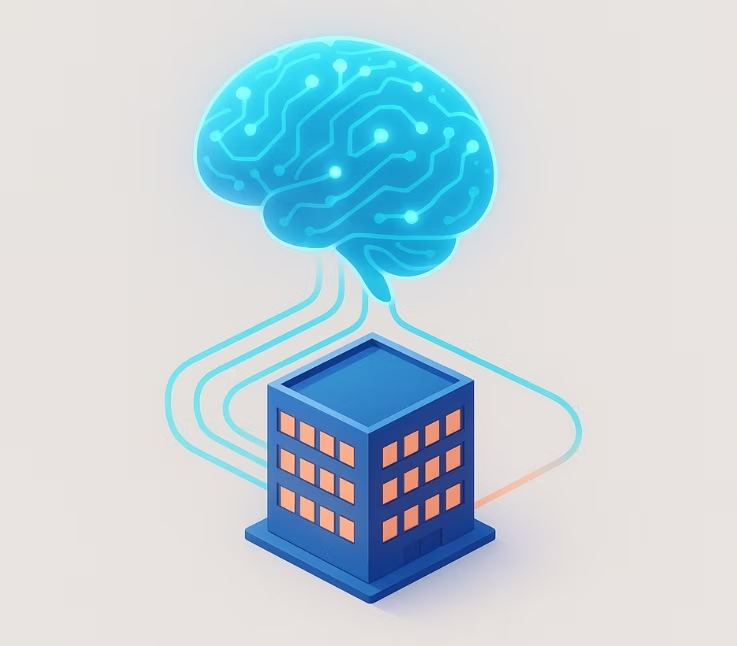
AI adoption is transforming mid-size companies into smarter, more competitive organizations. But with new technology comes new complexity—making it vital to have a trusted playbook for success. Many mid-market leaders face pressures to increase productivity and reduce costs but struggle to know how, when, and with whom to start their AI journey.
This guide delivers a practical, step-by-step framework for evaluating, implementing, and maximizing AI development services for mid-size companies. By the end, you’ll know how to identify the right solutions, avoid common pitfalls, and realize real business value from your AI investments.
What Are AI Development Services for Mid-Size Companies?
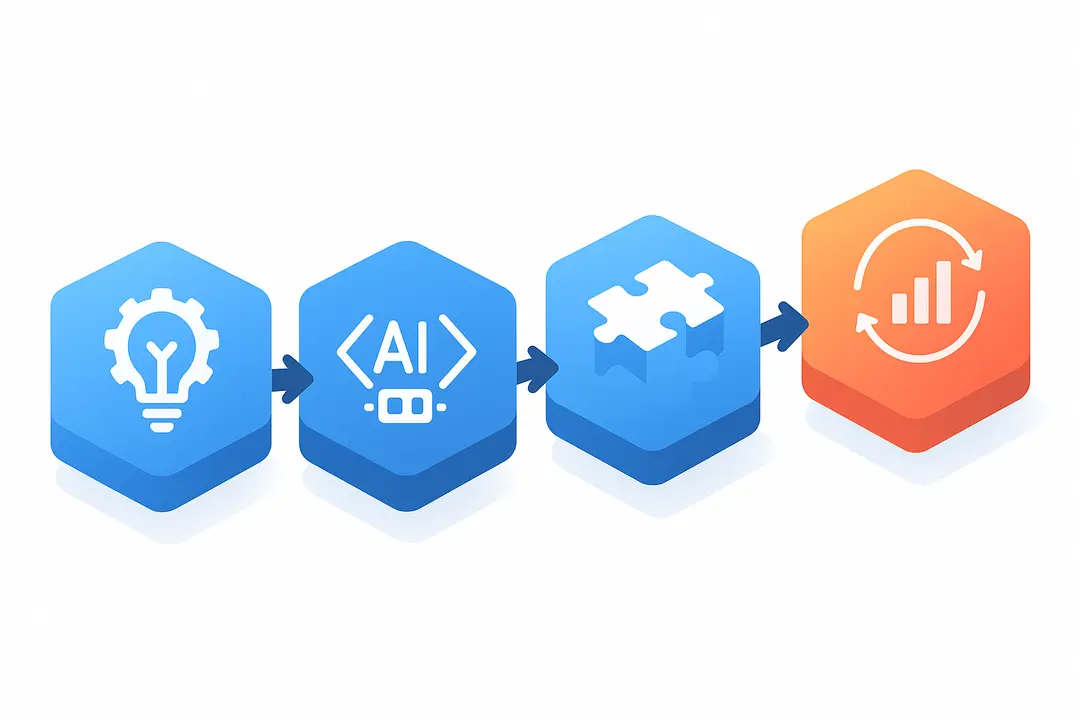
AI development services for mid-size companies are end-to-end offerings—including consulting, custom solution development, integration, and ongoing optimization—tailored specifically for organizations with 50–1,000 employees.
These services typically include four main stages:
- Strategy: Assess business readiness, define AI opportunities, and set transformation goals.
- Build: Develop custom AI models, applications, and workflows.
- Integrate: Deploy solutions within your existing IT or legacy systems.
- Operate/Optimize: Ensure continuous improvement, compliance, and ROI measurement.
Unlike startups or large enterprises, mid-size firms need AI solutions scaled to their budget, resource levels, and data maturity. Trusted providers bridge technical gaps and deliver value through tightly scoped, ROI-focused engagements.
Why Do Mid-Size Companies Need Specialized AI Services?
Specialized AI development services are essential for overcoming the unique challenges mid-sized companies face during digital transformation. Mid-market firms often lack in-house AI expertise and must navigate constraints that larger enterprises resolve with scale.
Key benefits and drivers:
- Improve productivity and automate routine tasks
- Unlock cost savings through streamlined workflows
- Gain a competitive edge with smarter predictions
- Modernize processes while leveraging existing investments
Challenges addressed by specialized services:
- Legacy system integration and data silos
- Skill and resource gaps in data science or AI engineering
- Navigating regulatory compliance or data privacy requirements
- Difficulty in proving or measuring ROI
According to Gartner, over 50% of mid-size companies are increasing their AI investments in 2026, citing strong demand for efficiency and resiliency. Tailored services help bridge the expertise gap, accelerate results, and reduce project risk.
What Types of AI Solutions Deliver the Most Value for Mid-Size Enterprises?
Mid-size companies can benefit from a wide array of AI solutions, each addressing different business challenges. The most valuable solutions are those that match your industry context and business goals.
Common AI solution types:
- Process Automation: Automates repetitive tasks (e.g., invoice processing).
- Predictive Analytics: Drives forecasting (e.g., sales, demand, risk).
- Natural Language Processing (NLP): Unlocks unstructured data or powers chatbots.
- Computer Vision: Enables image or video inspection (e.g., quality control in manufacturing).
Industry-specific AI use cases:
| Industry | Solution Type | Business Benefit |
| Finance | Fraud detection, Risk analytics | Reduce losses, enhance compliance |
| Healthcare | Diagnostic support, Workflow automation | Faster diagnoses, operational efficiency |
| Retail | Demand forecasting, Customer AI | Improved stock levels, smarter marketing |
| Manufacturing | Predictive maintenance, Process optimization | Reduced downtime, higher throughput |
What’s new for 2026:
- Generative AI: Automates content, product descriptions, or reporting for resource-constrained teams.
- Agentic AI: Enables smarter autonomous agents for customer service or logistics tasks.
- Legacy Integration: Modern AI development partners excel at integrating new tools with legacy ERP, CRM, or supply chain platforms.
Choosing the right solution hinges on aligning technology with measurable business outcomes for your segment.
How to Choose the Right AI Development Partner for Your Mid-Size Business
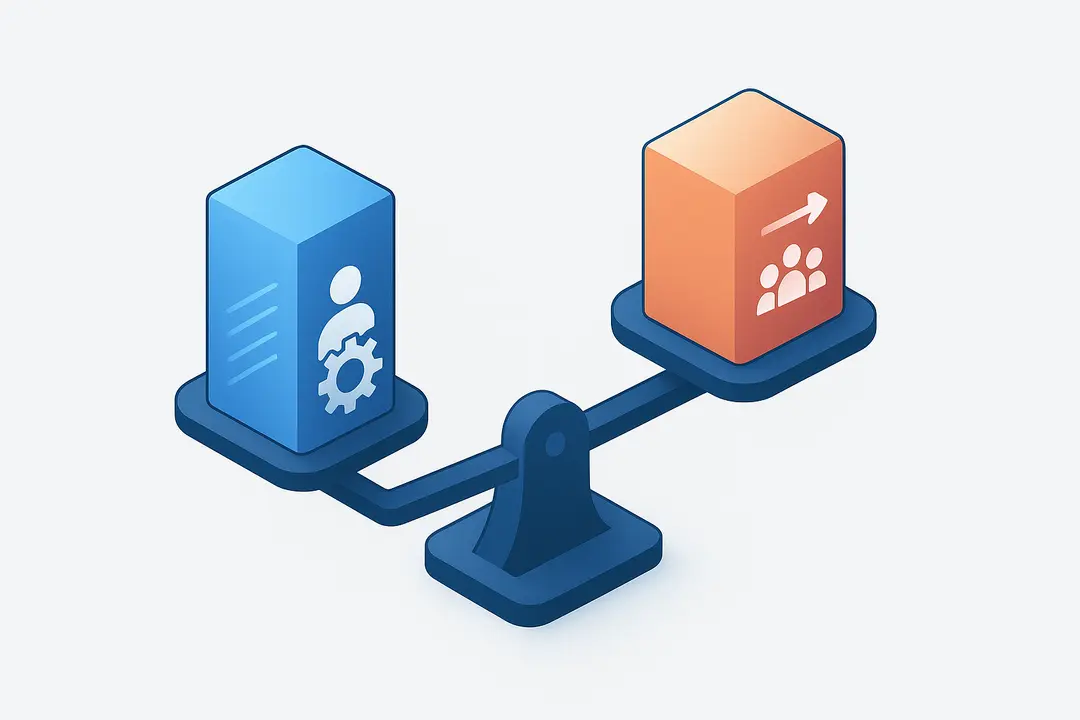
Selecting the right AI development provider is a critical decision for maximizing ROI and reducing risk. A methodical, criteria-driven approach ensures you partner with experts who understand both your industry and your practical constraints.
Key evaluation criteria:
- Expertise: Does the vendor have proven success with AI consulting services for mid-size companies?
- Industry Fit: Are they familiar with your sector’s compliance, workflows, and regulatory needs?
- ROI Mindset: Do they define success in terms of tangible, business-oriented outcomes?
- Scalability: Can solutions adapt as your business grows?
- Compliance and Security: Are data privacy and industry standards part of their core delivery?
In-House vs. Partner: Decision Matrix
| Criteria | In-House Build | External AI Partner |
| Cost | High (talent, infra) | Predictable (project/retainer) |
| Speed | Slower ramp-up | Faster delivery, proven playbooks |
| Flexibility | Custom but resource-bound | Access to diverse skill sets |
| Risk | High (skills gap) | Lower (shared expertise) |
Example: Boutique AI Firm vs. Enterprise Vendor
| Factor | Boutique AI Firm | Large Enterprise Vendor |
| Customization | High | Moderate, may favor templates |
| Personalized Service | Dedicated team | Standardized processes |
| Cost Structure | Flexible, often lower | Higher, suited for large-scale |
| Industry Specialization | Niche expertise | Broad portfolio |
Critical questions to ask providers:
- What successes have you delivered for similar mid-size organizations?
- How do you approach integration with existing systems?
- What is your post-deployment support model?
- How do you ensure data security and regulatory compliance?
- Can you share references or recent case studies?
Using these checklists and comparison tables streamlines your vendor evaluation process and increases project success rates.

What Is the Typical AI Implementation Roadmap for Mid-Size Companies?
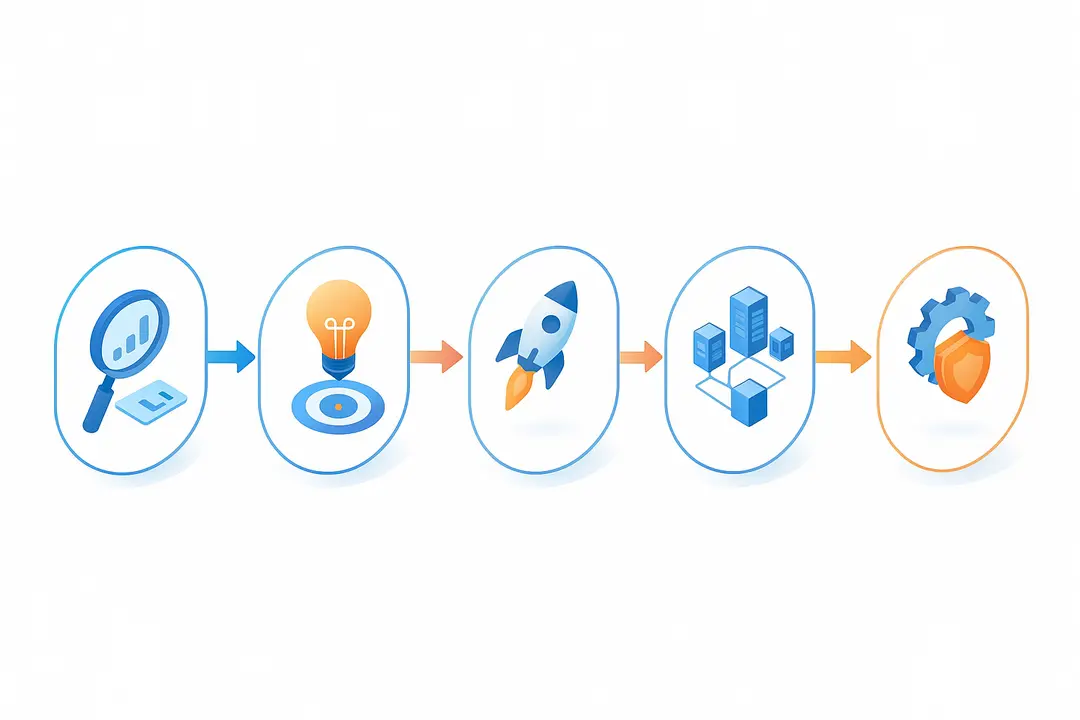
A well-structured AI implementation roadmap takes you from opportunity assessment to full-scale deployment with managed risk and optimized outcomes.
Phases in a typical AI implementation:
- Discovery & AI Readiness Assessment: Evaluate current data, processes, and business needs.
- Strategy Development: Define use cases, success metrics, and project scope.
- Pilot/Proof of Concept (PoC): Test solutions on a small scale to validate feasibility.
- Full Deployment: Integrate AI solutions with core systems, scale across departments.
- MLOps & Support: Continuously monitor, refine models, govern data, and meet compliance.
Practical tips for mid-size organizations:
- Start with a readiness checklist to gauge current capabilities.
- Move from pilot to production by setting clear KPIs and involving stakeholders early.
- Emphasize change management—train teams to trust and use AI-driven insights.
- Implement AI governance frameworks to address compliance and ethical considerations.
A staged approach limits disruption, supports budget management, and builds momentum through quick, measurable wins.
How Much Do AI Development Services Cost for Mid-Size Companies?
The cost of AI development services for mid-size companies varies based on project scope, complexity, and engagement model. Transparent budgeting is key to maximizing your return on investment.
Typical pricing models:
- Retainer: Ongoing support or advisory (common for continuous strategy/integration).
- Project-based: Fixed fee for a defined deliverable or PoC.
- Pay-as-you-go: Flexibility for variable workloads or iterative development.
- Hybrid: Combines base fees with consumption-based charges.
Budget ranges:
| Company Size | Average Spend / Year | Comment |
| SMB (10–50 FTEs) | $30,000–$100,000 | Limited scope, turn-key or templated |
| Mid-size (50–1,000) | $100,000–$500,000+ | Full-cycle, custom builds, integrations |
| Enterprise (>1,000) | $500,000–$5M+ | Multi-system, global, extensive support |
Key cost drivers:
- Solution complexity (custom ML vs. packaged AI)
- Level of integration with legacy systems
- Data preparation and cleaning requirements
- Ongoing support, MLOps, and compliance needs
Hidden or ongoing costs:
- Maintenance, retraining, or upgrading AI models
- Employee training and change management
- Scaling deployments across more teams or business units
Understanding Total Cost of Ownership (TCO) helps avoid surprises. According to industry reports, most mid-size companies realize positive ROI within 12–24 months of deployment if costs are actively managed.
Case Studies: How AI Development Services Deliver Real Value to Mid-Market Organizations
Real-world results prove the impact of specialized AI development services for mid-size enterprises.
Finance:
A regional bank deployed a custom AI tool for fraud detection. Within six months, flagged incidents dropped by 35%, and compliance audit times were cut by 25%. The CIO states, “Partnering with a boutique AI firm enabled rapid implementation and full regulatory alignment.”
Healthcare:
A mid-sized clinic used AI-driven process automation to handle appointment scheduling and billing. Administrative costs decreased by 20% and patient wait times improved, resulting in higher satisfaction scores.
Manufacturing:
A producer of industrial goods leveraged AI for predictive maintenance on production lines. Equipment downtime was reduced by over 30%, freeing up budget for further digital upgrades.
Retail:
A specialty retailer integrated generative AI for personalized product recommendations. Sales conversion rates improved by 12%, and customer service inquiries requiring manual resolution dropped significantly.
These stories highlight the diverse ways AI transforms efficiency, profitability, and customer outcomes for mid-market firms.
What Are the Common Challenges & How Can Mid-Size Companies Overcome Them?
Mid-size companies face distinct barriers when adopting AI, but many challenges are avoidable with the right tactics.
Common barriers:
- Shortage of in-house AI talent and experience
- Poor data quality or fragmented information silos
- Unclear or unmeasurable ROI projections
- Risk of vendor lock-in or proprietary platforms
- Complexity surrounding data privacy and regulatory requirements
Proven solutions:
- Invest in staff training and upskilling early in the project.
- Start with phased or pilot rollouts to validate impact before expanding.
- Use prebuilt frameworks or accelerators to speed up compliance and integration.
- Establish AI governance models to oversee ethics, data management, and ongoing performance.
- Use selection checklists and readiness assessments to reduce risks upfront.
Pitfalls to avoid:
- Overlooking business stakeholder involvement
- Underestimating post-deployment support needs
- Rushing through change management or training
By proactively addressing obstacles, mid-sized companies can navigate AI projects with greater confidence and success.
Visual Summary: Key Takeaways Table
| Focus Area | Must-Know Insight |
| AI Services | Strategy, build, integration, and ongoing optimization |
| Vendor Selection | Match expertise, industry fit, and ROI focus |
| Cost Structure | Custom projects: $100k–$500k/yr typical for mid-market |
| Implementation Roadmap | Discovery → PoC → Full deployment → MLOps/support |
| Common Pitfalls | Neglecting governance, rushing pilots, ignoring TCO |
| Industry Impact | Proven wins in finance, healthcare, manufacturing, retail |
Frequently Asked Questions: AI Development Services for Mid-Size Companies
What are AI development services for mid-size companies?
AI development services for mid-size companies combine strategic consulting, custom AI solution development, integration with current systems, and ongoing support, tailored to organizations with around 50–1,000 employees.
How do AI consulting firms create value for medium businesses?
AI consulting firms help medium businesses by identifying high-ROI use cases, building tailored solutions, integrating with legacy systems, and providing training and support to ensure lasting improvement.
What is the typical AI implementation process for mid-sized organizations?
It usually involves readiness assessment, strategy design, pilot (PoC) build, scaled deployment, and continuous support (MLOps), all structured to minimize risk and maximize adoption.
How much do AI development services cost for mid-size companies?
On average, mid-size companies invest between $100,000 and $500,000+ annually, but actual costs depend on project scope, complexity, and required support.
Which AI vendors are best for regulated mid-market industries?
Vendors with proven compliance expertise and industry references—typically boutique firms or enterprise-grade service providers familiar with regulatory environments—are recommended for finance, healthcare, and other regulated sectors.
What industries are best suited for AI adoption in the mid-market?
Finance, healthcare, retail, and manufacturing are leading sectors for AI adoption among mid-size businesses, driven by clear business outcomes and operational improvement opportunities.
How can mid-sized companies measure ROI from AI projects?
ROI is measured by tracking KPIs such as cost savings, productivity improvements, revenue growth, risk reduction, and cycle time reductions tied to AI initiatives.
Can AI solutions integrate with legacy IT systems?
Yes, many providers specialize in AI integration services to ensure new AI systems work seamlessly with legacy ERP, CRM, or core business platforms.
What’s the difference between enterprise and mid-size AI development needs?
Mid-size companies focus on tightly scoped, practical solutions and cost-effective deployments, while enterprises may pursue larger-scale, multi-domain initiatives with extensive in-house resources.
How do I choose the right AI development provider for my business?
Compare vendors on expertise, industry references, ROI mindset, compliance track record, and flexibility in engagement models. Use evaluation checklists to support your choice.
Conclusion
AI is no longer an emerging trend for mid-size companies—it’s an urgent lever for growth, efficiency, and market leadership. Acting now can transform operational performance and create lasting business value. Use the frameworks, checklists, and industry insights in this guide to assess your readiness, compare partners, and set a clear, actionable pathway towards AI-driven results. Ready to take the next step? Download our AI readiness checklist, schedule a consult with an AI advisor, or start your own assessment today.
Key Takeaways
- AI development services provide mid-size companies with end-to-end strategy, build, and support.
- Specialized providers bridge talent gaps, enable smooth legacy integration, and drive rapid ROI.
- Expect project budgets to range from $100,000 to $500,000+—plan for TCO and post-launch support.
- Use readiness tools, partner comparison matrices, and industry-specific benchmarks to guide adoption.
- Start small, manage change, and scale success across the organization for sustainable transformation.
This page was last edited on 9 April 2026, at 10:00 am

Start a conversation with our team to solve complex challenges and move forward with confidence.