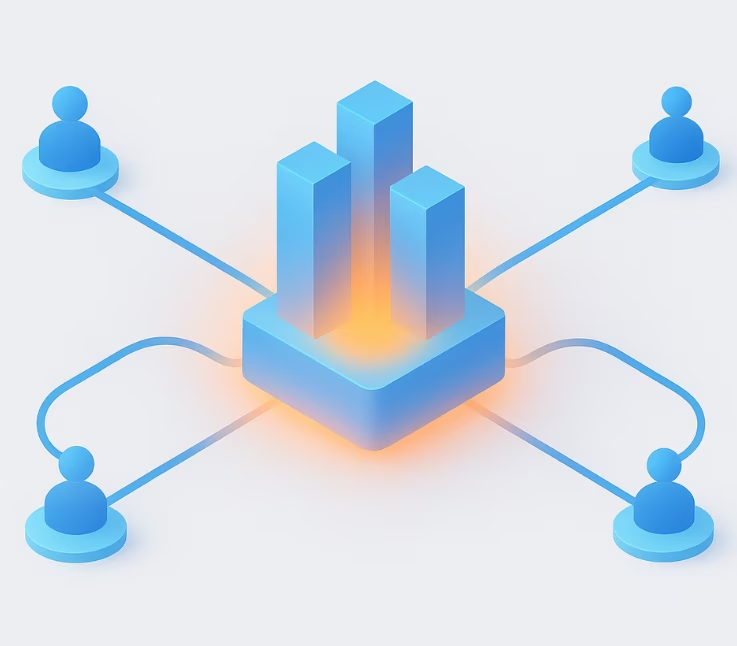
Fast-growing tech businesses face tough choices: scale quickly or risk falling behind. With ongoing talent shortages, high development costs, and intense competition, companies are looking for smarter ways to build software teams.
A remote software development center provides a dedicated, distributed team—either offshore or nearshore—that delivers software projects for your organization. This model’s value lies in its flexibility, access to global talent, and cost-effectiveness.
In this guide, you’ll get a proven, step-by-step playbook for building, managing, and scaling your own remote software development center. Discover actionable setup steps, real-world best practices, compliance strategies, and up-to-date cost comparisons.
What is a Remote Software Development Center?
A remote software development center is a dedicated unit of software professionals who work for your business from distributed locations, often across countries or regions. These centers provide businesses with access to specialized skills and scalable resources outside their local geography.
Typically, remote development centers are:
- Managed directly by your company or via a trusted partner
- Staffed with dedicated remote developers, QA engineers, project managers, and designers
- Configured as offshore, nearshore, or virtual units based on business needs
Types of Remote Software Development Centers
| Model Type | Description | Common Use Case |
| Offshore Development Center (ODC) | Full team in a different continent, often lower-cost | Long-term cost reduction, access unique skillsets |
| Nearshore Center | Team in neighboring or nearby time zone region | Enhanced collaboration, smoother communication |
| Virtual Development Unit | Fully distributed team, no fixed location | Max flexibility, rapid scaling |
Who uses them?
SaaS companies, startups seeking global talent, enterprises scaling tech ops, and businesses wanting round-the-clock delivery.
What Are the Key Benefits and Real-World Use Cases?
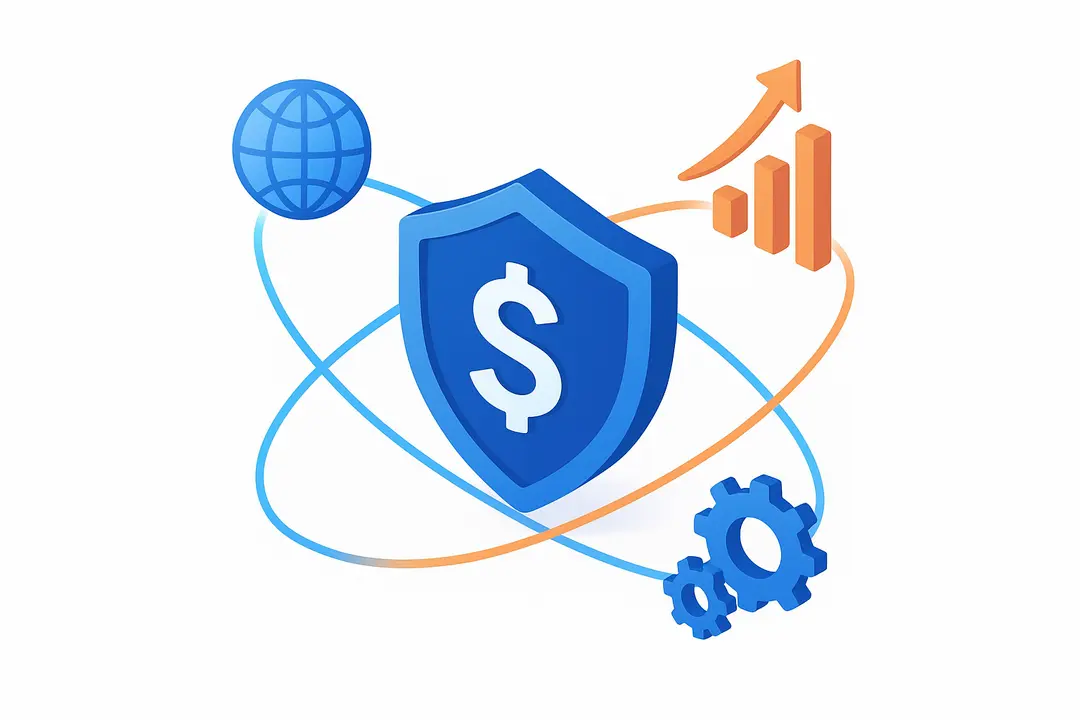
Remote software development centers offer three decisive advantages: cost savings, access to global talent, and high scalability—making them a top choice for fast-moving organizations.
Key Benefits
- Cost Savings: Remote centers enable direct and indirect savings vs. hiring locally. For example, developer salaries in Eastern Europe or Latin America are 30–60% lower than in the US (Accelerance, 2024).
- Access to Global Talent: Tap into high-performing software professionals worldwide with specialized expertise, language diversity, and innovative perspectives.
- Flexibility & Scalability: Quickly ramp teams up or down to match project needs. Distributed teams support 24/7 delivery by leveraging multiple time zones.
Real-World Use Cases
- Startups scaling products globally without overextending budgets
- SaaS companies increasing development velocity by supplementing local teams
- Enterprises reducing time-to-market via diverse, on-demand talent
- Organizations expanding into new regions with local development support
Summary Table: Key Benefits of Remote Software Development Centers
| Benefit | Description | Example Use Case |
| Cost Effectiveness | Lower salaries, reduced overhead | SaaS startup minimizes burn rate |
| Talent Access | World-class engineers, niche skills | AI firm hires CEE data scientists |
| Scalability | Fast team expansion, 24/7 work cycles | E-commerce platform launch |
| Flexibility | Project-based or long-term, adaptable teams | Marketing firm builds MVP |
How Do You Build a Remote Software Development Center? (Step-by-Step)
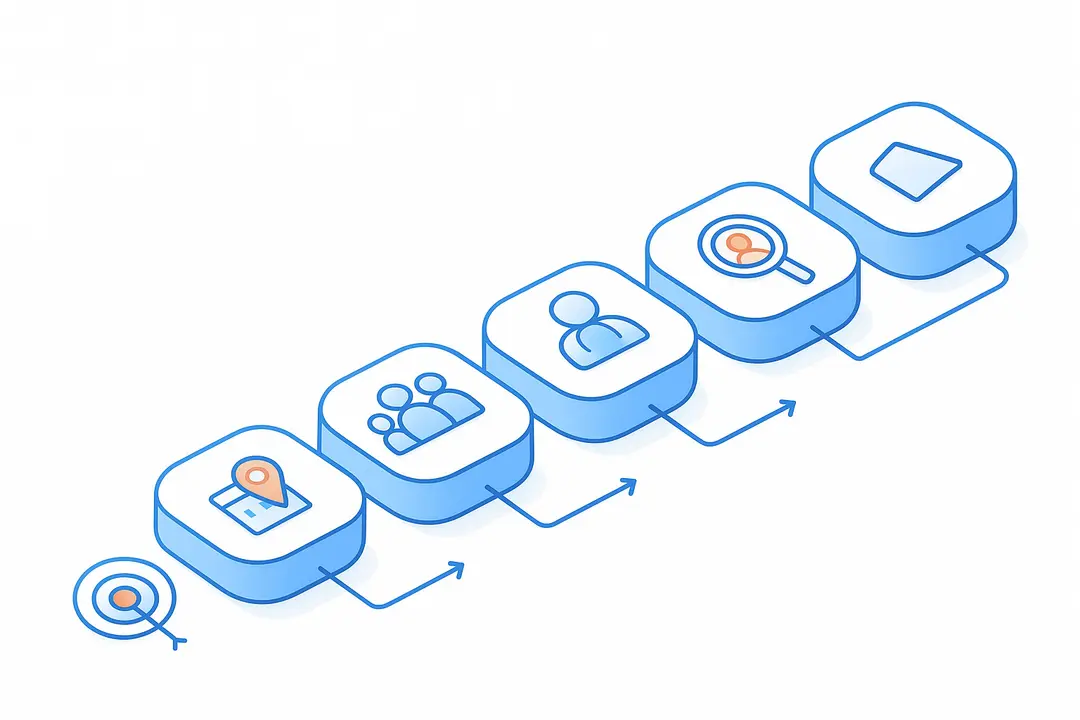
Building a remote software development center requires a strategic and phased approach. Below is a proven, 6-step framework to help you succeed.
Step 1: Assess Your Business Needs and Objectives
Start by defining why you need a remote center and what success looks like.
- Identify your main goals: Speed, scale, cost reduction, or talent access?
- Specify required skills: List essential roles (e.g., developers, QA, DevOps).
- Define project scope: Clarify deliverables, timelines, and integration points.
- Evaluate readiness: Assess your organization’s remote culture, leadership buy-in, and communication capabilities.
Checklist:
- Clear business case
- Budget and KPIs set
- Internal champions identified
Step 2: Scope and Plan Your Remote Center
Careful planning sets the foundation for a smooth launch.
- Choose target regions: Analyze areas like Central & Eastern Europe (CEE), Latin America (LATAM), or Western Europe for talent, rates, and language.
- Set your budget: Account for salaries, benefits, infrastructure, and potential vendors.
- Establish timeline: Plan milestones for hiring, onboarding, and launch.
- Review infrastructure needs: Secure tools and communication systems.
Step 3: Define Team Structure & Key Roles
Build an effective, future-ready team.
Common Roles:
- Software Developers (Front/Back-end)
- QA Engineers and Testers
- Project Managers/Scrum Masters
- UX/UI Designers
- DevOps Engineers
Team Models:
- Dedicated Team: Full-time remote employees working on ongoing projects.
- Hybrid: Mix of in-house and remote members.
- Project-Based: Teams formed for specific initiatives.
Sample Team Framework:
| Role | Typical Headcount | Core Responsibilities |
| Tech Lead | 1 | Architecture, code review, mentoring |
| Developers | 3–10 | Feature development and integrations |
| QA Engineers | 1–3 | Testing, automation, quality assurance |
| PM/Scrum Master | 1 | Project planning, sprint facilitation |
| UX/UI Designer | 1 | User interface/experience design |
| DevOps Engineer | 1 | Deployments, infra, CI/CD |
Step 4: Source and Hire Remote Talent
Attracting top talent is critical for remote center success.
Sourcing channels:
- Partner with specialized vendors
- Direct recruiting via job boards and LinkedIn
- Regional networks and tech communities
Evaluation criteria:
- Technical skills and portfolio review
- English proficiency and communication fit
- Cultural alignment and remote work experience
Average Monthly Salaries by Region (2024 Benchmark):
| Role | US | CEE | LATAM | Western Europe |
| Senior Developer | $10,000+ | $4,500–6,500 | $3,500–5,000 | $7,000–8,500 |
| QA Engineer | $7,500 | $3,000–4,500 | $2,800–4,000 | $5,000–6,000 |
| Project Manager | $12,000+ | $5,000–6,500 | $4,000–5,500 | $8,000–9,500 |
| UX/UI Designer | $8,000 | $3,500–5,000 | $3,000–4,500 | $6,500–8,000 |
Step 5: Legal, Compliance & IP Protection
Legal preparation protects your assets and builds trust.
Contracts:
- Non-Disclosure Agreements (NDA)
- B2B agreements and local employment contracts
- Service Level Agreements (SLA)
IP and data protection:
- Secure code repositories
- Compliance with GDPR and local regulations
- Defined IP ownership clauses
Pro-Tip: Use vetted contract templates and consult local legal counsel when entering new regions.
Step 6: Onboard and Integrate Your Remote Team
A strong onboarding plan accelerates productivity.
- Orientation: Introduce company culture, tools, and processes
- Resource setup: Grant access to codebase, documentation, and collaboration tools
- Communication: Establish regular standups, reporting cadence, and escalation paths
- Early metrics: Measure ramp-up speed, first deliverables, and team satisfaction in the first 30–90 days
Remote Onboarding Checklist:
- Welcome session scheduled
- Tech stack/trainings assigned
- Security protocols explained
- Mentor/buddy appointed
What Are the Best Practices for Managing and Scaling a Remote Software Center?
Managing remote software centers requires structure, robust communication, and a focus on culture and security. Here’s what works best.
Toolstack & Communication Essentials
- Use proven collaboration tools:
Slack or Microsoft Teams for chat and updates
Jira or Trello for project tracking
GitHub or GitLab for code repositories
Zoom or Google Meet for meetings - Create a documentation culture:
Maintain a centralized wiki (e.g., Confluence)
Establish clear documentation standards
Scaling, Performance & Retention Strategies
- When and how to scale:
Scale up as product needs or business demand grows; scale down after launches or project completion - Retaining remote talent:
Offer competitive benefits and growth opportunities
Recognize achievements and celebrate milestones
Foster inclusion through virtual social events and regular feedback
Security and Compliance in Distributed Development
- Implement access controls:
Use role-based permissions on all systems - Protect codebases:
Secure repositories, regular audits, enforce two-factor authentication - Stay compliant:
Meet GDPR, HIPAA, or other relevant standards based on your industry and target market
Ongoing Best Practices:
- Regularly educate teams on security
- Conduct periodic compliance audits
- Update documentation with new legal/regulatory changes
How Much Does a Remote Software Development Center Cost? (Pricing & Regions Compared)

Remote software development centers can cut costs by up to 60% compared to in-house teams, depending on region and team composition.
Cost Comparison Table: US vs. CEE vs. LATAM vs. Western Europe
| Region | Avg. Senior Developer Salary (USD/mo) | Talent Pool Strength | Typical Hiring Time (weeks) |
| United States | $10,000+ | High | 8–16 |
| Central/Eastern Europe (CEE) | $4,500–6,500 | High, STEM focus | 3–6 |
| Latin America | $3,500–5,000 | Growing, English-speakers | 4–8 |
| Western Europe | $7,000–8,500 | Mature, limited volume | 6–10 |
Key Notes:
– CEE and LATAM offer the best blend of rates and available skilled developers.
– Hiring timelines can be 50% shorter than US in many offshore markets.
Cost Models & Budgeting Your Center
- Dedicated Team Model: Fixed monthly fee per role; maximum control and collaboration
- Time & Materials Model: Pay for actual hours/deliverables
- Hidden costs to consider:
Local taxes and payroll
Employee benefits (insurance, paid leave)
Tech infrastructure and software licenses
Tip: Always clarify cost structure with your provider and include a buffer (10–15%) for unplanned expenses.
How Do Remote Development Centers Compare to In-House Teams?
| Factor | Remote Software Center | In-House Development |
| Cost | Lower (salary + overhead) | Higher (salaries, rent) |
| Talent Access | Global, wide skills | Local, often limited |
| Scalability | Fast, on-demand | Slower, hiring-intensive |
| Control | High (if managed directly) | Maximum |
| Time Zone Challenges | Possible | Minimal |
| Cultural Integration | Requires planning | Usually easier |
| Security/Compliance | Need for strong frameworks | Direct oversight |
Pros of Remote Centers:
- Lower cost
- Broader talent pool
- Faster team ramp-up
Cons:
- Must manage remote communication
- Security and compliance oversight needed
When to choose each:
- Remote center: You need to scale fast, reduce costs, or need skills unavailable locally.
- In-house: Confidential projects or when tight daily collaboration is required.
What Legal, Security, and Compliance Issues Should You Watch?
Proper legal, IP, and security measures are vital for successful remote centers. Here’s what to cover.
Essential contracts:
- NDA: Protects confidential information
- B2B/Employment Agreements: Clearly define terms and responsibilities
- SLA: Set measurable expectations and penalties
IP and Data Ownership:
- All deliverables and code must transfer IP ownership to your organization
- Specify in contracts and monitor compliance
Security Protocols:
- Set up secure, monitored code repositories
- Limit access to sensitive systems
- Train employees on security practices
Compliance Frameworks:
- GDPR (Europe): Data privacy requirements
- HIPAA (US; health data)
- Any region-specific regulations
Checklist:
- NDA and IP clauses in all contracts
- Security policy enforcement
- Ongoing compliance reviews and audits
Real-World Stories: Case Studies on Scaling with Remote Development Centers
Startup Case: Scaling Rapidly in SaaS
A US-based SaaS startup needed to build a cross-platform product within 12 months on a tight budget. By launching a nearshore development center in Central Europe, they hired a full-stack team 40% faster than local recruitment allowed, reduced costs by half, and accelerated their product release—helping secure Series A funding.
“Our remote center became an extension of our core team. With strong onboarding and regular touchpoints, we maintained culture and speed.”
—CTO, SaaS Startup
Enterprise Case: 24/7 Coverage for Global Rollout
A multinational enterprise established centers in both Eastern Europe and Latin America to provide continuous delivery and support for their platform. This approach shortened release cycles, improved resilience, and enabled follow-the-sun support for clients worldwide.
Key Outcomes:
- Reduced churn due to faster hiring cycles
- 99% on-time deliverable rates
- Enhanced global customer satisfaction
FAQs: Everything You Need to Know About Remote Software Development Centers
What is a remote software development center?
A remote software development center is a dedicated team of engineers, managers, and other tech professionals working remotely (often offshore or nearshore) to deliver software projects for your organization.
How do I set up a remote development center?
Define your goals, select a region, plan your team structure, hire talent (directly or via a vendor), ensure legal/contracts are in place, and onboard/integrate your team with the right tools and processes.
What roles should be included in a remote software team?
Core roles include software developers, QA engineers, project managers, UX/UI designers, and DevOps engineers. Composition depends on your project’s needs.
How do costs compare to in-house development centers?
Remote centers can be 30–60% more cost-effective than in-house teams due to lower salary and overhead costs, particularly in regions like CEE and LATAM.
What legal agreements are necessary for remote teams?
At minimum, NDAs, service level agreements (SLA), and employment/B2B contracts. Ensure clear IP ownership clauses and data security measures.
How do you ensure security with remote developers?
Use secure code repositories, enforce access controls, conduct regular security training, and comply with data privacy regulations like GDPR.
What are the best countries for remote development centers?
Central/Eastern Europe (Poland, Ukraine, Romania), Latin America (Argentina, Brazil, Mexico), and Western Europe are leading destinations due to talent availability and competitive rates.
How do you manage communication and culture differences?
Adopt clear processes, regular standups, cultural training, and use collaboration tools to bridge time zones and language gaps.
Can remote centers support Agile development?
Yes—distributed teams can embrace Agile with the right tools, clear roles, and disciplined communication routines.
What are the main benefits versus traditional development centers?
Lower cost, faster scaling, global talent access, and operational flexibility—all while maintaining high-quality output.
Conclusion
A remote software development center provides unmatched agility, cost savings, and access to world-class talent. By following the expert framework outlined here—from planning through legal compliance and management—you’ll lower recruitment barriers, scale faster, and drive greater ROI.
Key Takeaways
- Remote software development centers enable cost-effective, scalable tech teams by tapping global talent.
- A structured, stepwise approach—from needs assessment to onboarding—is critical to success.
- Management excellence, legal compliance, and strong security frameworks are required.
- CEE and LATAM regions offer leading cost/talent advantages for most organizations in 2024.
- Downloadable tools and proven playbooks accelerate ROI and reduce risk.
This page was last edited on 9 July 2026, at 11:09 am

Start a conversation with our team to solve complex challenges and move forward with confidence.