
Selecting a competent artificial intelligence solution provider is one of the most consequential choices for modern businesses aiming to drive digital transformation and innovation.
Many organizations struggle to evaluate vendors, grapple with unclear selection criteria, and risk costly missteps due to a lack of structured guidance. Choosing the right AI partner can unlock significant ROI, competitive advantages, and operational efficiencies—while the wrong choice can lead to failed projects or security risks.
This guide offers a comprehensive, step-by-step framework backed by industry data, practical tools, and expert insights. By following this proven process, you can maximize your organization’s chances of AI success and avoid common procurement pitfalls.
6 Essential Steps to Selecting a Competent AI Solution Provider
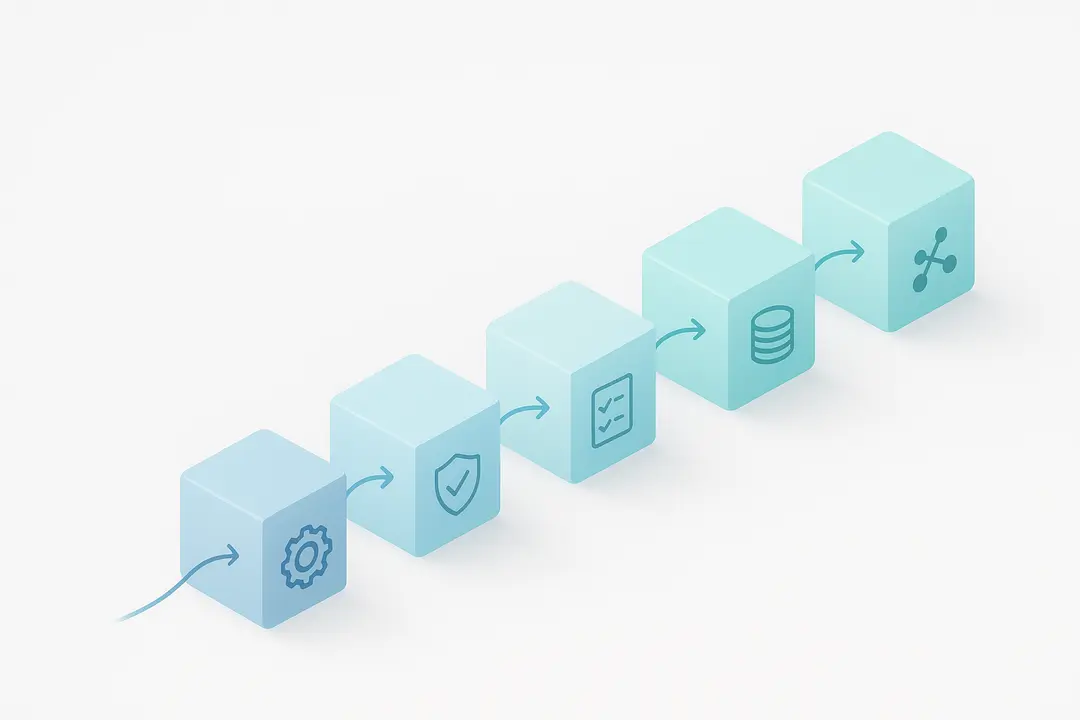
- Define your business objectives and AI goals
- Assess the provider’s technical expertise and relevant experience
- Vet security, compliance, and data handling policies
- Request case studies and independent references
- Compare engagement and pricing, models
- Test integration and post-deployment support structures
This bulletproof process ensures your solution provider aligns with your business needs and delivers long-term value.
Why Competence Matters When Selecting an AI Solution Provider
A provider’s competence directly impacts your AI project’s success, ROI, and risk exposure. Poor AI vendor choices can result in failed implementations, compliance breaches, and wasted investments—Gartner estimates that 80% of AI projects never reach full deployment.
Competence is critical for managing complex data, ensuring model transparency, and scaling solutions as business needs evolve. In regulated industries, a knowledgeable provider reduces risk by aligning with standards like GDPR or HIPAA.
“The true value of AI is realized only when the solution provider demonstrates deep technical know-how, business understanding, and ongoing partnership.” — Dr. Maya Lin, Digital Transformation Lead

Summary Table: The Impact of Competence on AI Projects
| Competence Factor | Positive Impact | Risk if Inadequate |
|---|---|---|
| Technical expertise | High accuracy, innovation | Project failure |
| Regulatory alignment | Faster approvals, compliance | Fines, legal issues |
| Post-deployment support | Continuous improvement | System obsolescence |
What Are the Step-by-Step Criteria for Evaluating AI Vendors?
Evaluating AI solution providers involves a structured assessment of your business needs, technical requirements, and the vendor’s capabilities. The following framework breaks down each decision point essential for effective AI vendor assessment.
Defining Your Business Needs for AI
Start by clearly articulating your business goals, AI objectives, and project success metrics. This ensures your selection process is purpose-driven.
Checklist: Planning Your AI Project
- Identify the business problem or opportunity.
- Define clear KPIs and expected outcomes.
- Involve all relevant stakeholders (operations, IT, compliance).
- Document existing workflows and integration points.
- Consider industry-specific requirements or constraints.
Example:
A healthcare provider may pursue AI for improved diagnostic accuracy, with KPIs such as reduction in errors and compliance with HIPAA.
Assessing Technical and Domain Expertise
| Vendor Name | ML & Data Science | NLP & LLM Expertise | Computer Vision | Industry Certifications | Years Serving Your Sector | Active R&D Investment |
|---|---|---|---|---|---|---|
| Provider A | ✔️ | ✔️ | ISO 27001, SOC2 | 8 | High | |
| Provider B | ✔️ | ✔️ | None | 2 | Moderate | |
| Provider C | ✔️ | ✔️ | ✔️ | ISO 27001 | 12 | High |
Key Checks:
- Review provider certifications (ISO, SOC2, etc.)
- Investigate ongoing staff training and technology stack maturity
- Evaluate depth of relevant use cases and industry-specific deployments
- Ask about their R&D commitment to stay current
According to Statista, demand for AI skills outpaces supply, making it critical to confirm provider expertise and resource stability.

Evaluating Security, Compliance, and Data Handling
Security and compliance practices are essential, especially for sensitive data or regulated sectors.
Checklist: Security & Compliance Due Diligence
- Does the provider adhere to data protection regulations (GDPR, HIPAA, SOC2)?
- Can they provide detailed security audit reports?
- Are data handling, storage, and model-training processes transparent?
- Is there clear documentation on user consent and data anonymization?
- Will they support a security review with your IT/compliance teams?
According to the 2025 Gartner AI Adoption Trends Report, over 50% of organizations cite security and lack of model transparency as top barriers to AI adoption[3].
Validating Success: Case Studies, References & Proof
| Reference Name | Sector | Project Scope | Results (ROI/KPI) | Support Quality | Reference Provided? |
|---|---|---|---|---|---|
| Client X | Finance | Fraud detection ML pipeline | 25% faster detection | Excellent | ✔️ |
| Client Y | Healthcare | NLP diagnostic assistant | 98% accuracy | Good | ✔️ |
| Client Z | Retail | Demand forecasting | Stockouts reduced 30% | Moderate | Pending |
Validation Actions:
- Request at least two relevant case studies.
- Seek outcome data (ROI, timeline adherence, solution scalability).
- Ask for client references and contact them directly.
- Confirm vendor claims with reference conversations.
Pricing and Engagement Models: Comparing Options
| Model | Structure | What’s Included | Cost Predictability | Suited For |
|---|---|---|---|---|
| Project-based | Fixed/Phased | Defined deliverables | High | One-time initiatives |
| Subscription | Monthly/Annual | Ongoing support/improvement | Moderate | Evolving projects |
| AI-as-a-Service | Usage/volume | API, data platform access | Variable | Scalable needs |
Comparison Points:
- Clarify what is included (support, integration, training).
- Review contract terms and Service Level Agreements (SLAs).
- Calculate hidden costs (customization, scaling, post-launch support).
As per McKinsey’s 2025 Global Survey, flexible and transparent engagement models are often linked with higher project satisfaction.
Testing Integration and Post-Deployment Support
A competent provider demonstrates robust integration capabilities and proactive post-deployment support.
Checklist: Integration & Maintenance
- Has the provider integrated AI into systems like yours before?
- Will they provide a sandbox or pilot environment?
- Do they offer regular software updates and bug fixes?
- Is there a clear escalation and support structure post-deployment?
- What’s their process for continuous improvement and model retraining?
Forrester reports that organizations with strong post-deployment partnerships see 40% better outcomes in AI-driven transformations[5].
What Red Flags Signal an Incompetent AI Solution Provider?
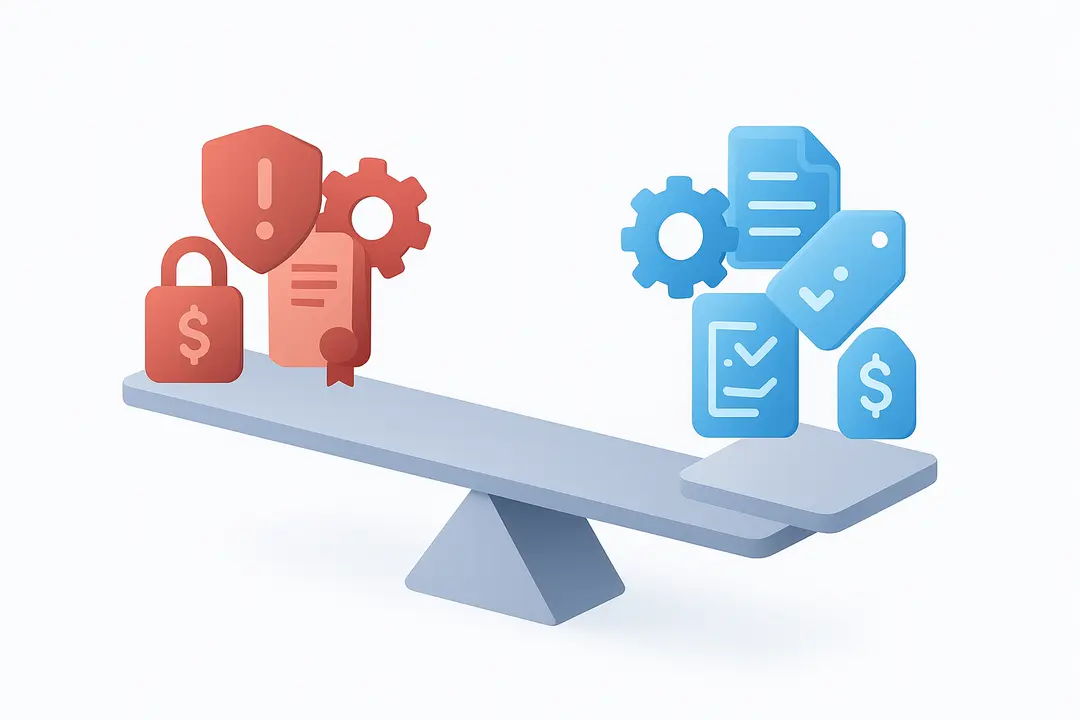
Recognizing early warning signs can protect your business from underperforming or risky providers.
Infobox: Top AI Vendor Red Flags
- Vague technical documentation or refusal to share code/process details
- Overpromising results or selling “black box” solutions without explainability
- No relevant case studies or reluctance to share client references
- Unclear security, compliance, or data privacy credentials
- Hidden costs, inflexible contracts, or lack of pricing transparency
Peer War Story:
A Reddit user shared that their AI project failed because the selected provider could not provide a single live client reference. What looked like a cost-saving turned into months of delays and rework.
How Do Industry-Specific Considerations Impact AI Vendor Selection?
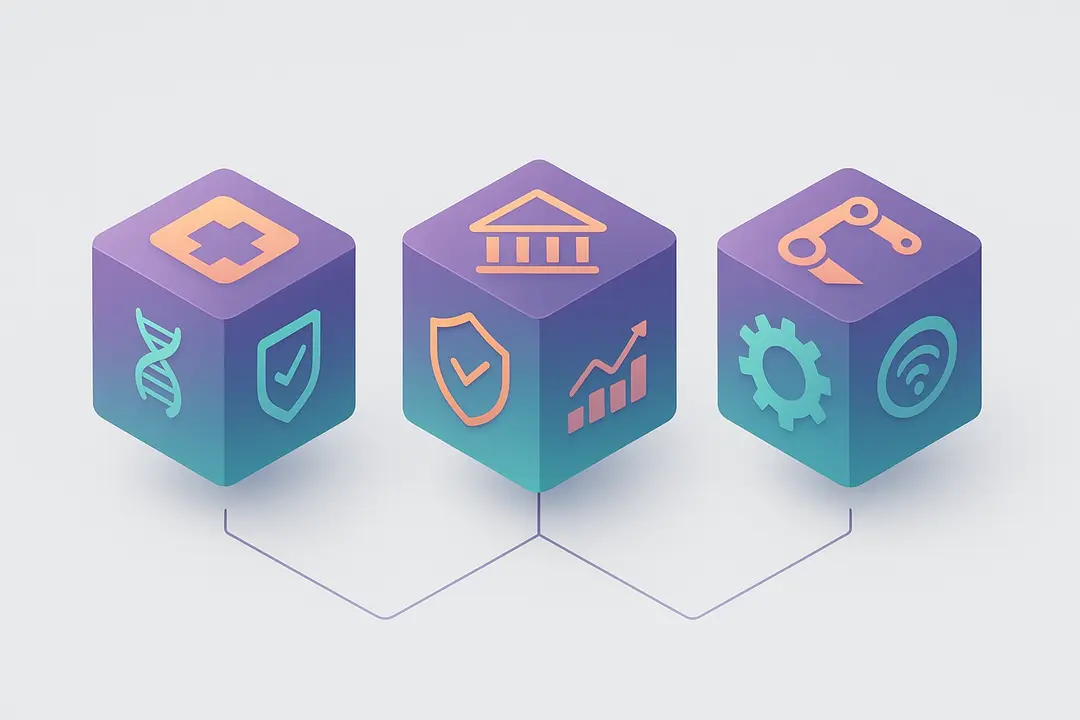
| Industry | Key Regulations | Required Expertise | Data/Integration Challenge |
|---|---|---|---|
| Healthcare | HIPAA, GDPR | Medical NLP, imaging, EHR integration | High sensitivity, legacy system integration |
| Finance | GDPR, SOC2, PSD2 | Fraud detection, KYC, algorithm auditing | Real-time reporting, audit trails |
| Manufacturing | NIST, ISO | Predictive maintenance, quality analytics | IoT data integration, uptime requirements |
Key Points:
- Ensure the provider demonstrates understanding of relevant regulations (e.g., HIPAA in healthcare).
- Validate experience in industry-specific data and workflow integration.
- Confirm the provider has managed similar compliance audits or certifications.
What Questions Should You Ask an AI Solution Provider?
Effective due diligence starts with the right questions during RFPs, discovery calls, and final negotiations.
AI Vendor Interview Question Bank
- Technical Capability:
What are your core AI technology strengths (ML, NLP, Computer Vision, etc.)? How do you ensure model transparency and accuracy? - Security & Compliance:
Which data protection and compliance standards do you meet (GDPR, HIPAA, SOC2)? Can you share your latest security audit results and data handling protocols? - Experience & Proof:
Can you provide recent case studies and contactable references? What were the KPIs and business outcomes of your last three AI projects in our sector? - Support & Integration:
How do you approach integration with legacy IT systems? What is your post-deployment support and improvement process? - Pricing & Contracts:
What is included in your pricing? Are there any potential hidden costs? How do you define the project scope and manage changes?
Asking these questions will uncover both strengths and weaknesses in potential AI partners.
Practical Tools: AI Vendor Selection Checklist & RFP Template
Proper tools can simplify your AI vendor assessment and ensure nothing critical gets overlooked.
Quick-Assessment Checklist
✅ Clear definition of business goals and success metrics
✅ Provider demonstrates technical and industry expertise
✅ Verifiable security and compliance credentials provided
✅ Relevant case studies and references confirmed
✅ Engagement/pricing model understood & transparent
✅ Integration and support approach outlined
Editable RFP Template
- Project Overview & Objectives
- Detailed Functional & Technical Requirements
- Expected Compliance & Security Standards
- Reference and Case Study Requests
- Integration/Support Workflow
- Pricing Structure & Terms
Selection Matrix: Shortlist Scoring Table
| Provider | Technical Fit | Compliance | References | Pricing Transparency | Support Quality | Total Score |
|---|---|---|---|---|---|---|
| Vendor 1 | 8/10 | 10/10 | 9/10 | 8/10 | 8/10 | 43/50 |
| Vendor 2 | 7/10 | 7/10 | 8/10 | 9/10 | 7/10 | 38/50 |
Frequently Asked Questions About Choosing an AI Solution Provider
What are the key criteria for selecting a competent AI solution provider?
Focus on technical expertise, relevant industry experience, robust security/compliance practices, proven case studies, transparent pricing, and strong post-deployment support.
How do I verify an AI vendor’s technical expertise?
Review certifications, staff qualifications, published case studies, and request technical documentation or on-site demos to see their capabilities in practice.
What questions should I ask an AI consulting firm before hiring?
Ask about technology specialization, project track record, industry compliance experience, integration capabilities, and details of pricing and SLA terms.
How can I spot red flags or misleading claims in AI vendor proposals?
Be cautious of vague promises, lack of technical detail, reluctance to share references, unclear compliance credentials, and overly restrictive contracts or hidden costs.
Should I choose a provider with industry-specific experience or broad AI capability?
Prefer providers with proven experience in your sector, especially for regulated industries, but broad AI capability is also valuable for innovative or multi-domain projects.
How do AI solution providers structure their pricing and contracts?
Common models include project-based (fixed bid), subscription, and AI-as-a-Service (usage-based); always seek contract clarity and understand exactly what’s included.
What documentation and case studies should a trustworthy AI provider offer?
Expect detailed case studies, outcome summaries, references, and technical/project documentation relevant to your business context.
How important is post-deployment support and continuous improvement?
It is critical—ongoing support, system updates, and model retraining ensure sustained value, performance, and security over time.
What are common security and compliance risks in AI vendor partnerships?
Risks include data breaches, lack of regulatory alignment, insufficient data governance, and opaque model operations; robust compliance processes are essential.
How do I ensure an AI provider meets my regulatory requirements?
Require providers to document compliance credentials (e.g., GDPR, HIPAA), participate in audits, and align workflows and infrastructure with legal standards.
Conclusion
Choosing a competent artificial intelligence solution provider is foundational to the success of your digital transformation initiatives. By applying a structured evaluation process—supported by real criteria, practical checklists, and careful due diligence—you can reduce risks, justify investments, and achieve measurable outcomes.
Key Takeaways
- Use a step-by-step framework to align vendors with your business needs.
- Watch for red flags—such as vague documentation and hidden costs.
- Prioritize industry experience and strong security/compliance practices.
- Compare transparent engagement models and post-deployment strategies.
This page was last edited on 16 April 2026, at 4:17 pm

Start a conversation with our team to solve complex challenges and move forward with confidence.