Meeting the demands of digital transformation in 2026 has never been more complex—or more critical—for tech leaders. Talent shortages, rapidly evolving technologies, and new regulatory pressures are pushing organizations to rethink how they build and scale software.
The challenge? Navigating software development outsourcing in a world shaped by AI automation, hybrid work, ever-tightening security laws, and global market shifts. As old playbooks expire, companies risk costly missteps, wasted time, or missed opportunities.
This guide provides everything you need to outsource software development in 2026 with confidence. You’ll learn actionable, stepwise processes, explore the latest outsourcing models and regions, evaluate costs, and master risk and compliance. Whether you’re a founder, CTO, or business owner, you’ll walk away ready to future-proof your outsourcing decisions—and accelerate ROI.
What Is Software Development Outsourcing in 2026? (Definition & Key Trends)
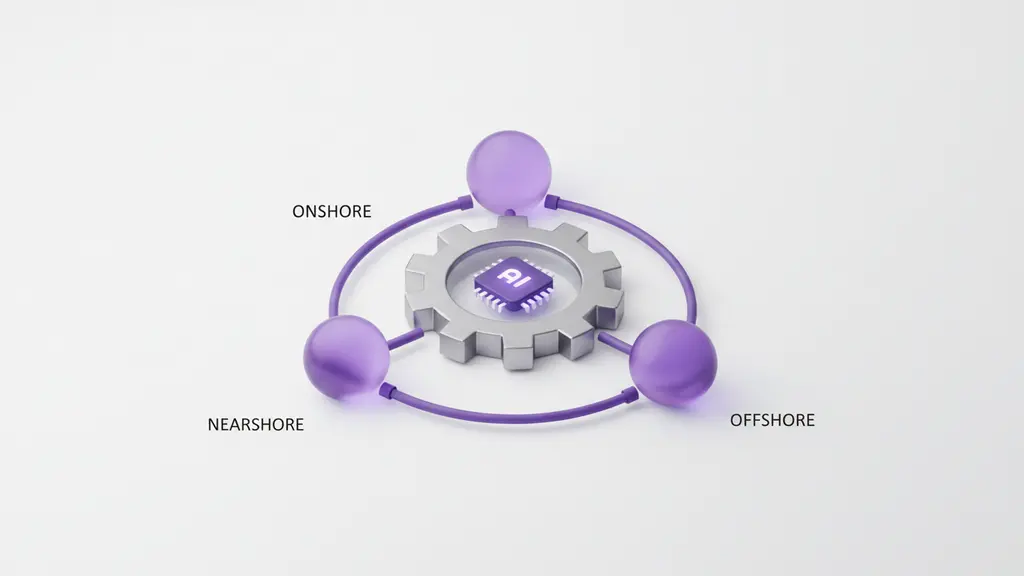
Software development outsourcing in 2026 means strategically hiring external partners around the globe to build, maintain, or augment your software—leveraging new models, automation, and global talent.
Key Trends in 2026:
- Outsourcing now goes beyond cost savings—businesses prize speed, specialized expertise, compliance, and access to scarce tech skills.
- Engagement models have evolved: onshore (local), nearshore (close regions), offshore (global), and hybrid setups offer flexibility.
- New trends for 2026 include: extensive use of AI/automation in both processes and deliverables, seamless hybrid workforces, and stricter cross-border regulatory requirements.
Modern Outsourcing Models
- Onshore: Partnering within your country. Highest alignment, premium cost.
- Nearshore: Neighboring or regional countries—increasingly popular for time zone and cultural fit.
- Offshore: Global destinations (e.g., Asia, Eastern Europe, Latin America), maximizing talent and budget.
- Hybrid: Blending onshore management with nearshore or offshore dev teams; optimizes oversight and cost.
Emerging Engagement Structures
- Staff Augmentation 2026: Rapidly scale teams with individual experts, usually to fill skill gaps. Flexible but requires strong internal leadership.
- Dedicated Development Team 2026: Secure a full, self-managed dev squad—ideal for long-term, IP-sensitive, or evolving products.
- Project-Based: Outsource defined scopes (MVPs, modules). Turnkey, but less iterative control.
2026 game-changer: AI is standard in code, testing, and project management—so vendors’ tech stack and automation prowess are critical differentiators.
Who Benefits Most in 2026?
- SaaS leaders needing rapid scaling or niche skillsets
- Startups launched in competitive, fast-changing verticals
- Enterprises automating legacy systems or building AI-native products
- Any organization lacking in-house capabilities for modern, secure, or regulated builds
Which Outsourcing Model Fits Your Needs in 2026? (Onshore, Nearshore, Offshore, Hybrid)
Choosing the right outsourcing model in 2026 depends on your priorities—cost, collaboration style, risk tolerance, and project complexity.
| Model | Location | Cost | Collaboration | Risk | Best For |
|---|---|---|---|---|---|
| Onshore | Same country | $$$$ | High | Low | Regulated, high-collab projects |
| Nearshore | Nearby region | $$$ | Medium-High | Low-Med | Shared time zones, close culture |
| Offshore | Global (Asia, EE, LATAM) | $$ | Variable | Med-High | Cost-driven, large talent need |
| Hybrid | Mixed (onshore+remote) | $$$ | High | Medium | Complex, high-stakes projects |
When to Use Each Model
- Onshore: When compliance is tight, or face-to-face control is needed.
- Nearshore: Maximize overlap in work hours and culture, with some cost benefit.
- Offshore: For budget-conscious scaling, global tech stacks, or round-the-clock development.
- Hybrid: Best of both—retain strategic roles in-house/onshore, outsource dev velocity.
Staff Augmentation vs. Full Outsourcing
- Staff Augmentation 2026: Add specialized contractors to your existing team. Agile, but you manage the delivery risk.
- Full Outsourcing: Hand project or product to external teams. More turnkey, but you must vet for reliability and quality.
Checklist: “Which Model Suits Your 2026 Project?”
- Is strict data residency/compliance a concern? (→ Onshore/Hybrid)
- Do you need deep collaboration in your time zone? (→ Nearshore/Hybrid)
- Is budget the top driver and 24/7 delivery a plus? (→ Offshore)
- Are you scaling up/down rapidly or filling skill gaps? (→ Staff Augmentation)
- Is this a greenfield, one-off build? (→ Project-based/Offshore)
What Are the Pros and Cons of Outsourcing Software Development in 2026?
Outsourcing software development in 2026 brings powerful advantages—but also exposes you to new risks, especially in a rapidly changing tech and regulatory landscape.
Pros
- Cost savings: Tap into global talent at competitive rates.
- Faster speed-to-market: Round-the-clock development with follow-the-sun teams.
- Access to specialized skills: Find rare AI, cloud-native, or security experts.
- Scalability: Ramp teams up or down to match business needs.
- Focus: Free up internal teams for strategic work or innovation.
Cons
- Cultural and communication barriers: Time zone and language still matter, despite better tools.
- IP and data security risk: Complying with complex 2026 data laws, especially across borders.
- Quality control: Vendor practices and AI-generated output must be vigilantly reviewed.
- Vendor lock-in: Over-dependence on one partner may reduce flexibility.
- Regulatory shifts: Navigating new rules on automation, data residency, and liability.
2026-Specific Pitfalls
- Automation-driven change: AI-generated code/tests change traditional project flows—requires strong QA and governance.
- New regulations: 2026 brings stricter data laws, especially in EU, US, and key Asian markets.
- Geopolitical risks: Unpredictable policies or sanctions may impact offshore reliability.
Risk Mitigation Best Practices
- Clearly define project scope and SLAs in contract
- Use secure collaboration tools and regular code audits
- Require certifications and transparency on vendor security practices
- Diversify vendor portfolio when possible
- Stay vigilant about compliance; involve legal counsel on contracts
How to Outsource Software Development Step by Step in 2026
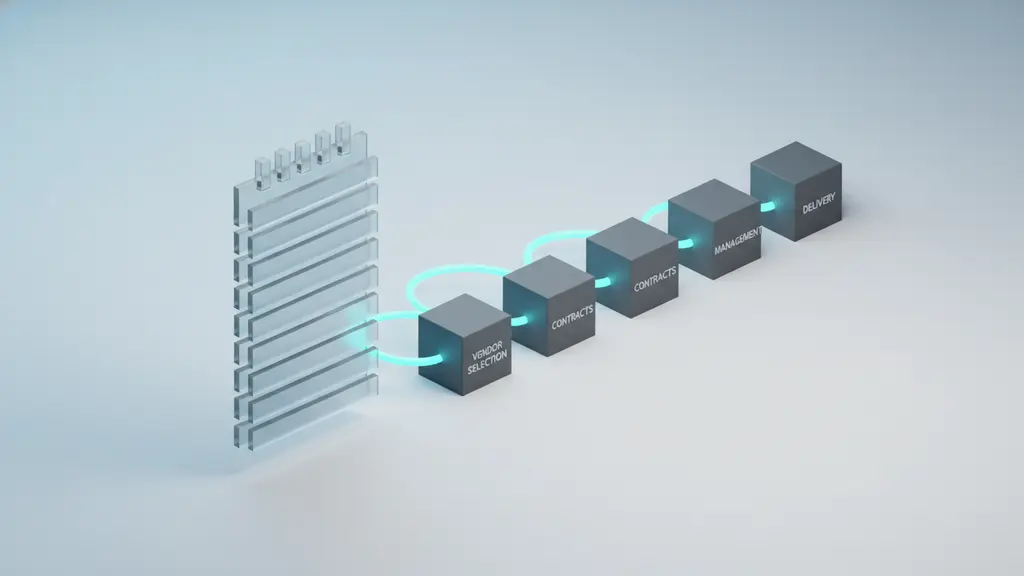
A proven outsourcing process in 2026 minimizes mistakes, streamlines selection, and increases project ROI.
How to Outsource Software Development in 2026: 10 Steps
- Define Project Scope, Goals, and Success Metrics
Detail your requirements, including automation and AI expectations. Set measurable KPIs for delivery and quality. - Decide on the Outsourcing Model and Preferred Regions
Select onshore, nearshore, offshore, or hybrid. Factor in costs, collaboration, and compliance (see section above). - Prepare Requirements: RFI/RFP Templates
Draft a Request for Information (RFI) or Request for Proposal (RFP). Clarify deliverables, timelines, team structure, and security needs. - Shortlist and Evaluate Vendors
Check technical expertise, industry alignment, certifications, and E-E-A-T (Experience, Expertise, Authoritativeness, Trustworthiness) ratings. Be wary of automated testimonials. - Conduct Due Diligence
Speak with references, review case studies, and assess compliance posture. Use self-assessment or scoring tools. - Negotiate Engagement Model & Contract Structure
Decide on Fixed Price, Time & Materials, or Dedicated Team contracts. Set payment terms, milestones, and change management processes. - Sign Contracts: NDA, IP/Data Security, Legal Compliance
Use up-to-date templates for 2026, with clear terms on ownership, data handling, and termination. - Set Up Project Management & Communication Protocols
Choose leading collaboration and monitoring tools. Define async vs. real-time touchpoints and reporting cadence. - Monitor, Report, and Adapt
Track performance against KPIs using dashboards. Build in iterative feedback loops for changes and improvements. - Ensure Post-Launch Support & Continuous Improvement
Secure agreements for ongoing maintenance, updates, and quality assurance.
Where Are the Best Countries to Outsource Software Development in 2026?
Selecting the right country to outsource software development in 2026 depends on priorities: cost, skill availability, regulatory environment, and cultural fit.
Top Outsourcing Regions in 2026
- Central/Eastern Europe (Poland, Ukraine, Romania):
Strong technical education, high English fluency, EU-compatible data practices. - Asia (India, Vietnam, Philippines):
Large talent pools and competitive costs; India remains a leader in complex, scalable projects. - Latin America (Mexico, Brazil, Argentina):
Nearshoring appeal for US/EU clients, decent overlap in working hours.
Hourly Rate Comparison by Region (2026 Projected)
| Region | Hourly Rate ($ USD) | Strengths | Key Considerations |
|---|---|---|---|
| Eastern Europe | $35–$70 | Quality, strong tech stack, EU-aligned | Slightly higher rates, but high compliance |
| India | $25–$50 | Scale, AI/automation expertise | Vet for quality & security |
| Latin America | $40–$80 | Time zone fit for US/EU, agile process | Limited high-end niche talent |
| Southeast Asia | $25–$45 | Cost, growing dev base | Varying language skills |
| Western Europe/US | $90+ | Max quality/control, compliance | High cost |
Factors Influencing Price
- Team experience and seniority
- Project size and complexity
- Required technologies (AI/ML, blockchain, web/mobile stacks)
- Security/compliance demands
- Post-launch support needs
Country-Specific Insights
- Poland: Top choice for enterprise projects—high engineering standards, robust data laws.
- India: Leading in scale and AI, but requires diligent vendor vetting for quality.
- Ukraine: Emerging strong post-2025, dynamic talent pool, EU alignment.
- Brazil/Argentina: Prime for US nearshore; consider local legal frameworks.
How Do You Select the Right Outsourcing Vendor in 2026?
Vetting the right outsourcing provider in 2026 is a rigorous process—global vendor pools are larger, and risks of subpar or fraudulent partners are higher.
Outsourcing Vendor Selection Checklist
- Aligned technical skills and industry experience
- Proof of compliance (security, data protection, labor)
- Strong references; access to recent case studies
- Certifications (ISO, SOC2, GDPR/CCPA alignment)
- Transparent, responsive communication
- Infrastructure and tool maturity (AI, DevOps, cloud)
Watch out for:
- AI-generated or suspiciously generic testimonials
- Poor documentation or opaque contract terms
- Reluctance to provide compliance/certification proof
Questions to Ask Vendors (2026-Focused)
- How do you integrate AI/automation into delivery?
- What security and compliance protocols do you follow for cross-border projects?
- Can you provide recent references for similar work?
- How do you handle post-launch support and iterations?
- What are your escalation and conflict resolution practices?
Scoring & Shortlisting Vendors
- Assign numerical scores to each evaluation criterion.
- Build a shortlist of 2–4 top vendors.
- Run interviews or technical workshops before final selection.
What Legal, Contract, and Data Security Issues Matter Most in 2026?
2026 brings new legal and data security challenges to outsourcing, from AI-generated IP to evolving data residency laws across regions.
Essential Contracts and Documents
- Master Service Agreement (MSA): Outlines the long-term business relationship.
- Non-Disclosure Agreement (NDA): Protects sensitive information; use updated software project NDA templates.
- Statement of Work (SOW): Defines specific deliverables, timelines, and acceptance criteria.
- Data Processing/Protection Agreement (DPA): Essential for projects involving personal or sensitive data.
New and Evolving Issues in 2026
- AI/Automation Law: Clarity on code/product ownership when AI contributes to delivery.
- Data Residency: Jurisdictions now require clear data storage and access provisions (e.g., EU, California, India).
- Expanded IP Protections: Explicit contract clauses on software, models, and algorithms.
Navigating Contracts Across Regions
- Know which country’s laws govern the contract.
- Seek legal counsel to review and localize agreements.
- Require cyber insurance and audit rights for high-value projects.
“Legal Essentials Before You Sign” Checklist
- Up-to-date NDA, MSA, SOW, DPA covering 2026 standards
- Explicit IP and data ownership language
- Vendor compliance certification (ISO, GDPR, CCPA, etc.)
- Security policy and incident response plan inclusion
- Dispute, termination, and jurisdiction clauses
How to Manage Outsourced Development Teams for Success in 2026
Effective management of outsourced teams in 2026 relies on modern communication, clear KPIs, and continuous improvement—especially with distributed and hybrid teams.
Best Practices for Managing Remote Dev Teams
- Communication:
Use a blend of asynchronous (e.g., project dashboards, recorded demos) and real-time (video stand-ups, Slack/Teams channels) approaches. - Expectations & KPIs:
Set clear deliverables, code quality benchmarks, sprint goals, and feedback loops. - Mitigating Time Zone/Culture Gaps:
Schedule overlapping hours, regular retros, and socialize shared values. - Iterative Feedback:
Adopt agile frameworks—short sprints, fast reviews, frequent pivots. - Conflict & Escalation:
Define escalation paths and resolution policies in advance. - Ensuring Quality:
Use automated testing, code reviews, regular security checks, and third-party audits. - Post-Launch:
Secure ongoing support and maintenance terms; conduct quarterly reviews to foster partnership rather than one-off transactions.
What Are the Latest Trends and Future Predictions for Software Outsourcing in 2026?
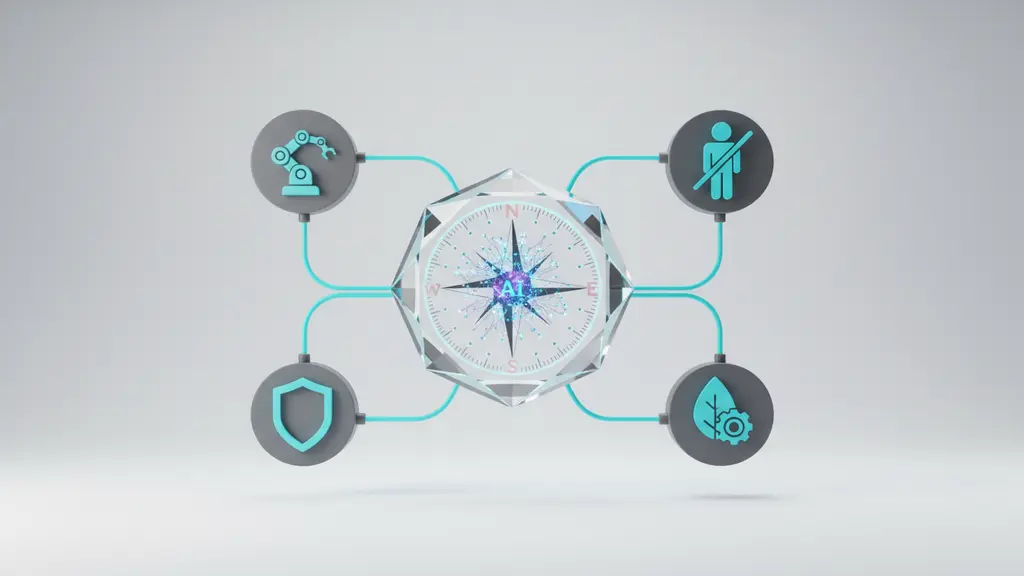
In 2026, software outsourcing will be shaped by automation, evolving talent markets, and new compliance standards—reshaping how companies buy, build, and deliver tech solutions globally.
Key Trends and Predictions
- AI & Automation:
AI tools now automate up to 30–40% of code generation, testing, and project management activities, transforming how outsourcing teams operate. - Talent Shortage & Gig-ification:
Scarcity of advanced engineers persists—expect even more project-based/freelancer platforms and creative vendor partnerships. - Rise of Managed/Hybrid Services:
Managed service providers bundle AI, dev, support, and security, reducing vendor count and project complexity. - Regulatory Change:
Stringent cross-border laws on data, worker classification, and AI-generated IP mean legal expertise is now core to vendor selection. - Sustainability & ESG:
ESG (environmental, social, governance) credentials become decision criteria, especially for enterprise buyers. - Pricing & Speed-to-Market:
Automation drives down time-to-market and, in some cases, hourly rates, but high-skilled labor commands a premium.
How to Adapt: Future-Proofing Checklist
- Build outsourcing strategies that flex for new tech and legal environments.
- Choose vendors with demonstrated expertise in AI, security, and compliance.
- Prioritize agile contracts with options for scaling, pivoting, or terminating easily.
- Stay current on regional data and labor laws.
- Use regular vendor reviews to evaluate for continued alignment with your goals.
2026 Software Development Outsourcing Models, Costs, & Key Considerations
| Model | Regions Suited | Cost Range (USD/hr) | Risk Level | Best Use-Cases | 2026 Trend Impact |
|---|---|---|---|---|---|
| Onshore | US, Western Europe | $90+ | Low | Regulated/mission-critical builds | Safe but high cost |
| Nearshore | LATAM, CEE | $40–$80 | Medium | Collaboration-heavy, shared timezone | Rising due to remote work |
| Offshore | Asia, CEE | $25–$70 | Medium-High | High-volume, cost-sensitive, global access | AI makes eval critical |
| Hybrid | Global | $35–$100 | Medium | Flexible, scalable, diverse skill needs | Blending, resilient teams |
| Staff Augmentation | Global | $45–$90 | Variable | Fill skill gaps, up/down scaling | Talent shortages persist |
FAQ: Your Top Software Development Outsourcing Questions for 2026
What are the steps to outsource software development in 2026?
Begin by defining your project scope and goals, choosing an outsourcing model and region, preparing RFP/RFI materials, shortlisting and vetting vendors, conducting due diligence, negotiating and signing contracts, setting up project management frameworks, monitoring progress, and ensuring post-launch support.
How much does it cost to outsource software development in different countries in 2026?
Projected hourly rates in 2026 vary: Eastern Europe ($35–$70), India ($25–$50), Latin America ($40–$80), US/Western Europe ($90+). Actual costs depend on team seniority, technology, and support needs.
What is the difference between onshore, nearshore, and offshore outsourcing?
Onshore means hiring within your country (highest alignment, highest cost). Nearshore is outsourcing to adjacent countries or regions (balance of collaboration and savings). Offshore reaches further abroad for the greatest cost efficiency, with potential challenges in time zone and culture.
How do I protect my intellectual property when outsourcing software development?
Use updated 2026 NDA templates, strong IP clauses in contracts, and ensure the vendor’s jurisdiction and data laws support enforceability. Review their data security policies and certifications.
What are the most common contract models for outsourcing in 2026?
Fixed Price (defined output and cost), Time & Materials (flexible scope and billing), and Dedicated Team (long-term, managed squads). Each suits different projects and levels of control.
How do I evaluate and select a reliable outsourcing partner?
Check experience, references, certifications, transparency on security/compliance, and responsiveness. Beware of generic testimonials or reluctance to share documents. Use a scoring framework to objectively compare vendors.
What are the latest trends and predictions for software outsourcing in 2026?
AI-driven automation, talent shortages, demand for managed hybrid services, stricter regulatory compliance, and emphasis on sustainability are reshaping global outsourcing.
How do I manage communication and performance with outsourced teams?
Establish a mix of async and real-time communication, set clear KPIs, schedule regular reviews, and use leading management tools. Address time zone/culture gaps with overlapping work hours and mutual understanding.
What risks are involved in outsourcing software development?
Major risks include data security issues, regulatory non-compliance, quality lapses, and cultural misalignment. Used properly, strong contracts, vendor diligence, and ongoing oversight can mitigate these.
Should startups outsource software development or build in-house?
Startups often benefit from outsourcing to access expertise and speed, but must safeguard IP and ensure vendor commitment. In-house may suit core product work or where control is vital.
Conclusion
Outsourcing software development in 2026 is both an art and a science—requiring clear goals, disciplined process, and future-focused partner selection. By understanding new models, regional shifts, contract strategies, and management practices, you can de-risk your projects and unlock global expertise.
Key Takeaways
- 2026 outsourcing is shaped by automation, remote work, strict data laws, and a competitive global talent market.
- Choose your model—onshore, nearshore, offshore, or hybrid—based on your project’s needs, risk, and compliance demands.
- Meticulous vendor selection, robust legal frameworks, and smart team management are the foundation of successful outcomes.
- Regularly update strategies and contracts to reflect evolving technologies and regulations.
- Use actionable templates and checklists to streamline decision-making and execution.
This page was last edited on 4 February 2026, at 3:23 pm
Contact Us Now

Contact Us Now
Start a conversation with our team to solve complex challenges and move forward with confidence.


