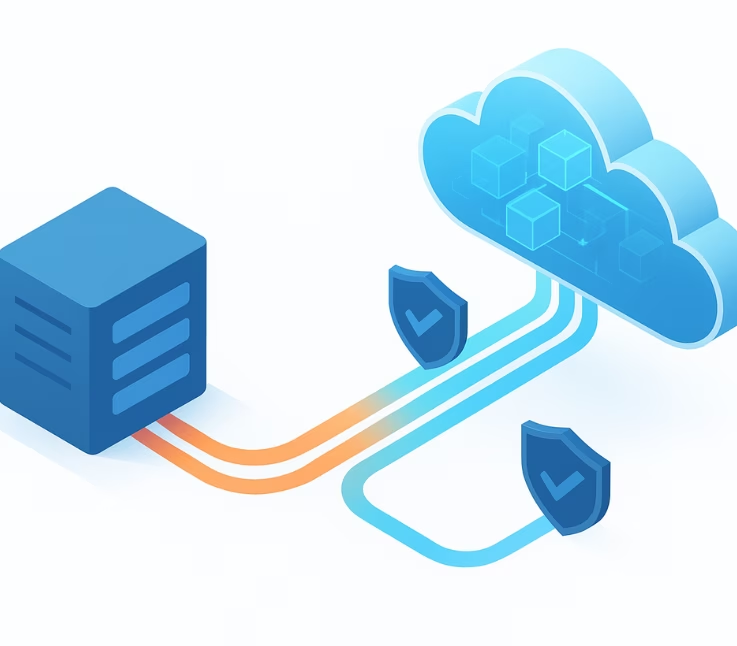
Cloud data migration is no longer a simple IT upgrade—it’s a critical business imperative in 2026. As organizations accelerate digital transformation, the volume, complexity, and compliance obligations tied to data migrations have reached unprecedented levels.
Without a clear cloud data migration strategy, companies risk data loss, costly downtime, compliance failures, and significant business disruption. This guide equips you with an end-to-end, practical framework packed with best practices, tool selection criteria, compliance essentials, and actionable checklists.
Whether you’re a CTO, IT Director, or business decision-maker, following this proven strategy ensures secure, efficient, and successful cloud data migration—regardless of provider, data type, or industry.
What Is a Cloud Data Migration Strategy?
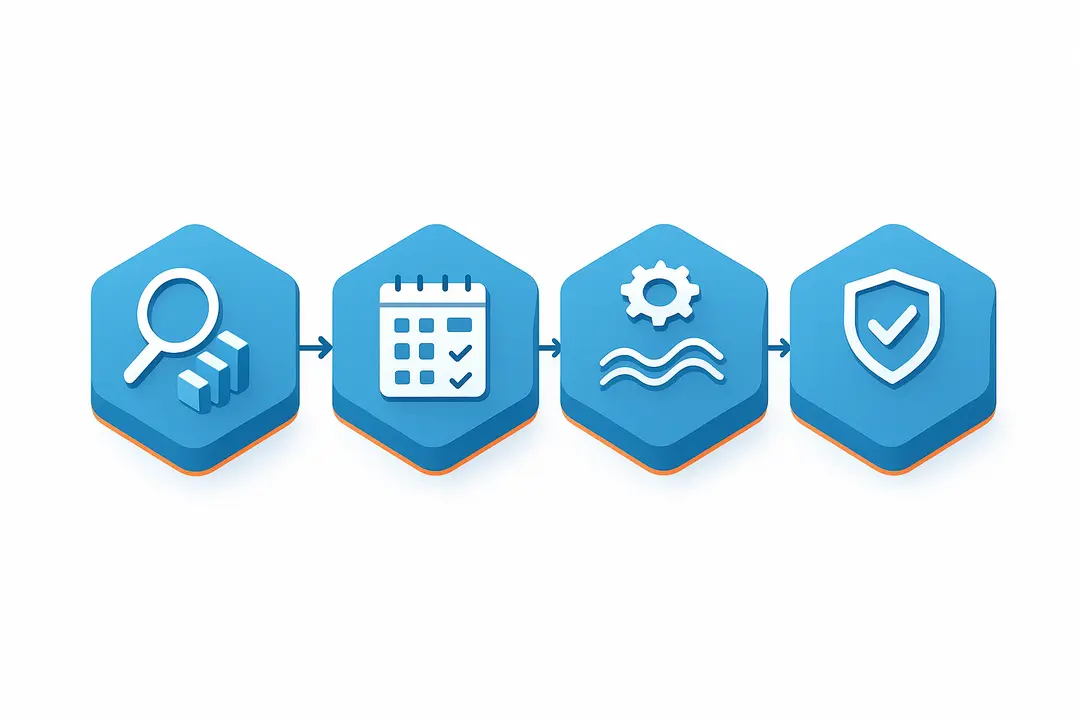
A cloud data migration strategy is a structured, step-by-step plan that guides the secure transfer of data from on-premises or legacy environments to cloud platforms.
Key components include:
- Assessment: Catalog all data sources, applications, and dependencies.
- Planning: Define migration objectives, map out workflow, and prioritize data.
- Execution: Use dedicated tools and waves/phases for data movement.
- Validation: Test and ensure data integrity post-migration.
Stakeholders often include IT leads, security teams, compliance officers, and business owners. Migrating is not just about moving files; it’s about transforming operational capabilities, unlocking new business value, and ensuring resilience.
Analogy: Think of cloud data migration like relocating a corporate headquarters—you don’t just move the furniture; you assess the needs, plan logistics, secure valuables, and ensure business runs smoothly during the transition.
Why Migrate Data to the Cloud?
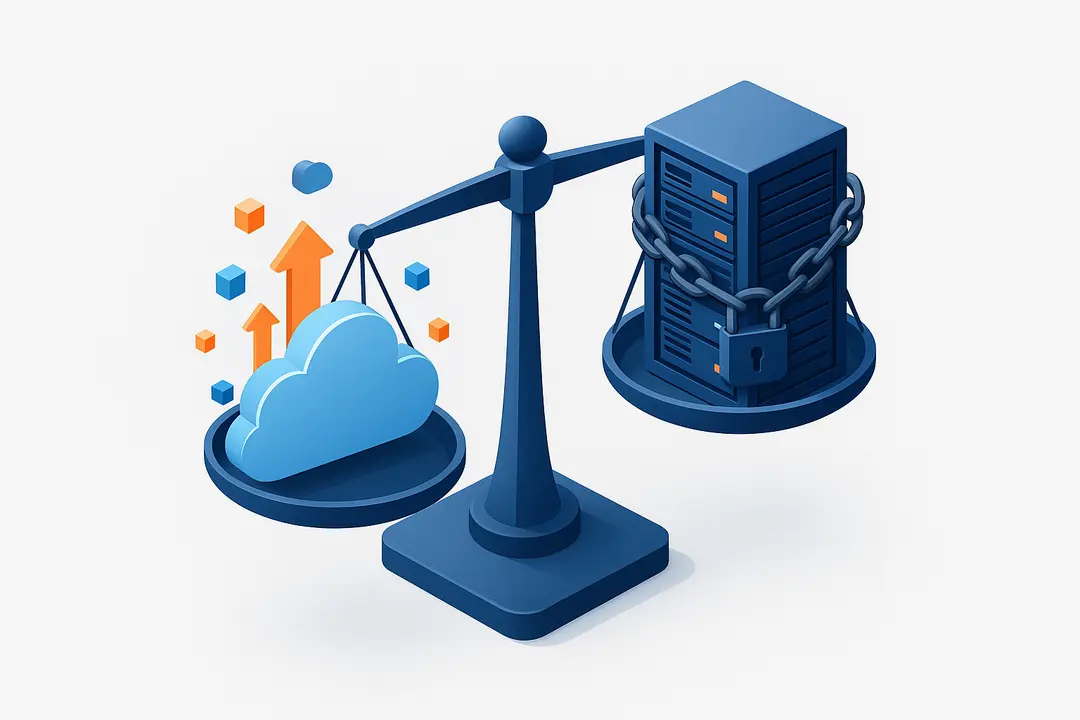
Migrating data to the cloud offers businesses greater scalability, flexibility, and ongoing cost savings compared to maintaining on-premises infrastructure.
Core benefits include:
- Scalability and Agility: Rapidly adjust resources to match business growth or new projects.
- Cost Efficiency: Shift from capital expenses (CapEx) to operational expenses (OpEx), paying only for what you use.
- Enhanced Disaster Recovery: Improved data backup, redundancy, and faster business continuity.
- Modernization & Innovation: Access to cutting-edge cloud services (AI/ML, analytics, DevOps tools).
Balanced Trade-offs:
Potential risks include data egress fees, temporary performance dips, or compliance adjustments—especially for regulated industries like healthcare (HIPAA) or finance (PCI DSS).
| Migration Benefit | Cloud Migration | On-Premises Equivalent |
|---|---|---|
| Resource Scalability | Instant, on-demand | Long procurement cycles |
| Operating Cost | Usage-based (OpEx) | Maintenance-heavy (CapEx) |
| Resilience | Automated multi-region backup | Manual or complex setups |
| Innovation Pace | Immediate access to new tools | Slower, manual upgrades |
What Are the Core Challenges and Risks of Cloud Data Migration?
- Data Loss or Corruption: Incorrectly mapped or migrated data can lead to critical loss or inaccuracies.
- Downtime & Disruption: Extended outages disrupt business operations and customer experiences.
- Security & Compliance Failures: Unsecured transfers risk breaches; incomplete compliance invites audits and fines.
- Skills Gaps & Resistance: Teams unprepared for new tools or processes may slow adoption.
- Integration Failures: Existing applications may not interface seamlessly with cloud data sources.
- Hidden Costs: Unexpected egress charges, tool licensing, or prolonged migration inflates total cost of ownership.
Short Table: Common Challenges in Cloud Data Migration
| Challenge | Impact | Example |
|---|---|---|
| Data Integrity Issues | Inaccurate/Incomplete information | Lost transactions |
| Downtime | Productivity, revenue loss | System outages |
| Compliance | Fines, legal exposure | GDPR violations |
| Cost Overruns | Budget blowouts | Tool overuse |
What Are the Essential Steps in a Cloud Data Migration Strategy?
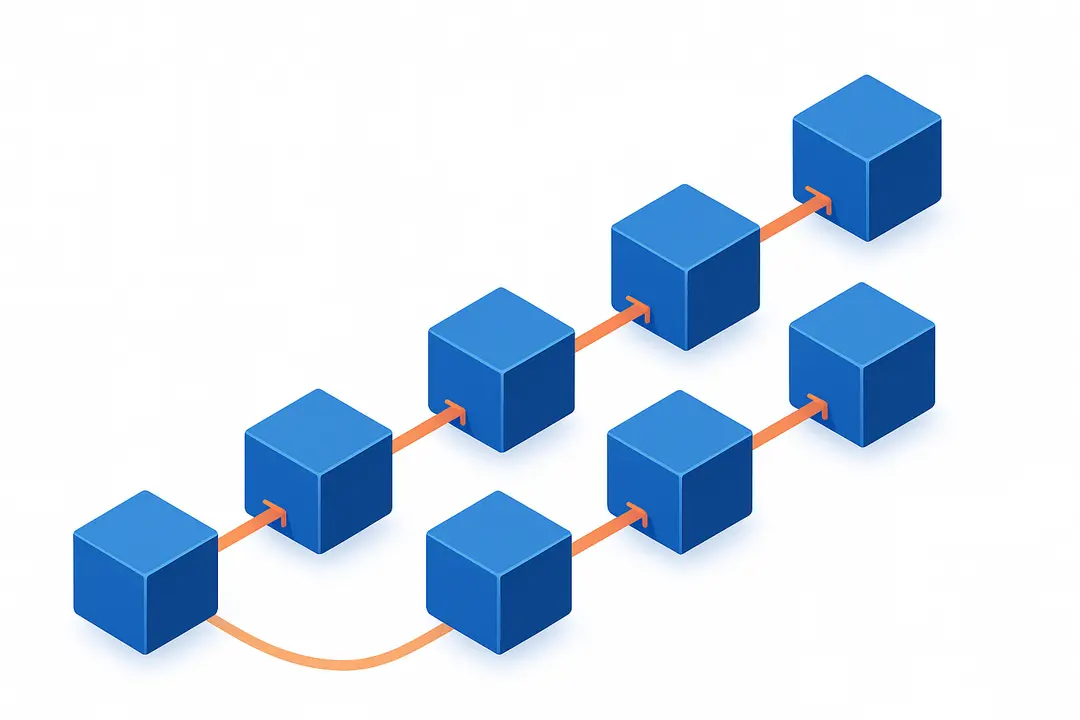
A comprehensive cloud data migration strategy follows these seven essential steps:
- Data and Infrastructure Assessment: Inventory data, applications, and dependencies.
- Migration Planning & Goal Setting: Set objectives, priorities, and a realistic roadmap.
- Provider and Tool Selection: Evaluate cloud platforms and migration tools that fit your case.
- Security & Compliance Preparation: Assess risk, ensure encryption, and define necessary controls.
- Migration Execution: Use wave planning and cutover strategies to transfer data with minimal business disruption.
- Testing & Validation: Validate data integrity, functionality, and performance.
- Post-Migration Optimization: Tune for costs, performance, and ongoing security.
How to Assess and Plan for Cloud Data Migration Success
Starting with a detailed assessment and plan sets the foundation for migration success.
- Inventory all data sources: Catalog databases, file stores, analytics sources, and dependencies between applications.
- Define clear objectives: Align business goals (e.g., cost reduction, agility) with technical requirements.
- Tier and prioritize data: Decide what to migrate first based on criticality, compliance needs, and ROI.
- Assess migration readiness: Evaluate internal skills, available resources, and any environmental constraints.
Pro Tip:
Use sample templates or data inventory tools to map dependencies early—overlooked datasets can derail migrations later.
How to Choose the Right Cloud Providers and Migration Tools
Carefully selecting a provider and toolset is crucial for a seamless migration.
Cloud Provider Comparison:
Consider AWS, Azure, Google Cloud, and other leading options. Assess reliability, regional coverage, service portfolio, and support.
Migration Tools:
Types include native tools (AWS DataSync, Azure Migrate), third-party platforms (CloudEndure, Device42), and open source solutions.
Selection Factors:
- Data volume and type (structured vs. unstructured)
- Integration needs (are applications SaaS, legacy, etc.?)
- Compliance requirements
- Total cost
- Support and automation features
| Provider/Tool | Data Volume Suitability | Cost | Compliance Features | Integration Quality | Support |
|---|---|---|---|---|---|
| AWS DataSync | High | $$ | Strong (SOC, HIPAA) | Deep AWS, moderate | 24/7 |
| Azure Migrate | Med-High | $$ | Good (GDPR, ISO) | Azure, VMware | 24/7 |
| CloudEndure | High | $$$ | Modest | Multicloud | Business |
| Device42 | Variable | $$ | Custom mappings | Enterprise apps | Business |
How to Build Security and Compliance into Your Cloud Migration Plan
Security and compliance must be baked into every phase of your migration.
- Encryption: Always encrypt data in transit and at rest using industry-standard protocols.
- Identity and Access Controls (IAM): Implement the principle of least privilege for cloud access. Utilize multi-factor authentication and audit logs.
- Compliance Mapping: Cross-check your data flows with regulatory mandates like GDPR (for EU data), HIPAA (for U.S. healthcare), or PCI DSS (for payment data).
- Audit Strategy: Establish clear tracking and validation mechanisms before, during, and after migration.
- Governance: Define data ownership, update policies, and maintain continuous compliance monitoring.
Security Checklist:
- Data encrypted in transit and at rest
- Role-based access controls in place
- Regulatory requirements mapped and satisfied
- Audit logs configured and reviewed
- Data governance roles assigned
How to Execute Cloud Data Migration: Phased Approach, Wave Planning, and Minimizing Downtime
A phased, well-orchestrated migration approach reduces disruption and risk.
- Wave Planning: Break the migration into manageable sprints or ‘waves’—starting with less critical data, then progressively moving core workloads.
- Cutover Strategies:
– Warm Cutover: Operate both environments in parallel before final switchover.
– Cold Cutover: Shut down on-prem before activating cloud (faster, but more risk).
– Parallel Run: Run both sources live and synchronize until verification is complete. - Rollback/Contingency: Prepare rollback plans in case of unexpected failures.
- Real-time vs. Batch Migration: Select based on data update frequency and required downtime. Real-time is ideal for minimal disruption but can be more complex.
How to Test and Validate Data Integrity Post-Migration
Validation is essential to ensure a successful outcome and avoid post-migration surprises.
- Validation Types:
– Checksums: Confirm data integrity at file/block level.
– Audit Trails: Review logs for completeness.
– User Acceptance Testing (UAT): Ensure applications and reports work as expected. - Automate Testing: Use migration tools with built-in validation workflows (e.g., compare row counts, hash values).
- Troubleshooting: Identify, report, and quickly remediate mismatches.
- Final Go-Live Checklist: Only sign off after passing all data, application, and performance tests.
Validation Checklist:
- Checksum/hash comparison completed
- Application functionality verified
- Performance benchmarks met
- Users signed off on UAT
- All discrepancies resolved
Post-Migration Optimization: Managing Costs, Performance, and Security
Your job doesn’t end at cutover. Post-migration, proactive management delivers ongoing value.
- Cost Monitoring: Use cloud TCO calculators and provider dashboards to track/storage compute costs. Tools such as AWS Cost Explorer or Azure Cost Management can help.
- Performance Tuning: Continuously monitor and optimize workloads for speed and efficiency—adjust resources as demand and usage patterns shift.
- Ongoing Security Audits: Schedule periodic reviews of access controls, encryption standards, and regulatory changes.
- Governance Updates: Adapt data governance frameworks to reflect new cloud realities. Assign clear ownership for data stewardship.
- Hybrid/Multicloud: Implement policies for environments spanning multiple clouds or on-premises resources.
What Are the Best Practices for Secure, Scalable Cloud Data Migration?
- Start with a robust migration assessment: Map all data, dependencies, and compliance needs upfront.
- Favor automation: Use migration tools to reduce manual steps, errors, and time.
- Encrypt everything: Secure data both in motion and at rest.
- Multi-phase testing and rollback plans: Iterative testing with rollback options ensures safety at each stage.
- Document rigorously: Maintain up-to-date records for all migration activities and decisions.
- Engage stakeholders throughout: Keep business and technical leaders informed and aligned.
- Leverage vendor/expert support: Don’t hesitate to bring in migration partners when in-house capacity is stretched.
Common Pitfalls in Cloud Data Migration—and How to Avoid Them
| Pitfall | How to Prevent |
|---|---|
| Underestimating complexity | Conduct thorough upfront assessment and roadmapping |
| Poor data mapping/validation | Use automated validation, double-check critical datasets |
| Inadequate stakeholder alignment | Hold regular cross-team briefings and workshops |
| Compliance blind spots | Involve compliance officers early, document controls |
| Untracked cloud costs | Set up real-time cost monitoring and alerts |
Tip: Early investment in planning and cross-functional communications pays off in reduced delays and surprises.
What Compliance and Governance Requirements Must You Consider?
Cloud migrations require adherence to strict compliance and governance frameworks.
Major frameworks to consider:
- GDPR: Data protection for EU citizen data
- HIPAA: Safeguards for healthcare data (U.S.)
- PCI DSS: Payment industry security standards
- ISO/IEC 27001: International information security management
Action Steps:
- Recognize and document data residency/location needs.
- Integrate compliance requirements into migration tools and workflow.
- Set up ongoing monitoring/audit mechanisms for continuous compliance.
- Assign clear data ownership and stewardship roles.
How to Choose the Best Tools and Providers for Your Cloud Data Migration
Evaluating tools and providers ensures you find the right fit for your business and technical needs.
Selection Criteria:
- Volume and complexity of data being migrated
- Existing tech stack and integrations
- Compliance needs
- Licensing and cost structures
- Support and training
| Provider/Tool | Standout Feature | Typical Cost | Support Level | Compliance Coverage |
|---|---|---|---|---|
| AWS DataSync | Fast batch migration | $$$ | 24/7 | HIPAA, SOC, ISO |
| Azure Data Box | Physical-to-cloud | $$ | Azure support | GDPR, ISO, HIPAA |
| Google Transfer | GCP file streaming | $$ | GCP Support | GDPR, PCI |
| Device42 | Detailed dependency mapping | $$ | Business | Customizable |
| CloudEndure | Near-zero downtime | $$$ | Premium | Multicloud, E2E |
RFP Checklist:
- Security/compliance certifications
- Scalability and future-proofing
- Training and knowledge base depth
When requirements exceed internal expertise, consider experienced migration partners to accelerate success.
How to Control and Optimize Cloud Data Migration Costs
Managing migration costs is crucial to achieving lasting ROI.
- Typical cost drivers:
– Data transfer/egress fees
– Migration tool licensing
– Staff time and consulting services
– Potential downtime and lost productivity - Plan for hidden costs: Include unexpected delays, compliance remediation, and testing overhead.
- Use TCO calculators: Assess all expenses, including post-migration optimization.
- Right-size resources: Only provision the compute/storage required by real workloads.
Sample Cost Calculation Table
| Cost Element | Estimate/Unit | Total |
|---|---|---|
| Tool License | $ per TB | $ |
| Data Egress | $ per GB | $ |
| Staff/Consultants | $ per hour | $ |
| Downtime (Lost Rev) | $ per hour | $ |
| Testing/Remediation | $ lump sum | $ |
Post-migration optimization: Regularly analyze cloud usage to remove orphaned resources and adjust instance sizes.
Cloud Data Migration Checklist: Your Step-by-Step Action Plan
Stay on track with this condensed, printable cloud migration checklist.
Pre-Migration
- Inventory all data, applications, and dependencies
- Define migration goals and key performance indicators
- Map out compliance and data governance requirements
Planning & Preparation
- Select migration approach and tools
- Build phased migration/wave plan
- Establish rollback and contingency measures
Security & Compliance
- Apply encryption (in transit/at rest)
- Define and assign IAM roles
- Document compliance mappings
Execution
- Conduct pilot migration run
- Monitor for errors or data loss
- Validate data integrity after each wave
Testing & Validation
- Complete checksums and UAT
- Troubleshoot discrepancies
- Obtain final user sign-off
Post-Migration
- Monitor cloud costs and performance
- Update governance and security controls
- Document lessons learned
Frequently Asked Questions about Cloud Data Migration Strategy
What is a cloud data migration strategy?
A cloud data migration strategy is a structured roadmap guiding organizations through moving data from on-premises to cloud platforms, ensuring security, integrity, and efficiency at every stage.
What are the key steps in cloud data migration?
The core steps include assessment, planning, provider/tool selection, security preparation, migration execution, testing/validation, and post-migration optimization.
How do you ensure data security during migration to the cloud?
Encrypt data in transit and at rest, implement identity and access controls, conduct regular audits, and map your processes to industry standards such as GDPR or HIPAA.
What are the best practices for cloud data migration?
Best practices include comprehensive assessment, automation of workflows, rigorous documentation, multi-stage validation, and continual stakeholder engagement throughout the process.
How can downtime be minimized?
Use phased migration (wave planning), parallel run/cutover methods, and test thoroughly before full switchover to ensure business continuity.
How do I validate data after migration?
Leverage checksum comparisons, logs, application testing, and user acceptance processes to ensure data completeness and integrity.
What compliance requirements apply to my industry?
Requirements depend on data type/location and may include GDPR, HIPAA, PCI DSS, and ISO/IEC 27001 certifications; review these early and build controls into your migration workflow.
How do I choose the best migration tools and providers?
Compare providers based on data fit, support, security features, integration capabilities, and total cost; see the tools comparison table above for a starting point.
What costs are involved in migration?
Common costs include data egress, tool licensing, staff/consulting time, and potential downtime—as well as ongoing cloud resource expenses post-migration.
What should be on my migration checklist?
A migration checklist should cover pre-migration assessment, planning, tool selection, security and compliance steps, pilot/testing, and post-migration optimization.
Conclusion
A robust cloud data migration strategy is essential for modern organizations aiming to unlock new levels of scalability, cost efficiency, and business agility. By following the proven framework outlined here, you can avoid common pitfalls and achieve a secure, compliant, and value-driven migration.
Top 3 takeaways:
- Strategic assessment and planning drive migration success.
- Security and compliance require continual, active management.
- Ongoing optimization ensures lasting ROI from your cloud move.
Ready to put this strategy into action? Download the comprehensive migration checklist or contact our expert team to accelerate your cloud data migration journey.
This page was last edited on 3 April 2026, at 4:41 pm

Start a conversation with our team to solve complex challenges and move forward with confidence.