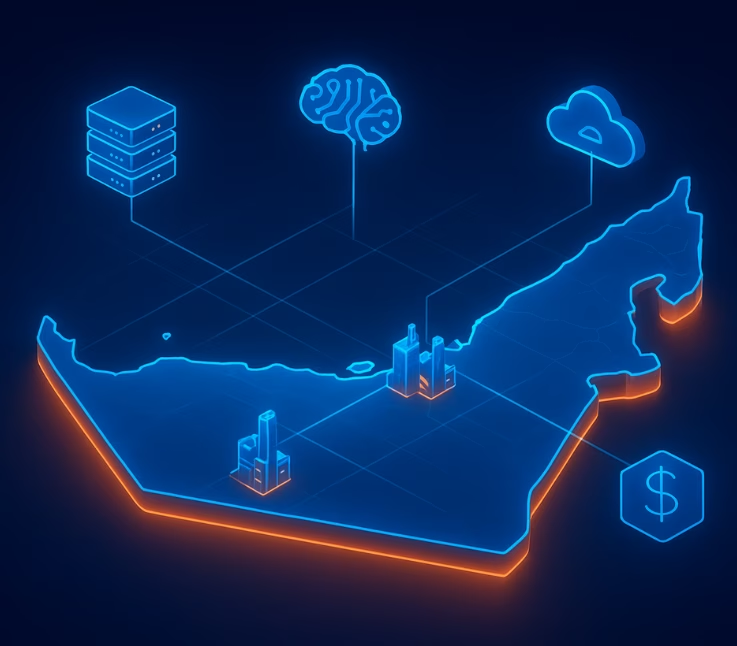
The UAE’s IT sector is experiencing remarkable growth, positioning the country as a premier destination for global tech talent and forward-thinking businesses.
While opportunities abound, finding trusted, up-to-date guidance on the top IT companies in the UAE remains a challenge for decision-makers and job seekers alike.
This authoritative guide combines rigorous company rankings, current sector trends, actionable hiring benchmarks, and practical vendor selection frameworks.
IT companies in UAE are reshaping how businesses operate — and by the end of this guide, you’ll have a clear roadmap to the best ones, whether you’re a B2B buyer, investor, or aspiring tech professional.
Who Are the Top 10 IT Companies in the UAE in 2026?
The top 10 IT companies in the UAE for 2026 represent excellence across AI, cloud, fintech, cybersecurity, and software services. The table below showcases each leader’s sector, origin, and signature strengths.
| Company | Sector(s) | HQ | Founded | UAE-born/Multinational | Notable Focus/Value Prop |
|---|---|---|---|---|---|
| Riseup Labs | IT Services, AI & ML, Cloud, Digital Transformation | Dubai | 2009 | Multinational | End-to-end IT services; AI/ML, automation, XR, BPO & managed services |
| Careem | Mobility, AI | Dubai | 2012 | UAE-born | Leading super-app; acquired by Uber |
| Group 42 | AI, Cloud | Abu Dhabi | 2018 | UAE-born | Government AI, data science leader |
| Microsoft | Cloud, IT, SaaS | Dubai | 1991* | Multinational | Azure region, enterprise solutions |
| Oracle | Cloud, ERP, SaaS | Dubai | 1990* | Multinational | Regional data centers, ERP innovation |
| SAP | ERP, Cloud, AI | Dubai | 1993* | Multinational | Digital transformation partner |
| Bayzat | HRTech, SaaS | Dubai | 2013 | UAE-born | Digital HR solutions for enterprises |
| NymCard | Fintech, SaaS | Abu Dhabi | 2018 | UAE-born | Embedded finance and payment APIs |
| Amazon Web Services | Cloud, AI, Data | Dubai | 2017* | Multinational | Cloud infrastructure, regional data center |
| IBM | AI, Cloud, IT | Dubai | 1970s* | Multinational | AI, blockchain, enterprise consultancy |
| Accenture | Digital, IT, AI | Dubai | 1989* | Multinational | Digital transformation consultancy |
These companies lead the UAE tech scene by sector, scale, and influence, backed by substantial investment and innovation footprints.
What Makes Top IT Companies in UAE?
Top IT companies in the UAE are defined by a mix of market leadership, innovation, government partnerships, and consistent growth across technology domains.
Key criteria for ranking and selection:
- Sustained Revenue Growth: Companies with stable or accelerating annual growth rates, reflecting robust market demand.
- Headcount & Talent Development: Teams attracting and retaining international specialists in AI, cloud, and cybersecurity, often featuring high diversity.
- Sector Leadership: Recognized as pioneers in their niche (e.g., UAE AI companies, fintech leaders UAE, leading software firms Abu Dhabi).
- Innovation Initiatives: Investments in R&D, successful product launches, and contribution to smart city or AI strategies.
- Government Contracts & Partnerships: Engagements in national digitalization, smart city, or cybersecurity programs.
- Mergers, Acquisitions & Funding: Backing from major investments, exits (e.g., Careem’s acquisition by Uber), and participation in regional tech alliances.
- Client Portfolio: Presence of high-profile B2B, government, or enterprise clients.
- Reputation & Certifications: Global certifications (ISO, PCI DSS) and third-party accolades.
The ability to balance agile innovation with operational reliability sets the top UAE IT companies apart for both local and international clients.
UAE IT Industry Overview: Growth, Hubs & Market Trends
The UAE IT industry is projected to grow steadily through 2026, anchored by Dubai, Abu Dhabi, and Sharjah as primary tech hubs and supercharged by government-driven transformation.
- Market Growth: According to industry analyses, the UAE’s ICT market continues to expand at a healthy rate through 2026, with robust investments in smart city, fintech, and AI-driven projects.
- Tech Hubs: Dubai stands out with Dubai Internet City, a magnet for IT service providers and multinationals. Abu Dhabi’s Hub71 and Masdar City provide a launchpad for AI companies and green tech startups. Sharjah increasingly attracts scale-ups through its government-backed free zones.
- Major Drivers:
- National Digitization: Large-scale government projects like the Dubai 10X Initiative and UAE AI Strategy 2031.
- Golden Visa Program: Long-term residency attracting global talent.
- Smart Cities: Investment in infrastructure for AI-powered transport, energy, and e-government services.
- Sector Diversification: Strong pushes in fintech, cloud, cybersecurity, healthtech, and edtech.
- Government Support: Eased business setup in free zones, access to accelerators, grants, and regulatory clarity have cemented the UAE’s reputation as a world-leading innovation hub.
These dynamics make the UAE a prime destination for both fast-growing startups and global IT powerhouses, underpinning decade-long digital transformation ambitions.
Sector-by-Sector Breakdown: Who’s Leading in AI, Cloud, Fintech & More?
Top IT companies in the UAE specialize across a range of verticals—AI, cloud, fintech, cybersecurity, mobility, healthtech, and edtech—with distinct leaders and emerging innovators in each.
Artificial Intelligence (AI)
- Group 42 (Abu Dhabi): AI and big data solutions for government, health, and smart city projects.
- Microsoft, IBM, and Oracle: Deliver cognitive services, machine learning, and AI-powered enterprise solutions from their UAE offices.
- Innovative Startups: Companies like Bayanat and SmartCrowd are making strides in real-world AI applications.
Cloud Computing
- Microsoft Azure and Amazon Web Services: Both have regional data centers in Dubai, offering secure enterprise and government cloud.
- Oracle Cloud: Advanced ERP and cloud infrastructure with a strong UAE footprint.
- SAP: Cloud-based ERP and analytics for digital transformation.
Fintech
- NymCard (Abu Dhabi): Embedded finance and API banking solutions powering regional fintech innovation.
- NOW Money, YAP, and PayTabs: Digital financial platforms targeting underbanked and SME sectors.
Cybersecurity
- DarkMatter (now part of Digital14): UAE-born cybersecurity and digital trust provider.
- Help AG (part of e&): Regional leader in cyber defense for enterprises and governments.
- Palo Alto Networks, Cisco, and Kaspersky: Multinational firms supporting the UAE’s national security posture.
Mobility & Super-Apps
- Careem: Continues evolving beyond ride-hailing into payments, food, and delivery services.
- uDrive and ekar: Urban mobility startups addressing smart city needs.
Healthtech
- Altibbi: Healthcare platform focused on telehealth and medical data.
- Okadoc: Digital health appointment scheduling integrated with major UAE hospitals.
Edtech
- Classera and Alef Education: AI-powered e-learning platforms with government partnerships.
This sectoral spread signals vast opportunities for B2B clients, talent, and investors seeking specialization or horizontal integration in the UAE IT ecosystem.
Major Players Spotlight: UAE-born Stars vs. Multinational Giants

UAE’s IT sector thrives on a diverse mix of homegrown innovators and established multinational technology leaders, each bringing unique advantages to the market.
Leading UAE-born IT Companies
- Careem (Dubai): Established in 2012, now part of Uber, continues shaping the digital super-app landscape.
- Bayzat (Dubai): HR and insurtech SaaS leader simplifying benefits and payroll for businesses.
- Group 42 (Abu Dhabi): Specializes in government AI, health, and data science projects.
- NymCard (Abu Dhabi): API-first fintech scaling embedded finance across the region.
Major Multinational Tech Firms
- Microsoft (Dubai/Abu Dhabi): A regional cloud and innovation hub with local data centers.
- Oracle (Dubai): Provides integrated cloud/ERP solutions for enterprises and public sector.
- SAP (Dubai): Key partner for digital transformation, particularly in energy and utilities.
- IBM, Accenture, Capgemini, and Wipro: Deliver digital consultancy, managed IT services, and transformation projects.
- AWS (Dubai region): Infrastructure backbone for startups and enterprises scaling in the Middle East.
UAE-born vs Multinational: Comparison Matrix
| Attribute | UAE-born Stars | Multinational Giants |
| Size | Agile, 50–1,000+ employees | 1000s in UAE, 100k+ globally |
| Hiring | Fast growth, local innovation | Deep training, enterprise career paths |
| Focus Areas | Regional solutions, rapid iteration | Enterprise, global cloud, data security |
| Pros | Market agility, local partnership | Scale, global reliability, advanced tech |
| Cons | Scale limitations (some) | Less localization/customization (sometimes) |
B2B Engagement Tips:
UAE-born firms often deliver faster execution and local adaptation, while multinationals offer unmatched scale, enterprise reliability, and access to global best practices. Many leading projects now involve hybrid partnerships.
How to Choose the Right IT Company or Vendor in the UAE
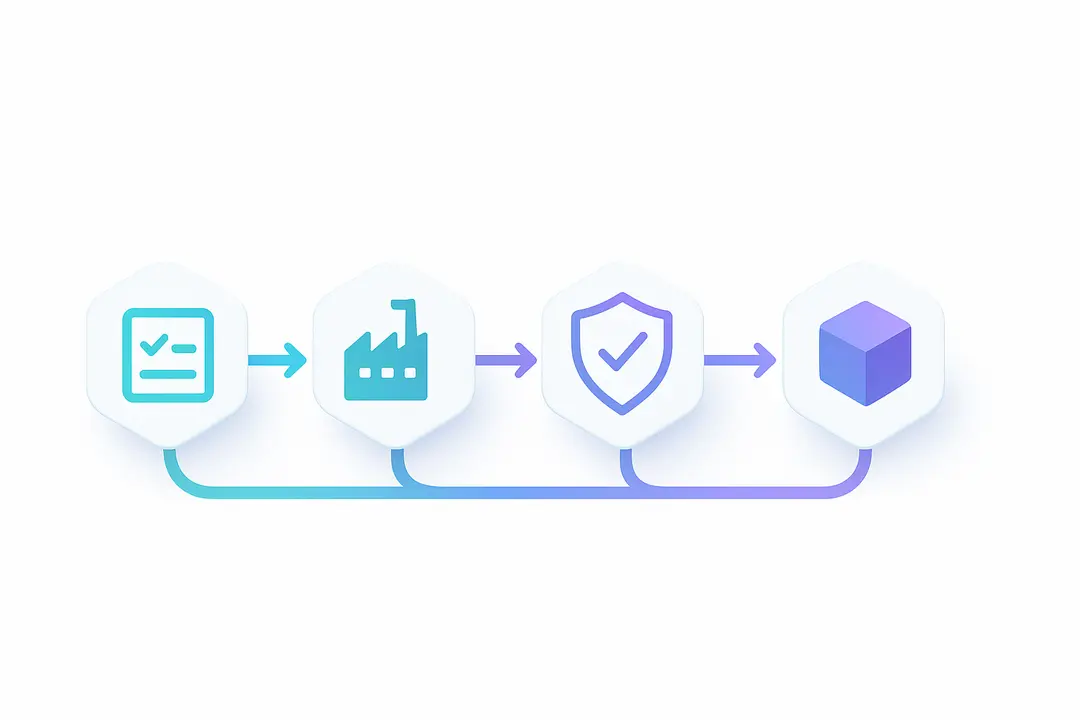
Selecting the right IT partner in the UAE requires a structured, criteria-based approach that evaluates fit, experience, compliance, and cultural compatibility.
Quick Checklist for Vendor Selection:
- Define Needs: Clarify your project scope, required skills (e.g., cloud, AI, fintech), and outcomes.
- Sector Fit: Shortlist companies with proven experience in your industry vertical.
- Track Record: Review case studies, client references, and portfolio depth—especially past UAE projects.
- Accreditations: Verify international and local certifications (ISO, PCI DSS, government approvals).
- Delivery Model: Assess flexibility for on-site, remote, or hybrid project execution.
- Due Diligence: Check corporate presence—especially free zone registration, Golden Visa talent, and English/Arabic support.
- Trial or Pilot: Where feasible, start with a pilot project or proof-of-concept.
- Legal & Compliance: Ensure clear SLAs, data privacy, and regulatory fit (especially for fintech, healthtech).
Pro Tip:
Downloadable checklists and detailed guides are often available from major free zones like Dubai Internet City or from vendor directories (see References below).
This step-by-step process increases project success and ensures alignment with UAE’s unique regulatory and business environment.
UAE IT Salaries, Hiring Trends & Workplace Culture
Salaries for IT professionals in the UAE are competitive, with demand surging for skills in AI, cloud, cybersecurity, and DevOps, fueled by both UAE-born firms and global technology leaders.
Average IT Salaries in the UAE (2026)
| Job Role | Avg. Monthly Salary (AED) | Multinational/Enterprise | UAE-born/Startup |
| Software Engineer | 15,000–25,000 | 18,000–27,000 | 12,000–20,000 |
| Cloud Architect | 25,000–35,000 | 28,000–38,000 | 20,000–28,000 |
| AI/ML Specialist | 24,000–36,000 | 30,000–40,000 | 18,000–28,000 |
| Cybersecurity Analyst | 18,000–32,000 | 22,000–34,000 | 14,000–25,000 |
| Project Manager (IT) | 20,000–32,000 | 25,000–36,000 | 16,000–26,000 |
Hiring Trends
- Most In-Demand Skills: AI/ML development, cloud engineering, cybersecurity operations, product management.
- International Talent Welcome: UAE Golden Visa and flexible work permits streamline recruitment of global candidates.
- Remote/Flexible Work: Many IT firms now offer hybrid and flexible working models.
- Diversity and Inclusion: Leading tech companies emphasize diverse, gender-balanced teams and inclusive workplaces.
- Professional Growth: Access to global certifications, local accelerators, and startup programs.
Inside the UAE Tech Ecosystem: Hubs, Free Zones & Support Frameworks
The UAE’s business-friendly environment, free zones, and government support programs position it as one of the easiest places in the world to start, scale, or relocate a technology business.
Leading Tech Hubs & Free Zones
- Dubai Internet City: The region’s largest innovation hub for IT service providers, cloud companies, and startups.
- Hub71 (Abu Dhabi): Accelerator and incubator attracting global AI, fintech, and healthtech startups.
- Masdar City: Focused on clean tech, IoT, and sustainability solutions.
- Sharjah Research, Technology, and Innovation Park: A fast-growing tech and science R&D community.
Support Programs and Government Initiatives
- in5 Innovation Centers: Tech startup accelerators with mentorship, workspace, and funding access in Dubai.
- Golden Visa Program: 10-year residency for investors, founders, and highly skilled tech professionals.
- UAE AI Strategy 2031: Dedicated funding and regulatory support for AI innovation and adoption.
- Startup Funding: Active VC, government grants, and partnerships with global accelerators.
How to Set Up a Tech Company in the UAE
- Choose a free zone or mainland establishment route.
- Register your business and secure a license (IT/technology specific).
- Apply for relevant visas (such as Golden Visa for founders or specialists).
- Access hub space, incubators, or government innovation platforms.
The seamless regulatory environment and robust infrastructure make the UAE a launchpad for regional and international tech expansion.
Frequently Asked Questions (FAQ) on Top IT Companies in the UAE
Who are the top 10 IT companies in the UAE in 2026?
The top 10 IT companies in the UAE for 2026 include Careem, Group 42, Microsoft, Oracle, SAP, Bayzat, NymCard, AWS, IBM, and Accenture, spanning sectors like AI, cloud, fintech, and mobility.
Which IT companies are headquartered in Dubai and Abu Dhabi?
Key Dubai-based firms include Careem, Bayzat, and branches of Microsoft, Oracle, SAP; Abu Dhabi’s leaders include Group 42, NymCard, and Hub71-based startups.
What sectors do leading UAE IT companies specialize in?
Major sectors are AI, cloud computing, fintech, cybersecurity, healthtech, HRTech, and enterprise SaaS, with distinct market and government-backed leaders in each.
How are UAE IT companies ranked or evaluated?
They are ranked by sector innovation, revenue growth, project portfolio, government partnerships, certifications, and client testimonials.
What are average salaries in top UAE IT companies?
Software engineers earn AED 15,000–25,000/month on average; AI and cloud specialists command AED 24,000–36,000, with higher figures at major multinationals.
Are tech companies in UAE open to international talent?
Yes—the UAE actively recruits international professionals, supports relocation, and offers long-term residency via the Golden Visa program.
How can I choose the right IT company in the UAE for my needs?
Evaluate sector fit, project experience, certifications, delivery models, free zone presence, and seek references or run pilot projects before full engagement.
Which government programs support IT sector growth in UAE?
Key programs: Dubai 10X, UAE AI Strategy 2031, Golden Visa, in5 incubators, and dedicated funding for digital transformation.
What workplace trends are emerging in the UAE tech sector?
Diversity, hybrid and flexible work, skills-based hiring, and strong emphasis on professional development and global certifications.
How does UAE compare to other Middle Eastern tech hubs?
The UAE offers unmatched ease of business, international talent access, robust infrastructure, and proactive government support versus regional peers.
Conclusion
The UAE’s relentless investment in digital transformation, competitive business environment, and commitment to global innovation ensure that its IT sector will remain a regional and global leader for years to come.
With the guidance, rankings, and sector trends detailed above, your organization or career can confidently navigate the UAE’s world-class technology landscape.
Explore the references, use practical frameworks to choose your next partner or employer, and stay engaged with the country shaping the digital future of the Middle East—and beyond.
Key Takeaways
- The UAE is a leading global hub for IT, driven by advanced infrastructure, ambitious government initiatives, and a thriving talent market.
- Top IT companies in the UAE span sectors like AI, cloud computing, fintech, and cybersecurity—with strong performances from both UAE-born and multinational firms.
- Tech professionals enjoy competitive salaries, diverse workplaces, and robust career opportunities.
- Vendors and B2B buyers should apply structured selection frameworks and leverage free zone or regulatory support for successful partnerships.
- Government programs, innovation hubs, and international recruitment keep the UAE ecosystem dynamic and resilient.
This page was last edited on 2 April 2026, at 12:06 pm
Contact Us Now

Contact Us Now
Start a conversation with our team to solve complex challenges and move forward with confidence.


