Machine learning is transforming the healthcare industry by enabling faster diagnoses, personalized treatments, and more efficient operations. This top applications of machine learning in healthcare guide explores how advanced technologies are solving critical challenges such as rising costs, limited access to care, diagnostic errors, and administrative inefficiencies.
As healthcare systems evolve, the role of machine learning continues to expand, offering smarter automation, earlier disease detection, and improved patient outcomes. Understanding these innovations is essential for healthcare providers, organizations, and decision makers looking to stay competitive and deliver better care.
In this guide to the top applications of machine learning in healthcare, you will discover key use cases, real world examples, and measurable benefits that highlight how machine learning is reshaping modern healthcare and driving future innovation.
What Is Machine Learning in Healthcare?
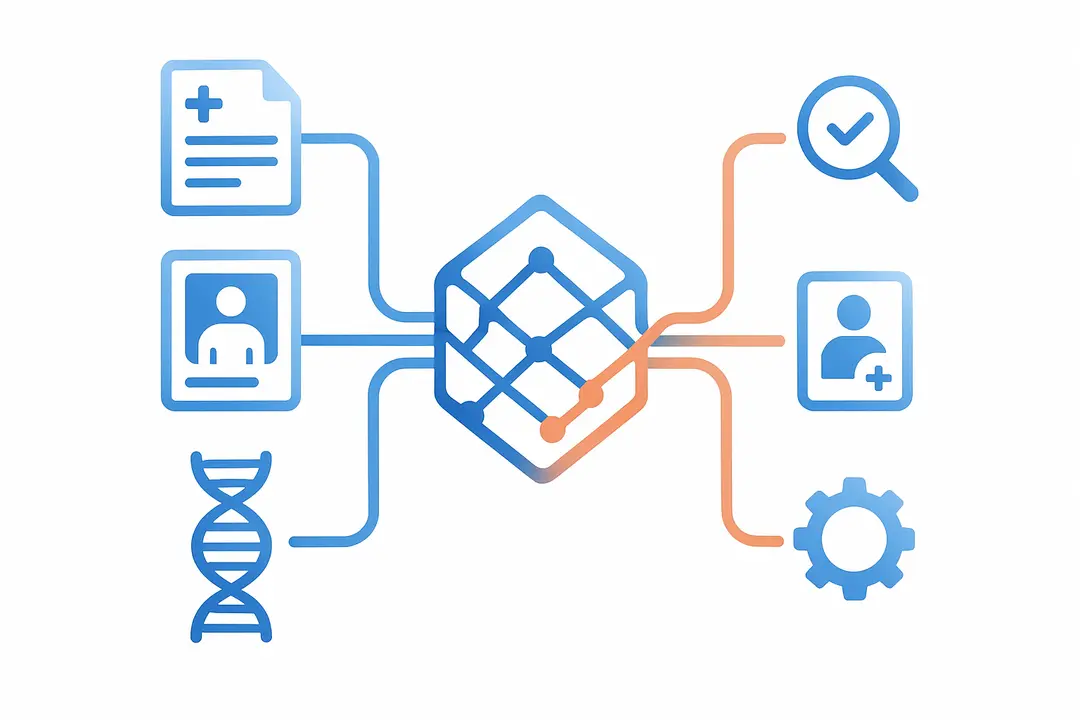
Machine learning in healthcare refers to the use of algorithms and statistical models that learn patterns from data—such as patient records, images, or genomic sequences—to assist medical decision-making, prediction, and workflow automation.
Unlike traditional rules-based software, ML can automatically adapt and improve its performance with new data, making it ideal for handling complex, variable, and high-volume health information. Major ML methods in healthcare include:
- Supervised learning: Models trained with labeled data (e.g., X-rays labeled as cancerous or not).
- Unsupervised learning: Identifying hidden patterns without labeled outcomes (useful for clustering patient groups).
- Reinforcement learning: Systems that learn via trial-and-error feedback, increasingly used in personalized therapy adjustments.
Common data sources leveraged by ML in healthcare include:
- Electronic health records (EHR)
- Medical imaging (CT, MRI, X-ray)
- Genomic data
- Clinical notes and documentation
This data-driven approach allows ML to augment clinical workflows, improve diagnostic accuracy, and unlock insights that may not be apparent with manual analysis.
How Are AI, Machine Learning, and Deep Learning Different in Medicine?
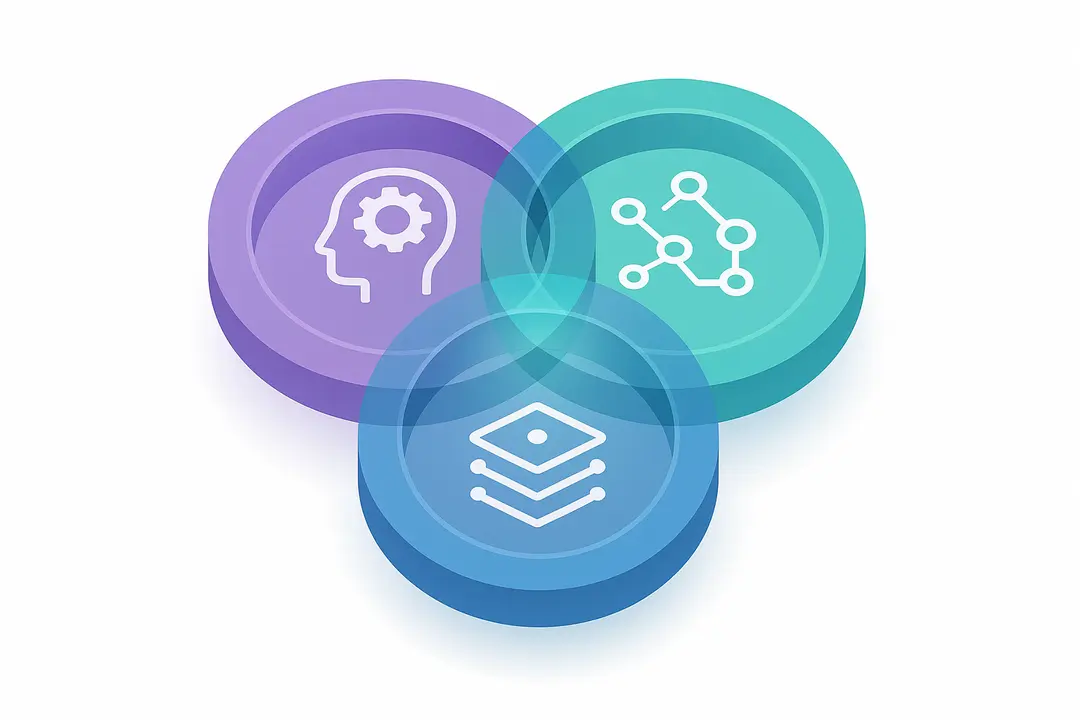
Artificial intelligence (AI), machine learning (ML), and deep learning (DL) are related but distinct concepts in healthcare, often creating confusion for both professionals and patients.
At a glance:
- Artificial Intelligence (AI): The overarching field of creating systems that mimic human intelligence, including reasoning, problem-solving, and language understanding.
- Machine Learning (ML): A subset of AI focused on systems that learn from data to make predictions or decisions without being explicitly programmed for each outcome.
- Deep Learning (DL): A further subfield of ML, using layered neural networks capable of automatically extracting complex features from large datasets, such as in image or speech recognition.
| Term | Core Definition | Healthcare Example |
|---|---|---|
| AI | Computer systems replicating human tasks | Chatbots for patient triage |
| ML | Algorithms learning from health data | Predicting sepsis from EHRs |
| Deep Learning | Neural networks for complex pattern analysis | Tumor detection from medical images |
In a healthcare context, most practical applications today are ML-based, with deep learning powering breakthroughs in diagnostic imaging and natural language processing.
What Are the Benefits of Machine Learning for Healthcare Providers and Patients?
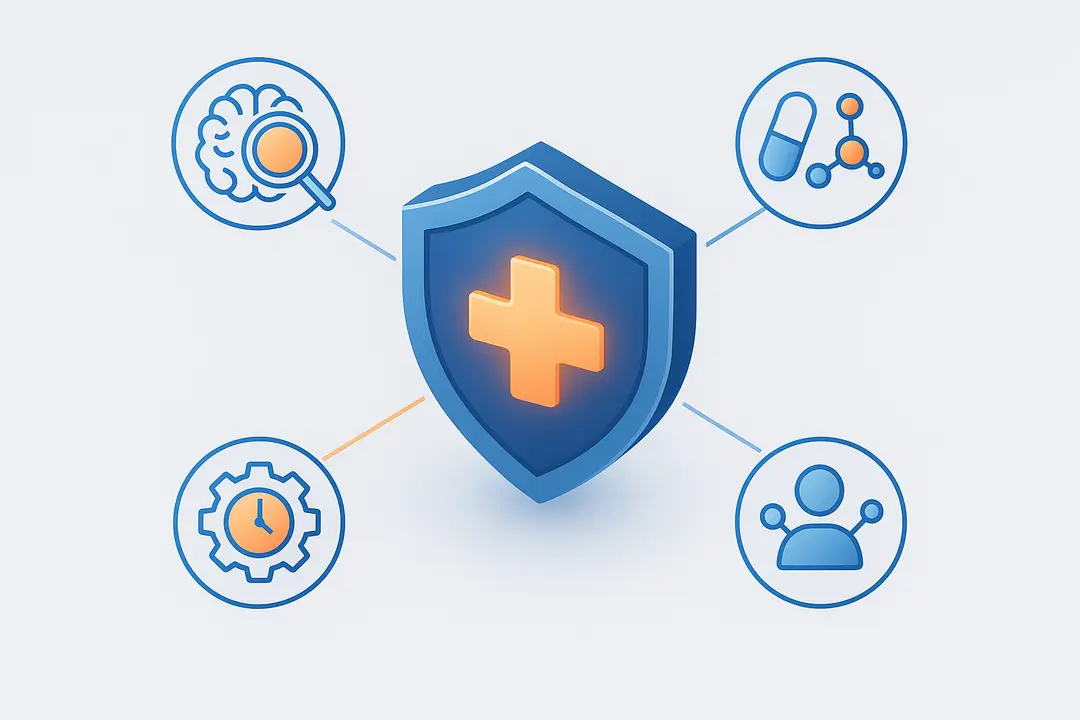
Machine learning delivers a wide array of benefits to healthcare organizations, clinicians, and patients by improving accuracy, efficiency, and outcomes.
- Enhanced diagnostic accuracy: ML models help identify diseases earlier and with greater consistency, reducing human error.
- Faster and more cost-effective drug discovery: Algorithms rapidly screen potential molecules, cutting preclinical costs and timelines.
- Personalized patient care: Treatments can be better matched to individual patient profiles, increasing effectiveness and safety.
- Improved patient safety: ML can detect anomalies in real time, such as medication errors or deteriorating vital signs.
- Operational efficiency: Automation of administrative and workflow tasks minimizes manual burden and reduces operating costs.
- Data-driven compliance: Intelligent systems support regulatory and data privacy mandates by more accurately managing sensitive information.
According to industry benchmarks, ML deployment in clinical imaging has reduced diagnostic errors by up to 20%, and automating administrative claims can cut processing costs by 30% or more.
What Are the Top Applications of Machine Learning in Healthcare?
Machine learning is transforming healthcare across many domains, from front-line clinical care to back-office operations. Here are the top ML applications in healthcare:
- Disease Diagnosis & Medical Imaging: Rapid, accurate analysis of scans for early detection.
- Predictive Analytics & Patient Risk Stratification: Forecasting disease progression and patient readmission risk.
- Drug Discovery & Development: Accelerating molecule discovery and optimizing clinical trials.
- Personalized Medicine & Treatment Optimization: Customizing therapies based on patient-specific data.
- Clinical Documentation & NLP: Automating data extraction from clinical notes.
- Workflow & Resource Optimization: Smarter scheduling, staffing, and resource distribution.
- Outbreak Prediction & Population Health: Early detection of public health threats.
- Behavioral Modification & Preventive Care: Nudging healthier behaviors via digital therapeutics.
- Administrative Automation: Streamlining claims, billing, and audit processes.
You can navigate to each section below for practical details and case examples.
Disease Diagnosis & Medical Imaging
Machine learning excels at interpreting complex medical images, aiding in faster, more accurate disease detection.
- Pattern recognition: ML algorithms detect subtle patterns in X-rays, CT scans, MRIs, and pathology slides—often identifying abnormalities invisible to the human eye.
- Early disease detection: ML supports earlier diagnosis of cancers (lung, breast, skin), heart disease, and rare genetic disorders.
- Case Study – Google DeepMind: Their AI system achieved expert-level performance at detecting over 50 types of eye disease via retinal scans, facilitating faster specialist referrals and treatment.
- Case Study – Optellum: This UK-based company received FDA clearance for a lung cancer AI platform that identifies high-risk nodules on CT scans with improved accuracy, integrating seamlessly into radiology workflows.
As more solutions achieve regulatory approval, ML-driven imaging tools are being widely adopted by radiology departments worldwide.
Predictive Analytics & Patient Risk Stratification
Machine learning enables healthcare systems to anticipate patient needs and allocate resources more effectively.
- Risk prediction: ML models use EHR, demographic, and clinical data to predict which patients are at risk of hospital readmission, sepsis, or cardiac events.
- Real-time stratification: Integrated hospital dashboards flag high-risk patients instantly to guide triage and early intervention.
- Case Example – BiomeDx: This start-up developed predictive models in primary care settings to flag patients at risk of chronic disease complications, reducing avoidable admissions.
ML-powered predictive analytics are fast becoming essential for proactive, value-based care.
Drug Discovery & Development
Machine learning has dramatically accelerated the pace of pharmaceutical innovation.
- Molecule screening: ML algorithms scan millions of compounds for potential as new drugs, reducing the time and cost of candidate selection.
- Target identification: ML helps find the right biological targets for intervention, increasing the probability of success.
- Clinical trial optimization: AI selects and matches participants more precisely, and adapts trial designs in real time based on early data.
- Case Study – Insilico Medicine: This global biotech company uses deep learning to identify promising drug candidates, with at least one AI-discovered molecule entering human trials in 2021.
- Case Study – Pfizer & IBM Watson: Their collaboration harnessed ML to identify drug repurposing opportunities and guide oncology research, demonstrating improved R&D productivity.
Pharma companies worldwide are investing in ML to shorten drug development cycles and improve FDA/EMA submission success.
Personalized Medicine & Treatment Optimization
Machine learning enables treatments to be tailored to each patient’s unique genetic, biomarker, and lifestyle factors.
- Genomic profiling: ML predicts how patients will respond to certain drugs by analyzing genetic mutations or immune markers.
- Dynamic treatment plans: Real-time data informs ongoing care adjustments, especially in chronic disease and cancer management.
- Case – Foundation Medicine: Uses ML-driven genomic analysis to match cancer therapies with tumor profiles, driving the precision oncology revolution.
- Case – DeepMind Health: Developed patient-specific models to optimize kidney injury interventions in hospital settings.
Over time, ML-powered personalization is expected to improve outcomes and reduce adverse drug events for millions.
Clinical Documentation & Natural Language Processing (NLP)
Natural language processing (NLP), a branch of ML, extracts useful information from unstructured clinical text.
- Automated charting: ML-powered tools create or transcribe medical notes in real time.
- Data structuring: NLP systems transform doctors’ free-text, discharge summaries, and pathology reports into structured data for analysis and billing.
- Case Example – Google’s Medical Scribe: Piloted AI transcription is assisting physicians by automating note capture in patient visits.
- Case Example – Suki AI: This platform reduces physicians’ administrative workload by up to 76% through voice-driven documentation and coding.
NLP tools free clinicians to focus more on patient care and less on repetitive data entry.
Workflow & Resource Optimization
Operational efficiency is another major advantage of machine learning in healthcare.
- Scheduling and logistics: ML forecasts patient flow, optimizes provider schedules, and manages operating room demand.
- Resource allocation: Predictive analytics aid in better bed management and supply inventory, reducing waste and patient wait times.
- Metrics: According to hospital pilot programs, ML-based scheduling can lower appointment no-show rates by 15% and reduce overtime expenses.
These innovations free clinical teams from routine tasks, improve return on investment, and help maintain high standards of care even under resource constraints.
Outbreak Prediction & Population Health
ML plays a pivotal role in public health by identifying and tracking disease outbreaks earlier and more accurately.
- Real-time modeling: By processing data from EHRs, labs, and even social media, ML algorithms forecast disease outbreaks such as influenza or COVID-19 waves.
- Case Example – COVID-19 prediction models: ML-powered surveillance platforms provided early warnings on spikes in infection rates, helping public health leaders take preventive action.
- Regional innovation: Across Asia, ML-based epidemiological models are being used by government agencies to allocate medical resources and manage crises more effectively.
The ability to anticipate and mitigate outbreaks has direct benefits for patient safety and health system resilience.
Behavioral Modification & Preventive Care
Machine learning empowers digital therapeutics and interventions to help patients adopt healthier habits and avoid complications.
- Personalized coaching: ML-driven apps provide users with timely reminders, behavioral nudges, and support for managing chronic conditions like diabetes or hypertension.
- Remote health monitoring: Wearables and smartphone apps leverage ML to detect early warning signs and encourage preventive actions.
- Case Example – Omada Health: Uses real-time data and ML-driven algorithms to help patients reduce the risk of diabetes through behavioral modification.
- Case Example – Livongo: Employs ML insights to optimize patient engagement and support medication adherence.
As digital health adoption grows, ML-fueled preventive care will become a frontline tool in population health.
Administrative Automation
Behind-the-scenes, ML streamlines complex administrative processes, cutting costs and improving accuracy.
- Claims processing: Automated ML tools review, validate, and adjudicate insurance claims, reducing administrative errors and processing times.
- Fraud detection: ML models analyze billing patterns to detect potential fraud or waste, helping ensure compliance.
- Impact: According to health IT studies, automation can reduce billing and claims processing time by up to 75%.
Transformation of the health system’s “back office” is crucial for sustainability and financial performance.
Real-World Case Studies & Start-up Innovation: Who’s Leading the Way?
| Application | Leading Companies / Initiatives | Milestones / Approvals |
|---|---|---|
| Medical Imaging | Optellum, Google DeepMind, Aidoc | Optellum FDA clearance (2021) |
| Predictive Analytics | BiomeDx, Pieces Technologies | Pilot hospital deployments |
| Drug Discovery | Insilico Medicine, Atomwise | AI-derived trial candidates |
| Personalized Medicine | Foundation Medicine, Tempus | Clinical impact studies |
| Documentation & NLP | Suki AI, Nuance, Google Medical Scribe | Suki AI adopted across US health systems |
| Workflow/Resource Optimization | Qventus, LeanTaaS | Wait time reductions |
| Outbreak Prediction | BlueDot, Metabiota | COVID-19 tracking solutions |
| Behavioral Preventive Care | Omada Health, Livongo | Digital therapeutics adoption |
| Administrative Automation | Olive AI, Change Healthcare | Claims automation pilots |
Many have achieved significant regulatory milestones—such as FDA 510(k) clearance and CE Mark approval—demonstrating both efficacy and safety of ML-enabled solutions. Funding for healthcare AI start-ups remains strong in the US, EU, and Asia, with sustained growth in pilot studies and cross-border collaborations.
Challenges, Risks, and Ethical Concerns of Machine Learning in Healthcare
- Data privacy and security: ML models handle sensitive health data, requiring strict compliance with regulations like HIPAA (US) and GDPR (EU). Security breaches remain a risk.
- Model explainability and clinician trust: Many ML models, especially in deep learning, are “black boxes,” making it hard for clinicians to understand or trust decisions. Transparent, interpretable AI is essential for clinical adoption.
- Data bias and representation: If training data is incomplete or biased, ML predictions may not generalize well, potentially exacerbating health disparities.
- Quality control and failure cases: Real-world example: A hospital’s ML sepsis detection model overfit to local processes and failed to generalize elsewhere—demonstrating the need for rigorous validation and ongoing oversight.
Addressing these concerns requires multidisciplinary collaboration, continuous model monitoring, and transparent communication with all stakeholders.
What’s Next? Future Trends in Machine Learning Applications for Healthcare
- Federated learning: Training ML models across multiple institutions without sharing sensitive data, enhancing privacy and data diversity.
- Edge AI: Moving algorithms to local devices (e.g., bedside monitors, wearables), allowing real-time insights with minimal latency.
- IoT integration: Combining ML with connected medical devices, wearables, and remote monitoring tools for seamless, continuous care.
- Regulatory evolution: Expect updated frameworks from the FDA, EMA, and other authorities to support adaptive, continuously learning algorithms.
- Expanded reimbursement: As ML-driven clinical tools demonstrate cost and outcome benefits, insurance models may adjust to reward adoption.
Healthcare organizations that proactively adapt to these trends will be better positioned to deliver value and innovation in the coming years.
FAQs: Answering Top Questions About Machine Learning in Healthcare
What are the top applications of machine learning in healthcare?
The top machine learning in healthcare applications include disease diagnosis, medical imaging, predictive analytics, drug discovery, personalized medicine, and administrative automation. These machine learning use cases in healthcare are transforming clinical and operational processes.
How does machine learning in healthcare improve medical diagnostics?
Machine learning in healthcare enhances diagnostics by analyzing medical images and patient data to detect diseases earlier and more accurately. These healthcare ai applications help clinicians make better decisions with reduced error rates.
Can machine learning in healthcare personalize treatments for patients?
Yes, machine learning in healthcare enables personalized treatments by analyzing genomics, medical history, and real-time data. These machine learning use cases in healthcare help tailor therapies to individual patient needs.
What are real-world machine learning use cases in healthcare?
Common machine learning use cases in healthcare include imaging tools for cancer detection, predictive models for disease risk, and NLP systems for clinical documentation, all falling under broader healthcare ai applications.
How is machine learning in healthcare used in drug discovery?
Machine learning in healthcare accelerates drug discovery by analyzing large datasets to identify potential compounds, predict interactions, and optimize clinical trials, making these healthcare ai applications highly valuable.
What are the benefits of machine learning in healthcare?
Key benefits of machine learning in healthcare include improved diagnostic accuracy, cost reduction, enhanced patient outcomes, and streamlined workflows through advanced machine learning use cases in healthcare.
What challenges exist in machine learning in healthcare adoption?
Challenges in machine learning in healthcare include data privacy concerns, model transparency, bias in datasets, and integration issues, which can affect the reliability of healthcare ai applications.
Is patient data secure in machine learning in healthcare systems?
Security is critical in machine learning in healthcare, with strict regulations, encryption, and compliance frameworks ensuring that sensitive data used in machine learning use cases in healthcare remains protected.
How do AI, ML, and deep learning relate to machine learning in healthcare?
Within machine learning in healthcare, AI is the broader concept, ML focuses on data-driven learning, and deep learning powers advanced healthcare ai applications such as image recognition and predictive analytics.
Will machine learning in healthcare replace medical professionals?
No, machine learning in healthcare is designed to support professionals by enhancing efficiency and decision making, not replace them. These machine learning use cases in healthcare act as assistive tools.
How can hospitals implement machine learning in healthcare effectively?
Hospitals can adopt machine learning in healthcare by starting with pilot projects, ensuring data quality, and integrating scalable healthcare ai applications into existing systems.
What future trends are shaping machine learning in healthcare?
Future trends in machine learning in healthcare include federated learning, edge AI, and more advanced machine learning use cases in healthcare focused on real-time patient monitoring and predictive care.
Summary Table: Machine Learning Healthcare Applications Matrix
| Application | Example Companies/Initiatives | Clinical Impact | Regulatory Milestones |
|---|---|---|---|
| Medical Imaging Diagnostics | Optellum, DeepMind, Aidoc | Early cancer detection, greater accuracy | FDA, CE clearances |
| Predictive Analytics | Pieces Technologies, BiomeDx | Reduced readmissions, proactive care | Hospital pilot studies |
| Drug Discovery & Development | Insilico Medicine, Atomwise | Faster R&D, new molecules to trial stage | AI-initiated trials, FDA pipeline |
| Personalized Medicine | Foundation Medicine, Tempus | Improved therapy selection, precision oncology | Clinical uptake, payer coverage |
| Clinical Documentation & NLP | Suki AI, Nuance, Google Scribe | Less admin work, better data quality | Deployed in major US health systems |
| Workflow/Resource Optimization | Qventus, LeanTaaS | Reduced wait times, optimized resource use | Cost savings, ROI reports |
| Outbreak Prediction & Population Health | BlueDot, Metabiota | Proactive public health interventions | COVID response support |
| Behavioral Modification & Preventive Care | Omada Health, Livongo | Enhanced patient engagement, preventive care | Digital therapeutic approvals |
| Administrative Automation | Olive AI, Change Healthcare | Lower claims costs, fraud detection | Health system adoptions |
Conclusion: Key Takeaways & How to Stay Ahead in ML-Powered Healthcare
Machine learning in healthcare is driving real improvements from accurate diagnostics and personalized medicine to streamlined operations and proactive population health. With regulatory-backed solutions, measurable outcomes, and global innovation fueling adoption, the healthcare AI landscape is both dynamic and transformative. Staying ahead means understanding these leading applications, assessing organizational readiness, and continually learning as new trends emerge. For professionals, decision-makers, and innovators, now is the time to explore, pilot, or partner on ML-driven healthcare solutions to maximize patient and business impact.
Key Takeaways
- Machine learning is powering breakthroughs in medical imaging, diagnostics, drug discovery, and workflow automation.
- Real-world case studies and regulatory clearances validate ML’s clinical effectiveness and safety.
- ML delivers tangible benefits—improving accuracy, efficiency, and patient outcomes for providers and patients alike.
- Adoption requires attention to privacy, bias, and interpretability to build lasting trust.
- Future trends include federated learning, edge AI, and integrated digital health ecosystems.
This page was last edited on 30 April 2026, at 9:25 am

Start a conversation with our team to solve complex challenges and move forward with confidence.