
A comprehensive assessment of Bangladesh’s Public Investment Management information systems, covering interoperability, digital processes, system architecture, data flows, and the PPS appraisal module.
PIM Systems Assessment
Interoperability Analysis
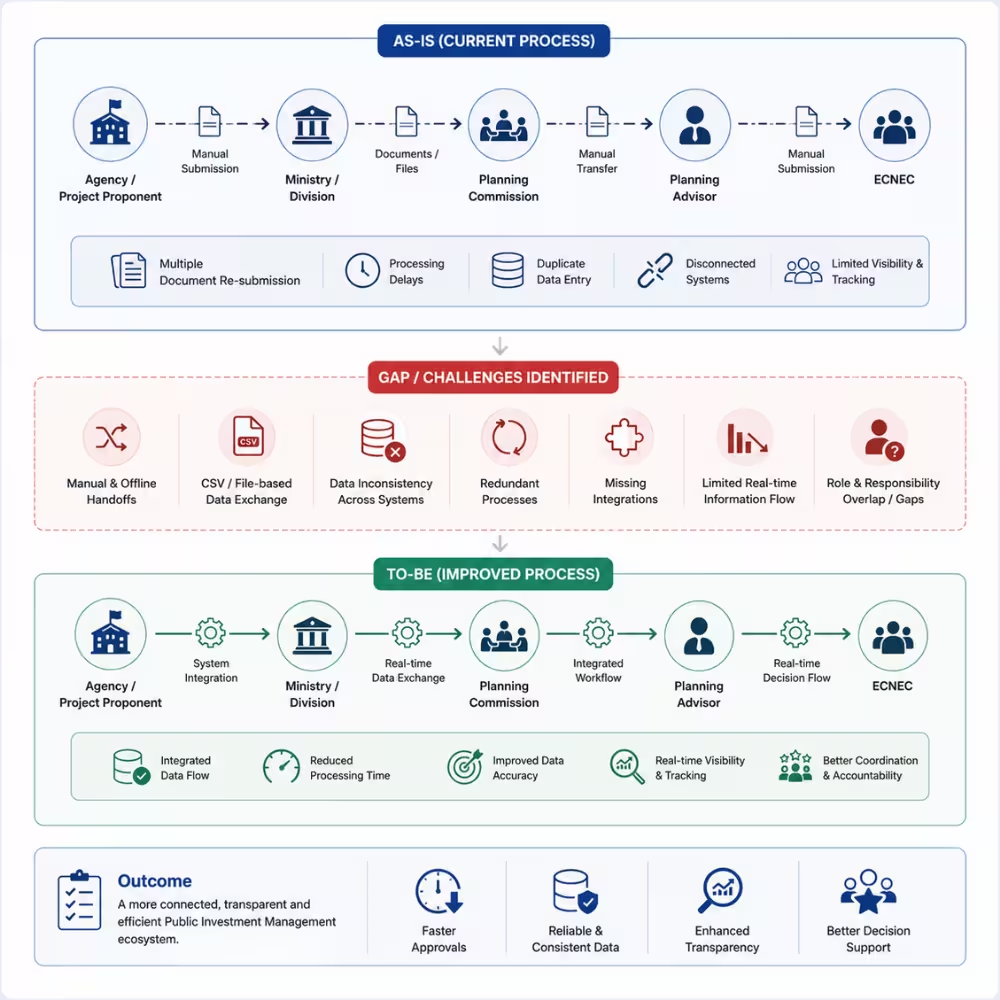
As-Is & To-Be Architecture
Digital Process Improvement
Project Summary
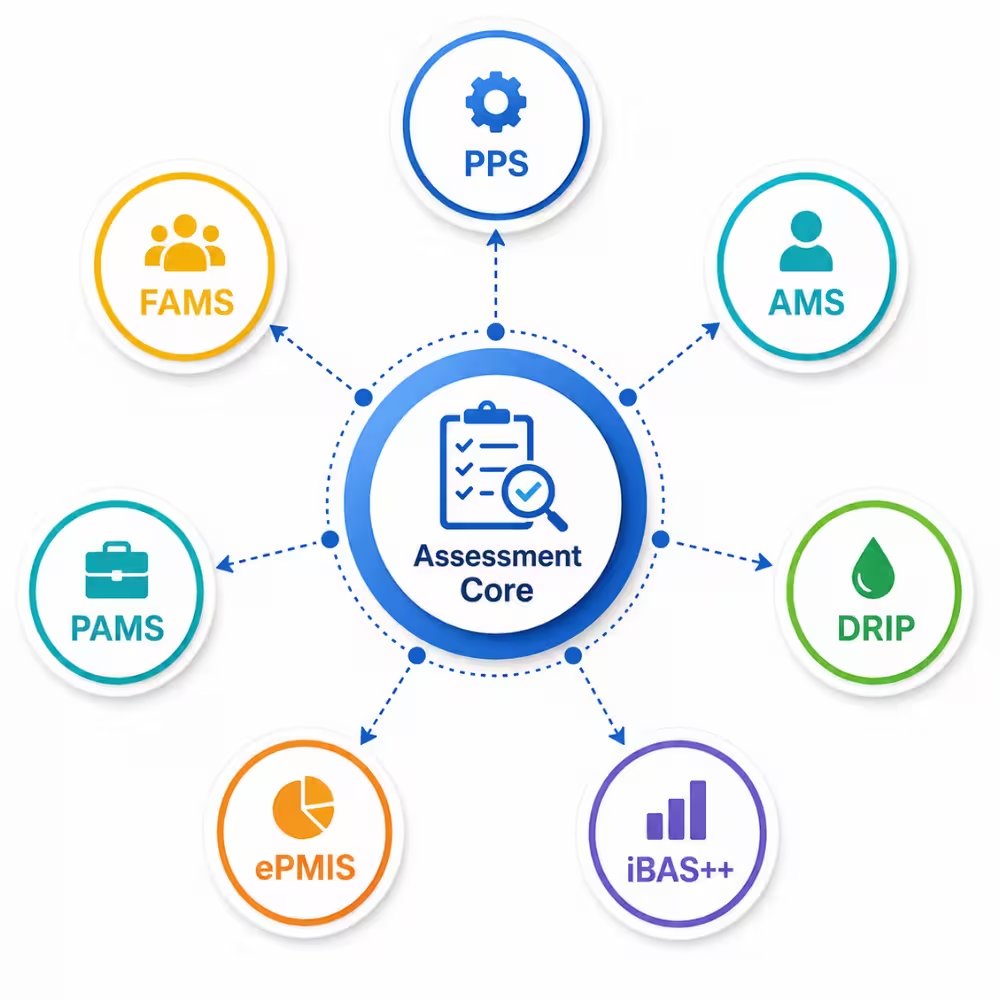
SPIMR is a Public Investment Management information systems assessment conducted for Government of Bangladesh stakeholders. The study examined the digital systems supporting project formulation, appraisal, approval, budgeting, financing, and implementation monitoring to identify interoperability gaps, duplicated processes, manual information exchanges, and opportunities for stronger system integration. The engagement covered major PIM-related platforms including PPS, AMS, DRIP, iBAS++, ePMIS, PAMS, and FAMS, with particular focus on improving the PPS appraisal module and defining a practical future-state model for better-connected government information systems.
Client
Government of Bangladesh
Industry
Government Technology
Project Type
Information Systems Assessment & Interoperability Study
Scope
End-to-End System Assessment
Study & Assessment Components
We conducted a structured assessment of the PIM digital ecosystem, combining technical system analysis, stakeholder consultation, architecture modelling, process review, and future-state planning.
Multi-System Information Systems Assessment
Assessed the major information systems supporting Public Investment Management to understand their functions, workflows, data flows, ownership, operational practices, institutional responsibilities, and existing integration mechanisms.
The assessment provided a cross-system view of the PIM environment instead of evaluating individual platforms in isolation.
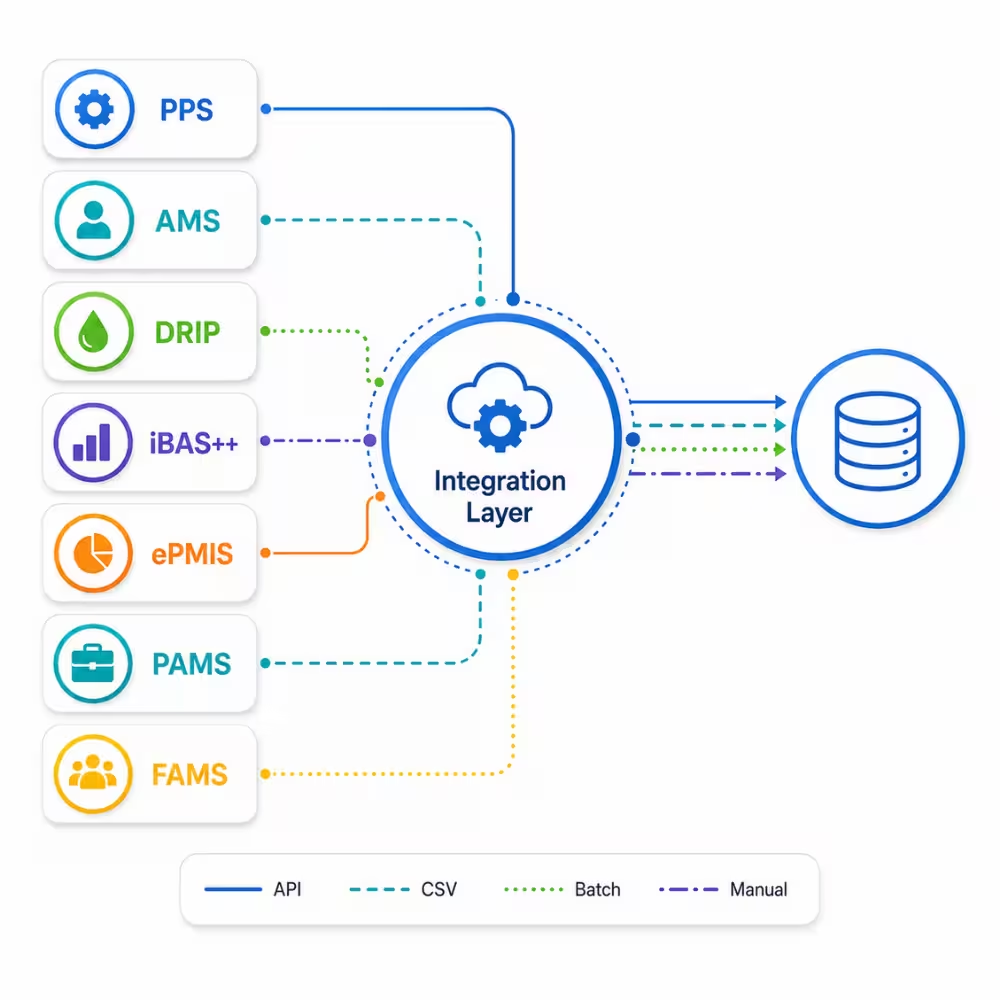
Interoperability & Data Flow Assessment
Examined how information moves between PIM systems and government organisations, including existing interfaces, manual document transfers, CSV and file-based exchanges, batch processes, and API-based integrations.
The assessment also identified missing integrations, system dependencies, duplicate data entry, and opportunities for improved information exchange.
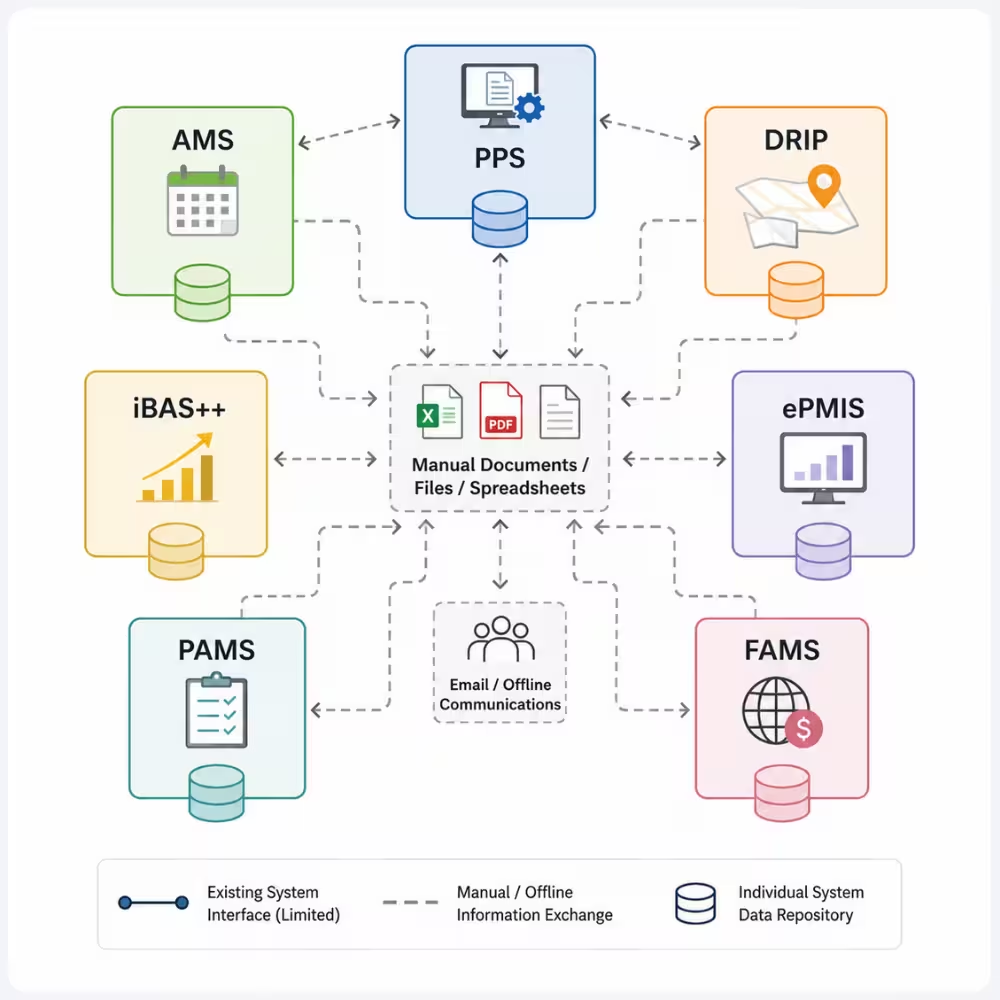
As-Is System Architecture
Developed a structured representation of the current PIM digital environment covering applications, major modules, data repositories, system users, institutional actors, existing interfaces, and information-exchange mechanisms.
The As-Is architecture established a baseline for understanding current system relationships and identifying technical and operational gaps.
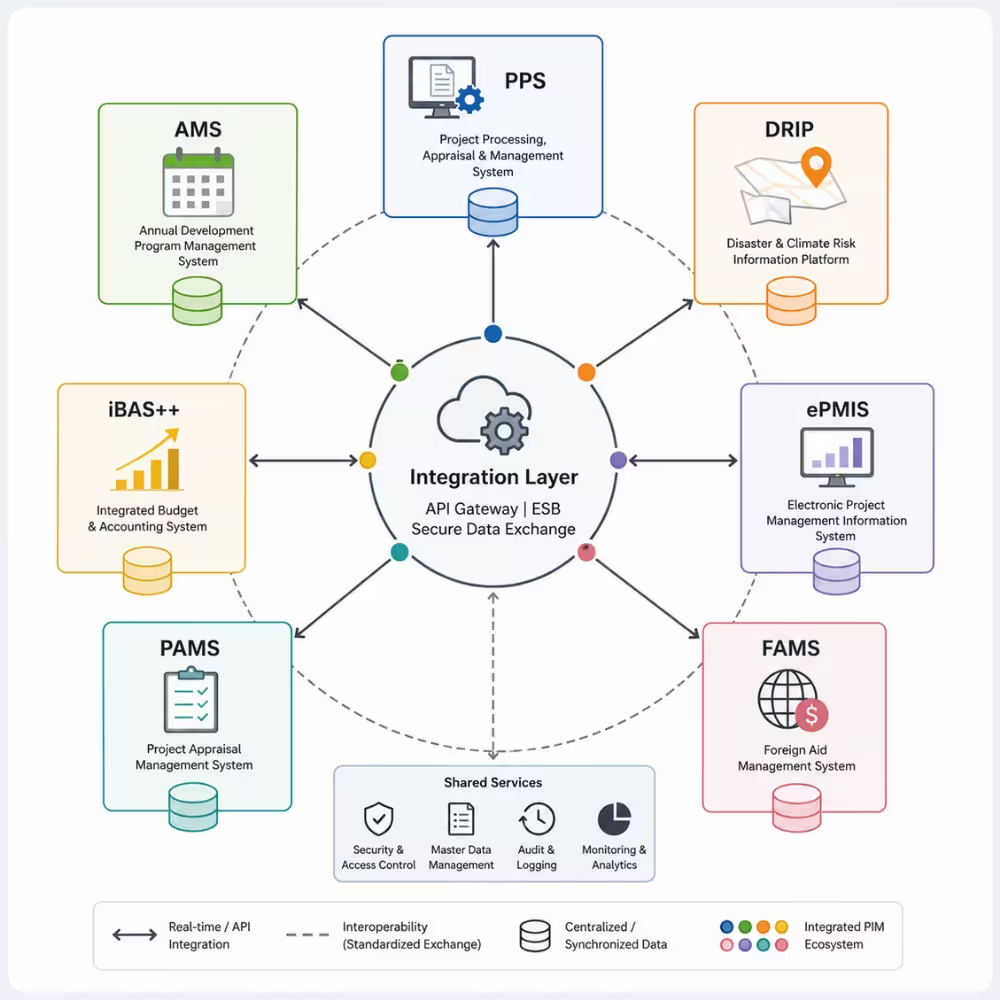
To-Be Integration Architecture
Designed a proposed future-state model for stronger interoperability between PIM-related information systems.
The To-Be model identified potential system linkages, improved data-sharing mechanisms, opportunities to reduce manual exchanges, and ways to create more connected workflows across project formulation, appraisal, approval, budgeting, and monitoring.
Business Process & Gap Analysis
Compared the existing environment with the proposed future-state model to identify workflow redundancies, information silos, manual dependencies, process bottlenecks, data-flow limitations, and areas requiring technical or organisational improvement.
The assessment helped establish practical priorities for future digital process improvement.
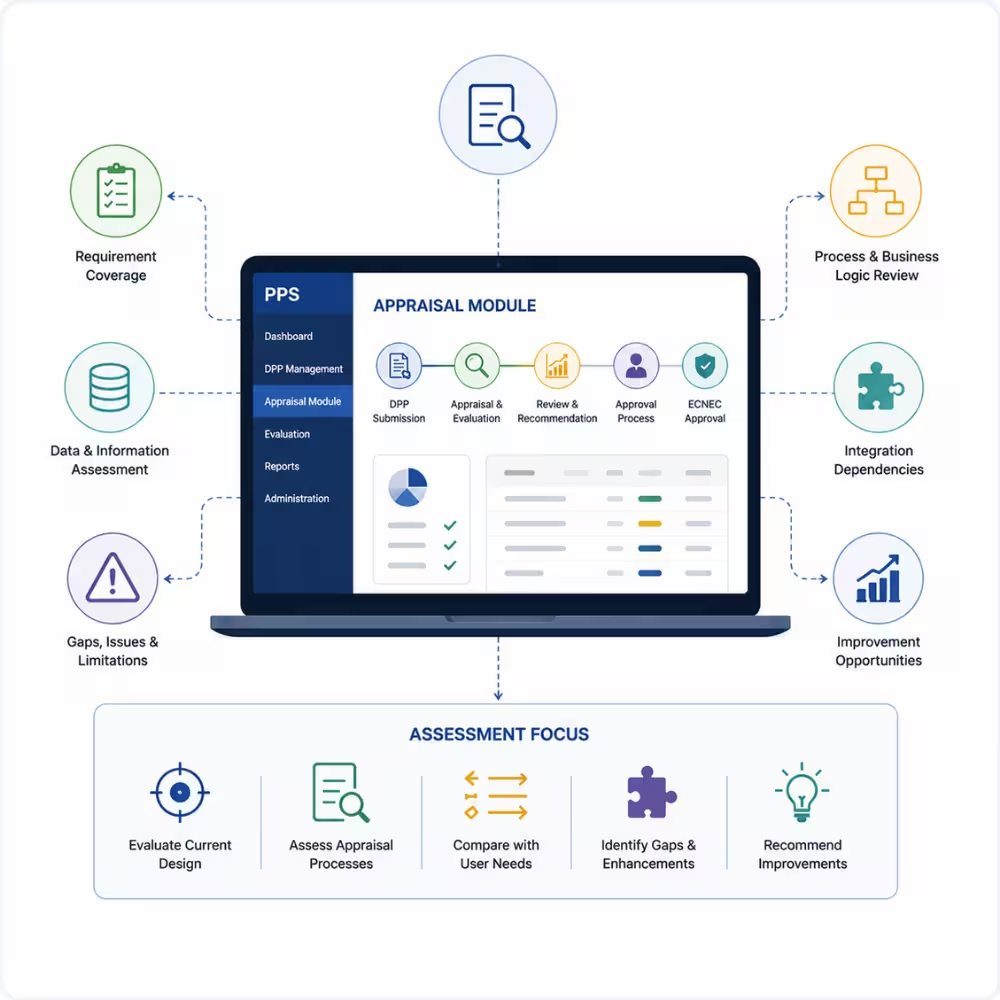
PPS Appraisal Module Assessment
Reviewed the appraisal functionality being developed within the Project Processing, Appraisal and Management System (PPS).
The assessment covered appraisal requirements, process logic, requirement gaps, inconsistencies, and opportunities to strengthen the design and implementation of the module.
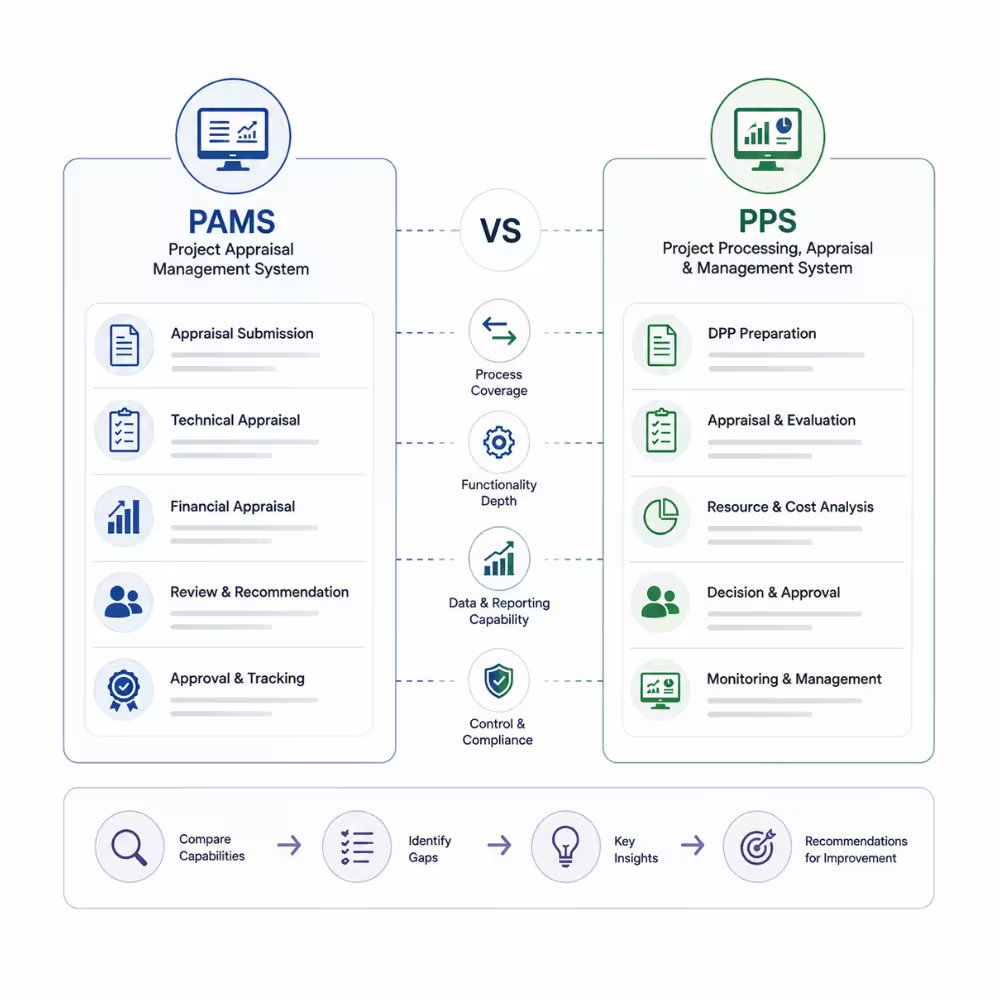
PAMS & PPS Comparative Assessment
Compared requirements and appraisal processes from the previous PAMS platform with the appraisal module being developed within PPS.
The analysis identified overlapping requirements, missing functionality, inconsistencies, reusable business logic, and concepts from PAMS that could contribute to the continued development of PPS.
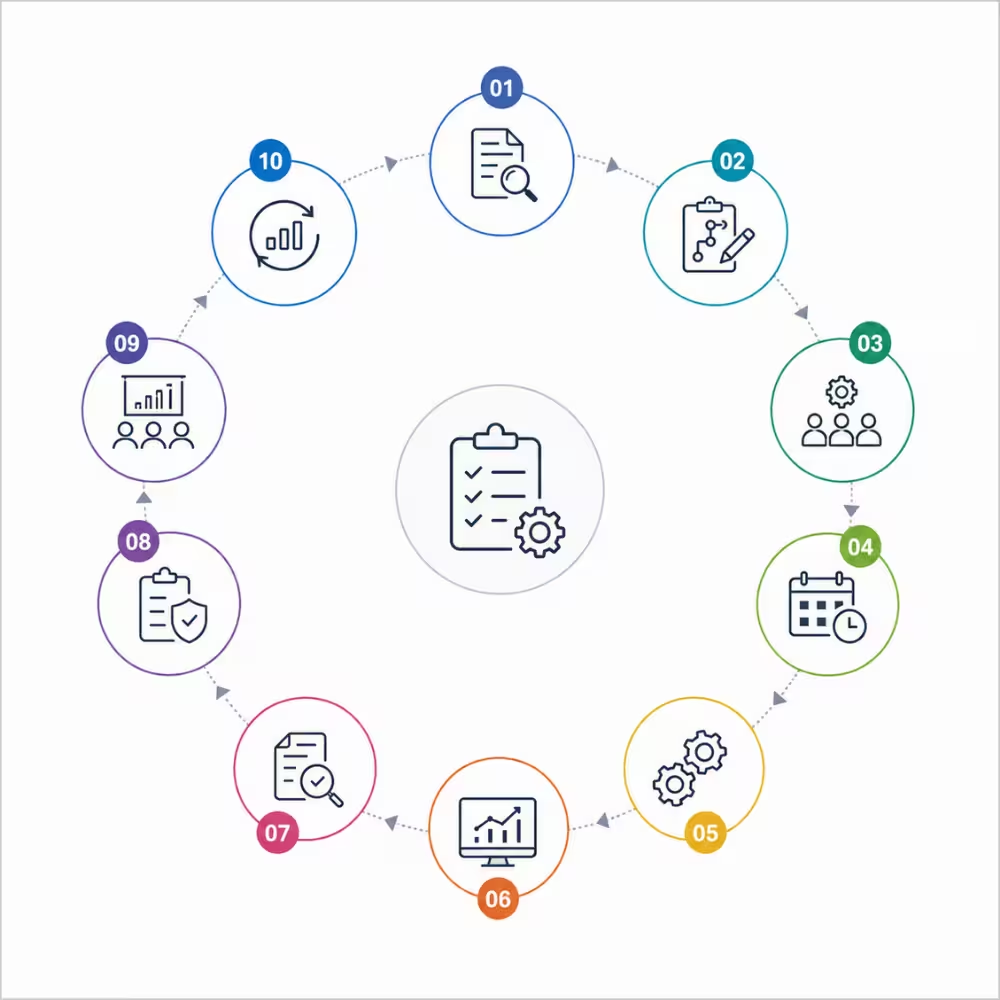
End-to-End Project Lifecycle Analysis
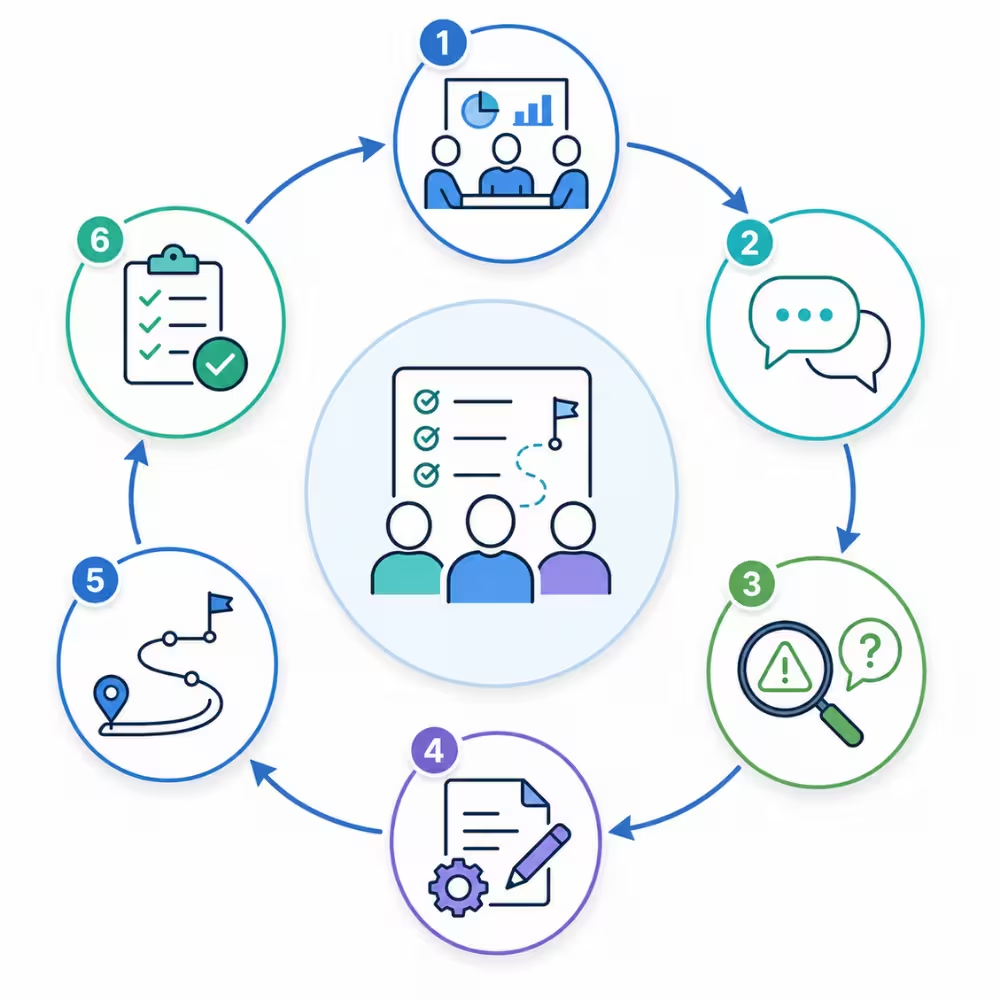
Mapped the digital information flow across the government project-processing lifecycle:
The analysis highlighted existing manual steps, process gaps, bottlenecks, system interactions, and potential future improvement points.
Stakeholder Interviews & System Demonstrations
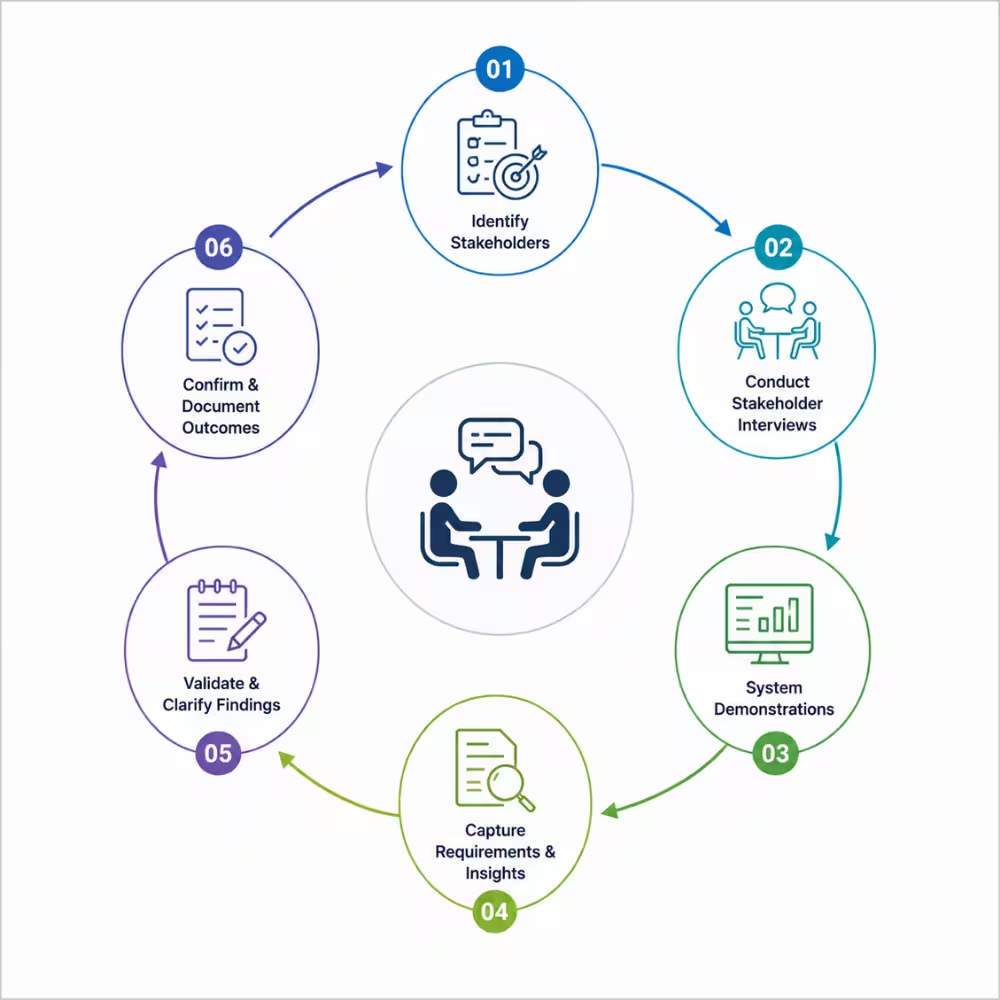
Conducted structured discussions with stakeholders responsible for the operation, management, maintenance, and oversight of PIM-related information systems.
System demonstrations, interviews, meeting records, screenshots, operational materials, and technical documentation were reviewed to understand how the platforms and processes operate in practice.
Stakeholder Validation & Future Planning
Technical findings and proposed improvements were reviewed with relevant government stakeholders through consultations and feedback sessions.
The validation process helped refine the assessment findings, confirm institutional and operational realities, and support the development of recommendations for future PIM system integration and digital support.
Systems Assessed
The study covered the principal digital systems involved across Bangladesh’s Public Investment Management lifecycle.
PPS - Project Processing, Appraisal and Management System
Supports online Development Project Proposal processing through the government approval process, including appraisal functionality.
AMS - Annual Development Program Management System
A key information system within the Public Investment Management environment covered by the interoperability assessment.
DRIP - Disaster and Climate Risk Information Platform
Provides GIS-based hazard, exposure, vulnerability, and climate-risk information used in development project assessment.
iBAS++ - Integrated Budget and Accounting System
Supports government budgeting, accounting, expenditure tracking, and financial management.
ePMIS - Electronic Project Management Information System
Supports implementation monitoring of approved projects, including physical and financial progress information.
PAMS - Project Appraisal Management System
The previous appraisal platform whose requirements, processes, and business logic were assessed in comparison with the PPS appraisal module.
FAMS - Foreign Aid Management System
A PIM-related system supporting information associated with foreign assistance and development financing.
Need Expert Guidance for Complex Digital Systems?
From information systems assessment and enterprise architecture to interoperability planning and digital process improvement, Riseup Labs helps organizations understand complex technology environments and plan practical digital transformation initiatives.
Discover how Riseup Labs assessed Bangladesh’s Public Investment Management systems, mapped interoperability gaps, and designed a future-state integration model. Digital...

+
Contact Us Now
Welcome! My team and I personally ensure every project gets world-class attention, backed by experience you can trust.
Ershadul Hoque
CEO, Riseup Labs
Contact Us Now
Start a conversation with our team to solve complex challenges and move forward with confidence.
Welcome! My team and I personally ensure every project gets world-class attention, backed by experience you can trust.
Ershadul Hoque
CEO, Riseup Labs
TO TOP
By using this website, you agree to our Cookie Policy
This website uses cookies to improve your experience while you navigate through the website. Out of these, the cookies that are categorized as necessary are stored on your browser as they are essential for the working of basic functionalities of the website. We also use third-party cookies that help us analyze and understand how you use this website. These cookies will be stored in your browser only with your consent. You also have the option to opt-out of these cookies. But opting out of some of these cookies may affect your browsing experience.
Necessary cookies are absolutely essential for the website to function properly. This category only includes cookies that ensures basic functionalities and security features of the website. These cookies do not store any personal information.
Any cookies that may not be particularly necessary for the website to function and is used specifically to collect user personal data via analytics, ads, other embedded contents are termed as non-necessary cookies. It is mandatory to procure user consent prior to running these cookies on your website.