Building a meditation app in 2026 offers tech founders, product managers, and wellness entrepreneurs a high-impact way to enter the booming digital wellness sector. Recent data shows sustained user demand for meditation and mindfulness solutions, with platforms like Calm and Headspace reaching tens of millions of users worldwide. Yet, the path from idea to app store is crowded with compliance concerns, rising user expectations, and technical decisions that can overwhelm even experienced teams.
This practical playbook breaks through the noise:
- Who’s it for? Founders, digital wellness professionals, developers, designers.
- What’s inside? Actionable, step-by-step guidance aligned with current standards, trends, and compliance needs.
- Why read? Navigate the entire process—ideation, design, tech choices, compliance, monetization—with expert insights and decision tools.
Meditation App Market at a Glance: 2025–2026 Trends & Opportunities
Meditation and mindfulness apps remain a high-growth digital health niche, with industry forecasts projecting continued expansion through 2026. According to recent research (Statista, Allied Market Research), the global mindfulness and meditation app market is expected to surpass $4 billion by 2027, fueled by several key trends:
- Sustained Market Growth: The pandemic accelerated digital wellness adoption, normalizing meditation apps for stress management and sleep support.
- Major Players & Feature Benchmarks:
- Calm: Emphasizes sleep stories, daily meditations, mood tracking.
- Headspace: Focuses on guided courses, bite-size meditations, and healthy habit formation.
- Insight Timer, Aura: Offer expansive meditation libraries and robust community features.
- 2025–2026 Consumer Shifts:
- Personalization: Tailored content (e.g., stress, anxiety, focus).
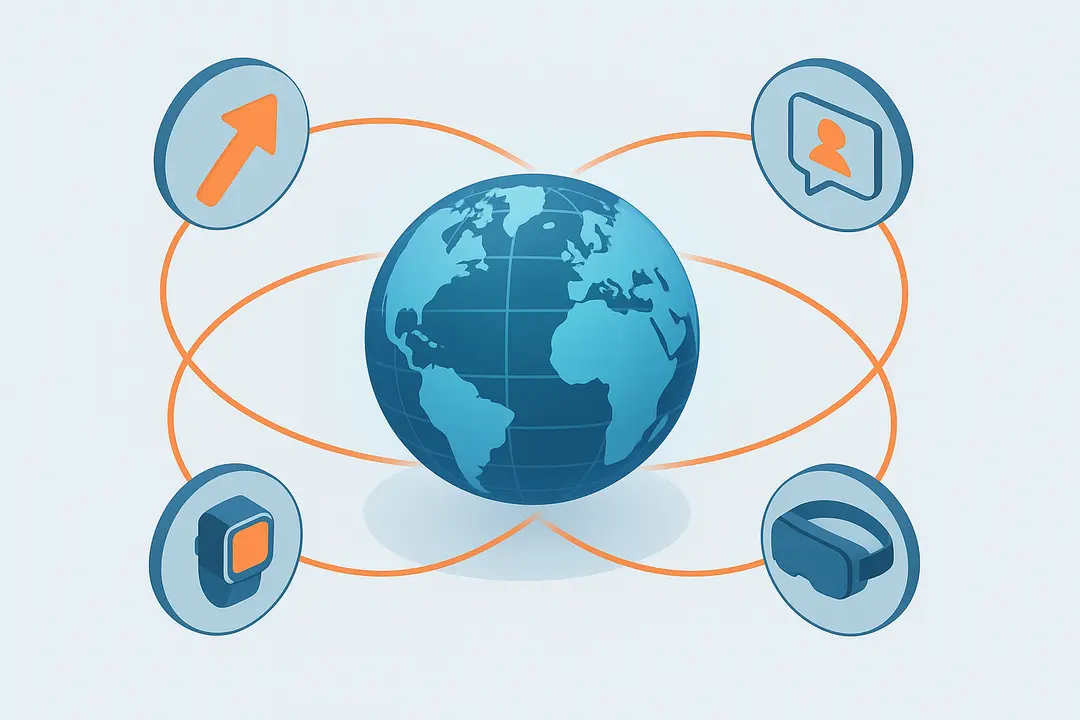
- AR/VR Meditation: Immersive experiences for at-home or on-the-go mindfulness.
- Wearable Integration: Sync sessions and progress with health devices (Apple Watch, Oura Ring).
- Wellness Ecosystem Integration: Connecting with nutrition, sleep, and therapy platforms.
| Market Stat | 2024–2025 Data (Range) |
| Annual Growth Rate (est.) | 8–13% |
| Top User Demographics | Adults 25–44, health-conscious |
| Leading Revenue Model | Subscriptions/Freemium |
Opportunity: The sector still has open niche spaces—sleep support for kids, mental health for professionals, regional/language-specific mindfulness, and meditation apps for special needs.
What Features Do Successful Meditation Apps Need in 2026?
Delivering a market-ready meditation app in 2026 demands a strong feature set aligned with both core functionality and rising consumer trends. Successful apps balance must-have basics with a selection of advanced, differentiating features.
Core Features (Essential for MVP):
- Onboarding Flow: Simple, calming, habit-forming introduction for new users.
- Guided Meditations: High-quality audio/video sessions sorted by goal, duration, experience level.
- Session Scheduling: Allow users to schedule reminders, recurring sessions, or build routines.
- Progress Tracking: Visual dashboards showing streaks, time spent, or meditative milestones.
- Meditation Timer: For self-led sessions, often customizable with ambient sounds.
Advanced/Trend Features (2025+):
- Sleep/Biometric Integration: Syncing with devices for sleep, heart rate, or stress metrics.
- AI-Driven Personalization: Dynamic content suggestions, adaptive session recommendations.
- AR/VR Sessions: Immersive, 3D guided meditations (via mobile or headset).
- Gamification: Streaks, badges, or achievements to motivate regular practice.
- Community & Forums: User groups, discussions, and live sessions for engagement.
- Accessibility & Localization: Multi-language support, assistive features (visual/audio), regional content.
Feature Prioritization Matrix:
| Feature | Core (MVP) | Advanced/Optional |
| Onboarding | ✔ | |
| Guided Meditations | ✔ | |
| Meditation Timer | ✔ | |
| Progress Tracking | ✔ | |
| Session Scheduling | ✔ | |
| AI Personalization | ✔ | |
| AR/VR Experiences | ✔ | |
| Biometric Integrations | ✔ | |
| Gamification Elements | ✔ | |
| Community Forums | ✔ | |
| Accessibility/Localization | ✔ | ✔ |
Practical Tip: Start lean—deliver an exemplary core experience, then layer in advanced features by user demand and feedback.
How to Build a Meditation App: A Step-by-Step Development Framework

1. Define Your Audience & Niche
Start by clearly identifying your ideal users and their specific needs. Mapping user personas guides every design and business decision.
- User Personas: Beginners, sleep-focused, anxiety relief seekers, working professionals, kids/families.
- Benchmark Competitors: Analyze current leaders (Calm, Headspace) and identify gaps—such as unique age/cultural groups or session formats.
- Customization: Consider underserved niches (e.g., meditation for neurodiverse audiences or local-language guided sessions).
2. Market Research & Validation
Validate your concept with data and direct user input before heavy investment.
- Analyze Top Apps: Document features, styles, and engagement strategies of existing leaders.
- User Surveys/Interviews: Gather feedback about pain points, desired features, and pricing willingness from your potential audience.
- Gap Analysis: Identify unmet needs in content, language, features, or accessibility compared to existing products.
3. MVP Planning & Feature Selection
Building an MVP (Minimum Viable Product) means focusing on critical features first.
- Feature Selection Checklist:
- Core guided session playback
- Meditation timer with sound options
- Onboarding with simple profile setup
- Streak/progress tracker
- Prioritize Essentials: Use the feature matrix above to distinguish must-haves from phase-two “nice-to-haves.”
- Lean UX Flows: Keep early screens uncluttered, calming, and goal-driven.
4. Designing UX/UI for Mindfulness
Great meditation apps guide users into a tranquil state through design.
- Design Principles:
- Use soft, neutral colors and smooth transitions.
- Minimize options and friction—users should access meditations in 1–2 taps.
- Ensure accessibility with readable fonts, voiceover options, and clear navigation cues.
- Session Screen Wireframe Structure:
- Top: Session title & duration
- Center: Play/Pause & progress bar
- Bottom: Ambient sounds, optional breathing animation
- Overlay: Streak indicator or session notes
5. Picking the Right Tech Stack (Custom, No-Code, Hybrid)
Your development approach influences speed, scalability, and budget.
- Custom Code:
- Frontend: Flutter, React Native (cross-platform, robust), native iOS (Swift) or Android (Kotlin) for specific needs.
- Backend: Node.js, Django, or cloud solutions like AWS/GCP for hosting, user management, analytics.
- No-Code Options:
- Tools like Bubble, Glide, Flutterflow, and Movement.so enable drag-and-drop functionality and fast iteration.
- Best for MVPs, smaller audiences, or non-technical founders.
- Hybrid: Combine no-code for user flows/content with custom plugins for advanced features (AI suggestions, biometric integrations).
| Approach | Speed | Customization | Cost | Scalability | Best For |
| Custom | Slow | High | $$$ | High | Complex/enterprise apps |
| No-Code | Fast | Limited | $ | Moderate | MVPs, quick pilots |
| Hybrid | Med | Medium | $$ | High | Rapid launch + scaling |
6. Compliance & Data Security
Privacy and compliance are crucial, especially if handling health or biometric data.
- Checklist:
- Does your app collect health/medical data? If yes, HIPAA or FDA compliance may be required.
- For user data (name, email, usage)—GDPR compliance is essential for EU/global users.
- Always use encryption (in transit and at rest), obtain clear user consent, and provide easy options for data deletion.
- Privacy by Design: Build security measures into every phase, not as an afterthought.
7. Development, QA & Iteration
Executing your app build requires planning, collaboration, and ongoing quality checks.
- Team Structure: Options include in-house developers, agencies with wellness app experience, or skilled freelancers.
- Build Toolkit: Project management (Jira/Trello), version control (GitHub), cloud services for storage/media (AWS S3, Firebase).
- QA Process: Test on diverse devices, check for audio/multimedia glitches, confirm compliance gating (consent flows, privacy controls).
- User Feedback Loop: Launch a closed beta with real users, gather insights, and iterate quickly.
8. Launch Strategy & App Store Optimization
Preparation and targeted marketing make all the difference in discovery and engagement.
- Pre-Launch Checklist:
- Beta group feedback and bug fixes
- Press kit and media assets
- Landing page or microsite with sign-ups
- App Store/Google Play Optimization (ASO):
- Use high-value keywords (e.g., “mindfulness”, “guided meditation”)
- Clear, impactful description and screenshots
- Onboarding series to help first-time users succeed
How-To Summary:
1. Define your user and niche
2. Validate with research and feedback
3. Select features for MVP
4. Design calming, accessible UX
5. Pick technical approach (custom, no-code, hybrid)
6. Build in compliance and security
7. Develop, test, and iterate
8. Launch, optimize, and collect user feedback
How to Monetize Your Meditation App (Models & Growth Tactics)
Meditation app monetization in 2026 hinges on offering value while catering to diverse user segments. Popular models include subscriptions, freemium upsells, ads, and content partnerships—each with tradeoffs in user experience and scaling potential.
- Subscription Model: Users pay monthly/yearly for full access. Stable long-term revenue but requires rich, continually updated content.
- Freemium/Upsell: Core features are free; premium sessions, courses, or sleep stories require payment. Drives wide adoption, then upsells most engaged users.
- Ads: In-app or audio ads for free users. Simple, but it can detract from the mindfulness experience.
- Premium Content: Charge for exclusive meditations, stories, or wellness programs (one-off or bundled).
- Partnerships: Collaborate with brands, therapists, or wellness influencers for cross-promotion or affiliated content.
| Monetization Model | Pros | Cons |
| Subscription | Predictable revenue, loyalty | High content churn, harder initial sell |
| Freemium | Broad appeal, viral potential | Monetizes a smaller user segment |
| Ads | Simple to set up | May strain user trust/experience |
| Premium Content | High-margin microtransactions | Needs strong content engine |
| Partnerships | New user channels, credibility | Revenue may be less direct |
Tips:
– Test several models with your user base.
– Enable in-app purchases for special series or celebrity-led programs.
– Monitor post-launch revenue with analytics tools and tweak offers based on churn/LTV data.
How Much Does It Cost to Build a Meditation App? (Budget, Time, and ROI)

The typical cost to build a meditation app in 2025 varies from $25,000 to $200,000+, depending on features, compliance rigor, and chosen technology stack.
Cost Drivers:
- Features: More advanced integrations (AI, VR, wearables) push costs upward.
- Platforms: Android, iOS, or both? Cross-platform frameworks reduce duplication.
- Compliance: Apps needing HIPAA/FDA or enterprise-grade privacy cost more.
- Development Route:
- Custom builds are expensive but flexible.
- No-code is low-cost and fast for MVPs.
| Build Approach | Est. MVP Cost | Time to MVP | Scaling Cost | Maintenance |
| Custom | $75K–$200K | 4–9 months | High | Ongoing |
| No-Code | $10K–$35K | 1–3 months | Moderate | Moderate |
| Hybrid | $35K–$90K | 2–6 months | Flexible | Varied |
– Development Timeline: MVPs can launch in 1–3 months with no-code or 3–9 months custom.
– Long-term ROI Factors:
- User retention and engagement (churn) rates
- Lifetime value (LTV) per user
- Marketing/retention costs and feature update cadence
“It costs between $10,000 (no-code MVP) and $200,000+ (custom, full-featured)” to build and scale a meditation app, with timeline and ROI dependent on your approach.
What About Compliance? HIPAA, GDPR & Wellness App Security
Meditation app compliance depends on data scope and user regions. Apps collecting or processing health-related data may be subject to federal and international privacy laws such as HIPAA (US) and GDPR (EU).
- When is HIPAA required? Only if you store, process, or share health information (PHI) or integrate with clinical providers.
- Does GDPR apply? Yes, if you serve EU users or capture any personal data.
- Other Considerations: FDA oversight if your app claims to diagnose or treat.
- Security Musts:
- End-to-end encryption for data in transit and at rest
- Explicit user consent flows
- Breach response plan and user notification protocols
- Regular audits and a transparent privacy policy
Compliance Checklist:
- Determine need for HIPAA/FDA compliance
- Ensure GDPR/CCPA-ready data collection
- Adopt privacy-by-design for all features
- Provide users with data control (export, deletion options)
Design for compliance from day one to avoid costly refactoring or legal risk later.
Post-Launch Playbook: User Retention, Growth & Future-Proofing
Launching your meditation app is the starting line, not the finish. Sustained growth and lasting user value hinge on structured onboarding, personalized engagement, and feature evolution.
- User Onboarding Flow:
- Welcome message highlighting the app benefit
- Goal/intention setting (e.g., stress, sleep)
- Quick tutorial (1-min walkthrough)
- Session recommendation and first streak badge
- Retention Strategies:
- Habit-forming features (streaks, daily reminders, milestones)
- Personalized push notifications aligned with user rhythm
- Regularly-added content (new meditations, themed series)
- Community highlights (user stories, live sessions)
- Feature Updates: Add AI-powered recommendations, health tracker integrations, or AR/VR modules based on user feedback and market trends.
- User Feedback Loop: Use NPS (Net Promoter Score), in-app reviews, or direct surveys to prioritize improvements.
- Wellness Partnerships: Collaborate with certified meditation teachers, coaches, or wellness brands for authenticity and authority.
- Compliance Monitoring: Stay ahead of changing regulations; audit privacy practices quarterly.
Summary Table: Meditation App Development at a Glance
| Step | Decision Point | Best Practice/Tip | Est. Cost/Time |
| Define Audience & Niche | User personas, gap analysis | Survey users, identify underserved segments | 1–2 weeks, minimal |
| Market Research & Validation | App/feature analysis | Test with real users before building core features | 1–2 weeks, $1K–$5K |
| MVP Features & Planning | Prioritization (core vs. advanced) | Start simple, iterate via user feedback | 2–4 weeks, $5K–$15K |
| UX/UI Design | Brand/look/feel vs. accessibility | Use calming colors, accessibility from the start | 2–4 weeks, $3K–$20K |
| Choose Tech Stack | Custom vs. No-Code vs. Hybrid | Table above; match needs with resources | 1–3 weeks, varies |
| Compliance Planning | HIPAA/GDPR trigger check | Always encrypt, clear consent, privacy policy | Ongoing, $2K–$15K |
| Development & QA | In-house, agency, freelancer | Agile methods, robust QA on real devices | 2–6 months, $10K–$100K |
| Launch & Growth | ASO, marketing, onboarding flows | Beta test, launch checklist, automate onboarding | 1–3 weeks, $2K–$10K |
FAQs: Meditation App Development in 2026
What are the key steps to developing a meditation app?
Start by defining your target audience and researching the market, then plan an MVP focused on essential features, choose the right tech stack, ensure compliance, develop and test the app, and finally launch with effective App Store Optimization and a post-launch feedback loop.
Which features are critical for a meditation app in 2026?
Core features include onboarding, guided sessions, a meditation timer, progress tracking, and session scheduling. For 2025, advanced options like AI-driven personalization, wearable integration, gamification, and community forums boost engagement.
How much does it cost to develop a meditation app?
Development costs range from $10,000 for a no-code MVP to over $200,000 for a custom, full-featured app. Most standard projects fall between $25,000–$90,000 depending on features and compliance.
Can I build a meditation app without coding skills?
Yes. No-code platforms like Bubble, Glide, and Flutterflow allow non-developers to build robust MVPs quickly and affordably, especially for validating ideas.
Which tech stack is best for meditation app development?
Flutter and React Native are popular for cross-platform apps, while Bubble or Flutterflow work well for no-code MVPs. Choose based on your need for speed, customization, and scaling.
Do meditation apps need to comply with HIPAA or other health data laws?
If your app processes personal health information or serves EU users, HIPAA or GDPR compliance is required. Apps with sleep or biometric integrations should consult legal experts early.
What monetization strategies are popular for meditation apps?
Subscription, freemium, ads, and premium content models are common. Subscriptions and freemium approaches offer the highest revenue potential when paired with engaging, evergreen content.
How long does it take to build a meditation app from scratch?
No-code MVPs can be launched in 1–3 months, while custom, feature-rich apps may take 4–9 months from ideation to launch.
How can AI or machine learning enhance the meditation app experience?
AI can personalize session recommendations, optimize engagement based on user behavior, and adjust meditation plans for better outcomes.
What are the benefits of launching a minimum viable meditation app first?
Launching an MVP allows you to validate product-market fit, gain user feedback, and refine features before investing heavily in advanced development.
Conclusion
Meditation app development in 2026 is both an opportunity and a journey—balancing rising user expectations, privacy requirements, and technical evolution. By following this step-by-step playbook, you’re equipped to ideate, validate, design, build, and scale a mindfulness app that stands out in a vibrant, growing market.
Key Takeaways
- The meditation app market remains primed for growth, with clear niches for new entrants.
- Prioritize essential features first, layering in advanced options after launch.
- Decide between custom, no-code, or hybrid builds based on timeline, budget, and goals.
- Compliance, privacy, and data security must be embedded from day one.
- User retention and post-launch updates are as critical as launch itself for lasting success.
This page was last edited on 12 March 2026, at 10:30 am
Contact Us Now

Contact Us Now
Start a conversation with our team to solve complex challenges and move forward with confidence.


