Summary
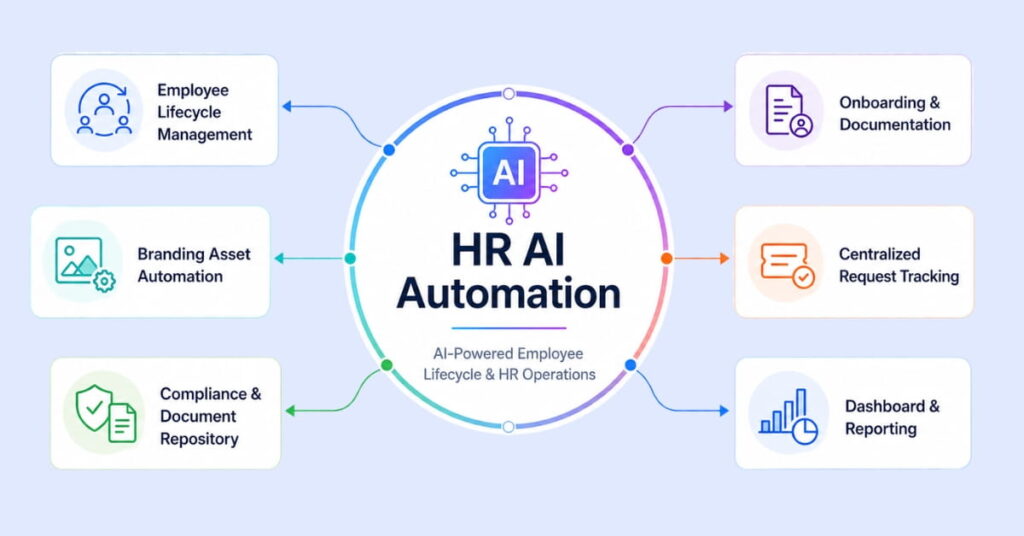
What started as an internal need to reduce repetitive HR tasks became a complete employee lifecycle automation system connecting HR, Admin, Operations, IT, Finance, and Management into one centralized workflow. The original portfolio highlights these core features: automated HR documentation, smart onboarding, real-time analytics, automated asset generation, lifecycle workflows, request tracking, and a secure document repository.
Key metrics:
- 72% reduction in repetitive HR documentation work
- 68% faster onboarding document preparation
- 1,200+ annual HR hours saved across documentation, follow-ups, and reporting
- 90% improvement in request tracking visibility
- 3x faster employee asset generation
The Challenge
As Riseup Labs scaled, the HR team had to manage a growing number of employee lifecycle tasks across multiple departments. Onboarding, document preparation, employee asset requests, approvals, reminders, and reporting were being handled through a mix of spreadsheets, emails, chat messages, design templates, and manual follow-ups.
This created operational friction across the employee journey.
Key pain points included:
- Manual document preparation: HR had to prepare offer letters, joining documents, appointment letters, onboarding emails, confirmation letters, appraisal files, and other employee documents manually.
- Slow employee onboarding: New hires often needed multiple documents, ID cards, branded assets, access requests, and cross-department approvals before their first day.
- Scattered request tracking: HR, Admin, IT, Finance, Operations, and Management relied on separate communication channels to coordinate employee-related tasks.
- Limited real-time visibility: Leadership had to depend on manual Excel reporting to monitor hiring time, onboarding progress, churn rate, pending requests, and HR performance.
- Inconsistent process execution: Since many workflows depended on manual reminders and follow-ups, important employee lifecycle events could be delayed or missed.
Repetitive design work: HR and Admin teams needed to generate employee-facing assets such as ID cards, visiting cards, birthday cards, promotional cards, and meeting backgrounds using approved templates.
The Solution
Riseup Labs developed an AI-powered HR automation system that turns repetitive HR activities into structured, trackable, and automated workflows.
The solution connects employee data, document generation, branded asset creation, approval routing, lifecycle reminders, analytics, and secure storage into one centralized operational system.
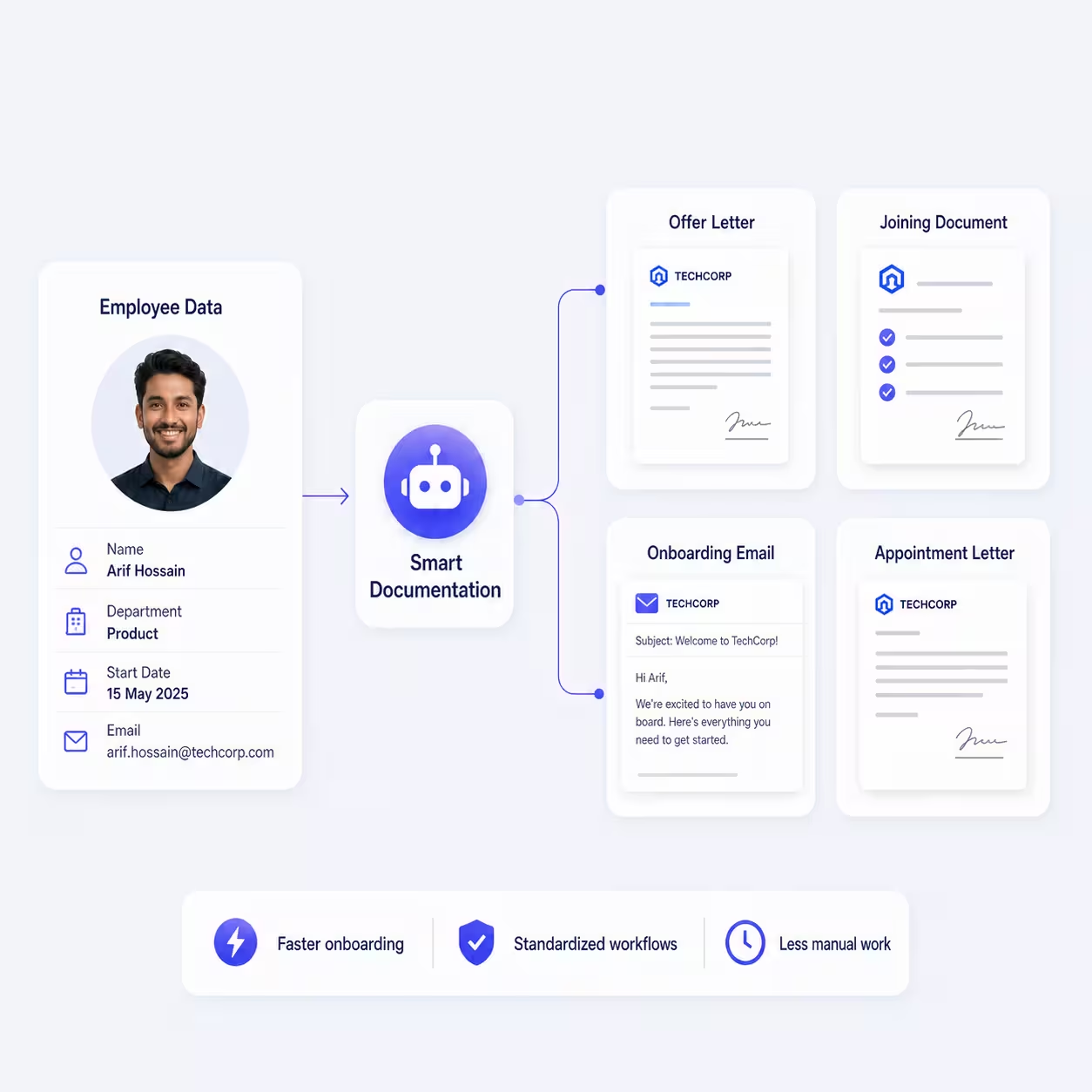
1. Automated HR Documentation
The system automatically generates key HR documents using approved templates and employee data from the Employee Management System.
Documents can include:
- Offer letters
- Joining documents
- Appointment letters
- Onboarding emails
- Confirmation letters
- Contract renewal letters
- Appraisal documentation
- Probation-related documents
- Employee status update letters
Instead of preparing each document manually, HR can trigger standardized workflows that pull verified employee data, apply the correct template, and generate ready-to-review documents.
Result: Document preparation time reduced from 25–30 minutes per employee to 7–10 minutes, including review.
2. Smart Employee Onboarding Workflow
The onboarding workflow was redesigned to reduce delays before and during a new employee’s first day.
Once a new employee record is created, the system can trigger:
- Required HR document generation
- Welcome and onboarding emails
- Admin and IT task notifications
- Asset request workflows
- Department-specific onboarding steps
- Management approval flows
- First-day readiness tracking
This helps ensure every new hire receives the right documents, branded materials, and internal support faster.
Result: Average onboarding preparation time reduced by 68%.
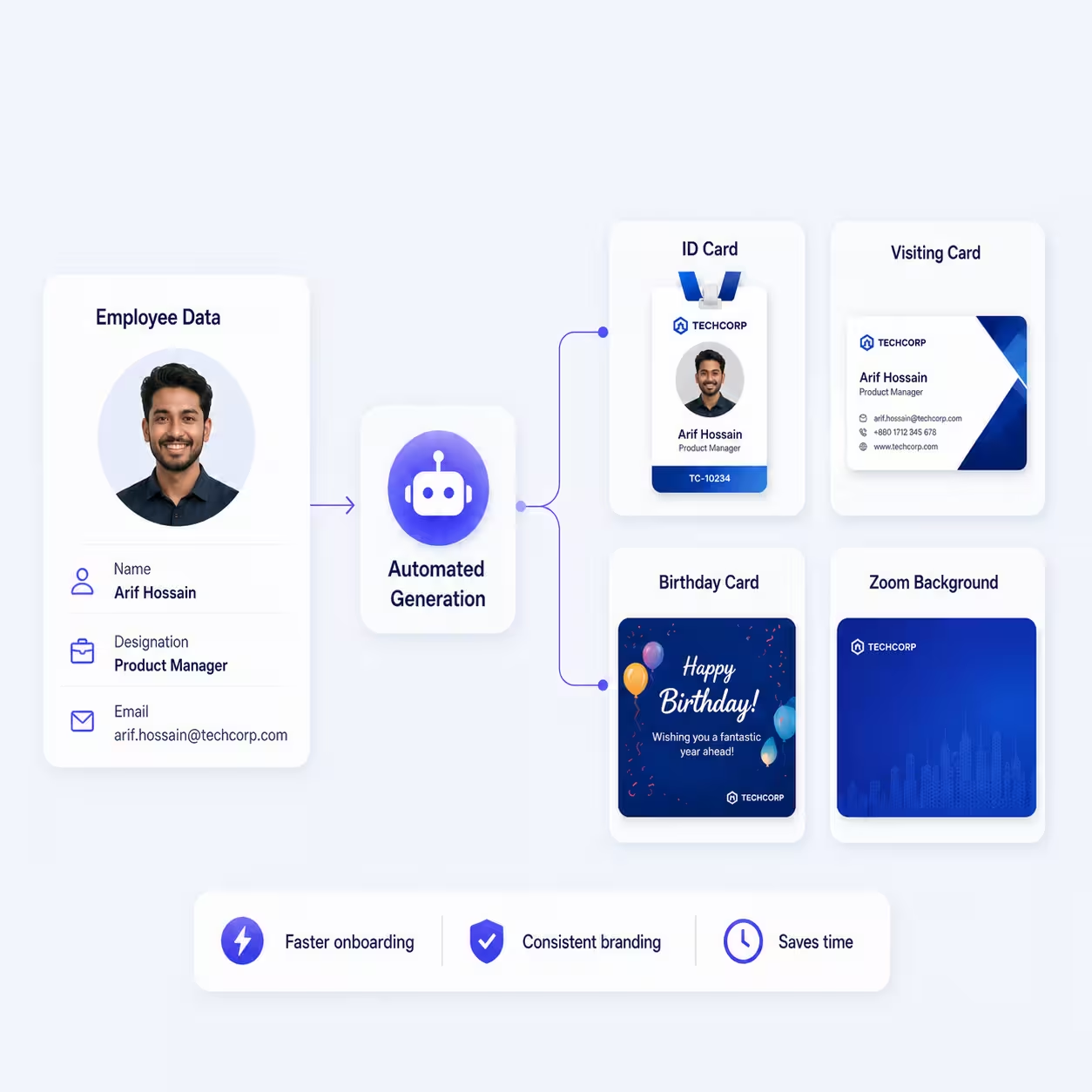
3. Automated Employee Branding Assets
The system generates employee branding materials using approved company templates and employee information.
Assets can include:
- ID cards
- Visiting cards
- Birthday cards
- Promotional cards
- Slack, Teams, and Zoom backgrounds
- Other internal branded materials
This reduces repeated design dependency while keeping every employee-facing asset consistent with brand guidelines.
Result: Employee asset generation became 3x faster, reducing design and admin coordination time.
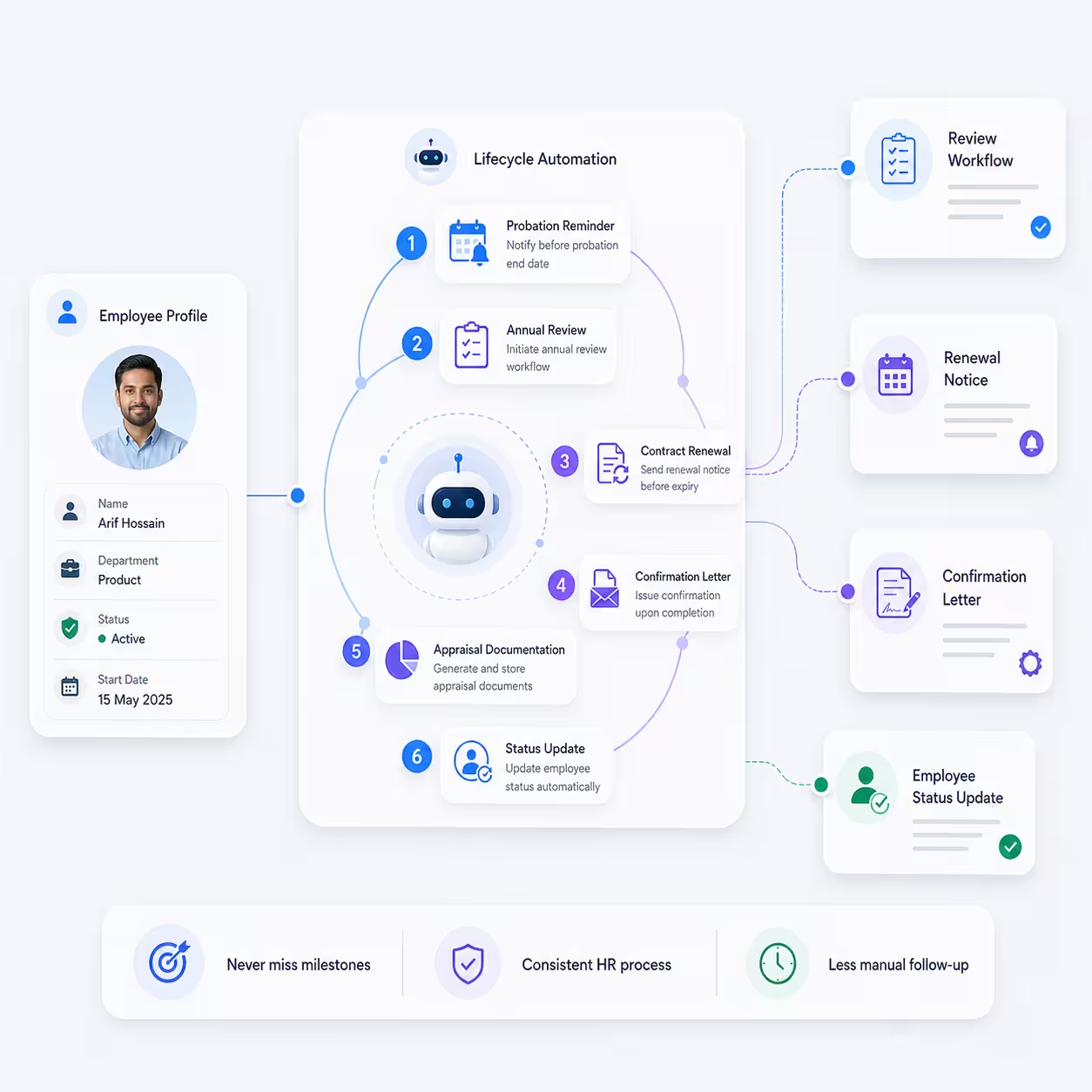
4. Employee Lifecycle Workflow Automation
The automation system supports recurring HR operations beyond onboarding.
It can trigger and track:
- Probation reminders
- Confirmation workflows
- Annual review processes
- Contract renewal alerts
- Appraisal documentation
- Employee status updates
- Pending approval reminders
- Cross-department task handoffs
This ensures employee milestones follow a consistent process and reduces the risk of missed HR events.
Result: Lifecycle reminder accuracy improved by 85–90% compared with manual tracking.
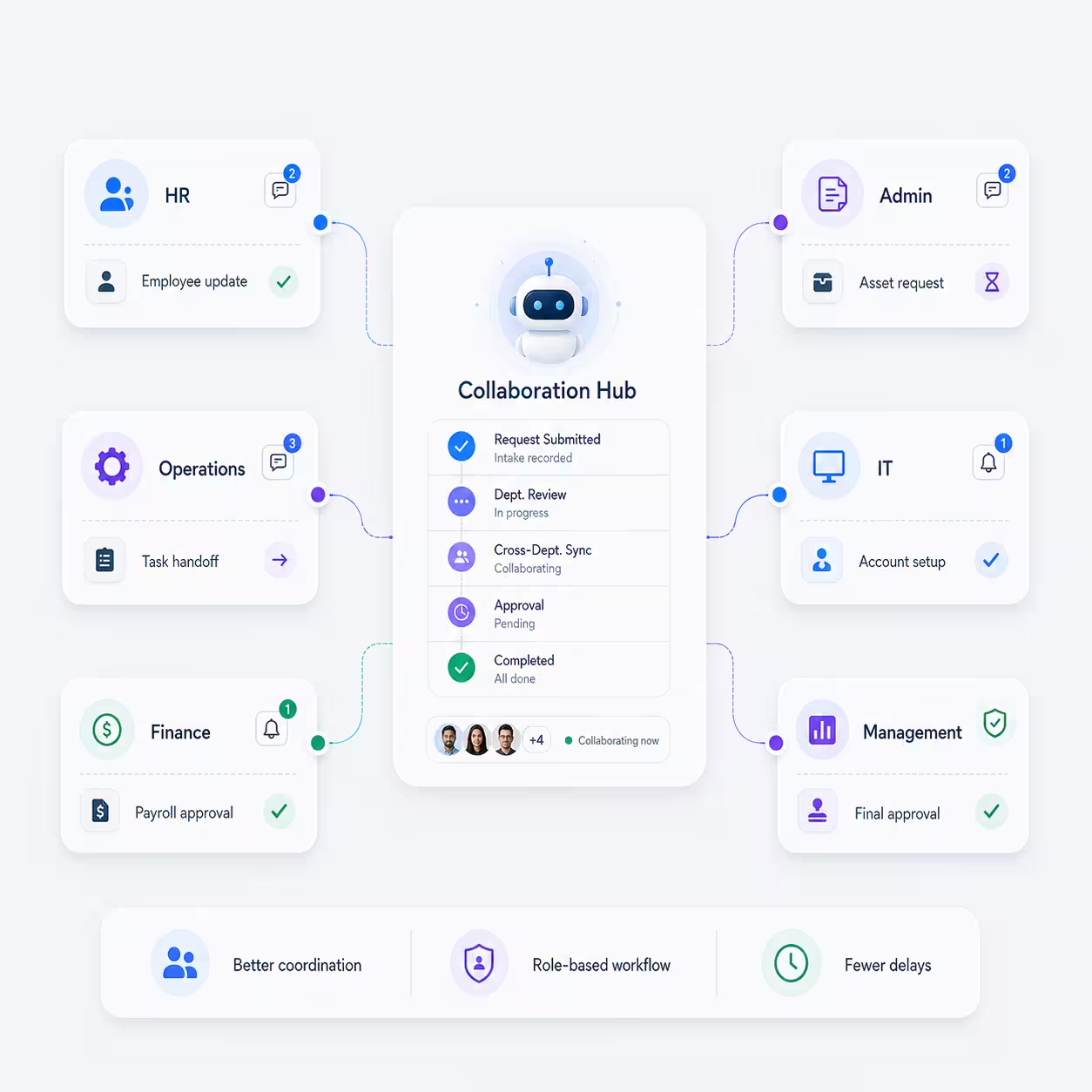
5. Cross-Departmental Collaboration Hub
Employee management often requires support from HR, Admin, IT, Finance, Operations, and Management.
The system centralizes coordination by sending automated notifications, routing approval requests, and updating task statuses based on each department’s role in the workflow.
This removes dependency on scattered emails, spreadsheet comments, and chat messages.
Result: Internal follow-up messages related to onboarding and HR requests reduced by 55%.
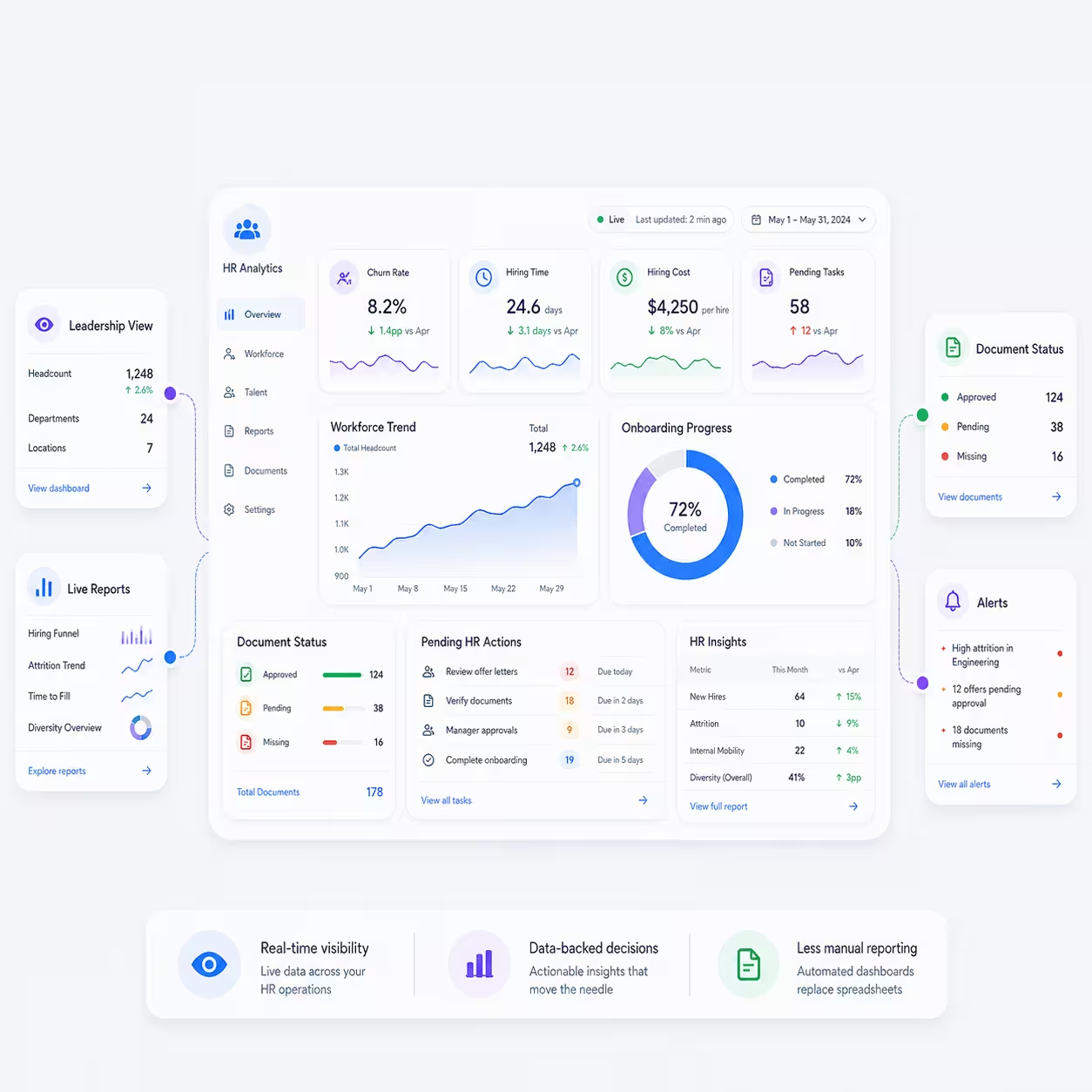
6. Real-Time HR Analytics Dashboard
The system includes a centralized analytics dashboard that gives HR and leadership real-time visibility into workforce operations.
The dashboard can track:
- Hiring time
- Hiring cost
- Churn rate
- Onboarding progress
- Document generation status
- Pending HR tasks
- Department-wise request status
- Approval bottlenecks
- Employee lifecycle milestones
This dashboard replaces manual Excel downloads and reporting with real-time workforce metrics.
Result: HR reporting time reduced from 4–5 hours per reporting cycle to under 45 minutes.
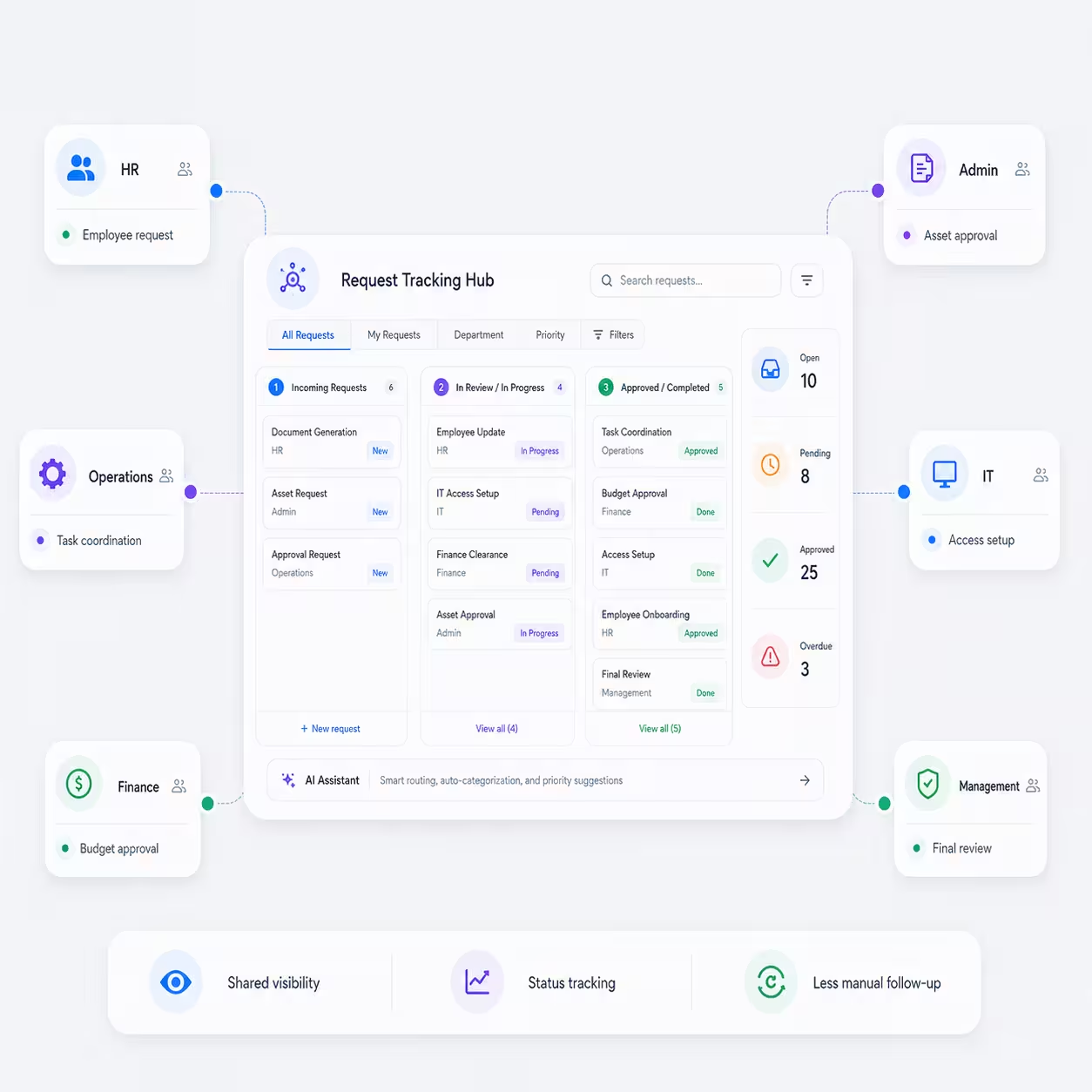
7. Centralized Request Tracking
The platform provides a shared dashboard for managing HR requests, approvals, document tasks, employee asset requests, and department coordination.
Instead of tracking requests through multiple tools, teams can view:
- Request owner
- Current status
- Pending approver
- Related documents
- Completion timeline
- Department-level responsibility
- Delayed or overdue tasks
Result: Request visibility improved by 90%, with fewer lost or duplicated requests.
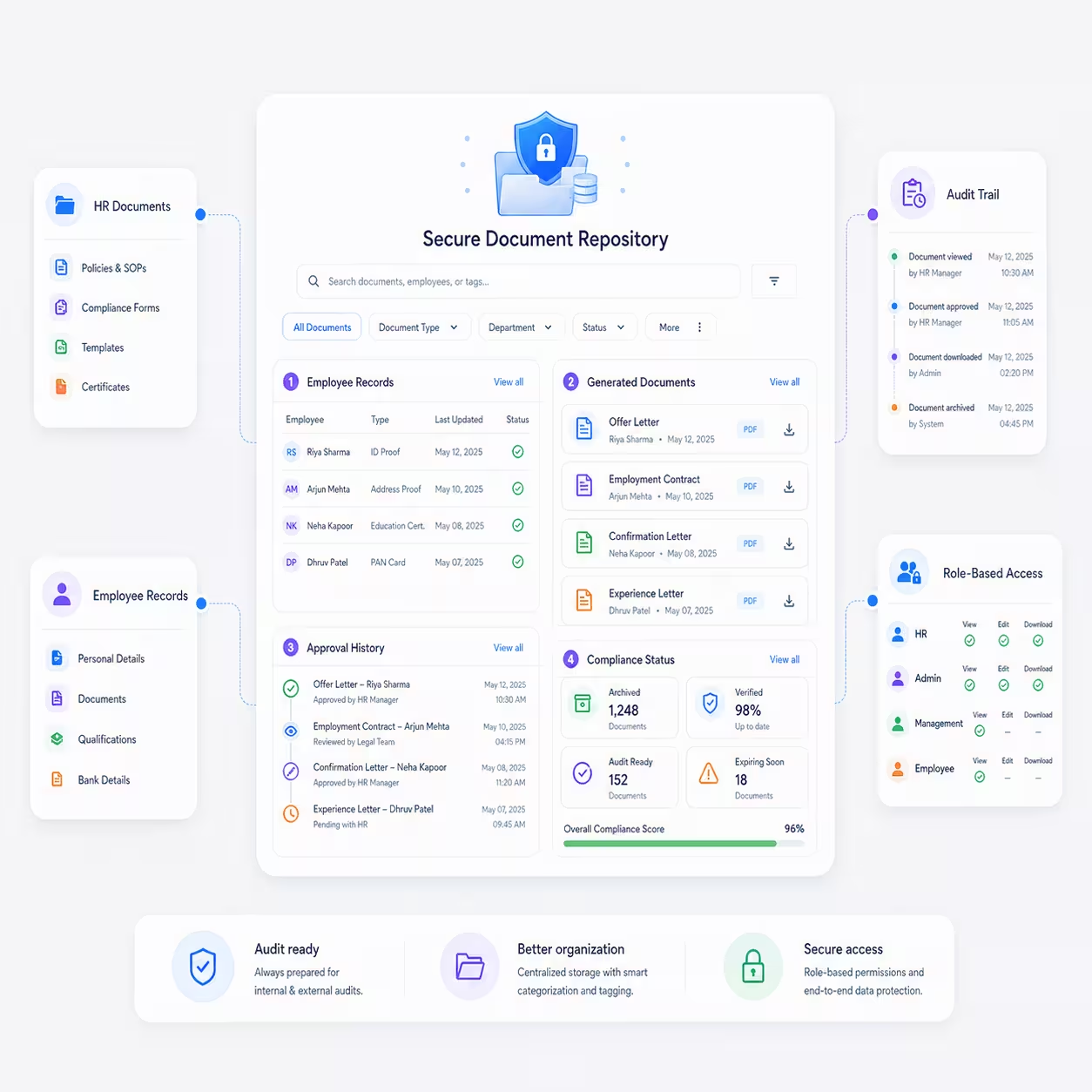
8. Secure Compliance & Document Repository
Generated documents, employee records, approval histories, and lifecycle-related files are stored in a structured repository.
This improves:
- Document discipline
- Audit readiness
- File accessibility
- Approval traceability
- Employee record consistency
- Compliance support
Before vs. After: The HR Operations Experience
Impact: How HR AI Automation Improved Internal Operations
72% Reduction in Repetitive HR Work
Automating document preparation, asset generation, follow-up reminders, and request tracking significantly reduced repetitive HR tasks.
68% Faster Onboarding Preparation
New employee documentation, onboarding emails, ID cards, and internal task assignments became faster and more consistent.
1,200+ Annual HR Hours Saved
By reducing manual document creation, reporting, asset coordination, and follow-up work, the system helped return hundreds of productive hours to HR and related departments.
55% Fewer Manual Follow-Ups
Automated notifications and approval routing reduced the need for repeated email and chat reminders.
90% Better Request Visibility
HR, Admin, IT, Finance, Operations, and Management gained a shared view of request status, pending approvals, and workflow bottlenecks.
Stronger Compliance Readiness
Generated documents, approval histories, and employee records became easier to store, organize, and retrieve.
The Business Value
HR AI Automation helped Riseup Labs move from people-dependent manual processes to system-driven operational consistency.
The solution created value in four major areas:
Operational Efficiency
Reduced repetitive administrative tasks and freed HR teams to focus on employee experience, hiring quality, and strategic people operations.
Employee Experience
New hires received documents, onboarding communication, and branded materials faster, creating a smoother first impression.
Leadership Visibility
Management gained real-time access to workforce metrics, pending tasks, onboarding progress, and HR performance indicators.
Process Consistency
Every document, asset, approval, and lifecycle event followed a standardized workflow, reducing errors and delays.
Conclusion
HR AI Automation transformed a fragmented internal HR process into a centralized, intelligent, and scalable employee lifecycle system.
By combining LLM-powered document generation, n8n workflow automation, React-based dashboards, Looker Studio reporting, and Google Workspace integrations, Riseup Labs created a solution that reduces manual work, improves onboarding speed, strengthens collaboration, and gives leadership real-time HR visibility.
The result is not just an HR tool, but a practical automation layer for modern business operations.