
Key Takeaway
- How to manage your offshore development team starts with clear roles, strong communication, proper onboarding, and measurable delivery goals.
- Use the right tools, documentation, and time zone planning to reduce confusion.
- Focus on trust, quality control, and accountability to build a productive offshore team.
Managing an offshore development team can help your business scale faster, reduce hiring pressure, and access skilled developers from global markets. But offshore success does not happen automatically. Without structure, remote collaboration can quickly turn into missed deadlines, unclear expectations, poor code quality, and communication gaps.
The good news is that offshore teams can work extremely well when the process is clear. The team may be in another country, but the workflow should still feel organized, transparent, and accountable.
This matters because outsourcing is still a major business strategy. Deloitte’s 2024 Global Outsourcing Survey found that 80% of executives plan to maintain or increase investment in third-party outsourcing, while skilled talent and agility have become major outsourcing drivers alongside cost reduction.
In this guide, you’ll learn how to manage your offshore development team, how to manage offshore developers across time zones, which tools to use, how to onboard offshore talent, and how to improve quality, productivity, and long-term collaboration.
Summary Table: Key Steps & Best Practices for Managing Offshore Development Teams
| Step | Key Best Practice | Pro Tip/Metric |
| 1. Define roles, goals, KPIs | Use OKRs and clear responsibility matrices | Track goals in a shared dashboard |
| 2. Select management & comms tools | Choose global-friendly, integrated platforms | Favor tools already familiar to the team |
| 3. Onboard & transfer knowledge | Standardized checklist, mentorship | Always provide access to code/wiki documentation |
| 4. Build comms protocols | Combine async/sync, use overlap hours wisely | Publish protocols; use timezone mapping tools |
| 5. Foster team culture & motivation | Recognize achievements, invest in DEI | Rotate meeting leads, respect local holidays |
| 6. Monitor quality & productivity | Automate metrics dashboards, regular retros | Use CI/CD pipelines and real-time reporting |
| 7. Manage risk & compliance | Maintain risk matrices and legal documentation | Assign risk owners, review regularly |
What Is An Offshore Development Team?
An offshore development team is a group of software professionals who work for your company from another country. Businesses usually hire offshore teams to access skilled developers, reduce development costs, and scale projects faster than local hiring allows.
These teams can include software developers, UI/UX designers, QA engineers, DevOps specialists, project managers, and tech leads. They may work as a dedicated team, support your in-house developers, or handle a specific part of your software project.
Offshore teams are different from general remote teams. All offshore teams work remotely, but not every remote team is offshore. The term offshore specifically means the team is located in a different country or region from the client.
They are also different from nearshore teams. Nearshore teams usually work from nearby countries with similar time zones, while offshore teams may work from farther regions with bigger time zone differences.
Common offshore development models include:
- Dedicated Team: A full-time offshore team works only on your project.
- Staff Augmentation: Offshore developers join your existing in-house team to fill skill gaps.
- Hybrid Offshore-Onshore Team: Local and offshore members work together, often splitting tasks by expertise, urgency, or time zone.
Why Do Companies Choose Offshore Development?
Companies choose offshore development because it gives them access to skilled developers beyond their local market. It can also help reduce hiring costs, speed up product development, and fill technical skill gaps faster.
The most common reasons include:
- Cost Efficiency: Offshore teams can reduce development expenses compared to local hiring.
- Access To Global Talent: Businesses can hire developers with specific skills that may be hard to find locally.
- Faster Scaling: Offshore teams make it easier to add developers, QA engineers, or DevOps support without a long recruitment cycle.
- Flexible Delivery: Teams across time zones can support extended development coverage.
- Specialized Expertise: Offshore partners often provide skills in web, mobile, cloud, AI, QA, and DevOps.
So yes, the next rewrite should be more article-like, with fewer tables and more natural flow.
What Are the Biggest Challenges in Managing Offshore Development Teams?
Offshore development can bring strong benefits, but the team will only perform well if it is managed properly. In many cases, offshore projects fail not because the developers lack talent, but because goals, communication, ownership, and quality standards are not clear from the start.
The most common challenges include:
- Time Zone Differences: Limited overlap hours can slow decisions, delay feedback, and make urgent collaboration harder.
- Communication Gaps: Unclear instructions, weak documentation, or language differences can lead to misunderstandings and repeated work.
- Cultural Differences: Teams may have different expectations around deadlines, feedback, hierarchy, meeting style, or decision-making.
- Quality Control Issues: Without clear acceptance criteria, code reviews, and QA processes, bugs and rework can increase.
- Lack Of Accountability: If roles and ownership are unclear, tasks can fall through the cracks or miss deadlines.
- Team Turnover: When offshore developers leave, project knowledge can disappear with them unless documentation and handover processes are strong.
To avoid these problems, offshore teams need clear workflows, written expectations, regular check-ins, and a management style built on trust rather than micromanagement..
How to Manage Your Offshore Development Team: Step-by-Step Framework
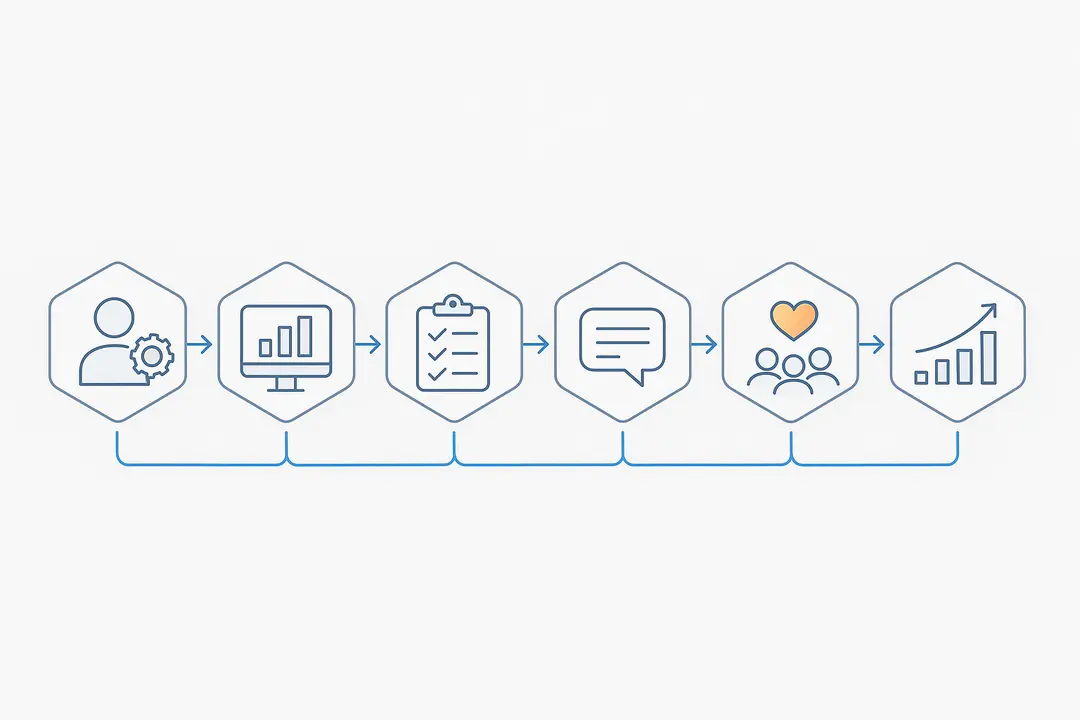
To manage an offshore development team effectively, you need more than task assignments. You need a clear system for communication, accountability, onboarding, quality control, and team culture.
A strong offshore management process usually includes seven key steps:
- Define clear roles, goals, and KPIs
- Choose the right project management and communication tools
- Create a structured onboarding and knowledge transfer process
- Set clear sync and async communication rules
- Hold regular feedback and performance reviews
- Build trust, inclusion, and team motivation
- Monitor quality, productivity, and project risks
When these steps are handled properly, your offshore developers can work as a reliable extension of your in-house team instead of feeling like a disconnected external vendor.
Let’s break down each step for practical implementation.
How Do You Define Roles, Goals, and KPIs for Offshore Teams?
How Do You Define Roles, Goals, And KPIs For Offshore Teams?
Clear roles and measurable goals are the foundation of successful offshore development team management. Every team member should understand what they are responsible for, who they report to, and how their work will be measured.
Start by aligning business goals with technical tasks. For example, instead of saying “build the dashboard,” define what the dashboard should achieve, which features are required, who owns the backend, who reviews the UI, and what deadline the team must follow.
Common offshore team roles include:
- Project Manager: Manages timelines, communication, sprint planning, and delivery updates.
- Product Owner: Defines priorities, explains business goals, and maintains the product roadmap.
- Tech Lead: Makes technical decisions, reviews code, and guides developers.
- Developers: Build features, fix bugs, and maintain the codebase.
- QA Engineers: Test features, report defects, and protect product quality.
For KPIs, avoid tracking only hours worked. Better metrics include sprint completion rate, code quality, bug count, test coverage, delivery accuracy, and blocker resolution time. These give you a clearer view of real performance.
What Are the Best Tools for Managing Offshore Development Teams?

The best tools are the ones that keep work visible, organized, and easy to track across time zones. You do not need too many tools; you need a simple stack that everyone uses consistently.
Top Tool Categories
- Project Management: Jira, Asana, Monday.com, ClickUp—track tasks, sprints, and deliverables.
- Communication: Slack, Microsoft Teams, Zoom—enable real-time and asynchronous messaging, meetings.
- Documentation/Knowledge Base: Confluence, Notion, GitHub Wikis—centralize SOPs, code standards, onboarding material.
- Time Tracking & QA: Harvest, Toggl, TestRail—monitor billable hours and ensure testing rigor.
- AI Collaboration: Tools like Linear or Superhuman AI integrations automate assignments and workflow triage.
Tool Comparison Table
| Function | Best-in-class Tools | Key Features |
| Planning | Jira, Asana, Monday | Sprint boards, task dependencies |
| Communication | Slack, MS Teams, Zoom | Channels, video, file sharing |
| Docs/Wikis | Confluence, Notion, GitHub | Searchable, version control |
| QA | TestRail, Zephyr | Test planning, traceability |
| Time tracking | Harvest, Toggl | Reports, integration support |
Choose tools your teams already know when possible minimizing the learning curve and adoption friction.
How Should You Onboard and Transfer Knowledge to Offshore Teams?
Good onboarding helps offshore developers become productive faster. Without it, new team members waste time asking basic questions, searching for information, or making assumptions about the project.
A strong onboarding process should include:
- A project overview and business goals
- Tool access and login setup
- Codebase and repository walkthrough
- Architecture and system documentation
- Coding standards and review process
- Security rules, NDA, and access policies
- Sprint workflow and communication rules
- A mentor or buddy for the first few weeks
Knowledge transfer should not depend only on meetings. Keep important information in shared documentation, including process guides, architecture diagrams, API details, design links, and deployment instructions.
This is especially important for offshore teams because time zone gaps can slow down answers. Good documentation helps developers continue working even when the onshore team is offline.
What Are the Best Practices for Communication and Time Zone Management?
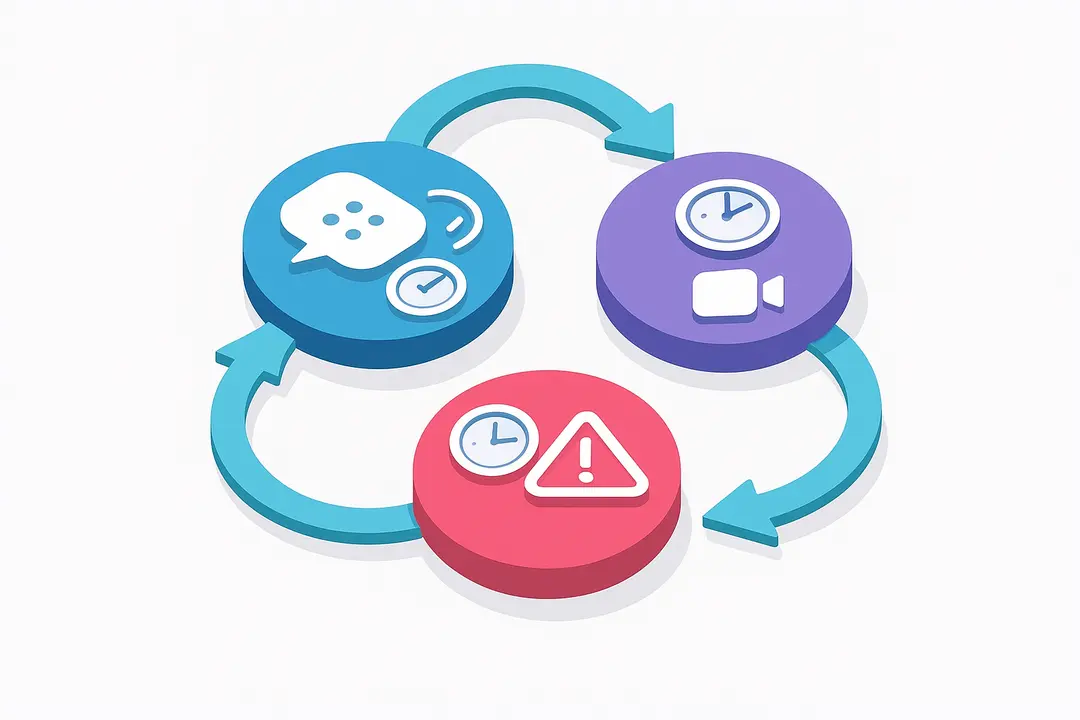
Communication is one of the biggest challenges in offshore development. The best teams solve this by combining live meetings with strong written communication.
Use synchronous communication for planning, sprint reviews, demos, complex discussions, and urgent blockers. Use asynchronous communication for status updates, task comments, decisions, documentation, and handoffs.
To manage time zones better:
- Set 2–4 hours of overlap time when possible
- Use shared calendars for meeting visibility
- Record important meetings for absent team members
- Write clear handoff notes at the end of the day
- Define response-time expectations
- Keep urgent issues separate from normal updates
- Document every major decision after meetings
A good handoff should answer three questions: what was completed, what is blocked, and what should happen next.
How Can You Build and Sustain a Strong, Inclusive Team Culture Remotely?
Offshore developers should feel like part of the product team, not just outside contractors receiving tasks. A strong team culture improves motivation, trust, and retention.
To build that culture, include offshore developers in planning discussions, ask for their technical opinions, recognize good work, and share product updates with them. When developers understand the business goal behind the task, they make better decisions.
You should also respect local holidays, time zones, and cultural differences. Feedback styles, meeting behavior, and communication habits can vary by region, so create a culture where people feel safe to ask questions and raise concerns early.
Small actions matter. Public recognition, regular retrospectives, clear growth opportunities, and inclusive meetings can help offshore developers stay engaged for the long term.
How Do You Monitor Productivity, Quality, and Manage Risk in Offshore Teams?
Monitoring offshore teams should not mean micromanaging every hour. The goal is to track progress, quality, and risks in a way that supports better delivery.
Focus on practical metrics such as:
- Sprint velocity
- Task completion rate
- Code review time
- Bug rate
- Test coverage
- Deployment frequency
- Blocker resolution time
- Team retention
- Compliance or security issues
Use dashboards in Jira, GitHub, GitLab, or other project tools to keep progress visible. Regular code reviews, automated testing, CI/CD pipelines, and QA checks help maintain quality before problems reach production.
Risk management is also important. Offshore projects can face risks related to delivery delays, security, IP protection, team turnover, and knowledge loss. Keep a simple risk register, assign owners, and review it regularly.
The best offshore teams are measured by outcomes, not just activity. When quality, communication, and ownership are tracked properly, offshore development becomes easier to manage and scale.
Case Studies: What Works (and What Fails) in Offshore Management
Learning from real-world successes and failures enables you to navigate common pitfalls and replicate proven tactics.
Case studies show that clear alignment, robust onboarding, and cultural sensitivity drive offshore success, while neglecting these areas often leads to project failure.
Success Example
A US-based SaaS company hired a dedicated development team in Eastern Europe. They implemented structured onboarding, daily check-ins across time zones, and regular virtual team-building events. Result: Time-to-market improved by 30%, and annual turnover dropped below industry average.
Failure Example
A fintech startup outsourced to a third-party vendor in South Asia. There was no clarity on feature priorities, infrequent communication, and zero investment in documentation. Within six months, product quality declined and three key contributors left. This led to project delays and unexpected rehiring costs.
Lessons Learned Table
| Tactic/Pitfall | Outcome | Action to Replicate or Avoid |
| Structured onboarding | Success | Standardize knowledge transfer |
| Regular team meetings | Success | Schedule consistent overlap windows |
| Poor documentation | Failure | Mandate wikis and SOPs |
| No feedback/culture program | Failure | Invest in DEI and team-building |
Best Practices For Managing Offshore Developers
Managing offshore developers works best when expectations, communication, and ownership are clear from the beginning. These best practices help reduce confusion and keep the team productive.
- Document Important Information: Keep meeting notes, decisions, requirements, deadlines, and action items in a shared place so everyone can refer back to them.
- Use Clear Acceptance Criteria: Every task should explain what needs to be done, what “done” means, and how the work will be reviewed.
- Keep Meetings Focused: Use meetings for planning, problem-solving, demos, and blockers. Avoid long meetings that only repeat status updates.
- Track Outcomes, Not Just Hours: Instead of micromanaging every working hour, focus on completed tasks, quality, blockers, and delivery progress.
- Review Code Regularly: Code reviews improve quality, reduce bugs, and help offshore and in-house developers learn from each other.
- Create Feedback Loops: Use sprint reviews, retrospectives, and one-on-one check-ins to improve workflow, communication, and team performance.
- Plan Knowledge Transfer: Make sure important project knowledge is documented and shared, so the project does not depend on one person.
- Build Long-Term Relationships: Stable offshore teams perform better over time because they understand your product, codebase, and business goals.
Common Mistakes To Avoid
Even skilled offshore developers can struggle if the management process is weak. Avoid these mistakes to keep delivery smooth and predictable.
- Starting Without Clear Requirements: Vague tasks lead to rework, missed expectations, and delays. Define scope, priorities, and deliverables before development starts.
- Ignoring Time Zone Planning: Without overlap hours, clear handoffs, and shared calendars, collaboration becomes slower and more frustrating.
- Using Too Many Tools: Scattered tools create confusion. Keep your project management, communication, documentation, and code tools simple and consistent.
- Treating Offshore Developers Like Vendors Only: Offshore teams work better when they understand the product context and feel included in planning, not just task execution.
- Skipping Documentation: Poor documentation makes onboarding, troubleshooting, and handoffs harder, especially across time zones.
- Measuring Only Hours Worked: Hours do not always reflect quality, ownership, or progress. Track outcomes, code quality, bug rates, and completed deliverables.
- Not Planning For Security: Weak access control can expose code, credentials, and customer data. Use NDAs, role-based access, MFA, and secure repositories from the start.
Conclusion
Learning how to manage your offshore development team is really about building a clear system for collaboration. Offshore success depends on more than hiring skilled developers. It requires clear goals, documented workflows, reliable tools, strong communication, and consistent quality control.
When you manage offshore developers with structure and trust, they can become a reliable extension of your internal team. Start with clear roles, improve onboarding, create communication rules, monitor the right metrics, and protect your project with strong security practices.
A well-managed offshore development team can help you scale faster, deliver better software, and build long-term development capacity without losing control of quality or communication.
Frequently Asked Questions About Offshore Development Team Management
What Are The Top Challenges In Offshore Development Team Management?
The biggest challenges in offshore development team management include time zone differences, communication gaps, cultural misalignment, inconsistent quality control, unclear expectations, and high turnover. Clear workflows and regular check-ins help reduce these issues.
How Do You Ensure Effective Communication When You Manage Offshore Developers?
To manage offshore developers effectively, set clear communication rules for live meetings and written updates. Use tools like Slack, Zoom, Jira, or ClickUp, document key decisions, and schedule regular overlap meetings across time zones.
What Project Management Tools Help Manage Offshore Developers?
Tools like Jira, Asana, Monday.com, and ClickUp help track tasks, sprints, deadlines, and team progress. Slack, Zoom, and Microsoft Teams support communication, while documentation tools help keep offshore development team management more organized.
How Can You Align Goals Between Onshore And Offshore Developers?
Learning how to manage your offshore development team starts with shared goals. Define clear responsibilities, set project milestones, use OKRs or sprint goals, and review progress regularly with both onshore and offshore team members.
How Do You Manage Time Zone Differences In Offshore Development Team Management?
Use shared calendars, define overlap hours, record important meetings, and rely on written updates for asynchronous work. When you manage offshore developers across time zones, clear handoffs and documented tasks are essential.
What Are Best Practices For Onboarding Offshore Developers?
Start with clear documentation, tool access, project goals, coding standards, security rules, and team responsibilities. Good offshore development team management also includes assigning mentors and holding regular feedback sessions during the first month.
How Can You Build Trust And Accountability When You Manage Offshore Developers?
Build trust by setting clear expectations, sharing progress openly, recognizing good work, and avoiding micromanagement. To manage offshore developers successfully, use transparent dashboards, regular check-ins, and a culture where people can raise issues early.
What KPIs Should You Use To Measure Offshore Team Productivity?
Use KPIs such as sprint velocity, task completion rate, code quality, bug resolution time, deployment frequency, communication responsiveness, and retention rate. These metrics help improve offshore development team management without relying only on hours worked.
How Do You Reduce Turnover And Retain Key Offshore Developers?
To retain offshore developers, provide strong onboarding, fair communication, career growth, regular feedback, recognition, and training opportunities. A healthy team culture is essential when learning how to manage your offshore development team for long-term success.
This page was last edited on 9 July 2026, at 11:10 am

Start a conversation with our team to solve complex challenges and move forward with confidence.