
Software outsourcing presents both significant opportunities and risks for modern organizations. When done right, it unlocks access to global talent, innovation, and faster delivery—yet, poor execution leads to costly delays, wasted budgets, and failed projects. The golden rules of software outsourcing are the proven, foundational guidelines that separate success from disappointment.
The stakes are high: According to the Standish Group’s CHAOS Report, a substantial portion of IT projects fail to meet expectations, with budget overruns and unmet requirements among the most common pitfalls. Fragmented approaches and lack of unified processes compound these risks in outsourced software projects.
This playbook provides a complete, step-by-step framework of the golden rules for software development outsourcing. By following these principles, you’ll minimize risk, boost ROI, and help your organization achieve stronger, more predictable results.
What Are the Golden Rules of Software Outsourcing?
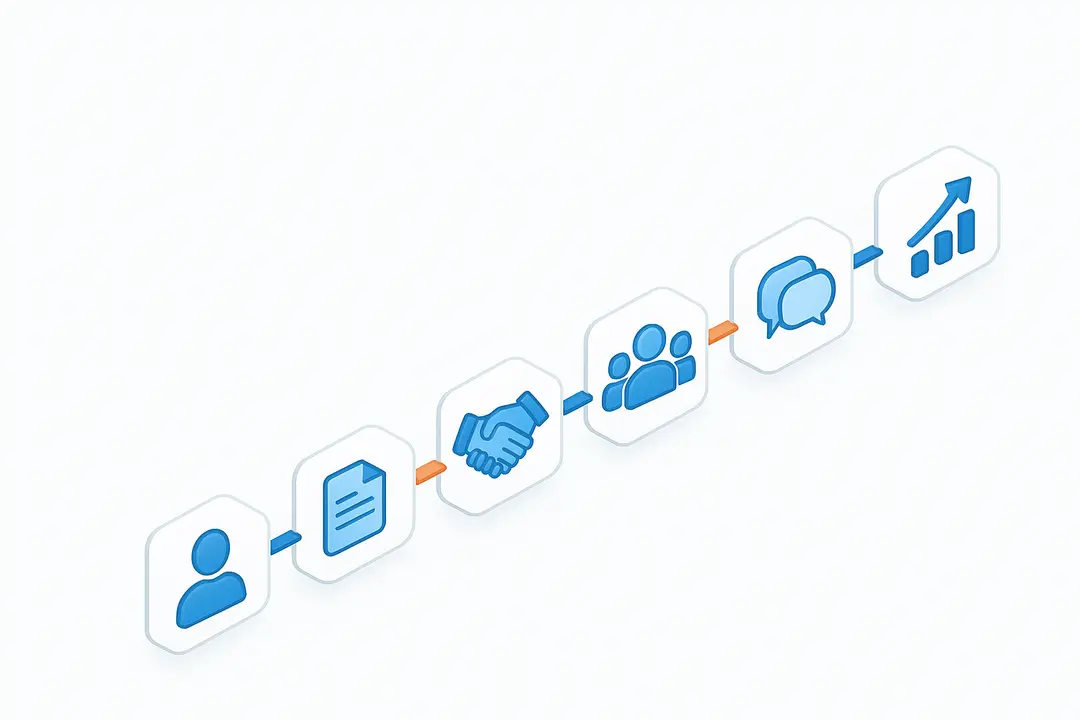
The golden rules of software outsourcing are universally recognized best practices that guide successful vendor relationships, project delivery, and risk management.
Quick List:
- Secure Stakeholder & Staff Buy-In Before You Outsource
- Define & Document Detailed Project Scope from Day One
- Align Outcomes with Core Business Objectives
- Establish Clear Roles, Responsibilities & Accountability (RACI)
- Build Mutual Trust, Transparency, and Cultural Understanding
- Prioritize Continuous, Multi-Channel Communication
- Integrate Quality Assurance & Testing Early and Continuously
- Address Legal, Compliance, and Data Security Obligations Upfront
- Monitor Progress, Evaluate, and Adapt Your Approach
| Rule # | Rule Summary | Why It Matters/Consequences if Neglected |
| 1 | Get internal buy-in and alignment | Reduces resistance, prevents hidden project risks |
| 2 | Start with a clear, documented scope | Prevents scope creep, disputes, misaligned goals |
| 3 | Tie outcomes to business strategy | Ensures true ROI and strategic value |
| 4 | Clarify roles and accountabilities (RACI matrix) | Avoids confusion, gaps, or blame games |
| 5 | Build transparent, trust-based relationships | Fosters collaboration, avoids cultural pitfalls |
| 6 | Maintain disciplined, multi-channel communication | Cuts rework, missteps, and lost context |
| 7 | Implement continuous quality assurance/testing | Detects defects early, ensures reliability |
| 8 | Lock in legal, compliance, and data protection measures | Prevents legal issues, audits, and reputational loss |
| 9 | Track progress and adapt constantly | Enables course correction and long-term success |
How Do the Golden Rules Drive Success? (Why Each Rule Matters)
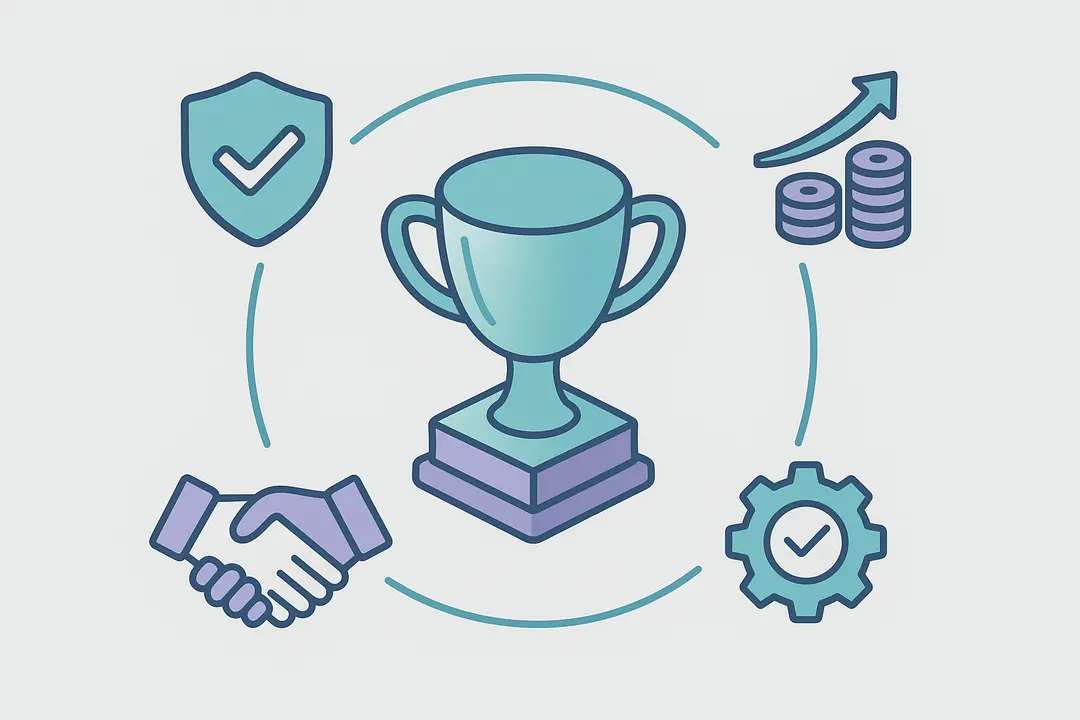
Following these golden rules of software outsourcing significantly increases your project’s chances of success. Each rule is designed to avoid the most common outsourcing mistakes, protect your investment, and drive collaboration.
- Risk Reduction: Clear scope, accountability, and legal frameworks prevent avoidable disputes and overruns.
- Improved ROI: Aligned objectives and early QA maximize delivered value.
- Higher Quality: Continuous communication and testing catch issues before they become costly.
- Resilient Partnerships: Focus on trust and cultural understanding reduces churn and vendor conflicts.
The Standish Group’s research consistently finds that projects with formalized processes and governance are far more likely to succeed. By adhering to these rules, organizations can sidestep common pitfalls and outperform their peers.
The Golden Rules of Software Outsourcing Explained
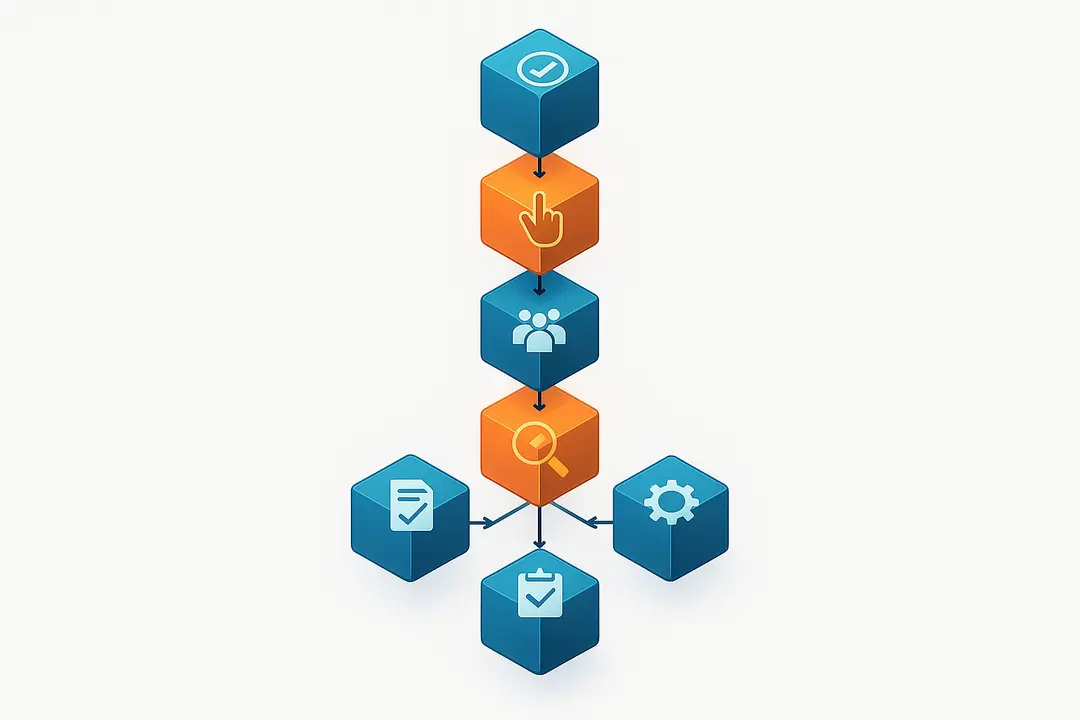
1. Secure Stakeholder & Staff Buy-In Before You Outsource
Gaining full internal buy-in is essential before engaging any outsourcing partner. It ensures that your team is unified, motivated, and ready to collaborate for project success.
- Why it matters: Internal resistance and unclear expectations are leading causes of project failure. Without buy-in, staff may withhold vital information or actively undermine transitions.
- How to do it:
- Involve end-users and key staff early in vendor selection and planning.
- Communicate project goals, benefits, and changes transparently.
- Address concerns—common fears include job security, loss of control, or changes to workflow.
- Example: A multinational company struggled with outsourced software delivery because business unit staff were not consulted. This led to duplicated workstreams and project delays.
Tip: Hold all-hands meetings and Q&A sessions before kickoff to build consensus.
2. Define & Document Detailed Project Scope from Day One
A clear, detailed scope prevents confusion, delays, and scope creep in outsourced software projects. Every successful outsourcing project starts with well-defined requirements.
- Why it matters: Incomplete or shifting requirements are cited in the Standish CHAOS Report as top contributors to project failures and overruns.
- How to do it:
- Use standardized scope templates or requirements documentation (including features, deliverables, and exclusions).
- Set measurable acceptance criteria.
- Document milestones, timelines, and payment triggers.
- Tools: Leverage frameworks such as ISO 9001 for process quality or Agile user story templates.
- Common pitfall: Vague requirements lead to misinterpretation and costly rework.
Sample Scope Checklist:
- Project objectives
- Feature list with priorities
- Technical/environment constraints
- Acceptance and success criteria
- Change request process
3. Align Outcomes with Core Business Objectives
Every outsourced software project should directly support your most important business goals. Technical delivery alone is not enough.
- Why it matters: Projects misaligned with business needs drain resources and miss key ROI targets.
- How to do it:
- Identify and communicate core business drivers from the start.
- Set KPIs and performance metrics relevant to business impact—like user adoption, cost savings, or revenue.
- Involve business stakeholders in ongoing reviews.
- Example: An ecommerce company outsourced a mobile app build that didn’t integrate with their logistics systems, causing rollout delays and extra costs.
Checklist:
- Do outcomes map to business plans or OKRs?
- Are stakeholders from IT and business collaborating?
- Is success defined with business, not just technical, measures?
4. Establish Clear Roles, Responsibilities & Accountability (RACI Matrix)
Defining responsibilities prevents finger-pointing, duplication, and missed tasks. A RACI matrix makes “who does what” visible to all.
- Why it matters: Lack of role clarity introduces costly delays and gaps. Accountability is central to IT outsourcing guidelines.
- How to do it:
- Build a RACI matrix covering all key activities (Responsible, Accountable, Consulted, Informed).
- Review matrix with both internal staff and vendors at project kickoff.
- Example: Without a shared responsibility matrix, one enterprise’s cloud migration project stalled when vendor and client each assumed the other would handle infrastructure security.
Example RACI Matrix:
| Task | Client PM | Vendor Lead | QA Lead |
| Requirements Gathering | R/A | C | I |
| Architecture Review | C | R | I |
| QA/Test Cases | I | C | R/A |
(R = Responsible, A = Accountable, C = Consulted, I = Informed)
5. Build Mutual Trust, Transparency, and Cultural Understanding
High-trust relationships and cultural awareness form the foundation of successful offshore or nearshore software outsourcing. Misalignment here can derail projects fast.
- Why it matters: Distrust, hidden agendas, or cultural disconnects lead to miscommunication and missed expectations.
- How to do it:
- Establish open, regular feedback channels.
- Discuss cultural differences proactively—address language, hierarchy, work habits.
- Share wins and learnings transparently on both sides.
- Real-world example: One Western European firm’s agile team failed in Vietnam due to unaddressed differences in feedback styles and hierarchy, leading to hidden errors.
- Practice: Start with small, trust-building projects before scaling up.
Trust-Building Tips:
- Conduct joint retrospectives—not just status updates.
- Recognize achievements on both teams.
- Encourage direct access between decision-makers.
6. Prioritize Continuous, Multi-Channel Communication
Robust communication prevents errors, rework, and schedule slippage in software outsourcing projects. Consistent updates build alignment across locations and time zones.
- Why it matters: Projects relying on sporadic or single-channel communication (like email-only) frequently suffer delays and misunderstandings.
- How to do it:
- Use weekly video syncs, chat tools (Slack, Teams), and shared documentation platforms.
- Implement Agile ceremonies—standups, sprint planning, and demos.
- Centralize updates and decisions for easy reference.
- Pitfall: Relying solely on email loses context and creates parallel conversations.
Communication Plan Template:
- Meeting cadence/schedule
- Channels/tools per purpose (e.g., Slack for quick questions, Jira for issue tracking)
- Documentation and recording standards
- Escalation process
7. Integrate Quality Assurance & Testing Early and Continuously
Quality must be an ongoing focus—not an afterthought. Continuous QA in software outsourcing reduces bugs, ensures reliability, and lowers total costs.
- Why it matters: Late stage or “hand-off” QA leads to high defect rates and missed delivery dates.
- How to do it:
- Engage QA professionals early in requirements and design.
- Use automated tests for frequent builds and deployments.
- Apply industry QA standards (e.g., ISTQB, ISO 9001).
- Define acceptance criteria for each deliverable and enforce them consistently.
- Example: A fintech firm involved test automation from day one with their partner, reducing release cycle times and support tickets significantly.
Continuous QA Steps:
- Review requirements with QA early
- Automate core test cases
- Run regression tests with each sprint
- Conduct regular code reviews
8. Address Legal, Compliance, and Data Security Obligations Upfront
Proactively managing legal, contractual, and data protection matters is non-negotiable in IT outsourcing. Overlooking these risks future fines, IP loss, and reputational damage.
- Why it matters: Poor vendor contracts or neglecting frameworks like GDPR can have costly consequences, especially with sensitive data or cross-border work.
- How to do it:
- Draft comprehensive contracts covering IP ownership, NDAs, dispute resolution, and exit clauses.
- Align with relevant data privacy frameworks (GDPR, ISO/IEC 27001).
- Clearly define security controls, audit rights, and compliance expectations.
- Common Oversight: Neglecting to specify software copyright can result in later IP disputes.
Checklist for Outsourcing Contracts:
- Intellectual property ownership
- Confidentiality (NDA) clauses
- Data protection and privacy (e.g., GDPR)
- Termination/exit provisions
- Escalation and dispute resolution processes
9. Monitor Progress, Evaluate, and Adapt Your Approach
Regular tracking and course correction are essential for long-term project and partnership success. Static plans fail to account for change—dynamic monitoring is key.
- Why it matters: Without ongoing evaluation, issues go undetected until it’s too late to fix them affordably.
- How to do it:
- Define metrics/KPIs (velocity, defect rates, milestone achievement).
- Hold structured reviews (monthly/quarterly) with the vendor.
- Embrace Agile feedback loops for rapid course correction.
- Be ready to escalate or adapt as needed based on data.
- Example: One SaaS company improved feature delivery by adopting biweekly joint retrospectives with its outsourcing provider.
Progress Monitoring Essentials:
- Dashboard/reporting of key metrics
- Formal review cycle cadence
- Continuous improvement logs/actions
Real-World Success & Failure Stories in Software Outsourcing
Learning from real cases highlights how adhering to—or neglecting—the golden rules shapes outcomes. Below, brief snapshots illustrate the direct impact:
- Success:
A European insurance firm involved its IT and business stakeholders in outsourcing planning (Rule 1 & 3), used a detailed scope, and maintained regular multi-channel communication. Result: Their new claim management platform went live early and exceeded initial adoption targets. - Failure:
A US retailer failed to establish a clear RACI or clarify IP rights (Rules 4 & 8). When major issues arose, teams argued over responsibilities and IP ownership—resulting in legal disputes and costly project rewrite.
“Trust, transparency, and process discipline are non-negotiable in successful outsourcing. Most failures boil down to missing just one of these golden rules.” — Senior IT Project Manager
Frequently Asked Questions About Software Outsourcing Rules
What are the golden rules of software outsourcing?
The golden rules of software outsourcing are essential best practices for planning, executing, and managing outsourced software projects. They cover alignment, scope, roles, communication, quality, compliance, and adaptation to ensure successful outcomes and risk mitigation.
Why is detailed scope definition important in outsourcing?
A detailed project scope prevents misunderstandings and disputes by specifying exactly what will be delivered, when, and how. Without clear scope, projects are prone to scope creep, delays, and budget overruns.
How can companies avoid the most common pitfalls in IT outsourcing projects?
Companies can avoid typical outsourcing mistakes by ensuring staff buy-in, documenting comprehensive requirements, maintaining regular multi-channel communication, and establishing accountability and legal protections from the start.
What is the role of communication in successful outsourcing?
Consistent, transparent, and multi-channel communication keeps distributed teams aligned, minimizes confusion, and allows rapid issue resolution—critical for minimizing risk in software development outsourcing.
How do you manage quality assurance when working with outsourced teams?
Integrate QA early and throughout the project, use automated testing, follow industry standards (such as ISTQB or ISO 9001), and enforce clear acceptance criteria to ensure reliable delivery.
What legal considerations are essential in software outsourcing agreements?
Key legal considerations include intellectual property ownership, data privacy compliance (e.g., GDPR), confidentiality clauses, and clear exit/dispute resolution terms to protect your business and customers.
How do cultural differences impact software outsourcing results?
Cultural and linguistic differences can affect communication styles, decision-making, and feedback. Addressing these openly helps build trust and avoids misunderstandings that can derail projects.
What are best practices for aligning outsourced services with business objectives?
Involve both IT and business stakeholders in planning, define KPIs that reflect business value, and review progress jointly to ensure project outcomes drive measurable impact for your organization.
Which responsibility matrix is recommended for software outsourcing projects?
A RACI matrix (Responsible, Accountable, Consulted, Informed) is the industry standard for clarifying roles and responsibilities within both client and outsourcing teams.
How can businesses build mutual trust with their software outsourcing partner?
Trust is built through open communication, shared goals, transparency in progress and challenges, and a culture of recognition and feedback throughout the partnership.
Conclusion & Next Steps
Successful software outsourcing is never a matter of luck—it’s the result of consistent discipline, alignment, and adherence to proven golden rules. By applying this unified playbook, you set your organization on the path to higher-quality, lower-risk, and more impactful project outcomes.
Key Takeaways
- A unified set of golden rules significantly improves software outsourcing success.
- Focusing on alignment, communication, accountability, and continuous improvement reduces risk and maximizes ROI.
- Using ready-made checklists and templates accelerates project kickoff and governance.
- Legal and cultural factors are as critical as technical and operational ones.
- Real-world results show following these rules delivers measurable business value.
This page was last edited on 9 July 2026, at 11:10 am

Start a conversation with our team to solve complex challenges and move forward with confidence.