
Designing a casino website is unlike creating any other online property. With the rapid growth of online gambling and iGaming, stakes are higher than ever: legal compliance, player trust, advanced security, and fierce competition define the sector. Many entrepreneurs and teams underestimate the unique blend of business, design, legal, and technical demands.
This comprehensive casino website design guide delivers a clear, actionable framework to help you move from concept to successful launch. You’ll learn not just how to build a visually appealing site, but how to ensure compliance, maximize conversion, control costs, and stand out in a complex industry.
By the end of this playbook, you’ll know the exact steps needed to launch a compliant, engaging, and profitable iGaming platform—future-proofed for trends and operational success.
What Are the Key Steps to Designing a Casino Website?
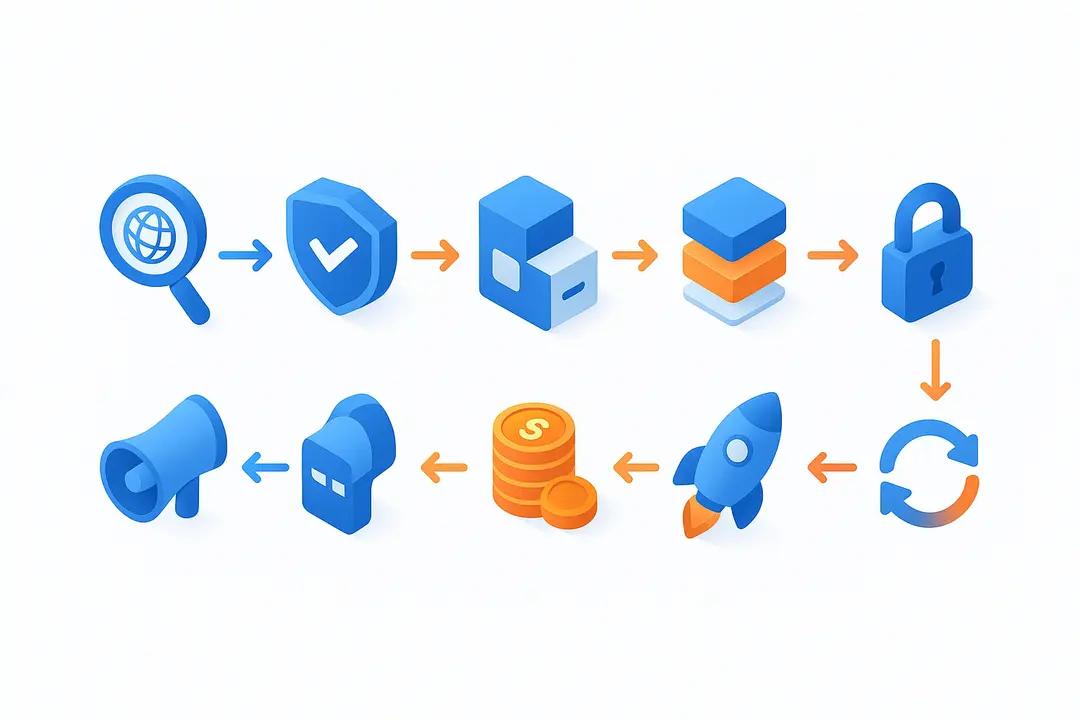
Creating a successful online casino requires a structured end-to-end process that balances compliance, player experience, and sustainable growth. Here are the 10 key steps to design and launch a casino website:
- Market and regulatory research
- Select your licensing and jurisdiction
- Choose a casino software platform
- Design a compelling UI/UX
- Integrate games and payment systems
- Implement security, fairness, and compliance
- Plan marketing, promotion, and retention
- Budget for setup and ongoing costs
- Launch, test, and optimize continuously
- Stay ahead with trend-focused evolution
Following these stages ensures operational readiness, legal safety, and an engaging player journey from day one.
How Does Market & Regulatory Analysis Shape Casino Website Strategy?
- Researching Target Geographies and Demographics: Study the markets where online gambling is legal and identify your ideal player base based on age, device preferences, and spending habits.
- Monitoring iGaming Market Trends: The global iGaming industry has seen double-digit growth in many regions, with mobile and live casino games gaining the most traction (Statista, 2024).
- Understanding Key Regulatory Bodies: Authorities like the UK Gambling Commission (UKGC), Malta Gaming Authority (MGA), and Curacao regulate most reputable casinos; new markets in Latin America and Africa are emerging.
- Legal, KYC/AML, and Risk Management: Each region demands strict Know Your Customer (KYC) and Anti-Money Laundering (AML) protocols to prevent fraud and ensure player safety.
| Region | Main Regulator | Notable Requirements |
| UK | UKGC | Strict KYC/AML, high cost |
| Malta | MGA | EU-compliant, rigorous, business-friendly |
| Curacao | Curacao eGaming | Cost-effective, faster approvals |
| Isle of Man | Gambling Supervision | High reputation, robust compliance |
Best Practice: Always start with a legal review and market opportunity assessment—missteps here can derail the entire project.
How Do You Choose the Right Licensing and Jurisdiction for Your Casino Website?
- Popular Licensing Hubs: Malta, Curacao, and Isle of Man offer well-known licenses; each varies in cost, application time, compliance level, and market access.
- Costs and Timelines: Malta and the UK are more expensive and rigorous (often over €20,000+ per year), while Curacao is more affordable and quicker but less stringent.
- Compliance Needs: Each jurisdiction sets its own standards for player protections, KYC/AML, and responsible gambling.
- Whitelabel vs. Proprietary Licenses: Whitelabel solutions speed up launch and offer compliance support but reduce business independence; proprietary licenses offer more control, but require more resources.
| Jurisdiction | Cost Estimate | Compliance Level | Time to Issue | Pro/Con |
| Malta | €25,000+ /year | Very High | 3–6 Months | Best reputation |
| Curacao | €10,000+ /year | Moderate | 1–2 Months | Accessible, flexible |
| Isle of Man | £35,000+ /year | High | 2–4 Months | Player trust |
| Whitelabel | From €5,000 | Depends on host | <1 Month | Fast, less control |
Pro Tip: Consult an iGaming legal expert at the planning stage, as licensing affects every downstream decision—from marketing to payment integration.
What Should You Look For When Selecting Casino Software Platforms?
- Platform Types: Options include proprietary builds, whitelabel platforms, turnkey third-party systems, or open source software. Each differs in flexibility, support, and launch speed.
- Key Features to Consider:
- Game catalog (slots, live dealer, table games)
- User management, multi-level admin
- Content Management System (CMS)
- Integrated payment processing
- Secure KYC/AML workflows
- Mobile and cross-platform support
- Optional extras: sportsbook integration, crypto support, affiliate systems
| Platform | Customization | Game Providers | Payment Options | Support | Crypto Ready |
| Custom | Full | Any | Any | None/Own | Possible |
| Whitelabel | Low-Med | Selected | Selected | Full | Yes on some |
| Turnkey | Med-High | Most major | Most major | Vendor | Yes / No |
| Open Source | High | Integration | Integration | Community | Varies |
Next Action: Request demos from shortlisted vendors and compare using a detailed feature matrix specific to your business goals.
What Are the Best UI/UX Principles for Online Casino Design?

Applying modern UI/UX principles in casino website design builds player trust and boosts conversion rates. A well-designed site makes it easy for players to register, deposit, and find their favorite games, directly impacting revenue.
- Mobile-First, Responsive Design: With the majority of online casino traffic now mobile (various industry reports), designing for smartphones ensures accessibility and maximizes reach.
- Visual Hierarchy: Prioritize the display of key actions—home, game lobby, deposit, signup, balance. Use clear heading structure, strong calls-to-action (CTAs), and engaging visuals.
- Trust Signals: Prominently show SSL/security badges, responsible gaming logos, and licensing certificates. Reviews and verified testimonials also instill confidence.
- Conversion Optimization: Use sticky CTAs, step-by-step onboarding, and progressive profiling to ease registration with minimal drop-off.
- Accessibility: Ensure WCAG compliance for usability across devices and for all audiences.
How Can Mobile-First and Responsive Design Boost Player Engagement?
Mobile-first and responsive design adapts seamlessly to any device, ensuring usability wherever a player signs in. Over 60% of global iGaming sessions occur on smartphones or tablets. Key patterns include thumb-friendly buttons, collapsible menus, and adaptive layouts for portrait and landscape use.
Best Practice: Prioritize touch interactions and quick game loading for all screen sizes—test extensively on real devices.
Which Trust Signals Increase Confidence for Casino Players?
- Secure HTTPS/SSL badges near login and payment forms
- Clearly visible gambling authority licenses (MGA, UKGC, etc.)
- Badges from fairness testers (eCOGRA, GLI)
- Responsible gambling logos and policies
- Verified player reviews and testimonials in visible locations
Tip: Place these signals in both the website footer and above-the-fold on key pages for maximum effect.
What Are Advanced Strategies for Optimizing Onboarding and CTAs?
- Multi-step or progressive sign-up forms (ask for essential info first, additional details later)
- A/B test variations of registration flow (e.g., guest/demo play before full signup)
- Personalized messages and dynamic CTAs based on traffic source or player status
- Wireframing the full player journey to identify and fix friction points
Next Action: Regularly review analytics to measure registration and deposit drop-off and implement iterative improvements.
How Can You Seamlessly Integrate Casino Games and Payment Systems?
- Game Integration: Choose between direct partnerships with game studios or working with content aggregators that bundle multiple providers.
- Popular Game Types: Ensure a mix of slots, table games, live dealer experiences, and new formats like crash or instant games.
- Payment Gateways: Support diverse payment options—credit/debit cards, e-wallets (Skrill, Neteller), bank transfers, and cryptocurrencies.
- Security and KYC: Transaction flows should embed player verification, fraud checks, and adherence to regional anti-money-laundering laws.
| Integration Type | Games Variety | Setup Speed | Ongoing Costs |
| Direct Providers | High, but limited | Slower | Lower |
| Aggregators | Extensive | Fast | Higher |
Best Practice: Select providers with automated compliance management and global payment reach for scalability.
What Security & Compliance Features Are Essential for Casino Websites?

- SSL Encryption: Ensures all data, especially financial and personal info, is secure in transit.
- Firewalls and DDoS Protection: Shields operations against attacks and service disruptions.
- Random Number Generator (RNG) Audits: Certification from bodies like eCOGRA or GLI demonstrates fair play.
- Responsible Gambling Tools: Self-exclusion, deposit limits, and session reminders support player well-being and regulatory compliance.
- KYC and Fraud Prevention: Automated identity verification, ongoing monitoring, and anti-fraud platforms are non-negotiable.
Security Checklist:
- Enable HTTPS/SSL sitewide
- Use certified game and RNG suppliers
- Display up-to-date licensing and privacy policies
- Integrate real-time fraud detection tools
Next Action: Establish a compliance workflow and run regular security audits to ensure ongoing protection and legal alignment.
How Do You Market, Promote, and Drive Retention for Your Casino Website?
- Pre-launch & Launch: Build hype through teaser content, social media campaigns, and early-bird offers.
- Affiliate Programs: Set up tracked partner programs, offer generous commissions, and use dedicated affiliate management software.
- Player Promotions: Design welcome bonuses, ongoing loyalty schemes, slot tournaments, and seasonal promotions for continual engagement.
- CRM & Automation: Implement email/SMS tools for personalized offers, reminder flows, and re-engagement campaigns.
- Optimization: Regularly A/B test promotional offers, landing pages, and registration journeys to improve conversion rates.
Marketing Checklist:
- Launch landing page and signup funnel ahead of go-live
- Set up and monitor affiliate program performance
- Schedule ongoing promotions and analyze results
- Use data-driven tools (e.g., GA4, Hotjar) to iterate marketing tactics
What Are the Real Costs and Budgetary Must-Knows for Online Casino Websites?
Budgeting for a casino website involves both upfront investment and recurring operational costs. A realistic budget prevents surprises and supports long-term growth.
| Cost Item | One-Time | Recurring (Annual/Monthly) |
| Licensing & Legal Fees | €5,000–€40,000 | €5,000–€25,000 |
| Software Platform | €10,000–€100,000 | €2,000–€10,000 |
| Game Aggregation | €5,000–€20,000 | €1,000–€5,000 |
| Payment Gateway Setup | €1,000–€5,000 | Per transaction |
| Website & UX Design | €5,000–€20,000 | – |
| Staff/Support Salaries | – | €2,000–€10,000 |
| Marketing & Affiliates | €5,000–€15,000 | Variable (growth-driven) |
| Security/Compliance Tools | €2,000–€8,000 | €1,000–€2,500 |
Tip: Plan a buffer (10–20%) for unforeseen regulatory or marketing costs.
How Should You Launch, Test, and Continuously Improve Your Casino Website?
- Go-Live Checklist: Verify final compliance sign-off, payment and game integrations, and active support channels before launch.
- Analytics Tracking: Deploy GA4, Hotjar, and casino-specific analytics to monitor user journeys, conversions, and drop-offs.
- Monitor Key Metrics: Track registration completions, deposit rates, time on site, and churn.
- Iterative Testing: Run A/B tests on homepages, signup/offers, and game lobbies to refine conversion funnels.
- Player Feedback Loops: Regularly solicit and act on user feedback to catch UX issues early.
Improvement Flowchart:
- Launch
- Analyze Analytics
- Prioritize Issues
- Design A/B Tests
- Implement
- Repeat
Best Practice: Treat your casino platform as an evolving product—schedule monthly or quarterly optimization sprints to stay competitive.
Casino Website Design Examples and Inspiration (Screenshots & Analysis)
- Homepages: Best-in-class sites feature clear navigation, upfront bonuses, and visible trust signals. High-contrast CTAs serve both new and returning users.
- Game Lobbies: Effective lobbies use visual game tiles, filters for popular genres, and real-time jackpot updates to encourage engagement.
- Promo & Loyalty Sections: Successful brands showcase timely offers—seasonal events, tournaments, and tiered loyalty clubs.
- Mobile Views: Leading mobile casino sites use collapsible menus, thumb-friendly navigation, and quick-access games for seamless play.
Gallery Brief:
See annotated screenshots from award-winning casinos (e.g., Category-winners at EGR Awards)—note the clear hierarchies, trust display, and clean onboarding built into each.
Next Action: Build a visual reference board using best-in-class iGaming UI patterns and adapt for your unique brand.
Emerging Trends in Casino Website Design for 2026 and Beyond
- Cryptocurrency and Blockchain: Growing demand for crypto payments and provably fair gaming. Blockchain supports transparency and appeals to digital-native players.
- Personalization and AI: AI-driven recommendations, dynamic lobbies, and personalized offers create engaging, relevant experiences.
- Gamification: Missions, daily goals, and achievements encourage repeat play and deeper engagement.
- Social and Community Features: Live chat, tournaments, and sharing tools build loyalty through community.
- Regulatory Shifts: Expect ongoing changes in KYC, GDPR, and responsible gaming requirements—impacting site flows and data handling.
Trend Radar:
- Crypto & blockchain adoption (high)
- Personalized UX (moderate and rising)
- Immersive gamification (high)
- Enhanced responsible gambling features (rising)
- Social/community integration (emerging)
Pro Tip: Monitor regulatory updates and be first to deploy features like instant crypto deposits, content layers, or compliance pop-ups to stand out.
Frequently Asked Questions: Casino Website Design & Operations
What are the key steps to designing a casino website?
Key steps include market research, selecting a jurisdiction and license, choosing a software platform, implementing strong UI/UX, integrating games and payments, ensuring security/compliance, planning marketing, budgeting, launching, and continuous optimization.
How do I ensure my casino website meets legal and compliance standards?
Start by researching regulatory requirements in your target regions, obtain licensing from a recognized authority, implement KYC/AML workflows, and ensure ongoing auditing for fairness and responsible gambling.
Which features are essential for a successful online casino site?
Must-have features include a wide game selection, secure payments, trustworthy licensing, robust KYC, mobile-friendly design, promotional tools, and comprehensive support channels.
What UX principles drive player engagement in casino web design?
Mobile-first design, clear navigation, sticky CTAs, personalized onboarding, and prominent trust signals all boost engagement and conversion rates.
How do I integrate games and payment solutions into my casino website?
Work with aggregators or direct game providers for content, and partner with reputable payment gateways to support a range of methods (credit, e-wallet, crypto). Ensure each integration meets security and compliance needs.
What are the ongoing costs of running an online casino?
Expect recurring costs for licensing, platform/software, game access, payment processing, compliance tools, marketing, and staffing, with amounts varying by scale and jurisdiction.
How can I optimize my casino website for mobile users?
Use responsive layouts, mobile-specific navigation, fast-loading games, and test UX on multiple device types to ensure seamless player experiences.
What trust signals should my casino website display?
Prominently show SSL certification, licensing authority logos, RNG/fairness badges, responsible gambling icons, and verified player testimonials.
How do affiliate programs work for online casinos?
Affiliate programs reward partners for referring new players, using tracked links and dashboards to record traffic, signups, or deposits. Structure competitive commissions and monitor for quality traffic.
What recent trends are shaping casino website design in 2026 and beyond?
Key trends include crypto payments, AI-driven personalization, gamified user journeys, enhanced responsible gambling tools, and social/community experiences integrated into the platform.
Conclusion
Building a successful casino website is not a one-time project — it’s an ongoing commitment to compliance, player experience, and continuous improvement. From navigating licensing jurisdictions and choosing the right software platform to designing mobile-first experiences and running data-driven optimization sprints, every decision compounds into either a competitive advantage or a costly gap.
Key Takeaways
- Start with a robust market and compliance strategy—regulations shape every aspect of your casino website design.
- Select scalable and reputable software platforms, prioritizing flexibility, mobile UX, and trusted integrations.
- Design for trust and conversion: highlight security, streamline onboarding, and optimize for mobile-first engagement.
- Plan and budget thoroughly—including recurring costs for marketing, compliance, and platform updates.
- Treat your casino as a dynamic product: monitor analytics, collect player feedback, and iterate on features to ensure long-term growth and compliance.
This page was last edited on 30 March 2026, at 5:32 pm
Contact Us Now

Contact Us Now
Start a conversation with our team to solve complex challenges and move forward with confidence.


