

Launching an Android app in the UK today isn’t just about code—it’s about compliance, competition, and carving out a winning user experience for a complex, regulated market.
While Android’s reach is global, the UK market imposes distinct requirements for privacy (GDPR), user expectations, and sector-specific standards that can make or break an app’s success. Many UK businesses underestimate these factors, leading to pitfalls, missed deadlines, or wasted budgets.
This guide provides a comprehensive, expert-driven roadmap to Android app development in the UK, adapted for 2026 and beyond. You’ll learn how local agencies handle design, tech, security, and compliance, get transparent cost breakdowns, and access direct frameworks and checklists for choosing the right partner.
By reading on, you’ll confidently navigate every phase of an Android app project in the UK—no matter your business size or sector.
What Is Android App Development in the UK?
Android app development in the UK refers to designing, building, and deploying custom mobile applications for Android devices, tailored specifically to UK regulations, user needs, and business standards.
This process covers concept validation, native or hybrid coding, user interface design, rigorous testing for UK devices, and compliance with legal frameworks such as GDPR. Unlike generic approaches, UK Android development must align with local data laws, industry requirements, and user behaviors.
How UK Android Development Differs
- Regulatory Focus: Compliance with GDPR and evolving UK data privacy standards is mandatory.
- Business Culture: Preference for transparent, well-documented processes and ongoing support.
- Process Steps (Typical):
- Market research and requirements gathering
- UI/UX design (Material Design, accessibility)
- Tech stack selection (native or cross-platform)
- Coding and development
- Testing on a wide device matrix
- Security, GDPR, and legal checks
- Play Store submission and post-launch support
Choosing a UK-specific approach ensures your app meets local user expectations and legal obligations from day one.
Why Choose UK-Based Android Developers and Agencies?
Hiring a UK-based Android app development company brings proven advantages across compliance, communication, and long-term support.
Top reasons to work with UK Android agencies include:
- GDPR & Local Data Compliance: UK teams understand and implement GDPR, plus UK-specific privacy after Brexit, ensuring apps are legal and safe.
- Easier Collaboration: Real-time communication, similar work hours, and cultural alignment streamline project management.
- Accountability: Local agencies offer reliable contracts, ongoing support, and are subject to UK business law.
- Sector Know-how: Deep familiarity with regulated UK industries like fintech, healthcare, and government.
- Rapid Iteration: Physical proximity allows for in-person workshops or urgent iterations if needed.
Checklist: Why UK Android Agencies Lead
- Proven GDPR/android app compliance
- UK-specific user testing and accessibility
- Transparent pricing and contracts
- Local post-launch support
- Sector expertise: health, finance, public sector
What Is the Android App Development Process in the UK?
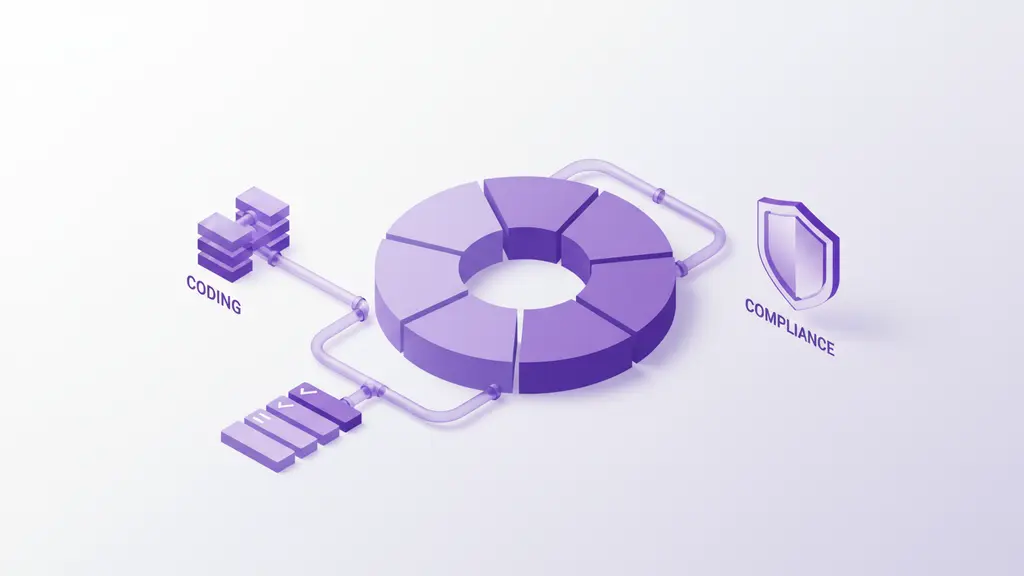
The android app development process in the UK follows a strategic, phased approach to deliver fully compliant, user-friendly apps tailored to British markets.
High-Level UK Process Steps:
| Step | Description |
| 1. Discovery | Market research, requirements, UK competitor analysis |
| 2. UI/UX | Wireframing, Material Design, UK accessibility standards |
| 3. Tech Stack | Choose between native (Kotlin/Java) or cross-platform (Flutter, React Native) |
| 4. Development | Coding, third-party integrations, internal builds |
| 5. Testing | Device fragmentation management, UK user testing, QA cycles |
| 6. Compliance | GDPR and data privacy checks, pre-launch regulatory review |
| 7. Launch & Support | Play Store submission (UK-compliant), ongoing maintenance |
Let’s break down each stage for UK businesses:
Planning & Discovery: Setting the Stage for UK Success
Effective UK Android app projects begin with robust research and consultation.
Discovery Phase Steps:
- UK Market Research: Analyse competitor apps, sector trends, and local user behavior with up-to-date UK datasets.
- Requirements Gathering: Engage all stakeholders (business, technical, compliance) to define user stories, features, and KPIs.
- Competitive Analysis: Map strengths and weaknesses of leading UK apps to refine your unique value proposition.
This consultative approach lays a strong foundation for compliant and commercially successful UK apps.
UI/UX: Material Design, Accessibility, & UK User Demands
UI/UX defines your app’s first impression—critical in the UK where users expect both style and inclusivity.
Key Practices for UK Android App UX:
- Material Design Adaptation: Apply Google’s Material Design, customized for UK-centric color schemes, tone, and usability preferences.
- Accessibility: Adhere to UK accessibility guidelines (consider WCAG 2.1, large text, high contrast, screen reader compatibility).
- Prototyping: Develop clickable wireframes and interactive prototypes for real user feedback pre-development.
UI/UX Checklist:
- Follows Material Design principles customized for local users
- Passes basic accessibility tests
- Iterative prototyping and user validation
Native, Hybrid, and Cross-Platform Tech Stacks: Which Is Best for Your UK App?
Choosing the right tech stack affects app quality, cost, and future flexibility for UK businesses.
Tech Stack Options:
| Approach | Examples | Pros | Cons | UK Use Cases |
| Native | Kotlin, Java | High performance, full device integration | Costlier, longer dev cycle | Banking, healthcare |
| Cross-Platform | Flutter, React Native | Faster launches, cost-effective, single codebase | Limited device/API access | Retail, MVPs, startups |
| Hybrid | Ionic, Cordova | Low entry barrier, web-heavy apps | Lower performance, dated approach | Simple data apps |
UK Trend:
In 2026, native Kotlin development is often preferred for sectors requiring advanced performance or security, while cross-platform is rising for startups and retail due to rapid time-to-market and budget focus.
QA, Testing, and Device Diversity: Meeting UK User Standards
Testing isn’t optional—UK users expect seamless performance across devices and environments.
QA/Testing Framework:
- Device Fragmentation: UK agencies test on a wide circle of devices (Samsung, Google Pixel, OnePlus, etc.), both new and legacy.
- User Testing: Involve real end-users for functional and UX validation, using UK tester panels for local feedback.
- Compliance Testing: Validate Play Store and GDPR requirements before launch.
- Launch Readiness: Final smoke tests and regression checks targeting UK network speeds and environments.
QA Checklist for UK Android Apps:
- Device compatibility tested (top UK handsets)
- Play Store prerequisites reviewed
- User acceptance testing completed
- GDPR/security signed off
Security & GDPR Compliance: Staying Legal and Safe in the UK
Security and privacy are non-negotiable for UK Android apps, especially post-Brexit.
How UK Teams Ensure Compliance:
- GDPR Built-In: Only collect and process necessary user data. Immediate compliance with UK/EU data privacy laws.
- Secure Development: Encrypt sensitive data, follow secure coding standards, restrict permissions.
- Documentation: Maintain clear privacy policies, cookie notices, and user consent flows.
GDPR Compliance Checklist:
- Data minimization—collect only essentials
- Encryption and secure storage
- User consent and privacy notice implemented
- Data breach protocol in place
Regular audits protect your app’s reputation and legal standing in a scrutinized UK market.
How Much Does Android App Development Cost in the UK?
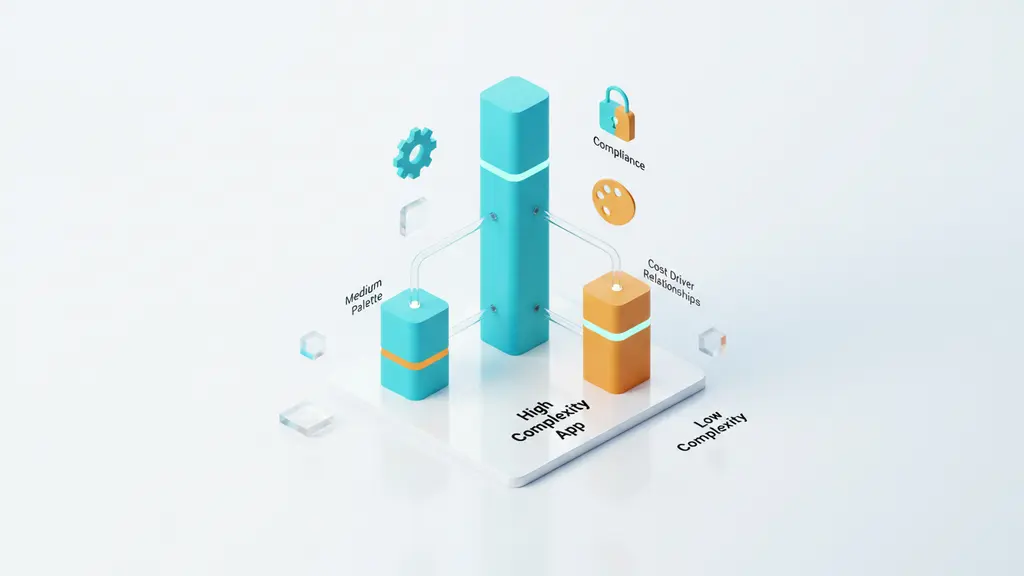
Android app development cost in the UK typically ranges from £20,000 for simple apps to over £150,000 for complex enterprise solutions, depending on features, design, and post-launch support.
Major cost variables include project complexity, required integrations, tech stack chosen, compliance needs, and whether you use a London-based agency, regional agency, or freelance developers.
Cost Breakdown Table: Typical UK Pricing Examples
| App Complexity | Example Features | Estimated UK Cost Range |
| Simple | Basic UI, static content, no login | £20,000 – £40,000 |
| Medium/Connected | API integration, user accounts, notifications | £40,000 – £80,000 |
| Complex/Enterprise | Custom backend, advanced security, integrations, scalability | £80,000 – £150,000+ |
Note: Prices reflect average 2026 rates across reputable UK agencies. Factors like design, ongoing support, and regional variance apply.
What Factors Affect Android App Development Costs in the UK?
Several factors will shape your final Android app development cost in the UK:
- Feature Set & Integrations: More screens or custom features mean higher development effort.
- Design Complexity: Advanced UI/UX, accessibility, and branding add to costs.
- Native vs. Hybrid: Native apps (Kotlin/Java) are pricier but offer fullest device capability; cross-platform can be more affordable.
- Ongoing Maintenance: Post-launch support (bug fixes, feature rollouts, compliance monitoring) is often a separate fee.
- Location & Agency Reputation: London agencies usually have higher rates than regional firms. Established agencies may cost more but reduce risk through experience.
Common Cost Drivers Table:
| Cost Factor | Impact Level |
| Feature complexity | High |
| Third-party APIs | Moderate |
| Sector (health, fintech) | High |
| UI/UX customization | Moderate |
| Compliance (GDPR, security) | High |
| Agency vs. Freelance | Moderate |
What Should UK Businesses Consider Before Starting Their App Project?
UK businesses should align their Android app plans with market trends, compliance, and strategic resourcing before investing.
Key 2026 UK Market Trends
- AI Features: Growing demand for AI-driven personalization and analytics.
- IoT Integration: More apps connecting to smart devices for logistics, healthcare, or home automation.
- Digital Transformation: Across fintech, public sector, and health, investment in user-first digital products is accelerating.
MVP First Approach
- Validate your core value proposition with real users and iterate.
- Reduces risk and allows faster, focused launches.
Sector Spotlights
- Healthcare: Must prioritize security, UK clinical data rules. (INSUFFICIENT DATA for published case details.)
- Fintech: Often demands native builds for top-tier security and regulatory reporting.
- Public Sector: Strict procurement, accessibility, and data hosting rules apply.
Agency, Freelance, or Offshore?
| Model | Pros | Cons |
| UK Agency | Full-service, accountable, aligned | Highest cost |
| Freelance/Small Team | Lower cost, flexible | Varying expertise, less support |
| Offshore | Cost savings | Risk of non-compliance, timezone gap |
Recommendation: For regulated or mission-critical apps, UK agencies are most reliable. Freelancers may suit MVPs or proof-of-concept; offshore carries compliance risks unless tightly managed.
What Post-Launch Support & Maintenance Should You Expect in the UK?
Ongoing support is essential for security, uptime, and keeping pace with user/device changes for UK Android apps.
Typical UK Maintenance Packages Include:
- Bug Fixes & Security Patches: Rapid response for critical issues.
- OS and Device Updates: Keeping app compatible with new Android releases and popular UK devices.
- Feature Enhancements: Iterative improvements based on user feedback.
- Analytics & Monitoring: Usage tracking and crash reporting (vital for regulatory sectors).
- Compliance Audits: Yearly or quarterly GDPR/data privacy checks.
Contract Tips:
- Ensure your agreement covers response times (Service Level Agreements, or SLAs), software updates, and clear escalation paths.
- UK agencies typically offer tiered maintenance options—from ad hoc hourly support to all-inclusive retainers.
Maintenance Checklist:
- Bug intake and fix turnaround defined
- Regular updates and security reviews
- Analytics and crash monitoring active
- Support hours and escalation process documented
How to Choose the Best Android App Development Company in the UK
Picking the right android app agency uk is a make-or-break decision for your project’s success.
Key Selection Criteria:
- Proven Portfolio: Look for live apps similar to your sector/complexity.
- E-E-A-T: Evidence of expertise, experience, authority, and trust (awards, consistent reviews, public case studies).
- Process Transparency: Clear quoting, staged milestones, written specifications.
- Local Project Management: Direct point-of-contact in the UK, regular progress reporting.
- Compliance and Security Track Record: Demonstrable GDPR and security adherence.
Agency Comparison Checklist:
| Criteria | Agency A | Agency B | Notes |
| UK client portfolio | |||
| Relevant sector experience | |||
| GDPR compliance expertise | |||
| Post-launch support | |||
| Transparent pricing |
Before signing, ask agencies for:
- References from UK clients (preferably in your industry)
- Sample project plans, timelines, and communication protocols
- SLAs for maintenance and support
Frequently Asked Questions: Android App Development in the UK
1. How much does Android app development cost in the UK?
Pricing varies widely based on project scope. A simple app starts around £20,000, while complex enterprise apps can exceed £150,000. Factors like features, tech stack, and compliance impact your total investment.
2. What is the typical process for Android app development?
Most UK agencies follow a seven-step process: discovery, design, tech stack selection, coding, testing, legal compliance check, store submission, and post-launch support.
3. How long does it take to develop an Android app in the UK?
Timeline depends on complexity. Simple apps may launch in 2–3 months, while complex builds take 4–9+ months, factoring in design, testing, and compliance.
4. What factors influence the cost of Android app development?
Major cost drivers include feature set, technologies, sector-specific compliance, design complexity, and whether you work with an agency or freelancer.
5. Should I choose native or hybrid Android development for my UK business?
Native (Kotlin/Java) is advisable for critical apps needing security and top performance; cross-platform (Flutter, React Native) suits faster launches and tighter budgets.
6. How do I ensure my Android app is GDPR compliant?
Work with a UK development partner experienced in gdpr android app compliance. Ensure clear data consent flows, privacy notices, and thorough data security practices.
7. What support is available after my app goes live?
UK agencies typically offer maintenance packages covering bug fixes, Android OS updates, new features, analytics, and ongoing security audits.
8. How do I choose the best Android app development company in the UK?
Assess portfolio, reviews, compliance expertise, clarity of processes, and ensure the agency offers UK-based project management and transparent contracts.
9. What technologies are most commonly used for Android app development in the UK?
Kotlin and Java lead for native apps; Flutter and React Native are popular for cross-platform solutions. API integrations, analytics tools, and CI/CD pipelines are standard.
10. Can I hire a dedicated Android developer for my project?
Yes—many UK agencies and consultancies offer dedicated developer models, ideal for long-term, evolving projects that require direct collaboration.
Conclusion
Successfully launching an Android app in the UK demands more than code—it requires careful planning, an expert team, regulatory compliance, and crystal-clear budgeting. By following the frameworks and recommendations in this guide, you’re equipped to make confident decisions at every stage.
Ready to take the next step? Download our checklists, audit your app plans, or connect with a leading Android app development company in the UK for a tailored consultation and quote. Start your journey to UK Android app success today.
Key Takeaways
- A UK-focused approach is essential for compliance, usability, and commercial fit in Android app development.
- Working with UK-based agencies secures GDPR compliance, local expertise, and reliable support.
- Project costs range widely; transparent quotes and clear scopes help avoid overruns.
- Prioritize comprehensive planning, expert UI/UX, and robust post-launch maintenance.
- Use downloadable checklists and comparison matrices to select the right development partner with confidence.
This page was last edited on 2 March 2026, at 10:42 am
Contact Us Now

Contact Us Now
Start a conversation with our team to solve complex challenges and move forward with confidence.


