Choosing an IT outsourcing partner matters, but choosing the wrong engagement model can create just as many problems. A fixed-price model may limit flexibility, a dedicated team may cost more than expected, and a time and material model can become hard to control without a clear process.
This it outsourcing guide: how to choose engagement model explains how to select the right outsourcing structure based on your project scope, budget, timeline, flexibility needs, and long-term business goals.
By the end, you will understand the main IT outsourcing engagement models, when each one works best, how to compare outsourcing pricing models, and how to choose a model that reduces risk while supporting faster delivery.
Key Takeaways
- Choose the model based on scope, budget, control, and flexibility.
- Fixed price fits clear projects; T&M fits changing work.
- Staff augmentation adds talent fast.
- Managed services fit ongoing operations.
- Strong contracts reduce cost, scope, and vendor risks.
What Is an IT Outsourcing Engagement Model?
An IT outsourcing engagement model defines how your organization works with an external IT services provider, including how work is structured, managed, paid for, and delivered. The right engagement model creates clarity around roles, responsibilities, control, pricing, and expected outcomes.
Typically, an engagement model outlines:
- Level of client control: Who manages tasks and teams?
- Scope and flexibility: Is the project strictly defined or adaptable?
- Payment terms: Fixed budgets, hourly rates, or outcome-based fees.
- Contract structure: How risk and responsibility are shared.
Choosing an engagement model is a critical first step—distinct from simply “outsourcing an IT project”—as it anchors your vendor relationship and expectations for project execution.
Why Does The Right Engagement Model Matter?
The right engagement model affects cost, delivery speed, project control, quality, and long-term scalability.
For example, a startup building a new product may need flexibility because features will change after user feedback. A fixed-price model may feel safe at first, but it can become expensive when the scope changes.
On the other hand, a company with a clear cloud migration plan may benefit from a fixed-price or managed services model because the deliverables are easier to define.
This is why an it outsourcing guide: how to choose engagement model should not only list models. It should help you match the model to your real business situation.
IT investment is also rising. Gartner forecasts worldwide IT spending to reach $6.31 trillion in 2026, up 13.5% from 2025, which shows why companies need better control over IT planning, vendors, and delivery models.
What Are the Main Types of IT Outsourcing Engagement Models?
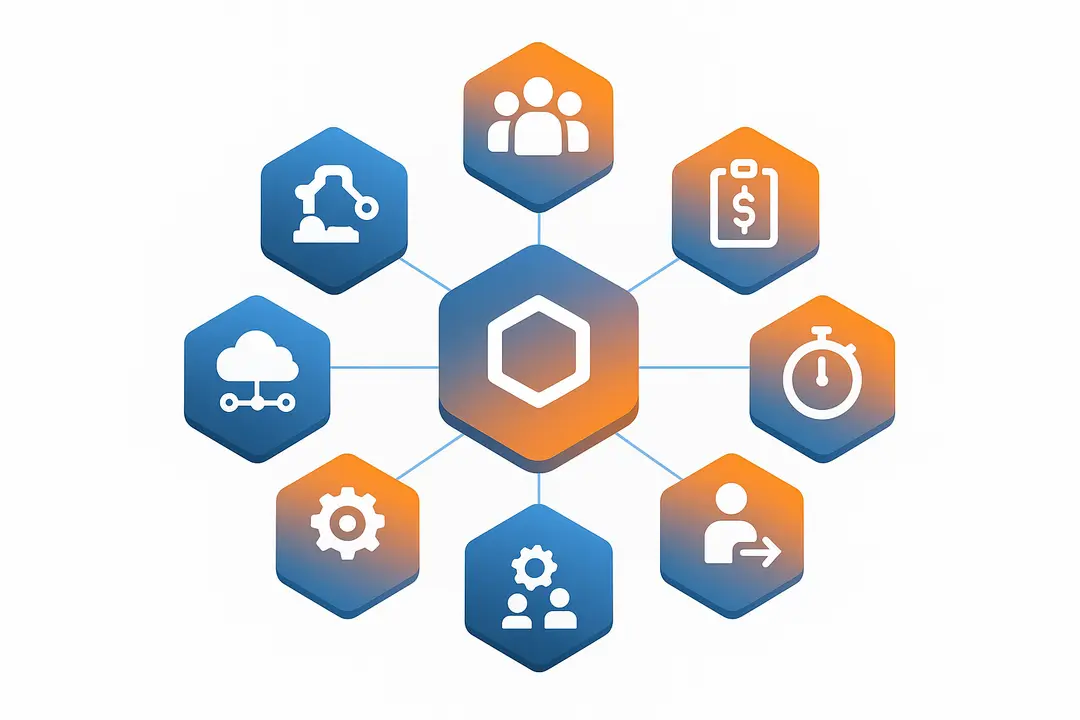
There are several primary IT outsourcing engagement models, each offering different balances of control, flexibility, cost, and risk. Understanding these models is crucial for effective vendor selection and project success.
Key IT Outsourcing Engagement Models:
- Dedicated Team: A provider assembles a team (developers, testers, PMs) working exclusively on your projects, managed by you or jointly.
- Fixed Price: The provider delivers a project for a set price tied to clear requirements and timelines.
- Time & Material (T&M): You pay for the actual hours and resources consumed—ideal for evolving or agile projects.
- Staff Augmentation: Supplement your in-house team with provider’s professionals, who report to your managers.
- Managed Services: The provider takes end-to-end responsibility for ongoing IT functions or deliverables, often with defined SLAs.
- Hybrid Model: Combines aspects of two or more models (e.g., core managed services with time-billed enhancements).
- Build-Operate-Transfer (BOT) / Global In-House Center (GIC): The provider builds and runs a dedicated offshore/onshore center, which is later “transferred” to your ownership.
Typical contract durations:
- Project-based (3–12 months): Fixed Price, T&M
- Ongoing (12–36 months): Dedicated Team, Managed Services, Staff Augmentation
- Long-term/Strategic (24+ months): BOT, GIC
Engagement Model Comparison Table (At a Glance)
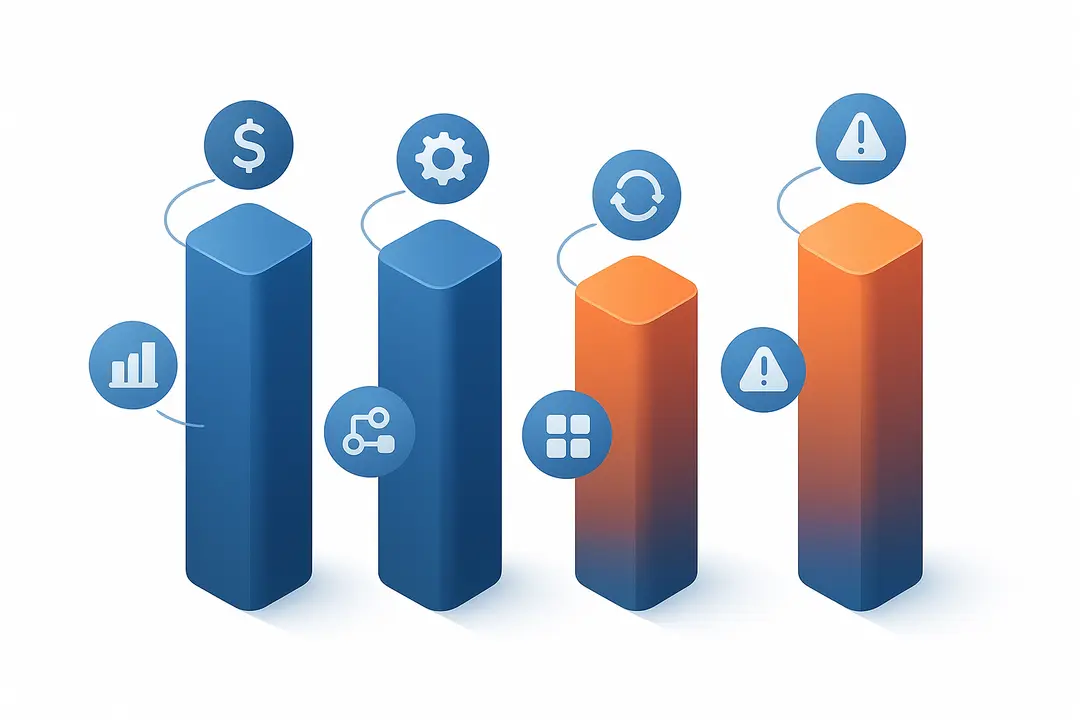
This table provides a side-by-side comparison of core IT outsourcing engagement models, helping you quickly assess which may best fit your needs.
| Model | Best For | Cost Predictability | Control | Flexibility | Common Risks | Popular For |
| Dedicated Team | Long-term, evolving projects | Medium | High | High | Integration overhead | Product development |
| Fixed Price | Well-defined, short-term projects | High | Medium | Low | Scope change fees | MVPs, migrations |
| Time & Material | Agile or R&D projects | Low | High | High | Cost overruns | Prototyping, upgrades |
| Staff Augmentation | Filling skill or capacity gaps | Varies | Highest | High | Quality/dependency on you | Staff scale-up, support |
| Managed Services | Ongoing IT operations, support | Medium-High | Low-Medium | Medium | Vendor lock-in | IT infrastructure, SaaS ops |
| Hybrid | Complex/multi-phase needs | Varies | Varies | Highest | Governance complexity | Digital transformation |
| BOT/GIC | Strategic, large-scale expansion | High-Long term | Full (eventual) | Medium | Transition hurdles | Global delivery centers |
How to Choose the Right IT Outsourcing Engagement Model: Key Factors
Selecting the best IT outsourcing engagement model requires evaluating several project and organizational factors. Each has a direct impact on your project’s cost efficiency, management effort, flexibility, and risk.
Checklist for Choosing an IT Outsourcing Engagement Model:
- Project Scope and Complexity: Is your project clearly defined with fixed deliverables, or will requirements evolve?
Example: Fixed price suits precise scopes; T&M or dedicated team fits evolving needs. - Cost Predictability: Do you need strict budget control, or are you comfortable with flexible costs in exchange for agility?
Tip: Fixed price offers budget certainty, while T&M is more variable. - Control and Management: How much day-to-day direction do you want over the remote team?
Note: Staff augmentation and dedicated teams give you strong oversight. - Flexibility and Scalability: Will you need to adjust team size, skills, or project scope during the engagement?
Hybrid and T&M models are best for high flexibility. - Vendor Expertise and Integration: Does the project demand specialized knowledge or deep collaboration?
BOT/GIC are ideal for strategic, highly integrated partnerships. - Regional and Regulatory Considerations: Do you require nearshore proximity or need to meet specific regulatory requirements (e.g., GDPR)?
Factor in data protection, language, and time zone requirements. - Intellectual Property and Security: Will critical IP or sensitive systems be involved?
Managed services and BOT require careful contractual safeguards. - Contract Duration: Is your engagement for a one-off project or a multi-year partnership?
Model choice often depends on expected term and change tolerance.
Real-World Fit Example:
A fintech company with rapidly changing compliance needs might prefer a dedicated team for its flexibility, whereas a standard data migration could suit a fixed price model.
Step-by-Step Framework: Deciding on Your IT Outsourcing Engagement Model
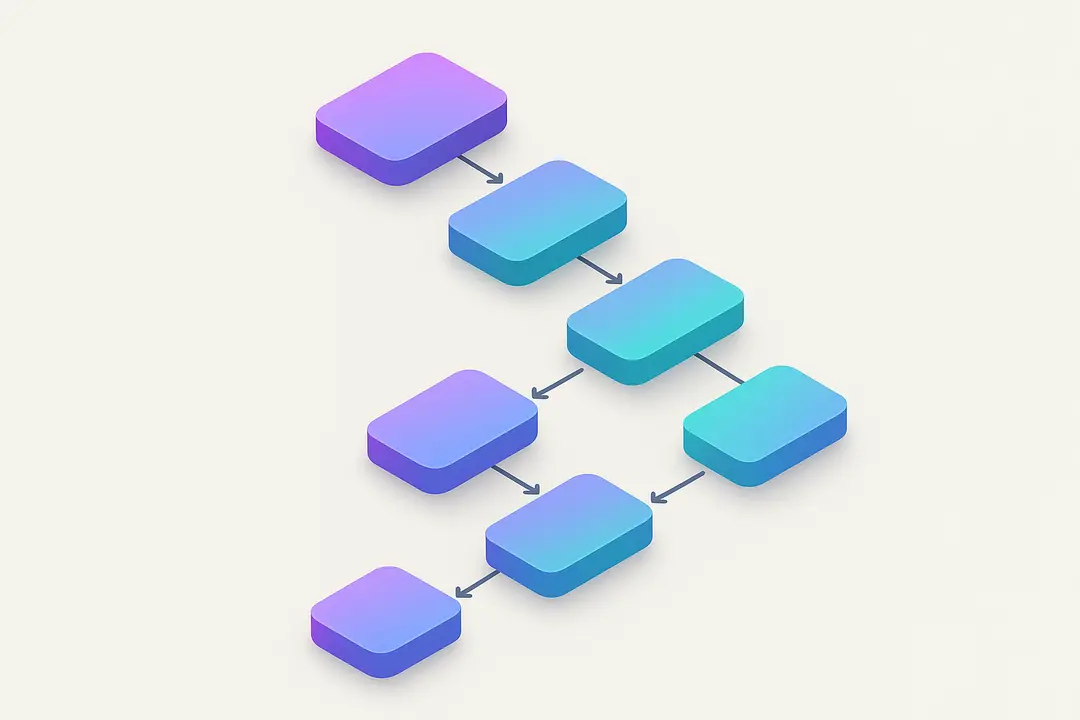
Use this seven-step framework to systematically identify, compare, and select the best engagement model for your organization.
How to Choose Your IT Outsourcing Engagement Model:
- Define clear business objectives and project requirements.
List desired outcomes, timelines, technologies, and required skills. - Assess your internal resources and key risks.
Identify capacity gaps, knowledge needs, and critical risk factors (e.g., security, compliance). - Evaluate vendor capabilities and fit.
Screen potential partners for relevant experience, culture, credentials, and regional fit. - Map your project needs to engagement model features.
Align priorities (cost, control, flexibility, expertise) with appropriate models. - Score and prioritize your options.
Create a simple matrix scoring each model against your top criteria (budget, control, risk, scalability). - Consult with legal and procurement teams.
Review contract terms, master service agreements (MSA), statements of work (SOW), and data protection clauses. - Plan for change management and transition.
Prepare for onboarding, communication, and potential model adjustments as the partnership matures.
Example Evaluation Matrix:
| Criteria | Fixed Price | Dedicated Team | T&M | Managed Services |
| Budget Certainty | ★★★★★ | ★★★☆☆ | ★★☆☆☆ | ★★★★☆ |
| Flexibility | ★★☆☆☆ | ★★★★★ | ★★★★★ | ★★★☆☆ |
| Control | ★★★☆☆ | ★★★★★ | ★★★★★ | ★★☆☆☆ |
| Speed to Start | ★★★★☆ | ★★★★☆ | ★★★★☆ | ★★★☆☆ |
| Vendor Expertise | ★★★☆☆ | ★★★★☆ | ★★★☆☆ | ★★★★★ |
(Score: 1 = Low; 5 = High. Adapt criteria for your unique business needs.)
Real-World Scenarios: Which Engagement Model Works Best for These Projects?
Understanding theory is one thing—seeing models in action brings the concepts to life. Here are anonymized scenarios showing how different engagement models fit business needs in 2024.
Scenario 1: Custom Software for Fintech
A fast-scaling fintech firm needs to build a new app with evolving requirements and frequent regulatory updates.
- Best fit: Dedicated Team (flexibility, ongoing adjustments) or Managed Services (if willing to let provider lead and assume more risk).
- Outcome: Greater control, faster pivots to regulatory changes, easy scaling.
Scenario 2: Short-Term Cloud Migration Project
A manufacturing company wants to migrate legacy systems to the cloud in a defined 3-month window.
- Best fit: Fixed Price (well-scoped, time-bound) or Time & Material (if legacy complexity is uncertain).
- Lesson: Fixed price works where deliverables are fixed; T&M is safer for unknowns.
Scenario 3: Ongoing SaaS Platform Support
A SaaS provider seeks continuous bug fixes, security patches, and feature rollouts.
- Best fit: Managed Services (operational stability, defined SLAs) vs. Staff Augmentation (if in-house PM wants tight control).
- Result: Managed services provide predictable support costs; staff augmentation can get stretched over time.
Scenario 4: Global Product Launch
A U.S.-based firm plans to launch in EMEA/APAC and wants in-region teams, eventually owned in-house.
- Best fit: BOT (Build-Operate-Transfer) for rapid scale + future transition, or Hybrid (blend of managed and dedicated resources).
- Impact: Fast entry to global markets, controlled handover, optimized long-term cost.
Common Pitfalls When Selecting an IT Outsourcing Engagement Model (And How to Avoid Them)
Choosing the wrong IT outsourcing engagement model can cause delays, budget issues, and poor delivery. The key is to match the model with your project scope, flexibility, and control needs.
Common mistakes include:
- Choosing the wrong model: Fixed price works for clear scopes, but not for changing projects. T&M is flexible, but needs close tracking.
- Weak vendor vetting: Low cost is not enough. Check skills, past work, references, and domain experience.
- Unclear contracts: Define scope changes, IP ownership, payment terms, SLAs, and exit clauses early.
- Ignoring model risks: Fixed price can make changes costly. T&M can increase costs. Managed services can create vendor lock-in.
- Poor change management: Set a clear process for new requests, approvals, timelines, and cost changes.
- No exit plan: Keep documentation, avoid unnecessary proprietary tools, and plan how to transition if needed.
How To Avoid These Pitfalls
To avoid these mistakes, choose the IT outsourcing engagement model based on project needs, not just price. Compare scope, flexibility, budget control, vendor skill, communication style, and long-term support before signing.
Your contract should clearly include:
- Service-level agreements
- Change request process
- IP and data ownership
- Performance review terms
- Security and confidentiality rules
- Exit and transition plan
A good engagement model should give your business the right balance of cost, control, flexibility, and delivery speed.
Conclusion & Next Steps
Choosing the right IT outsourcing engagement model is a strategic decision that affects cost, flexibility, delivery speed, and project control. The best model depends on your project scope, timeline, budget, and how much involvement you want in the development process.
Before making a decision, compare each model carefully and match it with your business goals. A clear engagement model helps reduce confusion, prevent scope creep, and build a smoother outsourcing partnership. With the right approach, your outsourcing project can deliver better results, stronger collaboration, and long-term value.
Frequently Asked Questions About IT Outsourcing Engagement Models
What The Main Types Of IT Outsourcing Engagement Models?
The main it outsourcing engagement models include dedicated team, fixed price, time and material, staff augmentation, managed services, hybrid model, and build-operate-transfer. Each model offers a different level of cost control, flexibility, responsibility, and business involvement.
What Is The Difference Between A Dedicated Team And Staff Augmentation?
A dedicated team works as a long-term external team focused on your project or product. Staff augmentation adds specific professionals to your existing in-house team. Both are common it outsourcing engagement models, but staff augmentation gives you more direct control over daily work.
When Should I Use Time And Material Vs Fixed Price Outsourcing Pricing Models?
Use time and material when your project scope may change or needs ongoing flexibility. Use fixed price when your requirements, timeline, and deliverables are clear from the beginning. These outsourcing pricing models affect cost control, flexibility, and how changes are managed.
How Does Managed Services Outsourcing Differ From Traditional Models?
Managed services outsourcing gives the provider responsibility for ongoing outcomes, performance, and service quality, often based on SLAs. Traditional models usually focus more on staffing, tasks, or project delivery rather than full operational ownership.
Can I Change IT Outsourcing Engagement Models During A Project?
Yes, you can change it outsourcing engagement models during a project, but it should be planned carefully. The contract should include clear terms for scope changes, pricing updates, responsibility shifts, and transition steps to avoid delays or confusion.
What Are The Risks Of Each IT Outsourcing Engagement Model?
Each model has different risks. Fixed price can become costly if scope changes. Time and material can exceed budget without strong tracking. Dedicated teams need good communication and integration. Managed services may create vendor dependency if roles and exit terms are unclear.
How Long Are Contracts For Different Outsourcing Pricing Models?
Short-term models like fixed price and time and material often last a few months to a year. Dedicated team, staff augmentation, and managed services can run for one to three years or longer. BOT or global in-house center models usually support long-term strategic growth.
How Do Hybrid Or Outcome-Based IT Outsourcing Engagement Models Work?
Hybrid models combine two or more approaches, such as dedicated team plus time and material support. Outcome-based models focus on measurable business results, where provider performance may be tied to KPIs, service quality, or agreed project outcomes.
How Does The Engagement Model Impact Cost, IP, And Control?
Fixed price and managed services can offer better budget clarity but may give you less control. Dedicated team and staff augmentation provide more oversight. BOT models can offer stronger long-term control and IP security, especially for strategic product development.
This page was last edited on 2 June 2026, at 10:45 am

Start a conversation with our team to solve complex challenges and move forward with confidence.