Hiring the right product designer has become a mission-critical priority for digital and physical product teams in 2026. With hundreds of freelance product designer websites and hiring platforms, choosing the best fit for your needs is more complex—and important—than ever.
The demand for skilled product designers is surging worldwide, driven by remote work trends, global talent shifts, and the emergence of new, specialized platforms. Companies are faced with a crowded landscape, opaque fees, and inconsistent vetting processes.
This guide delivers a data-driven, expert-backed comparison of the top sites to hire product designers in 2026. You’ll get side-by-side platform reviews, up-to-date cost breakdowns, decision frameworks, and actionable hiring steps–empowering you to hire product designers with confidence and speed.
Fast Comparison of the Best Sites to Hire Product Designers
This table offers a one-glance summary of the leading platforms for hiring product designers in 2026 by core features, vetting, fees, and recommended use cases.
| Platform | Designer Type | Vetting Quality | Fees | Regions Supported | Unique Benefits | Best For |
| Upwork | Digital & Physical | User-rated, light | 10–20% (on spend) | Global | Largest talent pool, quick hires | Budget needs, flexible hiring |
| Toptal | Digital & Physical | Elite, deep | 20–30% (premium) | Global | Top 3% vetted, no-risk trial | Quality-critical, enterprise |
| Simera | Digital & Physical | Regional, robust | 15–18% | Focus: LATAM, MENA, SEA | Global regional experts | Distributed teams, regional |
| Behance | Digital | Portfolio-driven | Free (direct), premium job posts | Global | Visual matching, creative search | Brand/UI/creative-first |
| Dribbble | Digital | Curated, niche | $299+/listing or direct | Global | UI/UX community, design directory | Modern UI/UX, fast sourcing |
Fees are typical platform charges, not designer rates. Always confirm latest fee structures on each site.
Which Are the Top Sites to Hire Product Designers in 2026?
Upwork: Hire from the Largest Designer Pool Globally
Upwork remains the world’s largest marketplace for freelance product designers spanning both digital and physical specializations. Its marketplace model provides access to thousands of designers, allowing fast shortlisting based on ratings, portfolios, and client reviews.
- Pros: Flexible hiring (hourly, project, contract), budget options for all company sizes, transparent profiles and feedback, rapid project posting.
- Cons: Vetting relies heavily on user ratings and prior work, leading to variable talent quality; effective for experienced hirers comfortable vetting candidates themselves.
- Fees: 10–20% on payments to freelancers (plus possible payment processing charges).
- Best For: Fast-turnaround gigs, cost control, scaling teams at budget.
- Testimonial: “We sourced our mobile UI prototype in just days via Upwork—portfolio reviews and ratings helped us move quickly.” (Head of Product, SaaS startup)
Toptal: Elite Vetted Product Design Talent
Toptal specializes in deeply vetted, elite product designers. The platform claims to admit only the top 3% of applicants after extensive screening in design skills, English fluency, and problem-solving.
- Pros: Consistent designer quality, risk-free trial periods, dedicated matching assistance, robust support for enterprise engagements.
- Cons: Premium cost; selection can take longer due to vetting process.
- Fees: 20–30% markup on top of designer rates; minimum engagement requirements often apply.
- Best For: Mission-critical projects, enterprise or high-impact roles, when quality and vetting matter most.
- Case Example: “Toptal delivered a senior product designer whose approach helped us accelerate user onboarding by 30% in three months.” (VP, Fintech Scale-up)
Simera: Regional & Remote Product Designer Specialists
Simera is gaining traction for hiring both digital and physical product designers with a focus on regional expertise in LATAM, MENA, and SEA regions. The platform combines tailored vetting, tech stack matching, and strong compliance for international engagements.
- Pros: Curated pools by region, hands-on vetting with region-specific expertise, simplifies remote legal/compliance challenges, blend of remote and in-region options.
- Cons: Newer platform; smaller overall talent pool compared to global generalists.
- Fees: 15–18% service charge; transparent local-to-remote payroll/payment options.
- Best For: Building distributed product teams, companies seeking diversity or timezone alignment, international product launches.
- Case Study: A global hardware startup built a hybrid team by hiring both industrial (physical) and UI/UX (digital) designers across time zones through Simera.
Behance: Portfolio-Driven Designer Matching
Behance is Adobe’s portfolio platform favored by creative, brand, and UI/UX design talent. Companies browse visual showcases, filter by work type or location, and message designers directly.
- Pros: In-depth portfolios for quick creative assessment, free designer browsing, ideal for inspiration and creative match, global talent access.
- Cons: Less transactional—hiring process occurs off-platform; platform does not mediate contracts or disputes.
- Fees: Free to browse and contact; premium job postings for expanded reach.
- Best For: Creative, brand-driven digital product design, agencies or brands prioritizing visual style.
- Designer Example: A leading e-commerce app found its lead UI designer via Behance’s curated showcases and creative search filters.
Dribbble: UI/UX Community & Designer Directory
Dribbble started as a design inspiration and showcase community but now offers robust hiring tools, including a curated designer directory and job board specialized in UI/UX, web, and app design.
- Pros: Targeted community for modern UI/UX and web projects, “Hire Me” badges for easy candidate identification, screening for access to designer directory, direct messaging.
- Cons: Less focused on industrial/physical design, some features require paid plans.
- Fees: From $299/listing for job posts; direct hire via “Pro Business” plans.
- Best For: UI/UX agencies, startups building new apps or digital platforms, fast access to portfolio-rich pools.
- Testimonial: “Dribbble helped us source a design partner who reshaped our SaaS dashboard experience.” (CEO, SaaS company)
Runner-Ups: LinkedIn, Pangea.app, Twine
While not as specialized as the leaders above, these platforms offer unique benefits:
- LinkedIn: Massive professional network, advanced filters for experience, location, and endorsements. Good for senior or niche physical product designers. Hiring tools integrate with corporate workflows.
- Pangea.app: Emerging freelance platform focused on young, vetted creative professionals. Good for internships or early-career hires.
- Twine: Marketplace for creative freelancers including product designers, with bespoke matching and project pricing.
Consider these when your role is highly niche, hybrid, or you need integrated talent solutions with broader hiring features.
How Should I Choose the Right Platform to Hire a Product Designer?
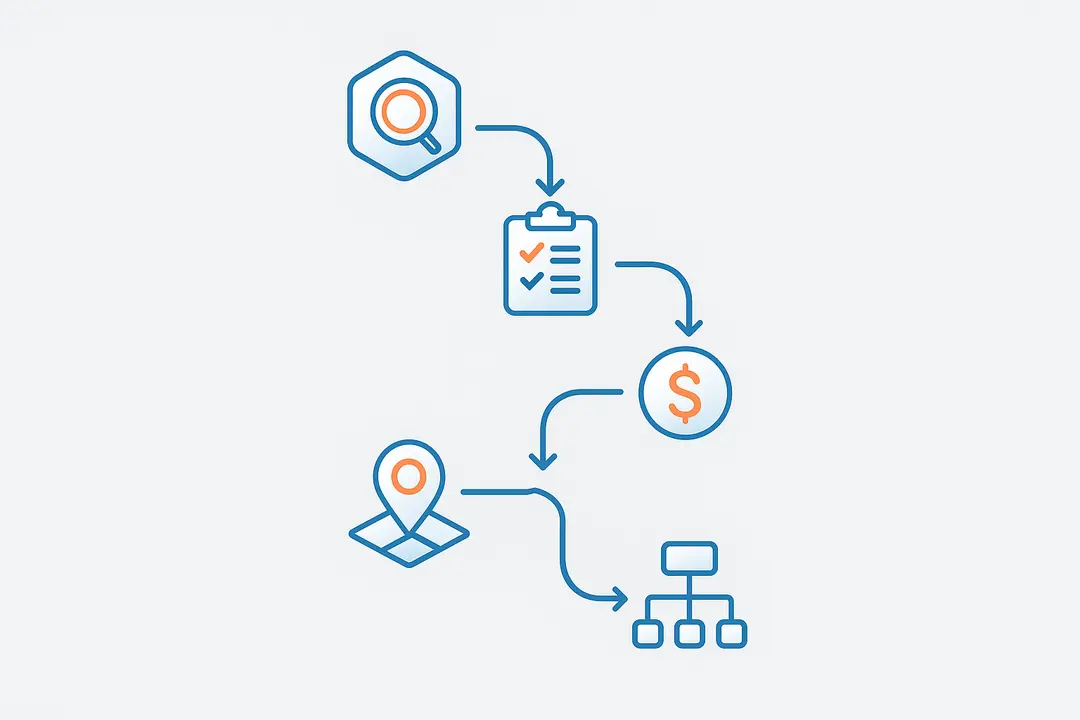
Choosing the right site to hire product designers depends on your company’s project type, urgency, vetting requirements, and budget. A clear decision framework eliminates guesswork and maximizes hiring ROI.
- Define Your Role Needs: Is your focus digital (UI/UX, app) or physical (hardware, industrial)? Some platforms specialize in one type (e.g., Dribbble for digital; Simera for hybrid or physical).
- Prioritize Vetting vs. Speed vs. Cost:
- For deeply-vetted, high-quality designers: start with Toptal or Simera.
- For speed and budgets: Upwork or Dribbble’s job board.
- For creative or branding focus: Behance portfolios.
- Budget and Fees Awareness: Factor in both platform and freelancer rates. Confirm whether you pay per project, hour, or per job post.
- Regional/Remote Requirements:
- Need timezone overlap or local expertise? Simera and LinkedIn offer robust regional search and legal compliance tools.
- Open to global remote? Upwork and Toptal are optimized for distributed teams.
- Hiring Workflow Integration: Consider platforms that integrate with your existing HR, payroll, or project management tools.
What Steps Should You Follow to Successfully Hire a Product Designer Online?
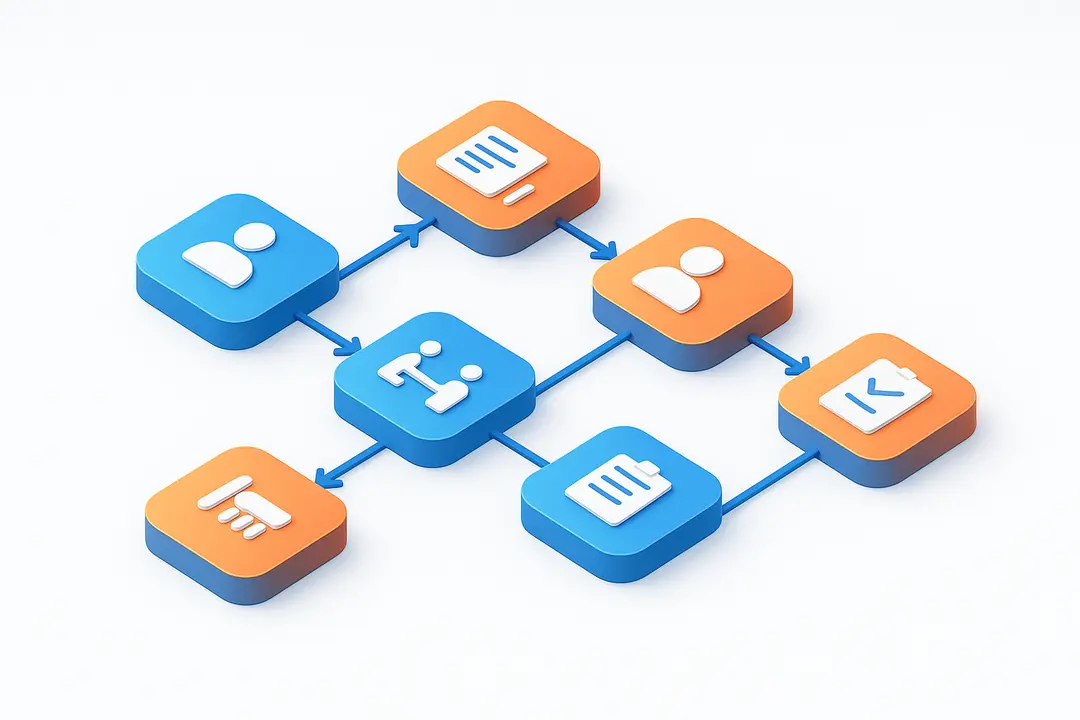
A structured hiring process increases the chance of finding the right product designer for your project. Here’s a best-practice, step-by-step guide:
- Define the Design Role: Clarify if you need a digital (UI/UX, web, mobile) or physical (industrial, hardware) product designer, and outline expected deliverables.
- Craft a Detailed Job Description: Specify skills, tools, and project scope. Include product stage, required experience (e.g., SaaS apps vs. hardware prototypes).
- Shortlist Candidates: Use portfolios, work samples, and reviews to identify the best matches. Filter for relevant industry, toolset, and style.
- Conduct Interviews: Prepare structured questions focusing on problem-solving, process, communication, and relevant past work.
- Check References & Assign Test Tasks: Contact previous clients where possible. For design tasks, assign a practical real-world challenge (where allowed by platform).
- Negotiate Fees and Trial Periods: Discuss payment structure (hourly, project, retainer), trial projects, and revision expectations before onboarding.
- Onboard and Set Collaboration Norms: Communicate expectations, feedback cycles, tools, and project timelines for smooth remote collaboration.
Cost Comparison: What Are the Typical Fees for Hiring Product Designers on Each Platform?
Understanding costs upfront helps you budget effectively and compare options. Below are typical fee structures and cost factors for the leading product designer hiring platforms in 2026.
| Platform | Designer Fees (Hourly/Project) | Platform Fees | Trial/Refund Policy | Payment Flow |
| Upwork | $25–$125/hr, varies by type | 10–20% of designer pay | Escrow, milestone-based | Pay as work completes |
| Toptal | $80–$200+/hr (premium) | 20–30% markup | 2-week no-risk trial (refund) | Pre-funded, managed by Toptal |
| Simera | $40–$150/hr; custom regional | 15–18%, transparent | Trial/intro project options | Localized or remote payroll |
| Behance | Set by designer, $30–$150/hr | Free to direct hire; paid job posts | N/A | Client-designer direct |
| Dribbble | Set by designer, $40–$175/hr | $299+ per job post | Varies by designer | Client-designer direct |
Remote vs. In-region: Remote designers can cost less, but some companies pay more for local market expertise or timezone compatibility.
Typical Total Hire Scenarios:
- A 3-month, senior UI/UX hire on Toptal: $25,000–$35,000 total
- A physical product design prototype via Simera: $8,000–$14,000 per milestone
- Short-term app redesign on Upwork: $2,500–$6,000, depending on complexity
Always clarify payment terms, revision policies, and trial scopes on each platform before committing.
Global & Remote-First Product Design Hiring: What’s Changed for 2026?
Remote-first hiring and global marketplaces are now the norm in product design, with platforms offering region-specific expertise and compliance tools.
- Boom in Cross-continental Hiring: Companies increasingly tap into talent from LATAM, MENA, and SEA to access skills, reduce costs, and enable round-the-clock collaboration.
- Platform Strengths by Region:
- Simera: Regional vetting for LATAM/MENA/SEA.
- Toptal/Upwork: Largest global reach, but varying local support.
- LinkedIn: Surge in enterprise hires from India, South America, EMEA.
- Physical Product Design: Platforms now connect hardware teams to industrial designers globally, solving for both manufacturing and compliance needs.
- Challenges: Increased attention to time zone overlap, team diversity, and local hiring regulations. Platforms are investing in better payroll, compliance, and security tools.
- 2026 Case Snapshot: A US-based health-tech firm built a distributed design team across Brazil, the UAE, and India, reducing hiring timelines by 40% and expanding market insights.
How to Vet and Evaluate a Product Designer Effectively
A thorough evaluation process ensures you hire skilled, reliable product designers who fit your specific needs. Here’s a robust vetting framework:
- Portfolio Review Checklist:
- Relevant, recent projects in your space (e.g., SaaS, mobile, hardware)
- Depth of process (wireframes, prototypes, testing iterations)
- Creative vs. functional balance, results and outcomes
- Key Signals Per Platform:
- Toptal/Simera: Certifications, multi-round vetting, problem-solving examples
- Upwork: Multi-project feedback, ratings, repeat engagements
- Behance/Dribbble: Highly visual portfolios, creative diversity, audience endorsements
- Red Flags:
- Generic portfolios with little project depth
- Lack of client testimonials or quantifiable impacts
- Poor communication or slow response times
- Interview & Test Tips:
- Assign real-world challenges relevant to your project (within ethical limits)
- Focus on design thinking, collaboration, and adaptability
Digital vs. Physical Product Designers: Which Platforms Serve Each Need Best?
Selecting the right platform also depends on whether your needs are digital—such as UI/UX, app, web—or physical product design (industrial, consumer, hardware).
- Digital Product Designers:
- Best Platforms: Upwork, Toptal, Dribbble, Behance, Simera (digital track)
- Common Projects: SaaS apps, mobile UI, dashboards, e-commerce, design systems
- Platform Edge: Dribbble and Behance dominate visually; Toptal excels in process/vetting
- Physical Product Designers (Industrial, Hardware):
- Best Platforms: Simera (regional/industrial track), Upwork (search filters), LinkedIn (senior/hybrid)
- Common Projects: Wearables, IoT devices, consumer electronics, packaging
- Tip: Seek platforms offering physical prototyping, regional manufacturing, and compliance knowledge
- Hybrid Needs:
- Consider platforms like Simera or Toptal that can source both digital UI designers and physical/industrial engineers for complex product teams.
FAQs: Everything You Need to Know About Hiring Product Designers Online
What are the best sites to hire a product designer?
Top platforms in 2026 include Upwork, Toptal, Simera, Behance, and Dribbble, each excelling in different designer types, vetting, and budget needs.
How do platforms like Toptal and Simera vet their product designers?
Toptal uses a multi-step screening process (portfolio, live interviews, test projects), aiming for the top 3% globally. Simera combines region-specific vetting models with practical project assessments and interviews.
What does it cost to hire a product designer online?
Typical designer fees range from $25–$200/hr depending on the platform, experience level, region, and project scope. Platform fees vary between 10–30% or use a flat job post model.
How should I compare Upwork and Toptal for my product design project?
Upwork offers a broader, budget-friendly pool with self-service vetting, ideal for fast or flexible needs. Toptal provides pre-vetted, premium talent for high-stakes or complex projects.
What steps should I follow to hire a remote product designer?
Define your needs, create a clear job post, screen for relevant portfolios, conduct interviews, test skills, check references, and finalize terms through the recruiting platform.
How do I evaluate a product designer’s portfolio?
Look for recent, relevant projects, demonstrated outcomes, creative process explanation, and versatility. Prioritize candidates whose style and skills closely align with your goals.
Are there more affordable alternatives to the top platforms?
Yes, LinkedIn, Pangea.app, and Twine offer cost-effective options or early-career talent, though vetting may require more in-house effort.
How quickly can I hire a vetted product designer on these sites?
Turnaround varies: Upwork can yield interviews within days, Toptal average is 1–2 weeks (due to vetting), Simera’s typical match within 5–10 days.
What are common mistakes to avoid when hiring freelance product designers?
Skipping portfolio reviews, under-defining the role, neglecting communication checks, and failing to clarify payment terms are among the top pitfalls.
Conclusion
Choosing the right platform to hire a product designer in 2026 is now both an art and a science. With clear comparison data, step-by-step frameworks, and expert insights, you’re equipped to cut through the noise, select the best site and talent for your needs, and streamline your hiring process.
Take the next step: use the summary comparison table and decision frameworks in this guide to shortlist platforms, download the hiring checklist, or reach out to start your search. Hiring your ideal product designer is within reach—make your next product launch a success.
Key Takeaways
- The top sites to hire product designers in 2026 are Upwork, Toptal, Simera, Behance, and Dribbble.
- Match platform choice to your project type, budget, vetting needs, and region.
- Follow a structured hiring process—clarify needs, assess portfolios, run interviews and test tasks.
- Factor in both designer rates and platform fees when budgeting.
- Leverage expert-backed best practices to avoid common hiring mistakes and secure top design talent.
This page was last edited on 5 May 2026, at 11:40 am

Start a conversation with our team to solve complex challenges and move forward with confidence.