Demand for blockchain software development has surged due to the growth of decentralized finance (DeFi), supply chain applications, and digital asset management. Many aspiring and early-career developers find the learning curve steep—especially when choosing platforms or building their first smart contract. This comprehensive, platform-agnostic guide demystifies blockchain software development, breaking it down into actionable steps, skill paths, and practical tooling decisions. By the end, you’ll know how to start, where to build, and how to future-proof your skills in this fast-moving field.
TL;DR:
Blockchain software development is the design, building, and deployment of decentralized applications (dApps) and smart contracts on secure, distributed ledgers. This guide delivers a step-by-step roadmap, platform comparison, tooling advice, and hands-on starter projects to help you launch and succeed as a blockchain developer.
What Is Blockchain Software Development?
Blockchain software development means building applications and smart contracts on decentralized, tamper-resistant digital ledgers called blockchains.
At its core, blockchain development involves creating, testing, and deploying code on distributed networks where each participant (node) maintains a copy of the data. The ecosystem consists of:
- Blocks: Data units containing transactions and cryptographic hashes.
- Chains: Linked, chronological series of blocks.
- Nodes: Network participants validating and storing data.
- Consensus mechanisms: Algorithms ensuring agreement and security across nodes.
Key Developer Roles in Blockchain
| Role | Focus Area | Typical Tasks |
|---|---|---|
| Core Blockchain Dev | Infrastructure & protocol layer | Architecting blockchain structure, security, consensus |
| dApp Developer | Applications, smart contracts, integrations | Building user-facing apps, APIs, contracts |
Common Use Cases:
- Finance: Decentralized finance (DeFi), payments, asset tokenization
- Supply Chain: Transparent tracking, anti-counterfeiting
- Gaming: Play-to-earn, NFT assets, in-game economies
By understanding this ecosystem, developers can position themselves for impactful and future-ready projects in blockchain.
What Skills & Prerequisites Do You Need to Become a Blockchain Developer?
To become a blockchain developer, you’ll need solid programming skills, an understanding of data structures, and knowledge of cryptography and decentralized networks.
Blockchain Developer Skills Checklist:
- Strong programming fundamentals (e.g., JavaScript, Python, Go, or Rust)
- Knowledge of data structures (hashes, linked lists, Merkle trees)
- Basic understanding of cryptography (hashing, public/private keys)
- Experience with RESTful APIs and web protocols
- Familiarity with distributed systems and P2P networking principles
- Problem-solving and analytical skills
- Ability to contribute to or collaborate within open-source communities
Do you need prior coding experience?
Yes—most blockchain platforms assume proficiency in at least one programming language and basic software development workflows. For dApp and smart contract development (e.g., Solidity on Ethereum, Python on Algorand), foundational coding is essential. Some platforms, like Hyperledger, offer frameworks for developers with enterprise backgrounds (e.g., Java, Go).
Soft Skills Matter:
Success in web3 also depends on open-source collaboration, documentation habits, and the ability to learn from community codebases.
How To Choose the Right Blockchain Platform (Ethereum, Hyperledger, Algorand, and More)
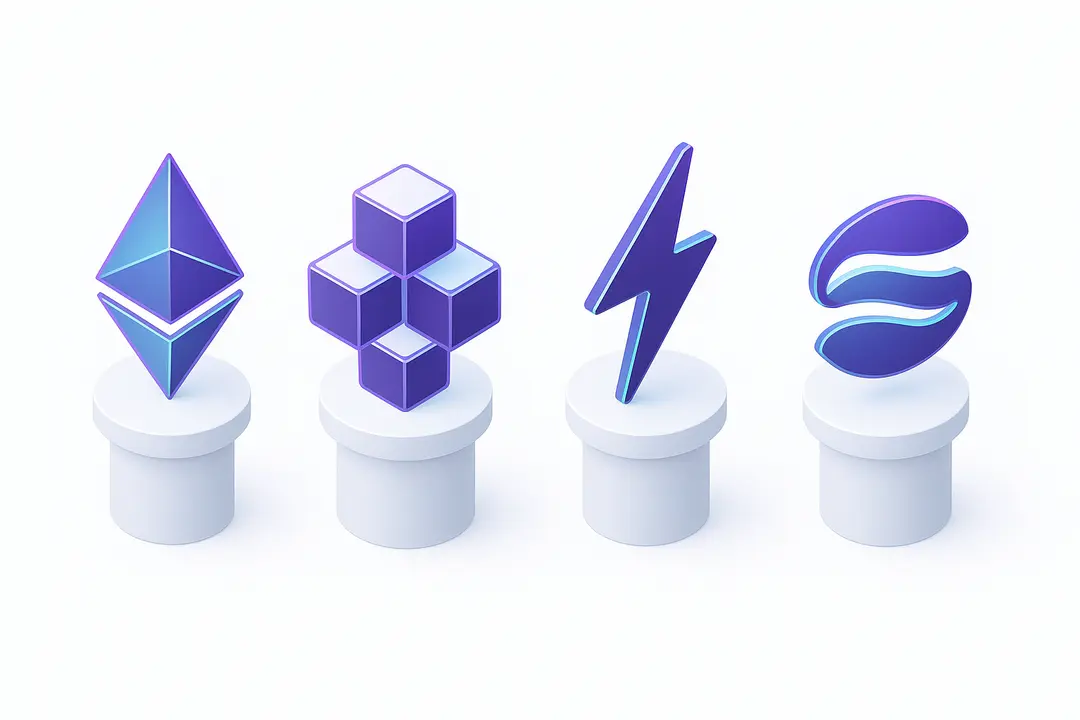
Choosing the right blockchain platform depends on your project goals, technical background, and preferred programming languages.
Leading Blockchain Platforms:
| Platform | Language(s) | Ecosystem Focus | Common Use Cases | Public/Private | Unique Strengths |
|---|---|---|---|---|---|
| Ethereum | Solidity, Vyper | Largest developer base | DeFi, NFTs, dApps | Public | Mature tooling, EVM |
| Hyperledger | Go, Java, NodeJS | Enterprise, supply chain | Supply chain, business | Mostly Private | Modular, permissioned |
| Algorand | Python, Go, JS | Speed, low cost | Payments, DeFi, assets | Public | Pure PoS, easy onboarding |
| Solana | Rust, C, C++ | High throughput | Gaming, DeFi | Public | Fast, low fees |
Key Decision Factors:
- Language preference: Solidity for Ethereum, Python for Algorand
- Community & support: Larger ecosystems (Ethereum) have more resources
- Scalability & speed: Algorand and Solana offer high throughput
- Security & compliance: Hyperledger suitable for tightly regulated or private environments
Public vs. Private Blockchain:
- Public blockchains (Ethereum, Algorand, Solana): Open, transparent, anyone can join or build on them.
- Private blockchains (Hyperledger): Access-restricted, better for enterprise or consortium solutions.
Decision Chart:
- Build open finance app → Ethereum or Algorand
- Need enterprise control → Hyperledger
- Require high-speed, low-cost → Solana or Algorand
- Prefer Python or Go over Solidity → Algorand or Hyperledger
Choose based on your project’s requirements, regulatory needs, and preferred dev environment.
What Programming Languages and Tools Power Blockchain Development?
Blockchains are built using a range of programming languages and specialized tools, each tailored to their ecosystem.
Top Programming Languages by Blockchain Platform
| Platform | Primary Language(s) | Language Advantage | Developer Demand |
|---|---|---|---|
| Ethereum | Solidity, Vyper | Contract-focused, EVM | Very high |
| Algorand | Python, Go, JavaScript | Broad, familiar syntax | High, growing |
| Hyperledger | Go, Java | Enterprise-ready, modular | Steady (enterprise) |
| Solana | Rust, C | Fast, low-level control | Emerging, high value |
Essential Development Tools:
- IDEs and code editors: Remix IDE (in-browser for Solidity/Ethereum), VS Code + extensions, IntelliJ
- Toolkits: Truffle (Ethereum), Hardhat (Ethereum), AlgoKit (Algorand), Hyperledger Composer/Bevel
- Frameworks and SDKs: Web3.js (Ethereum), py-algorand-sdk (Algorand), Hyperledger Fabric SDK
- Block explorers: Etherscan (Ethereum), AlgoExplorer (Algorand)
- Testing & security: Ganache (Ethereum local blockchain), MythX, Slither (Ethereum smart contract security)
Example: How To Choose Tools for Your Project
- Pick a language/platform: Solidity + Remix for an Ethereum dApp; Python + AlgoKit for Algorand smart contracts.
- Set up your dev environment: Code editor, SDK, local network/testnet.
- Use a block explorer: Verify transactions and contract deployments.
Pros and Cons Table:
| Language | Platforms | Pros | Cons |
|---|---|---|---|
| Solidity | Ethereum | Specialized, in demand | Niche, new syntax |
| Python | Algorand | Easy to learn, versatile | Not used on all platforms |
| Go | Hyperledger | Fast, secure | Lower web3 learning content |
| Rust | Solana | High performance, secure | Steep learning curve |
| JavaScript | Web, Algorand | Universal for frontends | Not for all smart contracts |
Choose languages and tools that fit your current skills, target platform, and project needs.
Step-by-Step Blockchain Software Development Process (With Your First Smart Contract)
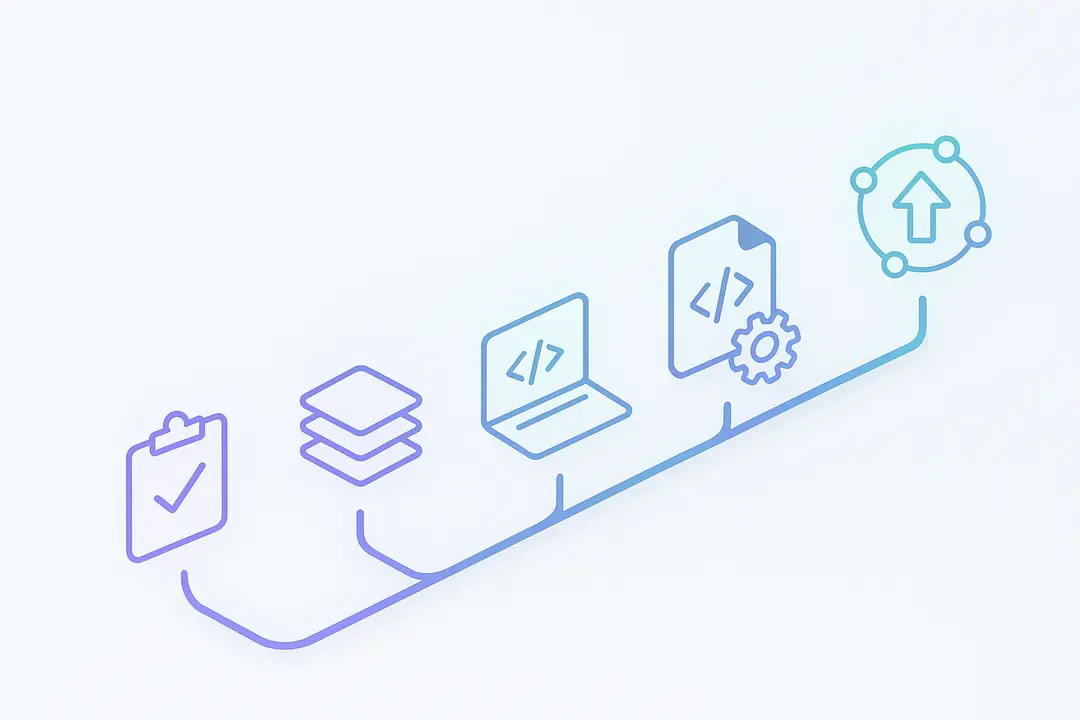
Step 1: Define Your Project Requirements
- Choose a use case (e.g., simple token, digital asset, or voting app)
- List core features and desired blockchain properties (public/private, speed, cost)
Step 2: Choose Your Blockchain Platform
- Match use case and language preference (e.g., Ethereum/Solidity, Algorand/Python)
Step 3: Set Up Your Development Environment
For Ethereum (Solidity):
- Install Remix IDE (web-based, no setup needed)
- Optional: Install Truffle or Hardhat for local development
For Algorand (Python):
- Install Python and AlgoKit
- Set up py-algorand-sdk
Step 4: Write and Test Your First Smart Contract
Example 1: Deploying a Simple Smart Contract on Ethereum
// SPDX-License-Identifier: MIT
pragma solidity ^0.8.0;

contract HelloWorld {
    string public message = "Hello, Blockchain!";

    function updateMessage(string memory newMessage) public {
        message = newMessage;
    }
}
– Paste in Remix IDE
– Compile and deploy to Ethereum testnet (e.g., Goerli)
– Test updating the message
Example 2: Creating an Algorand Smart Contract (PyTeal/Python)
from pyteal import *

def approval_program():
    return Approve()

if __name__ == "__main__":
    print(compileTeal(approval_program(), mode=Mode.Application, version=5))
– Save as hello_algo.py
– Compile using AlgoKit or the Algorand sandbox
– Deploy via AlgoKit CLI or SDK to Algorand TestNet
Step 5: Integrate with a Frontend (dApp Development)
- For Ethereum: Use web3.js in a JavaScript frontend like React
- For Algorand: Use the py-algorand-sdk or algo-sdk
Step 6: Test and Deploy
- Run on testnets (e.g., Ethereum Goerli, Algorand TestNet)
- Verify with block explorers
Step 7: Share and Iterate
- Open-source your code on GitHub
- Gather feedback, fix bugs, and improve your project
[Downloadable Development Checklist — Starter PDF]
How Do Consensus Mechanisms Work? (PoW, PoS, and Beyond Explained)
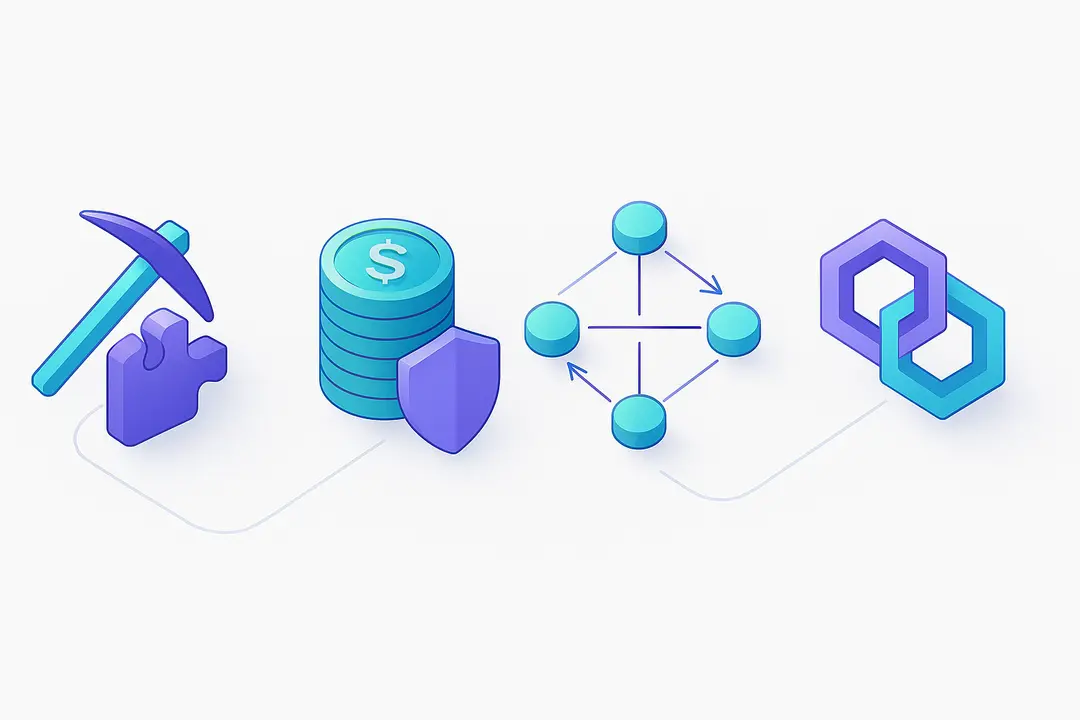
Consensus mechanisms are algorithms that ensure all participants in a blockchain network agree on the state of the ledger, preventing fraud or double-spending.
Core Consensus Mechanisms:
| Mechanism | How It Works | Used By | Pros | Cons |
|---|---|---|---|---|
| Proof of Work (PoW) | Nodes solve computational puzzles to validate blocks | Bitcoin, pre-2022 Ethereum | Security, decentralized | Energy intensive |
| Proof of Stake (PoS) | Validators stake assets to win block creation | Ethereum 2.0, Algorand | Energy efficient, scalable | Staking centralization |
| Delegated PoS (DPoS) | Users delegate stake to a few validators | EOS, TRON | Fast, democratic | Less decentralized |
| BFT (Byzantine Fault Tolerance) | Agreement despite malicious nodes | Hyperledger, Cosmos | High security | Suited for small, private networks |
Table: Platforms vs. Consensus Types
| Platform | Consensus |
| Ethereum | PoW → PoS |
| Algorand | Pure PoS |
| Hyperledger | BFT |
| Solana | PoH + PoS |
Why It Matters:
Consensus impacts decentralization, security, scalability, and how you write applications. For example, PoW requires longer confirmation times, while PoS and BFT allow for faster, eco-friendly development.
What Are the Best Practices for Blockchain Security & Testing?
Securing blockchain applications and smart contracts is vital—vulnerabilities can lead to irreversible financial loss or data compromise.
Best Practices for Blockchain Security:
- Always validate user input in smart contracts
- Regularly audit and test code (manual reviews and automated tools)
- Use established libraries (e.g., OpenZeppelin for Ethereum)
- Avoid “reentrancy” and overflow/underflow vulnerabilities
- Safeguard private keys with hardware wallets or secure key management
Top Testing & Security Tools:
- MythX, Slither: Automated vulnerability scanning for Solidity/Ethereum
- OpenZeppelin audit guides: Security patterns and code review
- Truffle & Hardhat: Comprehensive smart contract testing suites
- Hyperledger Caliper: Benchmarking for enterprise blockchains
Security Checklist:
- Use testnets for all staging deployments
- Lock contract variables and functions as needed
- Develop comprehensive unit and integration tests
- Audit dependencies for vulnerabilities
- Keep up to date with critical patches or security alerts
For in-depth auditing, refer to guides provided by OpenZeppelin and platform documentation.
How To Build a Blockchain Developer Roadmap (Skills, Communities & Careers)
A blockchain developer roadmap clarifies which skills to learn, which communities to join, and how to advance your career step by step.
Suggested Year-by-Year Roadmap:
- Year 1: Foundations
- Learn programming basics (Python, JavaScript, Go)
- Understand blockchain architecture and consensus
- Deploy a simple dApp or smart contract on testnet
- Year 2: Intermediate
- Study smart contract patterns and security
- Contribute to open-source blockchain projects (GitHub)
- Join hackathons and developer communities (Discord, StackExchange, Algorand Dev Portal)
- Year 3: Specialization
- Pursue certifications (e.g., ConsenSys, Hyperledger or Algorand Developer certifications)
- Explore advanced roles: Security Auditor, Project Manager, Protocol Developer
Key Communities:
- GitHub: Open-source collaboration and contributions
- Discord/Telegram: Dev channels for platforms (Ethereum, Algorand, Solana)
- StackExchange: Problem-solving and peer support
Bootcamps & Certifications:
Career Paths & Salary Trends:
- dApp Developer: ~$90k–$150k USD/year (varies by region and experience)
- Core Blockchain Developer: Higher demand for protocol/security expertise
- Security Auditor: Specialized, often contract-based
Where To Find Trusted Resources, Tutorials, and Open-Source Projects
Leading blockchain platforms and communities offer extensive documentation, tutorials, and open-source code for hands-on learning and contribution.
Official Documentation & Developer Portals:
Open-Source Repositories & Starter Kits:
Tutorials & Code Labs:
Courses & Certification Marketplaces:
Contributing to Open Source:
- Fork and propose improvements to existing projects
- Submit bug fixes, documentation, or new features
- Engage in code reviews and discussions on GitHub
Explore these resources to accelerate your learning and build a credible developer portfolio.
Summary Table: Blockchain Developer’s Key Decisions & Pathways
| Decision Area | Options | When to Choose |
|---|---|---|
| Platform | Ethereum, Algorand, Hyperledger, Solana | Based on project type, skill, community, compliance |
| Language | Solidity, Python, Go, Rust, JS | Match platform and personal coding strengths |
| Tooling | Remix, Hardhat, AlgoKit, Composer | Based on platform, ease of setup, testing needs |
| First Project | Token, simple dApp, NFT, supply chain | Choose based on learning goal or business case |
| Community | GitHub, Discord, StackExchange | For mentorship, troubleshooting, networking |
| Career Path | Core dev, dApp dev, security, PM | Based on skills and professional interests |
This summary table provides a quick-reference for key decisions along your blockchain developer journey.
Frequently Asked Questions (FAQ)
What are the first steps to becoming a blockchain software developer?
Start by learning basic programming (Python, JavaScript, or Go), study blockchain concepts, and build your first smart contract or dApp using a platform’s official tutorials.
Which programming languages are most useful for blockchain development?
Solidity (Ethereum), Python (Algorand), Go (Hyperledger), and Rust (Solana) are leading choices. Pick based on the platform you’re interested in and your existing skills.
How do you create and deploy a smart contract?
Write your smart contract code using a supported language (e.g., Solidity for Ethereum), test it on a local or testnet environment, then deploy it to the network using platform tools like Remix (Ethereum) or AlgoKit (Algorand).
What are the main differences between Ethereum, Algorand, and Hyperledger development?
Ethereum is public, uses Solidity, and has the largest ecosystem. Algorand offers Python support and high speed/low cost. Hyperledger is tailored for private, enterprise solutions and supports Go/Java.
What tools or IDEs are recommended for blockchain developers?
Remix IDE (Ethereum), VS Code (multi-platform), Truffle and Hardhat (Ethereum testing/deployment), AlgoKit (Algorand), and Hyperledger Composer are top picks.
How do I secure my blockchain application and smart contracts?
Adopt audit-ready coding practices, use security tools like MythX/Slither, follow platform security guides, and always test on public testnets before mainnet deployment.
What is the difference between core blockchain development and dApp development?
Core development focuses on blockchain protocol and infrastructure; dApp development centers on building applications and smart contracts using the platform’s capabilities.
What are common career paths or roles in blockchain development?
Roles include core blockchain developer, dApp/smart contract developer, security auditor, and blockchain project manager, each requiring different specializations and responsibilities.
What is a consensus mechanism and why does it matter?
A consensus mechanism is the protocol that enables all blockchain nodes to agree on the recorded data’s validity. It protects against fraud and defines network speed and energy use.
Where can I find hands-on blockchain bootcamps or hackathons?
Check platform dev portals, Devpost, Consensys Academy, Hyperledger, and Algorand for regular bootcamps and hackathons.
Conclusion
Blockchain software development is an open frontier—whether you’re interested in DeFi, enterprise solutions, or web3 apps, the entry points are clearer than ever. This guide has equipped you with a step-by-step roadmap, platform and tooling comparisons, and security best practices.
Ready to go further? Start by building and deploying your first smart contract on Ethereum or Algorand’s testnet. Join a developer community, contribute to open-source projects, and consider a blockchain bootcamp or certification to accelerate your journey.
Key Takeaways
- Blockchain software development spans multiple platforms and roles—choose based on project needs and skills.
- Programming fundamentals, cryptography, and data structure knowledge are essential.
- Use platform-aligned tools: Remix/Truffle (Ethereum), AlgoKit (Algorand), Composer (Hyperledger).
- Security and thorough testing are critical at every stage.
- Community engagement, continuous learning, and contributing to open source will help you succeed.
This page was last edited on 9 July 2026, at 11:06 am

Start a conversation with our team to solve complex challenges and move forward with confidence.