Choosing the right IT outsourcing model is crucial when hiring a development team—it directly impacts project success, costs, and risk. Many decision makers struggle with balancing control, quality, and flexibility, often overwhelmed by the array of options and their implications.
This guide delivers a step-by-step expert framework: it will define core IT outsourcing models, compare their strengths and weaknesses, and walk you through how to select and implement the best approach for your needs. By the end, you’ll have actionable tools—including comparison tables and checklists—to confidently hire a development team tailored to your project goals.
What Are IT Outsourcing Models for Development Teams?
IT outsourcing models are structured methods for hiring and engaging development teams through external partners, determining how work, resources, and responsibilities are distributed between your business and the vendor.
These models offer flexible ways for organizations to access specialized skills, scale quickly, and manage budgets—especially in today’s competitive software market. By understanding these engagement types, you can better match your project’s requirements to the right team structure, whether you need to fill a skills gap, build a new product, or extend operational capacity.
IT outsourcing models specify the arrangement for hiring a development team from an external provider—defining roles, responsibility sharing, and collaboration processes that influence project cost, control, and risk.
Common reasons for using IT outsourcing models include:
- Fast team scaling without full-time hiring
- Access to global, specialized talent pools
- Controlling operational costs and overhead
- Accelerating digital transformation or product launches
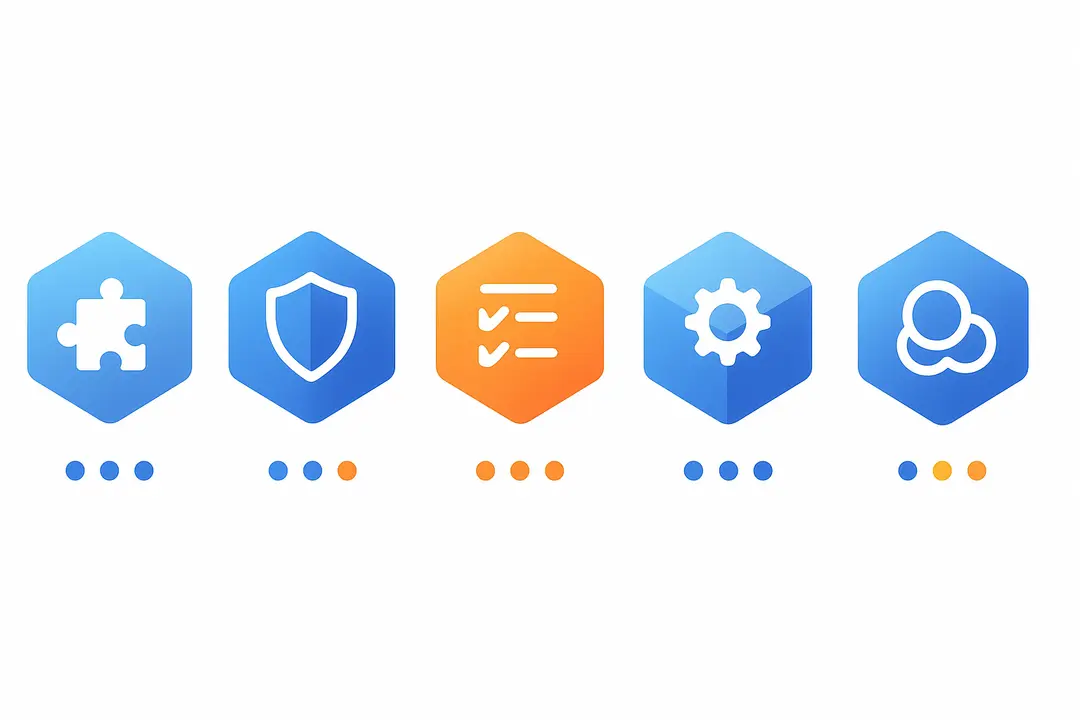
With diverse structures—like staff augmentation, dedicated teams, project-based outsourcing, or managed services—each model addresses different business scenarios and risk profiles.
What Are the Main Types of IT Outsourcing Models?
| Model | Engagement Type | When to Use | Degree of Control | Typical Risks |
| Staff Augmentation | Team extension | Fill skill gaps/scale fast | High | Integration, oversight |
| Dedicated Team | Managed remote team | Long-term, agile development | Medium-High | Alignment, commitment |
| Project-Based | Fixed project delivery | Clearly defined scope, deadlines | Medium-Low | Flexibility, scope creep |
| Managed Services | Ongoing ops/support | Routine IT, SLA-driven maintenance | Low-Medium | Vendor lock-in, QoS |
| Hybrid & Emerging | Mix of above, R&D BOT | Custom, large-scale, or R&D projects | Varies | Complexity, contracts |
Staff Augmentation
Staff augmentation is an outsourcing model where external developers join your in-house team temporarily to fill skill gaps or increase capacity.
Key points:
- When to use: Ideal for short-term needs, urgent scaling, or supplementing scarce expertise (e.g., specialized frontend, DevOps, QA).
- Structure: Your managers oversee both internal and augmented staff, maintaining processes and tools.
- Management: Maximum client-side control but requires good onboarding and communication for seamless workflow.
Pros:
- Fast access to specific skills or expertise
- High flexibility—scale resources up or down
- Retain process and project management control
Cons:
- Higher management overhead and integration effort
- Challenging cross-team alignment if not managed carefully
Dedicated Development Team Model
The dedicated development team model provides a long-term, external team that works exclusively on your projects, managed collaboratively with the vendor.
Key points:
- Model overview: Secure a stable, remote team tailored to your requirements; suitable for ongoing, evolving projects.
- Control: Shared management—vendor usually handles recruiting/HR, while you direct work prioritization and methodology.
- Best suits: Mid-to-large projects requiring agility (Agile/Scrum) or continuous feature delivery, such as SaaS platforms.
Pros:
- Deep team integration, knowledge retention
- Predictable monthly costs
- Agility and responsiveness to change
Cons:
- Slower initial ramp-up compared to staff augmentation
- Relies on vendor for HR, retention, and culture fit
Project-Based / Managed Services Outsourcing
Project-based and managed services models transfer responsibility for delivering a defined software solution or ongoing IT operation to an outside vendor.
Project-Based Outsourcing:
- Scope: Vendor delivers a full project according to defined specs, often at fixed cost.
- Best for: Clear, one-time deliverables (e.g., website launch, mobile app).
- Example: A business outsources development of a new fintech app, receiving a turnkey solution.
- Ongoing engagement: The vendor manages specific IT processes (maintenance, helpdesk, infrastructure), typically bound by SLAs (Service Level Agreements).
- Ideal for: Maintenance, support, or recurring IT needs.
Pros:
- Simple vendor relationship—single point of accountability
- Predictable costs for defined scope/services
Cons:
- Less flexibility once scope is set (change requests can be costly)
- Lower transparency/control during development phase
Hybrid & Emerging Outsourcing Models
Hybrid and emerging models—like build-operate-transfer (BOT), R&D centers, or custom blends—offer a mix of the above, aligning outsourcing with strategic business objectives.
- Hybrid Model: Combines elements (e.g., staff augmentation for scale, with dedicated teams for core systems). Useful for complex programs, digital transformation, or regulated industries.
- R&D/Development Centers: Vendor sets up a remote innovation lab dedicated to your company, supporting strategic research, iterative product development, and IP ownership.
- Build-Operate-Transfer: The vendor builds and operates a team/location and later transfers it to your control—suiting firms seeking permanent international presence or risk-managed market entry.
When to consider: Large-scale, complex, or innovation-driven initiatives; custom needs not met by standard models.
How Do Geographic Engagement Models Work? (Onshore vs. Nearshore vs. Offshore)
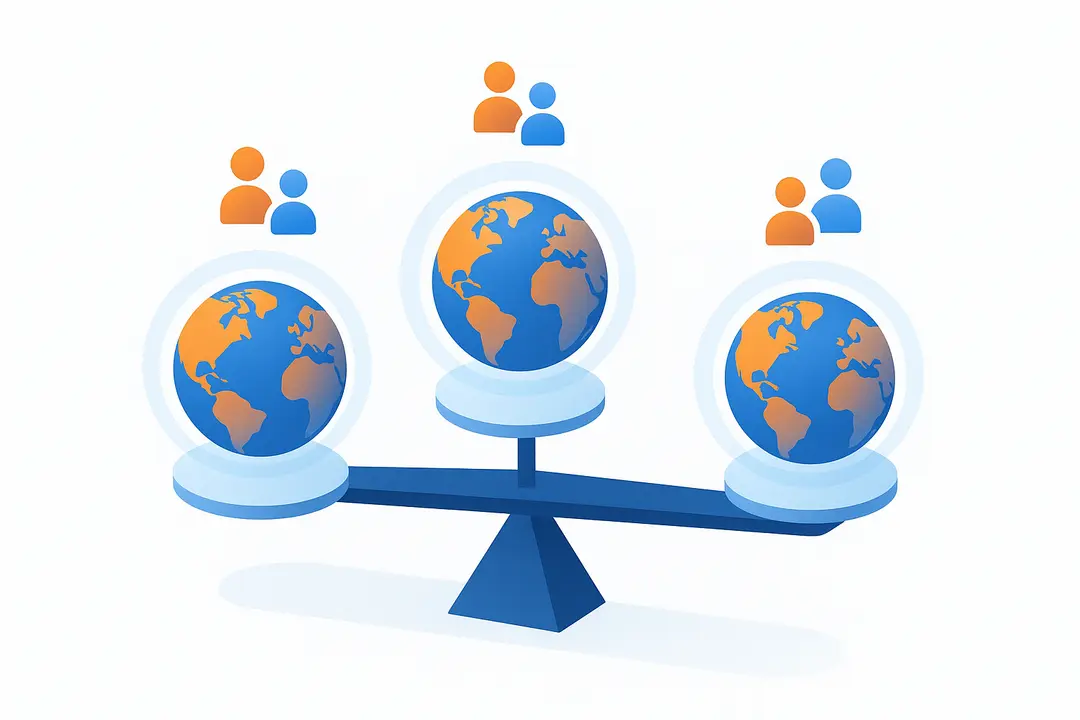
Geographic engagement models—onshore, nearshore, and offshore—define where your outsourced development team is located relative to your home base, impacting cost, communication, and collaboration.
| Model | Location | Time Zone | Cost | Communication | Common Use Cases |
| Onshore | Same country | Matching | Highest | Easiest | Regulated or high-collab projects |
| Nearshore | Neighbor regions | Close | Moderate | Easy/Good | Agile/devops, real-time teamwork |
| Offshore | Far/different cont. | Significant | Lowest | Language/time | Cost-driven, skill-scarce projects |
Onshore Outsourcing
Onshore outsourcing involves hiring a development team within your own country, ensuring shared language, culture, regulations, and time zones.
Benefits:
- Minimal communication challenges
- Easier legal compliance (IP, data laws)
- Fast response cycles
Cost: Typically highest due to local wage standards.
Nearshore Outsourcing
Nearshore outsourcing places development teams in neighboring or nearby countries—merging more affordable talent with overlapping work hours and cultural affinity.
Benefits:
- Lower costs than onshore; similar collaboration benefits
- Easy travel for integration or workshops
- Examples: US companies sourcing teams in Latin America; Western Europe engaging Eastern Europe vendors
Challenges: Managing slight cultural or regulatory differences.
Offshore Outsourcing
Offshore outsourcing means working with development teams in distant, often lower-cost regions such as Asia or Eastern Europe.
Benefits:
- Maximum cost savings
- Vast, diverse talent pools
Challenges:
- Significant time zone gaps
- Possible language or work-style differences
- Requires robust communication and project management practices
Combining Models: Hybrid and Distributed Approaches
Some organizations blend geographic models—using onshore leads with offshore or nearshore teams for scalability, or distributing teams across continents for 24/7 coverage.
When to use:
- Global product launches need around-the-clock progress
- Balancing cost with innovation or data privacy needs
Benefits: Combine cost efficiency, local expertise, and scalability—but requires advanced coordination and governance.
Comparison Matrix: IT Outsourcing Models Side-by-Side
| Model | Control | Vendor Role | Cost | Mgmt. Complexity | Pros | Cons | Best For |
| Staff Augmentation | High | Supply & payroll | Moderate-High | High | Flexibility, skill access, rapid scaling | Integration, oversight | Skills gap, rapid scale |
| Dedicated Team | Med-High | HR, onboarding, admin | Moderate | Medium | Integration, agility, predictable budget | Ramp-up time, vendor HR dependence | Ongoing dev, evolving roadmaps |
| Project-Based | Medium | Deliver project/output | Varies* | Low | Accountability, defined deliverables | Rigid scope, less flexibility | Fixed-scope, turnkey projects |
| Managed Services | Low-Med | Full process/operator | Subscription | Low | Hands-off, ongoing support | Vendor lock-in, variable service levels | Maintenance, helpdesk, infra ops |
| Hybrid/Emerging | Variable | Blended/custom | Depends | Higher | Tailored, scalable, strategic | Complex contracts, setup time | R&D, innovation, regulated industries |
*Project-based costs are usually fixed for defined scope but can escalate with scope changes.
How Do You Choose the Right IT Outsourcing Model?
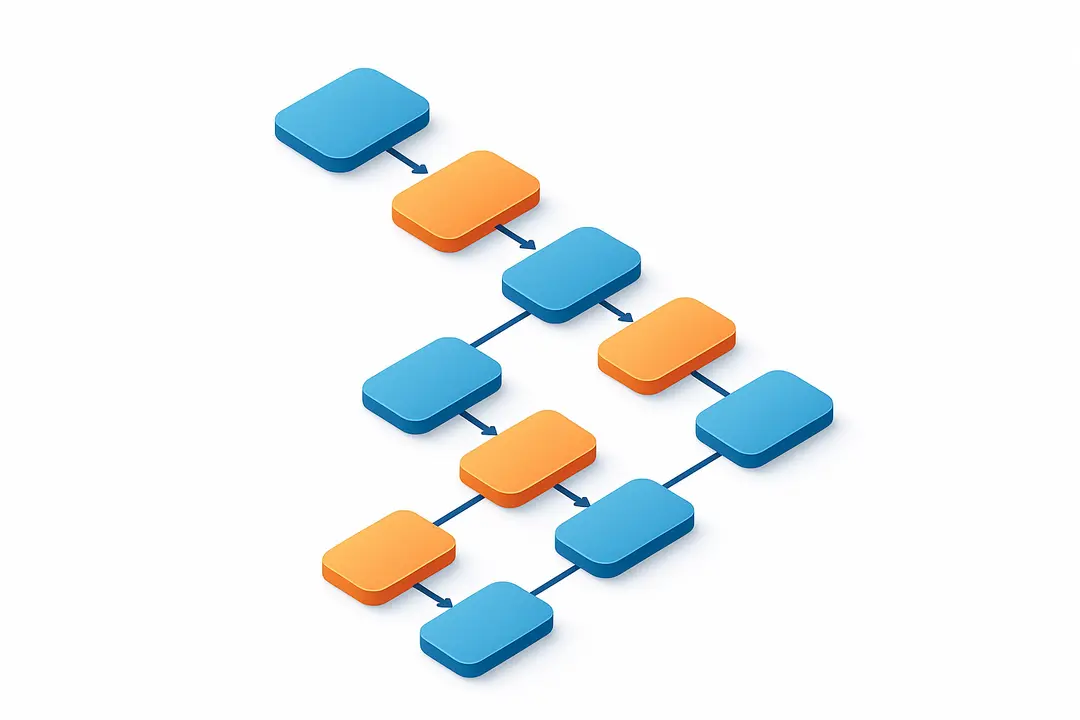
Selecting the best IT outsourcing model for hiring a development team requires a structured, criteria-driven process aligned with your project’s scope, goals, and risk profile.
Step-by-Step Selection Framework:
- Define Objectives and Requirements
- Clarify business goals, technical needs, and project scope.
- Specify desired outcomes and timeframes.
- Assess Internal Capabilities
- Analyze existing team skills, resources, and management bandwidth.
- Identify critical skill gaps or constraints.
- Determine Desired Control and Flexibility
- Decide how much day-to-day oversight and process input you require.
- Evaluate your organization’s comfort with delegation and vendor management.
- Consider Budget and Cost Structure
- Establish your budget boundary and preferred pricing model (hourly, fixed, retainer).
- Align expectations with total cost of ownership—including hidden costs.
- Evaluate Risk, Compliance, and Legal Needs
- List data security, compliance, and IP obligations.
- Consider geographic/regulatory constraints.
- Shortlist Suitable Outsourcing Models
- Use previous steps to match models (see matrix above).
- Exclude options that don’t fit your core requirements.
- Vet and Compare Potential Vendors
- Conduct due diligence: reputation, references, technical expertise, certifications.
- Prioritize fit with your culture and communication style.
- Negotiate Contracts and Governance
- Define SLAs, escalation paths, knowledge transfer plans, and exit clauses.
- Ensure contracts clearly state IP, data protection, and risk-sharing terms.
- Pilot and Scale as Needed
- Start with a pilot or phased engagement.
- Monitor performance against KPIs and adjust as needed.
Flowchart/Decision Path:
- Project is short-term/needs rapid scale-up: → Staff Augmentation
- Long-term, strategic development with evolving roadmaps: → Dedicated Team
- One-off project, fixed deliverables and scope: → Project-Based Outsourcing
- Ongoing routine IT or support: → Managed Services
- Complex mix or R&D needs: → Hybrid/Emerging Model
What Factors Impact Outsourcing Success When Hiring a Development Team?
Outsourcing success hinges on thorough vendor selection, strong communication, legal diligence, and proactive risk management throughout the engagement.
Key success factors:
- Vendor Vetting & Due Diligence
- Assess track record, certifications (such as ISO 27001, SOC 2), technical skills, and cultural compatibility.
- Request client references and sample projects.
- Legal, IP, and Compliance
- Contracts should clearly define IP ownership, data handling, SLAs, and confidentiality clauses.
- Address compliance requirements (e.g., GDPR, HIPAA) depending on your sector and vendor location.
- Communication & Collaboration
- Set expectations for meeting cadence, reporting, and escalation.
- Use collaboration platforms/tools for real-time work.
- Security and Data Protection
- Validate vendor’s security credentials and policies.
- Include provisions for security incidents and data breaches.
- Clear Governance and Contracts
- Specify roles, responsibilities, KPIs, and exit strategies in contracts.
- Set up a governance model with regular reviews and escalation paths.
- Knowledge Transfer and Exit Planning
- Plan for transition phases, ensure documentation and training for continuity.
- Define post-contract support or handover procedures.
- Pricing and Engagement Model Fit
- Clarify all cost elements, including overages, revisions, and change requests.
- Choose engagement terms that align risk and incentives.
Mini-checklist for outsourcing success:
- Have you checked vendor certifications?
- Is your contract clear on IP, data, and compliance?
- Are communication processes formalized?
- Is there an exit/transition plan in place?
FAQ: IT Outsourcing Models for Development Teams
What are the main IT outsourcing models for hiring a development team?
The main models are: (1) Staff Augmentation, for quickly filling skill gaps; (2) Dedicated Teams, for long-term, agile development; and (3) Project-Based or Managed Services outsourcing, for turnkey project delivery or managed IT functions. Hybrid and R&D-driven models are also rising in popularity.
How do I choose the right outsourcing model for my software project?
Start by analyzing your project scope, internal resources, control needs, and risk tolerance. Use a stepwise selection framework: define priorities, align with model benefits, shortlist vendors, and structure a legal/contractual fit.
What is the difference between staff augmentation and a dedicated team model?
Staff augmentation adds external specialists to your existing team on a temporary basis, under your management. A dedicated team model provides a self-contained remote team managed collaboratively, ideal for ongoing projects needing deep integration.
When is project-based outsourcing the best choice?
Project-based outsourcing works best for well-defined, one-off projects where scope, deliverables, and timeline are clear upfront—such as building a website or a mobile app with fixed features.
What are the advantages and disadvantages of onshore vs. offshore development teams?
Onshore teams offer ease of communication, cultural fit, and regulatory compliance, but are usually higher cost. Offshore teams deliver significant cost savings and global talent, but may pose time zone or cultural challenges that require strong project management.
How do IT outsourcing pricing models work?
Common pricing models include hourly (time & materials), fixed-price (for defined scope), and retainer/subscription (ongoing managed services). The choice impacts flexibility, control, and risk allocation.
What legal or compliance risks should I consider?
Major risks include IP protection, data privacy, regulatory compliance (GDPR, HIPAA), and clear SLAs. Address these in contracts, and verify that your outsourcing partner holds necessary certifications and follows best practices.
Can I combine outsourcing models (hybrid approach)?
Yes, many organizations combine models—for example, using dedicated teams for core systems and staff augmentation for temporary needs, or mixing onshore management with offshore execution. This can maximize flexibility and value.
What are key criteria for selecting an IT outsourcing partner?
Prioritize technical expertise, proven track record, security/compliance certifications, communication skills, flexibility, cultural fit, and transparent pricing.
How does nearshore outsourcing benefit Agile development?
Nearshore teams often share similar time zones and cultural context, enabling better real-time collaboration, faster feedback loops, and smoother Agile sprints compared to offshore arrangements.
Conclusion
Choosing the right IT outsourcing model is a strategic decision that directly shapes your project’s outcome. Whether you go with staff augmentation, a dedicated team, project-based outsourcing, or a hybrid approach, the right choice comes down to your scope, budget, control needs, and risk tolerance.
Use the framework in this guide to evaluate your options objectively — vet vendors thoroughly, contract with clarity, and always plan for transition. The right development partner, on the right engagement model, is more than a cost play. It’s a competitive edge.
Key Takeaways
- Choosing the right IT outsourcing model is essential for project success, cost control, and risk management.
- Staff augmentation, dedicated teams, project-based, managed services, and hybrid models serve different needs—match to your goals.
- Consider geographic models (onshore, nearshore, offshore) carefully for communication, cost, and compliance tradeoffs.
- Use a structured selection framework—including internal assessment, vendor vetting, and risk/legal review—to optimize your decision.
This page was last edited on 16 April 2026, at 4:41 pm

Start a conversation with our team to solve complex challenges and move forward with confidence.