Outsourcing web design is now a strategic necessity for growing businesses in 2026, not just a cost-cutting move. In-house teams often struggle with bandwidth, skill shortages, or spiraling costs. Meanwhile, the rise of global talent platforms and hybrid work has made accessing world-class design expertise faster and more affordable than ever.
This playbook breaks down exactly how to outsource web design in the current landscape: comparing delivery models, clarifying costs, mapping the optimal process, and spotlighting the legal and risk factors to watch.
You’ll walk away with a clear roadmap, actionable checklists, and the confidence to manage your next web project successfully—no matter your technical background.
What Is Web Design Outsourcing and How Does It Work?
Web design outsourcing means hiring external experts—whether agencies, freelancers, or remote teams—to handle parts or all of your web design project.
It typically involves a client (you) spelling out business goals and project needs, then partnering with a specialist who translates those requirements into a functioning, user-friendly website.
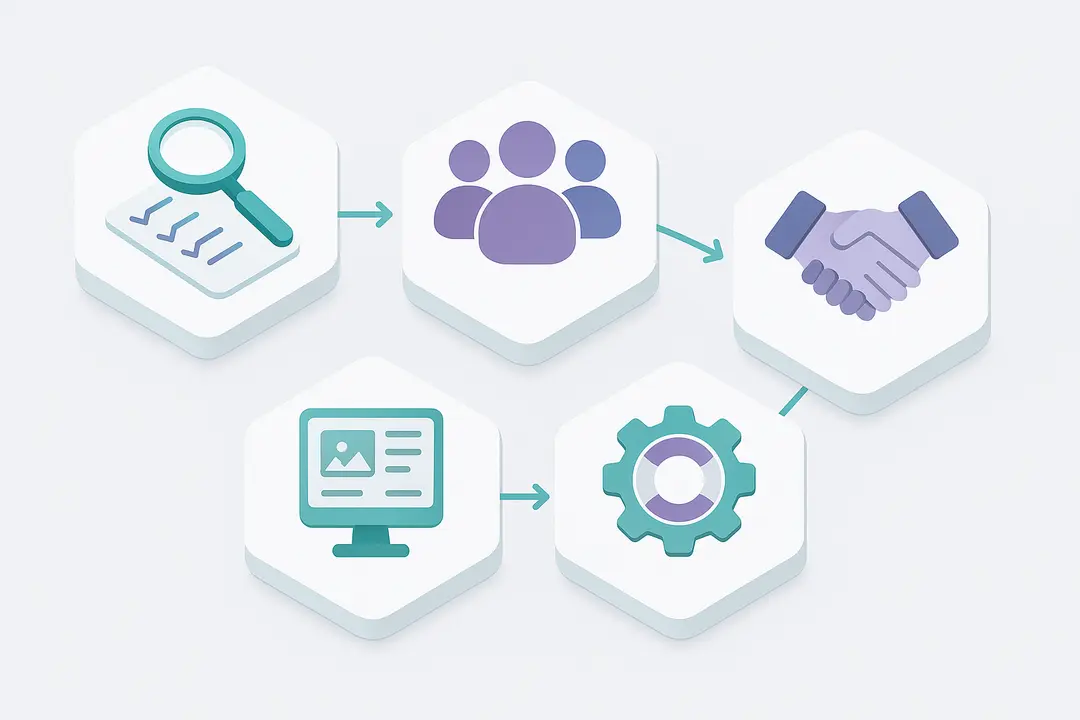
How it works:
- Discovery: You define project goals, must-haves, and business objectives.
- Vendor Selection: You research, shortlist, and vet agencies or freelancers.
- Contracting: Terms, deliverables, and timelines are agreed upon.
- Execution: The external partner delivers design iterations, gathers feedback, and completes development.
- Handover & Support: After launch, ongoing support or maintenance may continue.
Key parties involved:
- Web Designers & Developers: Craft site visuals, interactions, and technical build.
- UI/UX Specialists: Ensure usability and brand alignment.
- Project Managers: Coordinate tasks, communication, and deadlines.
2026 Trends:
The web design outsourcing market is increasingly global, driven by remote work, flexible outsourcing models, and advanced collaboration tools. Hybrid models combining local oversight with offshore execution are rapidly gaining traction for their blend of quality and efficiency.
Takeaway:
Web design outsourcing lets you tap specialized talent on demand, scale teams flexibly, and launch faster—all while retaining control over your brand and user experience.
Why Do Companies Outsource Web Design? Benefits & Use Cases
Outsourcing web design delivers significant business advantages, especially in competitive digital markets.
Top 5 Benefits of Outsourcing Web Design:
- Cost Efficiency: Reduce payroll, overheads, and expensive full-time hires.
- Access to Global Talent: Tap into world-class designers and developers, regardless of location.
- Speed to Market: Accelerate project timelines through scalable, specialized partner teams.
- Scalability: Ramp resources up or down as project needs change.
- Focus on Core Business: Free your internal teams for innovation or strategic initiatives.
Common Use Cases:
- Startups & SaaS: MVP launches, rapid product pivots, and design validation.
- E-commerce: Complete site relaunches, conversion-focused redesigns, or UX upgrades.
- Rebrands: Enterprises refreshing digital brand identity without burdening IT.
In-house vs. Outsourced Web Design:
- Pros (Outsourcing): Flexible capacity, domain expertise, lower hiring risk.
- Cons (Outsourcing): Potential communication challenges, dependency on external schedules.
- Pros (In-house): Company-aligned culture, easier face-to-face collaboration.
- Cons (In-house): Higher fixed costs, longer ramp-up, skill limitations.
Takeaway:
Outsourcing is ideal for businesses that want to accelerate growth, manage costs, and stay competitive without diluting internal focus.
What Are the Main Models for Outsourcing Web Design? (Onshore, Offshore, Nearshore, Freelance)
Choosing the right outsourcing model determines project success, budget, and collaboration dynamics.
Four primary web design outsourcing models:
| Model | Definition | Cost Range (2026)* | Communication | Timezone Alignment | Best Fit Scenarios |
|---|---|---|---|---|---|
| Onshore | Partnering with teams in your country | $$$ | Easiest | Full | Complex, high-touch projects |
| Nearshore | Teams in neighboring regions | $$ | Good | Partial/Frequent | Overlapping business hours, cultural affinity |
| Offshore | Teams in distant regions (Asia/Eastern Europe) | $ | Variable | Low | Cost-driven, repeatable production |
| Freelance | Individuals worldwide | $–$$ | Variable | Flexible | Specific tasks, rapid prototyping |
*Actual rates vary by region and project scope.
Emerging Models (2026):
- Hybrid/Remote: Combine onshore project leads with offshore talent for balance of quality and cost.
- Agile Pods: Assemble small, cross-functional remote teams for iterative delivery.
Quick Comparison:
- Onshore: Best for sensitive, regulatory-heavy, or strategy-driven projects.
- Offshore: Maximizes cost savings but may require extra management.
- Nearshore: Good compromise for regional collaboration.
- Freelancers: Ideal for small tasks or quick deliverables, but require hands-on management.
Takeaway:
Map your budget, collaboration needs, and required expertise to the most strategic model—no “one size fits all.”
What Should You Outsource? (Design, Development, UI/UX, Branding)
Businesses can choose to outsource specific parts or the entire web project, depending on their internal capabilities and goals.
Common Outsourcable Tasks:
| Role/Task | Outsource? | Best Kept In-House |
|---|---|---|
| UI/UX Design | ✅ | Vision/Voice Guidelines |
| Web Development | ✅ | Proprietary Integrations |
| Branding/Identity | ✅ | Final Brand Strategy |
| Content Creation | ✅ | Sensitive Messaging |
| Project Management | ✅/❌ | Internal Stakeholder Drives |
| QA/Testing | ✅ | Security/Compliance Oversight |
Should you outsource design, development, or both?
- Design only: If you have strong in-house developers but lack UI/UX expertise.
- Full-stack (design + development): When you need end-to-end project execution.
- Branding: Ideal for accessing fresh creative perspectives, but maintain strategic input.
Risks to Watch:
– Outsourcing too little may bottleneck delivery.
– Outsourcing too much can create brand misalignment or integration issues.
Takeaway:
Assess your internal gaps and project priorities. Outsource tasks where external expertise unlocks greater value and keeps your business on track.
Step-by-Step: How to Outsource Web Design Successfully
A clear, repeatable process saves time, reduces risk, and maximizes the value of web design outsourcing.
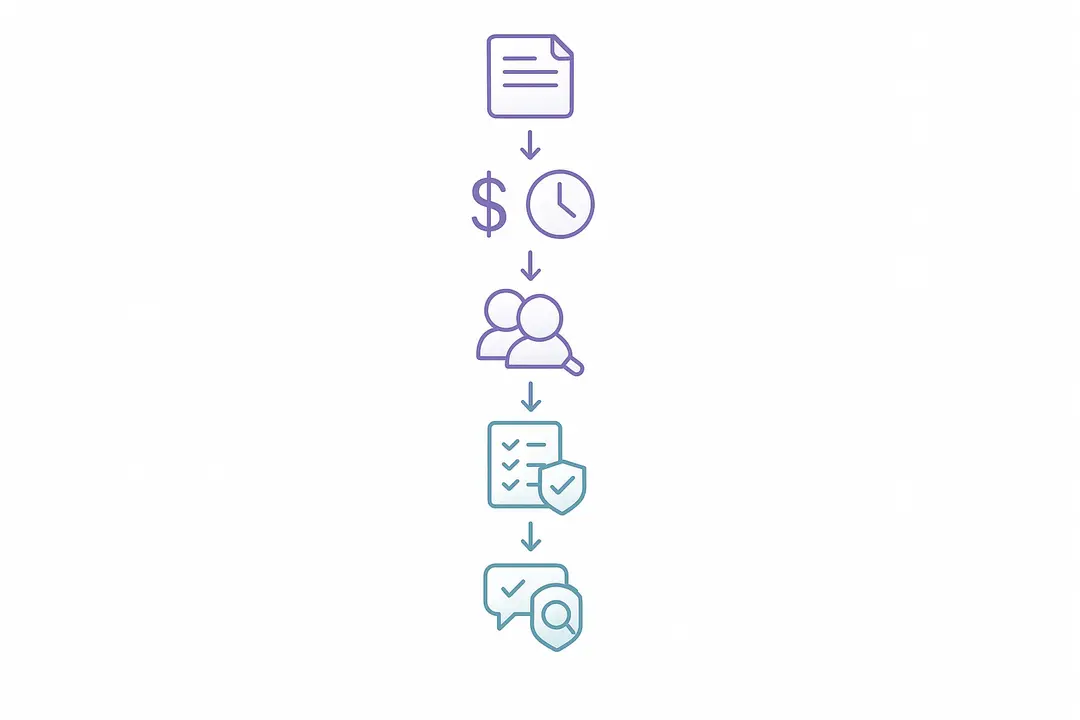
7 Steps to Outsource Web Design:
1. Define Your Requirements & Goals
Start by writing a clear project brief. List business objectives, user needs, and must-have deliverables—such as responsive wireframes, mobile-first prototypes, or CMS integration.
Sample elements to include:
- Your business goals (e.g., increase leads by 30%)
- Desired site features (e.g., e-commerce, blog, landing pages)
- Brand guidelines and preferences
- Example websites you like and why
A downloadable brief template can be found in the resources section.
2. Set Your Budget and Timeline
Estimate what you can invest—balancing ambition with resources. Research typical hourly or project rates for your target markets (see “Cost” section below).
Tips:
- Factor in room for revisions and contingency (10–20% of the budget).
- Set deadlines for key phases: discovery, design, development, launch.
3. Find and Vet Vendors
Identify agencies or freelancers through platforms like Upwork, Toptal, Dribbble, and Clutch, or by direct referral.
Vendor vetting checklist:
- Review portfolios for relevant work and style fit.
- Check independent client reviews.
- Request references and past project snapshots.
- Verify technical skills and certifications.
4. Request Proposals & Compare Offers
Draft and send a Request for Proposal (RFP) to your shortlist.
RFP essentials:
- Project overview and goals
- Required deliverables and timeline
- Budget range (optional)
- Evaluation criteria (e.g., expertise, creative approach, process)
- Communication and reporting expectations
Review proposals for clarity, detail, and alignment with your vision.
5. Negotiate & Finalize Contracts (Including NDA & IP)
Negotiate fees, deadlines, and intellectual property (IP) ownership. Always secure a signed contract, which should include:
- Statement of work (scope, deliverables)
- Key milestones and payment terms
- Confidentiality via NDA
- IP rights assignment
Legal templates are available for download. For complex projects, seek legal review.
6. Manage Project Workflows & Communication
Use collaboration tools like Slack (communication), Asana or Jira (task tracking), and Figma (design systems).
Set up:
- Regular check-ins (weekly/biweekly)
- Feedback sprints or milestones
- Centralized documentation for assets and design systems
7. Review, Test, and Approve Deliverables
Before launch, conduct multi-level quality checks:
- UI/UX consistency
- Mobile and cross-browser performance
- Brand and content alignment
- Bug and issue tracking via Jira, Trello, or similar
Iterate until all acceptance criteria are met and then approve final delivery.
Takeaway:
Following these 7 steps lays the groundwork for a successful, low-risk web design outsourcing experience.
How Much Does It Cost to Outsource Web Design?
Understanding costs upfront is crucial—rates vary by region, model, and project size.
2026 Web Design Outsourcing Cost Table:
| Region/Model | Agency Hourly Rate* | Freelancer Hourly Rate* | Typical Project Range* |
|---|---|---|---|
| US/Canada | $100–$250+ | $50–$150 | $10,000–$75,000+ |
| Western Europe | $80–$180 | $40–$120 | $8,000–$60,000 |
| Eastern Europe | $40–$100 | $30–$80 | $5,000–$30,000 |
| Asia | $25–$75 | $15–$65 | $2,500–$20,000 |
| Hybrid/Remote | $50–$150 | $30–$100 | Highly flexible |
*According to 2026 salary and project data benchmarks; actual costs vary by complexity and deliverables.
Other Pricing Models:
- Fixed Price: Clear deliverables and deadlines—ideal for well-scoped projects.
- Hourly: Flexible, suits ongoing or iterative work.
- Retainer: For long-term, continuous support.
Plan for:
- Additional costs for content, branding, or post-launch support.
- Maintenance/updates: 10–20% of initial build per year is typical.
Takeaway:
Budget transparently—choose the pricing model and vendor region that balances quality with your financial goals.
What Are the Biggest Risks and Pitfalls? (And How to Avoid Them)
Web design outsourcing offers great potential, but awareness of common pitfalls is key to getting results.
Top Pitfalls:
- Miscommunication: Vague briefs and feedback cycles cause rework.
- Timeline Slips: Missed deadlines from unclear scheduling or dependencies.
- Lack of Documentation: Missing design system records or project files.
- IP & Security Issues: Contracts missing NDAs or IP assignments can risk asset loss.
- Quality Variance: Inconsistent or poorly tested deliverables.
- Red Flag Vendors: Overpromising, evasive on process, or lacking past work examples.
Risk Mitigation Strategies:
- Regular check-ins and milestone reviews.
- Detailed contracts with milestones and deliverables.
- Clear escalation and change management paths.
- Strong vendor vetting and reference checks.
Red Flags:
- Unclear or generic proposals.
- Hesitation to sign NDAs or assign IP.
- Non-transparent pricing, or asking for large upfront payments.
- Poor communication or missing documentation.
Takeaway:
Be proactive—clear contracts, structured feedback, and careful vendor selection are your best defenses against common outsourcing failures.
What Legal, IP, and Data Security Steps Should You Take?
Proper legal frameworks and data security measures protect your assets and brand reputation.
Key Legal & IP Steps:
- Non-Disclosure Agreement (NDA): Protects confidential business and user information.
- IP Rights Assignment: Ensures you legally own all code, designs, and content produced.
- Master Services Agreement (MSA): Covers project scope, payment terms, dispute resolution.
- Data Privacy & Security: Vendors should comply with applicable laws (e.g., GDPR) for any customer data handled.
When to Seek Legal Counsel:
- Large projects or those involving sensitive data.
- International vendor contracts.
- Custom technology or product IP.
Sample NDA and IP assignment templates are available for download to help you get started.
Takeaway:
Never launch a project without a solid contract, NDA, and clarity on who owns final deliverables.
Which Tools and Platforms Best Support Web Design Outsourcing?
Choosing the right digital toolkit makes remote collaboration seamless and efficient.
Top Platforms to Find Vendors:
- Upwork: Broad freelancer marketplace.
- Toptal: Curated, top-tier freelancers and teams.
- Dribbble, Behance: For design portfolio exploration.
- Clutch: Agency directory with verified reviews.
Essential Tools for Project Success:
| Tool Type | Example Platforms | Use Case |
|---|---|---|
| Project Management | Asana, Jira, Trello | Track sprints, tasks, deadlines |
| Communication | Slack, Microsoft Teams | Central chat and video |
| Design Collaboration | Figma, Adobe XD, Sketch | Wireframes, prototypes, design handoff |
| Documentation | Notion, Confluence | Centralized design system and notes |
Tips:
- Establish tool access upfront with vendors.
- Schedule regular check-ins and feedback reviews.
- Use shared cloud storage for assets.
Takeaway:
Adopt tools that fit your workflow and facilitate transparent, real-time collaboration with remote teams.
What Happens After Launch? Maintenance, Updates, and Scaling
Successful web design outsourcing goes beyond launch day—ongoing support is crucial.
Post-launch essentials:
- Support Contracts: Define SLAs for bug fixes, content updates, or technical support.
- Maintenance: Schedule regular backups, security scans, and performance optimizations.
- Updates & Iteration: Plan periodic design or feature updates as your business evolves.
- Scaling: When web traffic or business needs grow, consider ongoing outsourcing or upscaling to a dedicated vendor team.
Checklist for Ongoing Success:
- Assign internal point of contact for vendor management.
- Monitor KPIs (site speed, uptime, user engagement).
- Budget for updates and scaling.
Takeaway:
Don’t treat web design as “set and forget”—structured post-launch support ensures your investment delivers ongoing value.
Case Studies & Common Mistakes: Real Outcomes from Web Design Outsourcing
Case Study 1: Startup MVP Launch (Western Europe, 2024)
A SaaS startup outsourced full-stack design and development to a nearshore agency. By clearly defining scope, setting frequent feedback cycles, and using a hybrid collaboration model, the team launched ahead of schedule and under budget.
Success Factor: Strong communication and milestone-linked payments.
Case Study 2: E-commerce Rebrand Gone Wrong (North America, 2023)
A retailer chose the lowest-price offshore vendor without thorough vetting or a detailed contract. The project lagged, suffered from missed requirements, and ultimately needed to be redone in-house.
Lesson Learned: Don’t shortcut the vetting and contracting process.
Industry Data:
According to the Deloitte Global Outsourcing Survey 2024/25, over 70% of companies using outsourcing for digital work report cost savings, while timeline overruns most often result from vague requirements and time zone misalignments.
Takeaway:
Successful web design outsourcing means prioritizing due diligence, frequent communication, and aligning expectations from day one.
Frequently Asked Questions (Web Design Outsourcing)
What are the steps to outsource web design?
The main steps are: define your goals, set a budget and timeline, research and vet vendors, request and compare proposals, sign a legal contract (including NDA/IP), manage project workflows, and review/test all deliverables before launch.
How much does it cost to outsource web design?
Typical projects can range from $5,000 to $75,000+, depending on vendor region, project size, and required features. Hourly rates for agencies or freelancers in 2026 vary from $25–$250 per hour globally.
What is the difference between onshore, offshore, and nearshore web design outsourcing?
Onshore vendors are located in your country, offering easy communication but higher costs. Nearshore providers are from neighboring regions with cultural and timezone overlaps at moderate prices. Offshore partners are from distant regions, offering the lowest rates but with potential time and communication challenges.
How do I find a reliable agency or freelancer for web design?
Use reputable platforms like Upwork, Toptal, and Clutch, review portfolios, check client references, and ask detailed questions during discovery calls to ensure quality and fit.
What should I include in my outsourcing contract?
Your contract should specify project scope, deliverables, timelines, payment terms, confidentiality (NDA), and intellectual property (IP) ownership. Always ensure both parties sign before starting.
Can I outsource only part of my web project (e.g., just the design)?
Yes, you can outsource specific components such as UI/UX design, development, or branding based on your internal capabilities and needs.
What risks should I watch out for when outsourcing web design?
Common risks include poor communication, missed deadlines, unclear requirements, lack of documentation, and insecure IP agreements. Careful vetting and strong contracts help prevent most issues.
How do I ensure quality when working with a remote team?
Set clear requirements, use milestone reviews, adopt collaborative design tools, and maintain regular communication to keep quality on track.
Is communication harder when outsourcing web design overseas?
It can be, due to time zones and language barriers. Mitigate by choosing vendors with proven remote work experience and by setting structured meeting schedules.
What tools help manage outsourced web design projects?
Platforms like Slack, Asana, Jira, and Figma facilitate team communication, project management, and design collaboration with remote experts.
Conclusion
Outsourcing web design can unlock breakthrough growth, innovation, and cost advantage—when done with a clear process, the right partners, and strong safeguards.
By following this step-by-step playbook, leveraging expert-vetted tools and templates, and staying proactive in communication and legal groundwork, you can confidently manage your next web project from idea to launch and beyond.
This page was last edited on 9 July 2026, at 11:09 am

Start a conversation with our team to solve complex challenges and move forward with confidence.