

The average app development cost in the UK ranges from £20,000 for a simple MVP to £250,000 or more for complex, feature-rich solutions. Project costs vary based on complexity, platform choice, development team, and UK-specific compliance needs.
If you’re budgeting for a new mobile app or digital product, understanding the UK market is essential. This guide delivers clear cost breakdowns, up-to-date 2026 agency rates, factors that drive price, domain-specific examples, and practical budgeting tools. Whether you’re a startup, SME, or enterprise, consider this your go-to 2026 blueprint for making informed, cost-effective app development decisions in the UK.
What’s the Average App Development Cost in the UK?
![What’s the Average App Development Cost in the UK? [2024 Data Table]](https://riseuplabs.com/wp-content/uploads/2026/02/whats-the-average-app-development-cost-in-the-uk-2024-data-table.webp)
The average cost to build a mobile app in the UK in 2026 ranges from £20,000 for a basic MVP to £250,000+ for enterprise-grade solutions. Prices depend on complexity, platform, and location, with London agencies typically at the higher end.
Below is a quick-reference table summarising UK app development costs by app type and stage:
| App Complexity / Stage | Typical Cost Range | Example Use Case | Estimated Timeline |
| Proof of Concept (PoC) | £5,000–£15,000 | Demo, prototype, investor pitch | 2–4 weeks |
| Basic/MVP App | £20,000–£60,000 | Single platform, core features | 8–16 weeks |
| Standard/SME App | £60,000–£120,000 | Multi-platform, integrations | 3–6 months |
| Complex/Enterprise App | £120,000–£250,000+ | Scalable, advanced or regulated | 6+ months |
Note:
– All prices exclude VAT (typically 20% in the UK).
– London-based agencies often charge 15–25% more than regional UK studios.
– The ranges above reflect 2026 benchmarks from leading UK agencies (sources: Appinventiv, Pocketworks, Pulsion, market averages).
Quick example:
– A fintech MVP for iOS, built by a Manchester agency, might cost £38,000–£55,000.
– An enterprise healthcare app requiring NHS Digital compliance and ongoing support could reach £200,000+.
Looking for a tailored estimate? Use our calculator or download the budget template for a detailed appraisal.
What Factors Influence App Development Cost in the UK?
App development cost in the UK can vary dramatically depending on multiple key factors. Knowing them helps you prioritise spend and spot opportunities to save without risking project outcomes or compliance.
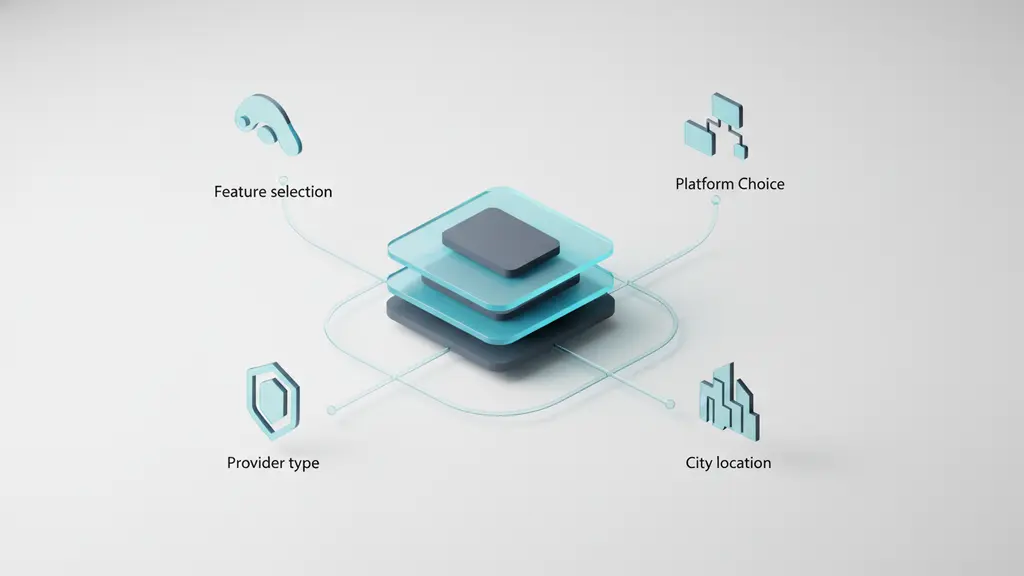
App Complexity & Features
Simpler apps with basic functionality (e.g., info display, simple login, or forms) cost less than feature-rich platforms. Integrations with third-party services, custom dashboards, real-time updates, or proprietary admin panels raise costs.
Factors that increase complexity and cost include:
- Advanced custom features (e.g., live chat, AR/VR, payments)
- Integration with external APIs (banking, e-commerce, etc.)
- Sophisticated backend or admin systems
- Unique UI/UX designs
- Scalability (ability to handle thousands of users simultaneously)
Expert insight:
“Even a small change in feature set can impact the project cost and timeline substantially—always prioritise truly essential features for your initial release.”
— Mark Ashman, Director, Pocketworks Leeds
Platform Choice: iOS, Android, Hybrid, or Both?
Platform choice directly impacts app development cost in the UK.
- iOS-only apps: Slightly faster to build, often 5–15% cheaper than Android-only.
- Android-only apps: Wider device testing increases workload and sometimes price.
- Both (native): Expect around 1.7–1.9x the cost of a single platform build.
- Hybrid/cross-platform: (React Native, Flutter) saves ~20–35% on dual-platform builds but can be less suited to complex or highly custom apps.
Quick comparison:
- iOS app development cost UK: £20,000–£120,000+
- Android app cost UK: £22,000–£120,000+
- Dual native: £38,000–£225,000+
- Hybrid: £30,000–£180,000
Development Team Type & Location
Your choice of developer or agency strongly influences total cost.
- UK Agency: £350–£800+/day or £70–£150/hour (London often at the top end)
- UK Freelancer: £250–£500+/day or £45–£90/hour
- In-house build: Includes hidden costs (recruitment, overheads, ongoing payroll)
- Offshore/nearshore: 40–70% cheaper, but risks include time zone, language, compliance, and support challenges
City breakdown example (for an MVP):
- London agency: £50,000–£80,000
- Manchester or Birmingham agency: £38,000–£60,000
Compliance & Security Costs
Compliance is not optional in UK app development—especially for finance, health, or data-rich applications.
- GDPR/data protection: All UK companies must comply. Expect costs for legal review and secure systems.
- ICO registration: Fees may apply if handling personal data.
- Sector-specific: FCA (finance), NHS Digital (health), PCI DSS (payments)—compliance checks can add £2,000–£15,000+ depending on requirements.
- Security audits and penetration testing: Industry best practice; typically £1,500–£10,000/project.
Neglecting compliance can lead to significant fines or project delays.
Industry & Vertical-Specific Requirements
Industry standards and user expectations drive major cost variation.
- Fintech: Needs robust security, FCA compliance, audit trails; costs are higher due to regulatory demands.
- Health/NHS: Rigorous data privacy checks, integrations, and specific certifications.
- Retail/e-commerce: Payment gateway integrations, analytics, loyalty systems.
These sector-specific needs make transparent scoping and upfront budgeting essential.
App Development Process & Cost Breakdown by Stage
Understanding the UK app development process—and the cost attached to each phase—prevents budget surprises and helps you plan for both the expected and “hidden” expenses.
Proof of Concept (PoC) Costs
- Cost: £5,000–£15,000
- Deliverables: Clickable prototypes, basic backend, initial user tests
- Best for: Startups seeking investor validation or technical feasibility before further spend
- Timeline: 2–4 weeks
MVP (Minimum Viable Product) Development Cost
- Cost Range: £20,000–£60,000
- Inclusions: User accounts, main workflows, basic analytics, simple design
- Why build MVP first? Lower upfront outlay, reduced risk, faster learning from real users
MVP vs full app:
A full-scale app often triples the complexity and cost compared to a streamlined MVP, so MVP-first is often budget-smart.
Full-Scale & Enterprise App Costs
- Cost: £75,000–£250,000+
- Features: Multi-user roles, third-party integrations, bespoke dashboards, custom reporting, scalability for thousands of users
- Enterprise factors: Security audits, ongoing compliance, dedicated support, multi-region deployment
Industry note: Leading UK agencies caution that 25–35% of initial project budgets often go towards non-visible infrastructure (security, scaling, backend reliability).
Ongoing Maintenance & Hidden Costs
- Annual maintenance: £5,000–£25,000+, depending on update frequency and support needs
- Licensing/app store fees: Standard annual costs (Apple £79/year, Google £25 one-off)
- Hosting/cloud capacity: From £300/year for small apps, rising to thousands for heavy-use platforms
- Security updates: Should be budgeted annually, especially for regulated industries
- Unexpected upgrades, bug fixes, compliance updates: Always plan a contingency (typically 15–25% of build cost per year)
Example Cost Scenarios (Case Calculations)
| Business Type | Example Features | Expected Cost |
| Startup (PoC + MVP) | iOS MVP, login, payments, notifications | £20,000–£55,000 |
| Growth SME | iOS/Android, API integrations | £60,000–£110,000 |
| Large Enterprise | Full feature set, security/compliance | £150,000–£300,000 |
Assumptions: All costs based on 2026 UK rates, agency-led builds, with typical scope by business type.
How Can You Reduce App Development Costs in the UK?
![How Can You Reduce App Development Costs in the UK? [Cost Optimization Tips]](https://riseuplabs.com/wp-content/uploads/2026/02/how-can-you-reduce-app-development-costs-in-the-uk-cost-optimization-tips.webp)
Controlling app development costs in the UK is possible—without sacrificing quality or compliance—if you take a strategic approach and use expert best practices throughout.
Top cost-optimisation strategies:
- Build an MVP first: Focus on launching with essential features, then iterate based on user feedback.
- Prioritise features: Use roadmapping to decide what’s critical for launch vs. future updates.
- Consider open-source frameworks: Where possible, leverage existing libraries to cut development time.
- Choose the right provider: Freelancers and offshore teams can offer savings, but beware of hidden costs, miscommunication, and compliance issues.
- Tap into UK support: Investigate Innovate UK grants, local government incentives, and R&D tax credits, which can offset up to 33% of eligible software development spend.
- Prevent scope creep: Use detailed specifications and fixed-price contracts where possible.
- Vet for transparency: Select agencies that itemise proposals and clearly state inclusions/exclusions.
UK App Development Costs vs. Offshore and Global Markets
Many UK companies compare domestic app development prices to international options. While offshore development can yield upfront savings, there are factors to weigh beyond the quoted price.
| Region | Average Cost (MVP) | Typical Cost (Enterprise) | Key Risks and Considerations |
| UK | £20,000–£60,000 | £120,000–£250,000+ | Highest compliance, local support, speed |
| India | £10,000–£30,000 | £60,000–£120,000+ | Time zone, communication, IP, compliance |
| Eastern Europe | £15,000–£40,000 | £65,000–£140,000+ | Moderately close timezone, IP, compliance |
| Western Europe | £25,000–£60,000 | £130,000–£250,000+ | Language, legal alignment |
| USA | £30,000–£80,000 | £160,000–£350,000+ | Higher cost, best for multi-market products |
Important:
– Offshore rates may seem attractive but can increase due to delays, lower code quality, or compliance headaches.
– UK/EU data protection laws must still apply for UK users, so offshore projects often need extra legal safeguards and audits.
– Fluctuations in currency and Brexit-driven regulatory change have made global supplier management more complex.
Expert view:
“If you’re handling sensitive data or require quick, UK-based support, working with a domestic partner provides better value and lower long-term risk.”
— Emma R., Project Lead, Manchester Digital
How to Choose the Right App Development Partner in the UK
Selecting the right UK app development agency or partner is a vital step in maximising value and minimising risk for your project.
Compare these key criteria:
- Agency vs freelancer vs in-house: Agencies offer full-spectrum support and predictable quality. Freelancers provide flexibility and savings for small projects. In-house teams suit long-term, mission-critical products.
- Credentials matter: Check for experience with GDPR, FCA, NHS, or specific compliance relevant to your sector.
Ask these questions:
- Can you provide recent project references in my industry?
- Are your costs fully itemised with no hidden fees?
- What is your process for managing updates and ongoing maintenance?
- How do you handle data protection and security audits?
Contracts & transparency: Seek clear agreements that cover intellectual property, timescales, support, and change management.
Post-launch support: The best partners offer proactive support, regular updates, and a clear path to evolve your app after go-live.
Conclusion
In conclusion, app development in the UK depends on factors like complexity, platform choice, and compliance needs. To optimize your budget, focus on building an MVP, prioritize essential features, and explore cost-saving strategies like open-source tools or available grants. Be mindful of ongoing maintenance and hidden fees, and choose a transparent, experienced development partner. With careful planning, you can successfully navigate the app development process and achieve your goals.
Key Takeaways
- UK app development costs (2026): £20,000–£250,000+ based on complexity and provider.
- MVP-first approach cuts risk and saves money.
- Costs are impacted by platform type, compliance, and industry.
- Ongoing maintenance and hidden fees must be budgeted for.
- Use checklists, cost calculators, and budget templates to plan and compare providers.
Frequently Asked Questions
What is the average app development cost in the UK?
In 2026, typical prices range from £20,000 for a simple MVP to over £250,000 for enterprise solutions, varying by scope and provider.
How much does it cost to build an MVP app in the UK?
A minimum viable product (MVP) app usually costs between £20,000 and £60,000 with a UK agency.
What factors most impact the cost of developing an app in the UK?
App complexity, features, compliance requirements, provider type, and platform (iOS/Android) are the main cost drivers.
How are app development costs broken down by stage or complexity?
Costs are split between proof of concept (£5k–£15k), MVP (£20k–£60k), full solution (£60k–£250k+), and annual maintenance (£5k–£25k+).
Is it cheaper to develop an app with a UK agency or offshore?
Offshore can be cheaper upfront by 40–60%, but extra compliance, support, and quality risks may increase total expense for UK projects.
How much does ongoing app maintenance cost after launch in the UK?
Annual maintenance fees typically fall between £5,000 and £25,000, depending on app complexity and support needs.
What are the hidden costs in UK app development projects?
Look out for ongoing licensing, compliance updates, hosting, third-party services, and unplanned feature enhancements.
How can I reduce my app development costs in the UK?
Prioritise features, focus on MVP, use open-source tools, and explore available R&D tax credits and grants.
How do iOS and Android app development costs differ in the UK?
iOS development is generally 5–15% less expensive than Android in the UK, but joint builds increase costs significantly.
Do UK compliance requirements affect app development cost?
Absolutely. GDPR, FCA, and NHS rules require extra time, audits, and sometimes specialist legal advice, which increases overall costs.
This page was last edited on 9 July 2026, at 11:09 am

Start a conversation with our team to solve complex challenges and move forward with confidence.