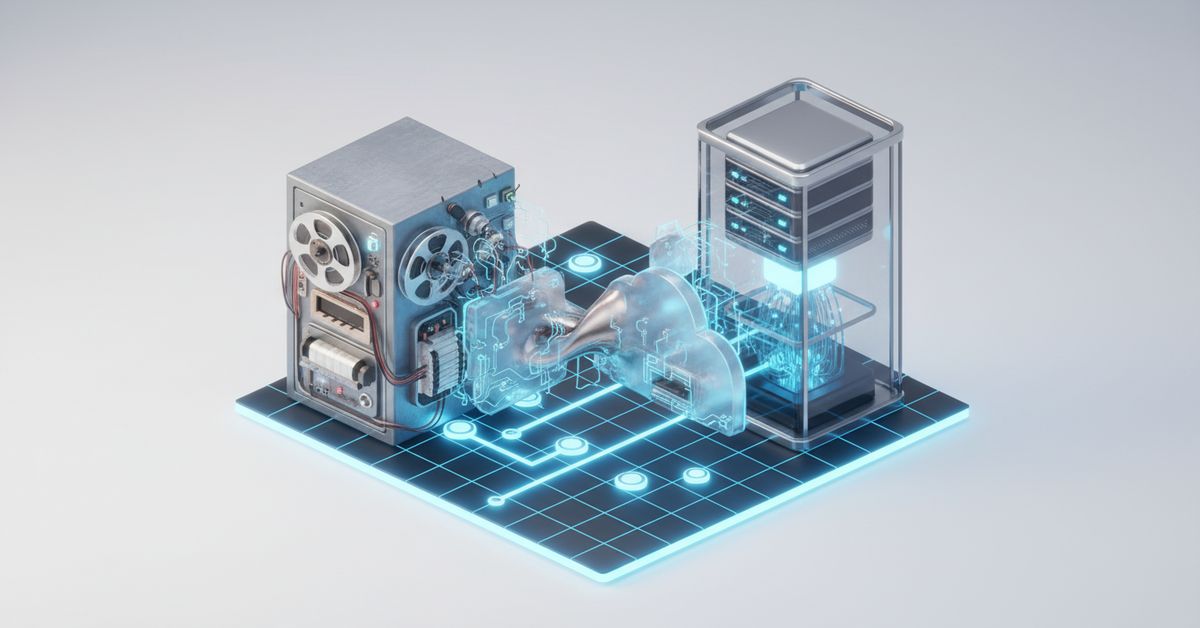
Legacy system modernization trends refer to the key innovations, strategies, and frameworks organizations will use in 2026 to update and future-proof outdated IT systems. As digital transformation accelerates globally, aging infrastructure poses growing risks—from technical debt and cyber threats to loss of agility and talent.
This article gives tech executives and IT strategists actionable insight: the latest legacy modernization trends for 2026, comparisons of leading strategies, stepwise roadmaps, and industry benchmarks. By reading, you’ll gain clarity and confidence to drive modernization with the right frameworks, maximize ROI, and avoid costly missteps.
Why Modernize Legacy Systems in 2026? (Drivers, Risks & Rewards)
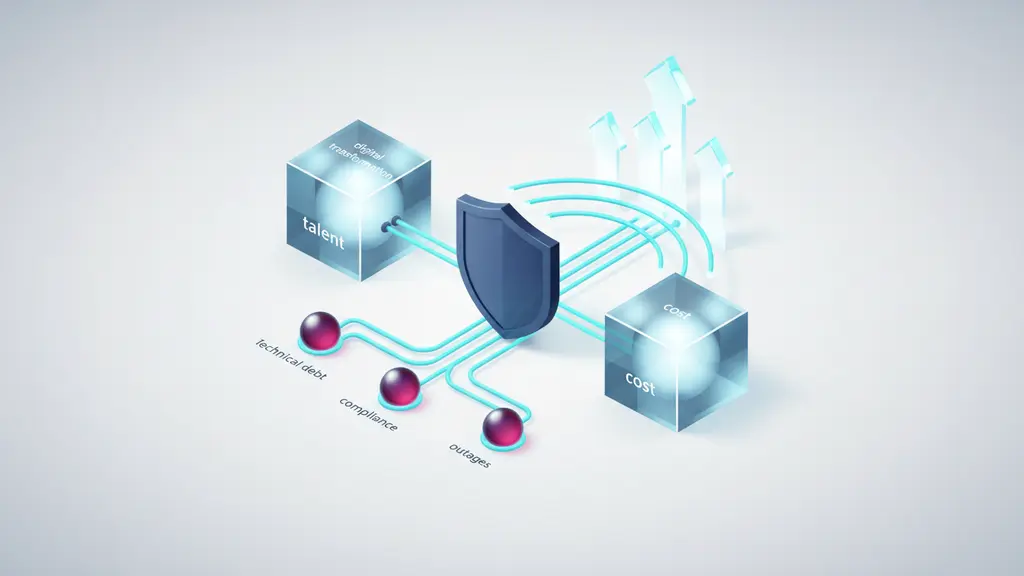
Modernizing legacy systems in 2026 is driven by digital transformation, security demands, and measurable financial value. Organizations that delay modernization face higher technical debt, increased cyber risk, and difficulty attracting top IT talent.
- Digital Transformation Mandates: Staying competitive requires agile, integrated digital platforms.
- Security and Compliance: Regulatory pressure and growing cyberthreats make modernization urgent, especially in regulated sectors.
- Operational Cost Optimization: Legacy maintenance consumes 60–80% of IT budgets, reducing funds for innovation.
- Talent Attraction and Retention: Outdated stacks are unpopular with skilled engineers.
- Market FOMO: Industry leaders modernize to unlock new revenue streams and maximize valuation.
Risks of Legacy Inertia:
- Rising technical debt
- Compliance violations
- Higher likelihood of costly outages or breaches
- Eroding investor confidence and lower business valuations
Rewards of Modernization:
- Greater business agility
- Reduced total cost of ownership (TCO)
- Better customer experiences and product innovation
| Risk | Reward |
|---|---|
| Technical debt accumulation | Lower long-term IT costs |
| Security vulnerabilities | Enhanced cybersecurity posture |
| Regulatory penalties | Improved compliance readiness |
| Loss of competitive agility | Faster time-to-market, innovation |
What Are the Top Legacy System Modernization Trends for 2026?
Legacy system modernization trends in 2026 center on cloud readiness, composable architectures, zero trust security, AI-driven automation, and data-centric operations. Below is a definitive forecast for IT and transformation leaders:
- Cloud-Readiness as Table Stakes:
Hybrid and multi-cloud strategies are the baseline, with organizations leveraging best-of-breed cloud services for scalability, compliance, and cost control. - Composable & Domain-Oriented Architectures:
Modular, API-driven applications support rapid innovation and business agility. Domain-driven design (DDD) supports independent team autonomy. - Zero Trust Security:
Security-by-design is central; identity and access management (IAM) and microsegmentation replace outdated perimeter defenses to mitigate evolving threats. - AI & Automation Integration:
AI powers code analysis, migration acceleration, intelligent dashboards, and process automation—reducing manual workload and error rates. - Platform Engineering & Productivity:
Teams adopt DevOps, infrastructure-as-code, and internal developer platforms for streamlined delivery and reduced operations overhead. - Real-Time Data & Analytics:
Data mesh, event-driven applications, and streaming analytics deliver instant business insight and a competitive edge. - Technical Debt Impacts on Investor Perception:
Increasingly, technical debt is a factor in company valuation and investment decisions—prompting proactive modernization to enhance stakeholder confidence.
Trend Summary Table
| Modernization Trend | Business Impact | Sector Relevance |
|---|---|---|
| Cloud Adoption (Hybrid/Multi) | Agility, scalability, cost optimization | All sectors |
| Composable Architecture | Fast innovation, modularity | Retail, Finance, Healthcare |
| Zero Trust Security | Risk reduction, regulatory compliance | Banking, Healthcare |
| AI & Automation | Efficiency gains, lower error rates | All, esp. digital natives |
| Platform Engineering | Dev productivity, faster release cycles | Tech, Manufacturing |
| Real-Time Analytics | Decision speed, customer experience | Retail, Banking, Logistics |
| Debt Reduction & Valuation | Higher investor confidence, M&A readiness | All, esp. public companies |
How Are Organizations Modernizing? Comparing Modernization Strategies & Frameworks for 2026
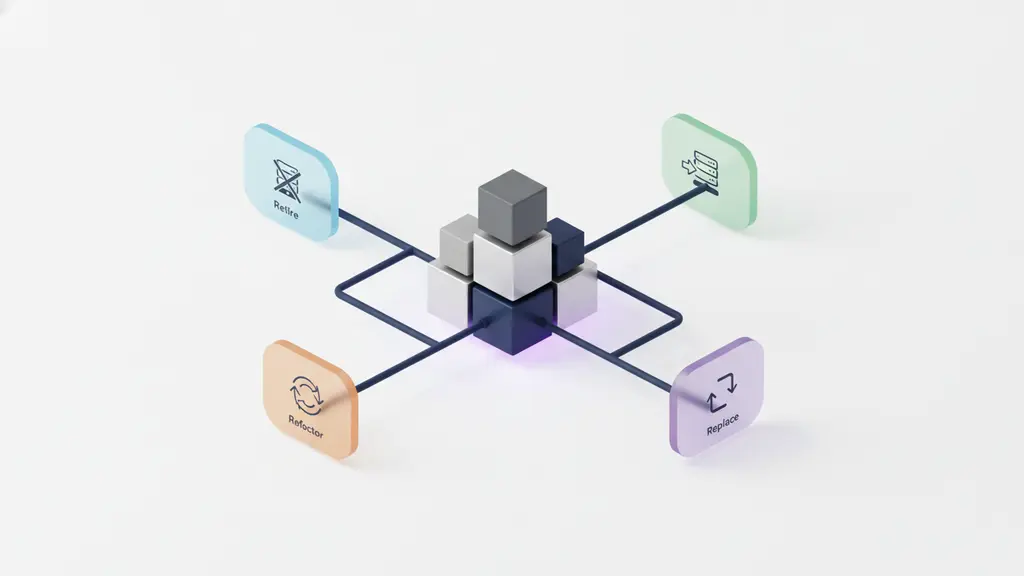
There are multiple modernization frameworks—each with distinct benefits, risks, and complexity. A practical approach starts with understanding and comparing key options:
Major Approaches (AWS 7Rs Model):
- Retire: Remove obsolete components.
- Retain: Keep suitable legacy systems as-is.
- Rehost (“Lift and Shift”): Move to the cloud with minor/no changes.
- Replatform: Move and adjust the underlying platform for cloud compatibility.
- Refactor: Change app architecture for scalability or resilience.
- Rearchitect: Redesign for cloud-native, scalability, or new features.
- Replace: Swap out legacy for new software or SaaS solutions.
Comparison Table of Approaches
| Approach | Complexity | Speed | Cost | Ideal Use Cases | Sample Risk |
|---|---|---|---|---|---|
| Rehost | Low | Fast | $ | Minimal downtime, urgent migration | Missed optimization |
| Replatform | Medium | Med | $$ | Quick gains, minor updates needed | Limited long-term value |
| Refactor | High | Slow | $$$ | Modularize, improve code without rewrite | Higher up-front investment |
| Rearchitect | Very High | Slow | $$$$ | New features, cloud-native transformation | Greater project risk |
| Replace | High | Med | $$$ | Legacy can’t meet business needs | Business disruption |
Best Practice:
Incremental modernization—using the strangler pattern or composable roadmaps—reduces risk by migrating workloads one domain or capability at a time.
What’s the Role of Cloud Migration in Legacy System Modernization?
Cloud migration is now the modernization “North Star”—central to unlocking agility, scalability, and long-term IT resilience.
Core Cloud Strategies:
- Hybrid Cloud: Mix of on-premises and cloud services to balance security and flexibility.
- Multi-Cloud: Deploy workloads across multiple public clouds for resilience and choice.
- Cloud-Native: Fully leverage cloud services, microservices, and containerization.
Phased Migration Roadmap:
- Assessment: Inventory workloads, classify by criticality.
- Cloud Readiness: Identify technical debt, dependencies, and refactor needs.
- Migration Planning: Choose rehost, replatform, or refactor for each asset.
- Execution: Start with low-risk systems, scaling to core applications.
- Optimization: Enhance with automation, scaling, and security controls.
Common Pitfalls:
- Underestimating integration challenges with remaining on-prem or legacy systems.
- Skipping cloud-readiness assessments, leading to failed migrations.
- Ignoring ongoing skills development for cloud operations.
2026 Prediction:
Cloud-native modernization will be the default expectation, with hybrid/multi-cloud as standard operating models across sectors.
How Are AI and Automation Transforming Legacy Modernization?
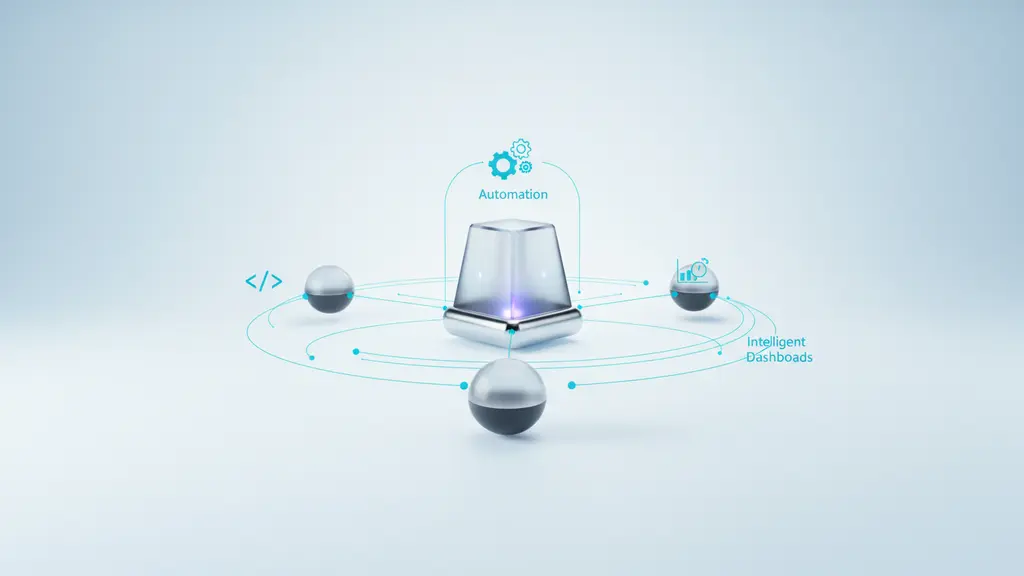
AI and automation are revolutionizing legacy system modernization by accelerating code migration, improving analytics, and reducing manual errors.
Key AI Use Cases:
- Code Analysis & Remediation: AI scans legacy code to identify dependencies, bugs, and modernization candidates.
- Automated Migration: Tools leverage machine learning to translate or refactor code for cloud compatibility.
- Generative AI: Supports rewriting legacy code, generating documentation, and automating quality assurance.
- Intelligent Dashboards: AI-driven analytics supply real-time project metrics and predict bottlenecks.
Practical Outcomes:
- Faster modernization timelines
- Higher accuracy and consistency in code migration
- Frees up engineering capacity for innovation
Organizations adopting intelligent automation report more successful transformations and faster time-to-value.
Why Is Zero Trust Security Now Central in Modernization Projects?
Zero trust security is an approach where no user or device is automatically trusted—access is continually validated. In 2026, zero trust is a foundational trend as it drastically reduces the risk of breaches and supports regulatory compliance.
Zero Trust Principles:
- Never Trust, Always Verify: Authenticate and authorize every request.
- Least Privilege Access: Grant only the permissions necessary—no more, no less.
- Microsegmentation: Network resources are partitioned to limit lateral movement.
- Continuous Monitoring: Constant validation of user and device behaviors.
Business Case:
- Modern threats target both internal and external assets.
- Regulatory pressure (GDPR, HIPAA, PCI-DSS, etc.) elevates security requirements.
- Early security integration aligns modernization outcomes with business risk tolerance.
Who Needs Zero Trust First?
- Financial services (banking), healthcare (patient data), government, and critical infrastructure.
How Do You Build a Legacy System Modernization Roadmap for 2026?
A modernization roadmap is a structured plan that guides organizations from assessment to successful transformation. Key steps to a high-impact roadmap include:
- Assessment: Inventory systems, evaluate risk and technical debt, set business objectives.
- Prioritization: Rank applications by criticality and modernization readiness.
- Approach Selection: Choose between rehost, refactor, rearchitect, replace, etc., per system.
- Phased/Incremental Design: Sequence projects for manageable risk; use patterns like “strangler fig” for gradual migration.
- Implementation: Execute sprints or workstreams with clear KPIs and delivery milestones.
- Post-Modernization Assessment: Track outcomes at 6, 12, and 24 months to capture ROI and inform future investments.
Recommended Tools & Templates:
- Modernization assessment checklists
- Project tracking dashboards integrating cost, risk, and progress metrics
- Repeatable roadmap templates with stepwise phases
Visual Example (2026-style Roadmap):
Assessment → Prioritization → Strategy Selection → Incremental Migration → Go-Live → Continuous Monitoring
What Are the Key Costs, Risks, and Success Metrics of Modernization?
Understanding the costs, risks, and success measurement practices of legacy modernization is critical for ROI and stakeholder alignment.
Major Cost Factors:
- Direct: Licensing, cloud resources, external consultants, and software development.
- Indirect: Downtime, retraining staff, and ongoing maintenance.
Common Risks:
- Business interruption
- Data migration failures
- Security gaps during transition
- Overspending (scope creep)
Best Practices for ROI & KPI Measurement:
- Track reduction in maintenance costs post-modernization
- Measure time-to-market and error rate improvements
- Evaluate new business capabilities enabled (e.g., API integration, analytics)
| Metric | Typical Range | Applies to |
|---|---|---|
| TCO Savings (%) | 20–45% after modernization | All projects |
| Time-to-Market Improvement | 2–6x faster | Refactor, rearchitect |
| Incident Reduction (%) | 50–80% fewer outages | Zero trust, cloud |
| ROI Payback Period | 12–36 months | Enterprise-wide |
Benchmarks vary widely by project type and sector; consult latest industry data for specifics.
How Do Modernization Trends Differ by Industry? (Banking, Healthcare, Retail & More)
Modernization trends vary significantly across industries due to compliance, customer expectations, and business drivers.
Banking:
Drivers: Regulatory compliance, cybersecurity, open banking integration.
Trends: Zero trust, cloud, composable APIs, real-time fraud detection.
Challenge: Legacy core banking systems.
Healthcare:
Drivers: Patient data security, EHR integration, interoperability.
Trends: Cloud-enabled EMRs, data mesh, strict compliance (HIPAA).
Challenge: Sensitive data migration, high regulatory burden.
Retail:
Drivers: Omnichannel customer experience, supply chain agility.
Trends: API-based composable systems, analytics, cloud-native commerce.
Challenge: Fast-changing consumer demand, legacy POS integration.
Manufacturing:
Drivers: Smart factory automation, cost control.
Trends: IoT integration, hybrid cloud, event-driven processes.
Challenge: Aging PLC interfaces, real-time analytics.
| Industry | Top Trend (2026) | Compliance Need |
|---|---|---|
| Banking | Zero trust, composable | PCI-DSS, GLBA |
| Healthcare | Data mesh, cloud EMR | HIPAA, GDPR |
| Retail | Real-time analytics | PCI, consumer data |
| Manufacturing | IoT, hybrid cloud | Industry 4.0 standards |
Success Stories and Lessons Learned: Case Studies from 2025–2026
Top organizations in 2025–2026 are leveraging legacy modernization for measurable competitive gains. Here are brief success stories and lessons learned:
- Global Bank: Migrated core platforms using hybrid cloud and zero trust, cutting downtime by 70% and enabling digital product launches. “Incremental migration with embedded security made the difference,” says their CIO.
- Retail Chain: Adopted composable, API-driven architecture—replacing siloed POS, resulting in a 40% improvement in customer order accuracy within 12 months and faster omnichannel rollouts.
- Healthcare Provider: Modernized EHRs in the cloud, utilizing AI for patient insights while achieving HIPAA compliance. Post-project, experienced a 50% reduction in IT maintenance costs at the 12-month checkpoint.
Lessons Learned:
- Early stakeholder alignment and business case clarity are vital.
- Incremental, domain-focused modernization reduces risk and accelerates ROI.
- Long-term reporting (6/12/24 month assessments) captures full value realization and lessons for future projects.
2026 Legacy System Modernization Trends at a Glance
| Trend/Strategy | Business Impact | Ideal For | Complexity | Sector Relevance |
|---|---|---|---|---|
| Cloud Migration (Hybrid/Multi) | Agility, scalability | All organizations | Low–High | All sectors |
| Composable Architecture | Speed, modular innovation | Rapid change, M&A | Medium | Retail, Banking, Healthcare |
| Zero Trust Security | Threat and compliance risk mitigation | Heavily regulated | Medium | Banking, Healthcare |
| AI-driven Automation | Efficiency, error reduction | Modernization at scale | High | Digital leaders, Healthcare |
| Platform Engineering | Developer productivity, delivery speed | Enterprise IT teams | Medium | Tech, Manufacturing |
| Incremental Modernization | Minimized risk and downtime | Complex/critical apps | Medium | All with legacy stacks |
| ROI & TCO Focus | Investment justification | All decision makers | Varies | All sectors |
FAQs: Your Top Legacy Modernization Questions Answered
What are the latest trends in legacy system modernization?
Key 2026 trends include cloud migration, composable architectures, zero trust security, AI-driven automation, and platform engineering for better productivity.
How does cloud migration impact legacy modernization in 2026?
Cloud migration accelerates transformation by enabling agility, resilience, and cost optimization. Hybrid and multi-cloud adoption are now standard, making modernization projects more flexible and future-ready.
What is composable modernization, and why is it trending?
Composable modernization involves building modular, API-driven systems that allow rapid changes and integration with other platforms—meeting evolving business needs with maximum flexibility.
How does AI accelerate legacy system modernization?
AI tools automate code analysis, migration, and quality assurance, resulting in faster timelines, fewer errors, and freeing up engineering resources for innovation.
What is the zero trust approach in modernization?
Zero trust enforces security by continuously verifying users and devices, applying least privilege access, and microsegmentation—critical for reducing breaches and compliance risk.
What are the risks and challenges of legacy system modernization?
Main risks include project overruns, data migration issues, business downtime, and change management difficulties; proactive planning and incremental approaches help mitigate these.
Which modernization strategy (rehost, refactor, rearchitect, replace) is best in 2026?
The best strategy depends on system criticality, readiness, and business goals. Many organizations combine multiple approaches using domain-based, incremental modernization.
What are the costs and ROI considerations for modernization projects?
Direct costs include development and migration; indirect costs stem from downtime and retraining. Typical ROI includes 20–45% TCO savings and payback in 12–36 months.
How can technical debt affect business valuation?
High technical debt signals risk to investors, reducing company valuation and making M&A more difficult; proactive modernization improves stakeholder confidence.
What are the steps to building an effective modernization roadmap?
Assess systems, prioritize by business impact, choose the right modernization approach for each, implement phased migration, and measure progress at regular checkpoints.
Conclusion
2026 will be defined by organizations that act boldly on legacy system modernization trends—embracing cloud, AI, composable architectures, and zero trust. By leveraging proven modernization frameworks, comparing strategic options side-by-side, and building an incremental roadmap, your business can reduce risk, boost ROI, and achieve digital transformation.
Key Takeaways
- Cloud readiness, composable architectures, AI, and zero trust are driving 2026 modernization.
- Domain-based, incremental strategies minimize risk and accelerate value realization.
- Measuring post-modernization progress is essential—track ROI and lessons learned at regular intervals.
- Industry context shapes modernization drivers: compliance, security, and customer expectations differ by sector.
- A clear modernization roadmap, supported by robust frameworks, increases your likelihood of project success.
This page was last edited on 11 February 2026, at 4:36 pm
Contact Us Now

Contact Us Now
Start a conversation with our team to solve complex challenges and move forward with confidence.


