
Building a startup is a race against time, limited resources, and constant uncertainty. One of the biggest challenges founders face is figuring out how to make dedicated software team for startups work effectively. The right team can accelerate product development, while the wrong setup can lead to delays, misalignment, and wasted budget.
A dedicated software development team offers startups a flexible, scalable way to build high-quality products without the bottlenecks of traditional hiring. However, success with this model depends on more than just hiring talent. It requires clear structure, strong onboarding, and ongoing collaboration.
This playbook breaks down exactly how to make dedicated software team for startups work, with practical steps, proven strategies, and real-world insights to help you avoid common pitfalls and move faster from idea to product-market fit.
Startup Problems Solved By Dedicated Teams:
| Problem | How Dedicated Teams Help |
|---|---|
| Slow time-to-market | Rapid ramp-up of skilled talent |
| Lack of product focus | Teams aligned exclusively with your goals |
| Tech debt and inconsistent quality | Consistent team structure, role clarity |
| Difficult scaling and contracting | Flexible team size as your startup grows |
| Communication gaps | Embedded workflows and reporting cadence |
What Is a Dedicated Software Team, and How Does It Work?
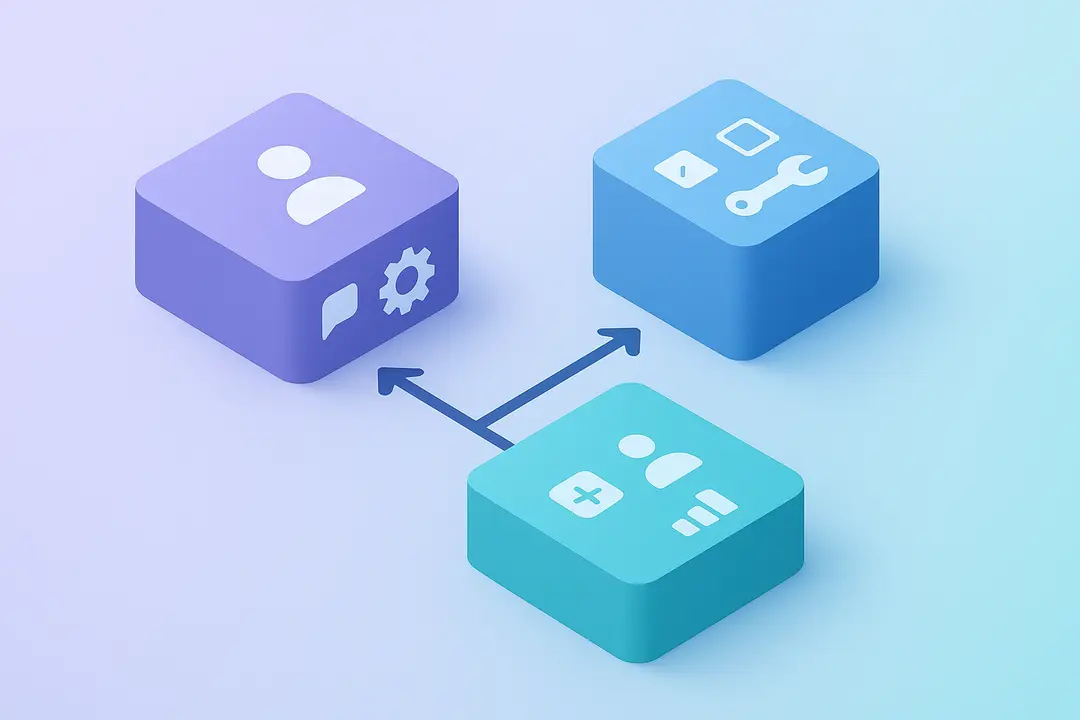
A dedicated software team is a long-term, full-time group of professionals—often remote—working exclusively on your startup’s product. Unlike freelancers or “on-demand” help, dedicated teams commit to your vision, integrate with your workflows, and scale as your needs change.
Core Definitions:
- Dedicated vs. In-house: Dedicated teams may operate externally (vendors, agencies) but collaborate as an integrated unit. In-house teams are company employees.
- Dedicated vs. Augmented: Dedicated teams handle end-to-end responsibilities, while augmented teams fill specific skill gaps within your existing org.
- Dedicated vs. Freelance: Freelancers are short-term, tactical; dedicated teams are strategic, stable, and easier to manage at scale.
Team Models for Startups:
| Team Model | Description | Best For |
|---|---|---|
| Generalist | Broad, multi-skilled team members | MVPs, fast pivots, early-stage |
| Specialist | Deep experts in specific technologies | Scaling, complex architectures |
| Hybrid | Mix of generalists and specialists | Most startups—balance & agility |
Typical Roles in a Dedicated Startup Team:
- Developers (Front-end, Back-end, Full-stack)
- Quality Assurance (QA) Engineers
- UI/UX Designers
- Product Manager (PM)
- Software Architect
- Business Analyst (as needed)
Choosing the right mix ensures alignment with your startup software team structure and product roadmap.
What Are the Benefits and Drawbacks of Dedicated Teams for Startups?

Dedicated software teams bring focused expertise, faster delivery, and scalability to startups—but this model also has tradeoffs. Understanding the pros and cons helps founders avoid mismatches and make informed choices.
Key Benefits:
- Flexibility: Scale your team size and skills as your product evolves.
- Cost Control: Pay only for the resources you need during each phase.
- Speed: Rapidly onboard talent and accelerate time-to-market.
- Access to Global Talent: Reach skilled engineers beyond your local market.
- Long-term Alignment: Teams focus solely on your startup, enabling specialization.
Potential Drawbacks:
- Risk of Misalignment: External teams need strong onboarding to truly “own” your mission.
- IP/Security Concerns: Data and code may sit outside your direct control.
- Vendor Lock-In: Over-dependence on one provider can create switching challenges.
- Cultural & Time-Zone Gaps: Can hamper communication and team cohesion.
| Benefit | Drawback |
|---|---|
| Flexibility | Risk of misalignment |
| Cost control | IP/security |
| Speed | Vendor lock-in |
| Access to talent | Communication gaps |
When Dedicated Teams Excel or Fall Short:
- MVP/Early-Stage: Great for fast launches—if requirements are clear.
- Scaling: Excellent for rapidly building features—if IP and workflows are locked down.
- Highly Regulated Products: Consider extra diligence around compliance and security.
How to Make Dedicated Software Team for Startups Work? (Step-by-Step Framework)

Building a dedicated development team for your startup requires deliberate steps. Use this practical playbook to go from idea to high-performance execution.
Step 1: Define Clear Goals, Product, and Requirements
Summary:
Founders must translate vision into concrete requirements to guide team formation and avoid wasted effort.
How-To:
- Map Your Product Vision: Define the problem, target users, and business goals.
- List Essential Features: Break down your MVP and desired roadmap.
- Create User Stories: Articulate who, what, and why for every major feature.
- Document Success Criteria: Set clear acceptance criteria for deliverables.
- Identify Technical Constraints: Note platforms, languages, tools, or regulatory needs.
Key Inputs Before Team Assembly:
- Written product requirements
- Prioritized feature list
- User journeys/stories
- MVP scope and KPIs
- Known risks or edge cases
Step 2: Choose the Right Team Structure and Model
Select a team model—generalist, specialist, or hybrid—that best matches your startup’s stage and technical goals.
Decision Factors:
- Generalist: Early-stage or MVP, need fast, flexible build cycles.
- Specialist: Scaling/upgrading, need niche expertise (e.g., AI/ML, Security).
- Hybrid: Most startups, combines adaptability with deep specialists for key components.
Team Size Guidelines:
– MVP/Pre-Seed: 3–5 core roles (Dev, QA, PM, UI/UX)
– Early Growth: 6–12, add specialists and support
– Scale-Up: 12+, modular teams with leads and focused subunits
Best-Fit Team Models by Stage:
| Startup Stage | Recommended Model | Core Roles |
|---|---|---|
| Ideation/MVP | Generalist | Dev, PM, QA, UI/UX |
| Product-Market Fit | Hybrid | Add Architect, Business Analyst |
| Scaling | Specialist | Module/Feature Leads, DevOps, QA |
Step 3: Recruit In-House or Select a Vendor/Agency
Decide whether to hire directly or partner with an external vendor—each route has tradeoffs in cost, control, and speed.
In-House vs. Vendor:
- In-house: More cultural alignment, potentially slower and costlier to scale.
- Vendor/Agency: Faster access to talent, flexible contracts, potential for misalignment or turnover.
- Blended: Combines stability of core team with vendor flexibility for surges.
Vendor Selection Checklist:
Must-haves for outsourcing software development for startups include:
- Demonstrated startup experience and references
- Clarity on team composition and bios
- Transparent pricing and engagement models
- Time-zone overlap and communication cadence
- English proficiency and cultural fit
- Technical stack match
- Security/IP protection policies
Red Flags:
- No case studies or live client references
- Vague about process or code ownership
- Unclear contract exit terms
- Overpromising on speed/cost
[Checklist: Vendor Selection Essentials]
- Experience with startups
- Transparent pricing
- IP and data security
- Communication process
- Team lead meets your standards
Step 4: Onboard, Assign Roles, and Integrate Team Culture
Effective onboarding builds alignment, accelerates productivity, and sets up your team for early wins.
Onboarding To-Do’s:
- Provide complete product documentation, designs, and technical context.
- Set up access to repos, tools, and environments from day one.
- Introduce key rituals: daily standups, sprint planning, retrospectives.
- Clarify roles and team norms—who owns what, escalation paths, feedback flows.
- Immerse remote teams in your startup’s mission and customer context.
Integration Tips:
- Celebrate small wins in the first few sprints.
- Share your roadmap and let team members ask questions.
- Schedule regular check-ins between founders and the tech team.
Step 5: Communication Best Practices & Tool Stack
Getting communication right prevents costly misunderstandings and keeps distributed teams moving fast.
Essentials:
- Rituals: Daily standups (sync), sprint reviews (demo), retrospectives, weekly product check-ins.
- Async vs. Sync: Use asynchronous tools (Slack, email, Loom) for documentation and status, synchronous (video) for critical decisions.
- Tool Stack:
| Category | Recommended Tools |
|---|---|
| Chat/Async | Slack, Microsoft Teams |
| Project Management | Jira, Trello, Asana |
| Code Collaboration | GitHub, GitLab, Bitbucket |
| Documentation | Notion, Confluence |
| Video/Meetings | Zoom, Google Meet |
Remote/Hybrid Considerations:
- Overlap working hours for key meetings.
- Share meeting notes and decisions in writing.
- Use clear, structured agendas for calls.
Step 6: Track Progress, Course-Correct, and Scale
Systematic tracking and adjustment help your dedicated team deliver and adapt as your startup grows.
Best Practices:
- Set quantitative KPIs for releases, bug rates, sprint completion, user feedback.
- Use iterative sprint goals and demo progress regularly.
- Build trust with regular, honest performance reviews and feedback loops.
Course Correction:
- Address underperformance directly and early.
- Revisit requirements if business needs shift.
- Be ready to restructure or scale the team up/down based on current phase.
Scaling Signals:
- User traction exceeds MVP support capacity
- Backlogs grow despite team’s best efforts
- Consistent velocity across multiple releases
How Should Startups Select the Right Vendor or Outsourced Team?
Choosing the right development vendor is one of the most high-impact decisions a startup founder can make. Rigorous vendor selection prevents costly missteps later.
Vendor Due Diligence Steps:
- Assess Technical Fit:
Does the vendor have demonstrable experience with startups in your niche or tech stack? - Research Reputation:
Review independent references (Clutch, Gartner), case studies, and direct client feedback. - Evaluate Geographical Fit:
Weigh time zone overlap, legal/regulatory environment, language and cultural compatibility. - Demand Process Transparency:
Ask for onboarding plans, reporting frequency, code delivery cadence. - Review Contracts in Detail:
Ensure clauses covering NDA, IP, code ownership, exit conditions, and dispute resolution.
| Criterion | What to Look For | Questions to Ask |
|---|---|---|
| Startup Experience | Startup references, MVP launches | “How many startups have you scaled?” |
| Transparency | Clear team bios, reports, contracts | “Who is my day-to-day team lead?” |
| Communication | English fluency, process demos | “What channels/tools do you use?” |
| Security/IP | NDAs, code access, compliance audits | “Who owns the code/IP?” |
| Cost Structure | Flat fee, time/materials, hybrid | “How flexible is your contracting?” |
What Legal, IP, and Compliance Factors Do Startups Need to Consider?
When partnering with a dedicated team, protecting your startup’s intellectual property, user data, and compliance posture is critical—particularly for SaaS, healthcare, or fintech startups.
Key Legal Considerations:
- Contract Clauses:
- NDA (Non-Disclosure Agreement) to protect confidential information
- Clear definition of code/IP ownership: All developed assets should legally transfer to your startup
- Exit and termination terms, with codebase access at every major milestone
- Security & Data Protection:
- GDPR or other regional compliance if handling user data
- Secure access management for repositories and production environments
- Regulated Sectors:
- Additional clauses for healthcare, finance, or other regulated data
Legal FAQ:
- Who owns source code by default? You do—if it’s in your contract.
- What happens if a vendor is acquired? Ensure assignment/transfer clauses in vendor agreements.
What Common Pitfalls Should Startups Avoid When Building Dedicated Teams?
Many startups stumble when building dedicated software teams—often due to preventable missteps in planning, onboarding, or vendor management.
Top Pitfalls and Solutions:
| Pitfall | Solution |
|---|---|
| Vague requirements | Create clear, detailed specs/user stories |
| Poor onboarding | Structure onboarding with shared documentation and rituals |
| Communication breakdowns | Implement regular check-ins, shared tools |
| Vendor lock-in | Maintain code in your organization’s repos, clarify exit terms |
| IP/ownership ambiguity | Ensure contracts clearly assign IP to your startup |
| Neglecting culture integration | Embrace remote social events and team rituals |
In Practice: Founder Stories
“Our first vendor moved too fast, skipping product walkthroughs—some requirements were missed. After refining our onboarding and adding weekly demos, delivery aligned with our vision.” — SaaS Startup CTO
How Can Startups Optimize, Scale, and Retain High-Performing Dedicated Teams?
Sustainable success with dedicated software teams goes beyond launch. Continual optimization, team engagement, and scaling strategies help startups maintain their competitive edge.
Optimization and Retention Checklist:
- Scale Up/Down with Purpose: Expand roles as you gain traction; contract if priorities shift.
- Prioritize Knowledge Transfer: Document processes, decisions, and code standards to maintain continuity during team changes.
- Evolve Team Engagement: Recognize achievements, offer learning opportunities, and regularly gather feedback.
- Plan for the Long Term: Introduce onboarding for new members and invest in culture-building—even remotely.
“Scaling Signals”
- Consistent sprint completion
- Feature velocity matches product roadmap
- Team engagement remains high across milestones
Case Example: Patterns of Startup Success (and Failure) with Dedicated Teams
Failure Mode:
A healthtech startup hired a vendor without checking references. Early deliverables lagged, IP ownership was unclear, and time zone mismatches delayed critical releases. They spent months untangling the contract—losing precious runway.
Success Pattern:
A SaaS founder used a vetted hybrid team, set up clear documentation, and scheduled overlapping hours. Weekly demos and transparent feedback built trust—helping them launch on schedule and secure more funding.
“Having daily standups and ownership clarity meant we fixed bugs fast and innovated quickly—our team felt like part of the company, not just a contractor.” — Startup Founder
FAQs: Dedicated Software Teams for Startups
What is a dedicated development team for startups and how to make dedicated software team for startups work?
A dedicated development team for startups is a group of professionals working exclusively on your product. Understanding how to make dedicated software team for startups work involves aligning them with your goals, processes, and long-term vision.
What team structure helps make dedicated software team for startups work effectively?
To understand how to make dedicated software team for startups work, early-stage startups should use small, flexible teams with generalists and a strong product lead. This structure supports fast iteration and adaptability.
Should startups outsource or build in-house to make dedicated software team for startups work?
When deciding how to make dedicated software team for startups work, startups can choose outsourcing, in-house, or hybrid models. A dedicated development team for startups often provides the best balance of speed, cost, and scalability.
How do you choose the right vendor for a dedicated development team for startups?
Selecting the right partner is key to how to make dedicated software team for startups work. Look for experience, communication, cultural fit, and transparency when evaluating a dedicated development team for startups.
How do you onboard teams to successfully manage dedicated software team?
Effective onboarding is essential for how to manage dedicated software team. Share documentation, define workflows, and align expectations early to ensure your dedicated development team for startups integrates smoothly.
What legal considerations impact how to make dedicated software team for startups work?
Legal clarity is critical in how to make dedicated software team for startups work. Ensure IP ownership, NDAs, and data security agreements are clearly defined when working with a dedicated development team for startups.
How can you improve communication when managing a dedicated software team?
Strong communication is central to how to manage dedicated software team. Use regular meetings, collaboration tools, and clear documentation to keep your dedicated development team for startups aligned.
What mistakes should founders avoid to make dedicated software team for startups work?
Common mistakes in how to make dedicated software team for startups work include unclear requirements, weak onboarding, and lack of communication. Avoiding these ensures better performance from your team.
How do scaling and costs affect a dedicated development team for startups?
Scaling is a key advantage of a dedicated development team for startups. Understanding how to make dedicated software team for startups work includes managing costs while adjusting team size based on growth needs.
What tools help manage dedicated software team efficiently?
To master how to manage dedicated software team, use tools like Slack, Jira, GitHub, and Notion. These tools support collaboration and productivity for your dedicated development team for startups.
How does a dedicated development team for startups support faster product development?
A dedicated development team for startups enables focused execution and faster iteration. This is one of the key ways in how to make dedicated software team for startups work effectively.
Why are startups choosing dedicated development teams over traditional hiring?
Startups prefer a dedicated development team for startups because of flexibility, speed, and reduced hiring overhead. These benefits highlight how to make dedicated software team for startups work in competitive markets.
Summary Table: Startup Playbook to Make a Dedicated Software Team Work
| Step | Goal | Key Action | Pitfalls to Avoid | Tool/Template Reference |
|---|---|---|---|---|
| 1 | Set vision & requirements | Define product/MVP, create user stories | Scope creep, vague specs | Requirements doc template |
| 2 | Team structure/model | Choose Generalist, Specialist, or Hybrid | Wrong skills/match | [Team Model Diagram] |
| 3 | Select/hire team/vendor | Screen in-house vs. vendor, run due diligence | Bad references, lock-in | Vendor checklist, interview guide |
| 4 | Onboarding & integration | Share docs, set rituals, align on culture | Poor alignment, slow ramp | Onboarding agenda/template |
| 5 | Communication setup | Implement tools, schedule regular syncs | Gaps, timezone issues | Tool stack table, flowchart |
| 6 | Track, optimize, scale | Measure KPIs, adapt size/process as needed | Late pivots, over/understaff | KPI dashboard, scaling checklist |
Conclusion: Next Steps for Founders—Checklist and Action Plan
Building a dedicated software development team for your startup can be a powerful growth driver when approached with clarity and discipline. The real advantage comes not just from hiring talent, but from structuring, guiding, and integrating that team into your product vision and workflow.
By focusing on clear goals, strong communication, and continuous alignment, you create a team that moves fast, adapts easily, and delivers meaningful results. When executed well, a dedicated team is not just a resource, but a long term partner in scaling your product and achieving sustainable success.
Key Takeaways
- Dedicated software teams offer scalability, focus, and speed for startups—if managed well.
- Choose the right team model to match your product stage and technical needs.
- Successful onboarding, goal clarity, and rituals are essential for distributed teams.
- Avoid common pitfalls by clarifying IP, contracts, and expectations upfront.
- Continually optimize, scale, and engage your team for long-term growth.
This page was last edited on 6 April 2026, at 9:23 am
Contact Us Now

Contact Us Now
Start a conversation with our team to solve complex challenges and move forward with confidence.


