
Choosing the right cloud developer can determine the success or failure of your digital transformation. With cloud projects becoming more complex and business-critical, making the right partnership decision safeguards your data, scalability, and ROI. This guide delivers a fast, actionable, and expert-validated framework to help you find and partner with the best cloud developers—minimizing risk while maximizing long-term business value.
Defining Your Cloud Objectives and Developer Needs
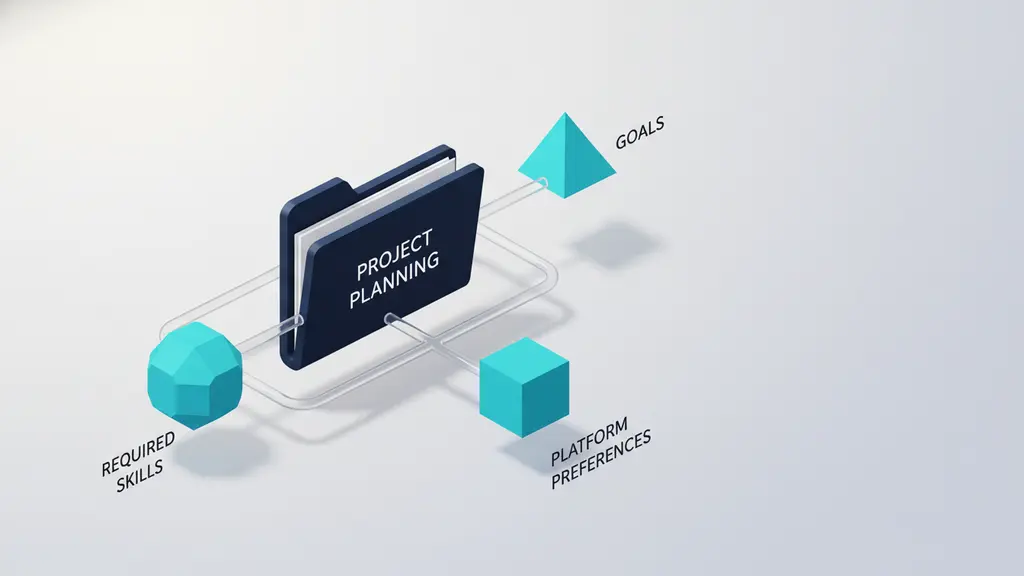
A clear project brief is essential for finding the right cloud developer or partner. Start by mapping your business goals, technical needs, and internal capabilities to avoid mismatches and costly rework.
Key Steps:
- Document Your Cloud Project Goals
- List targeted outcomes (e.g., cloud migration, new app build, modernization).
- Define business drivers: scalability, cost efficiency, security, innovation.
- Specify Platform Preferences
- Choose your stack: AWS, Azure, GCP, multi-cloud, or hybrid.
- Identify Required Expertise
- Skills needed may include DevOps, automation, migration experience, security, and systems integration.
- Assess Internal vs. External Needs
- Decide if you need full outsourcing, team augmentation, or specialized consulting.
| Example Project Profiles | Goals | Preferred Platform | Key Skills Needed |
| SaaS migration to AWS | Scalability | AWS | Cloud migration, automation, DevOps |
| Healthcare app modernization | Security, compliance | Azure | Security, HIPAA/GDPR compliance |
| AI/ML workload scaling | Cost, performance | GCP | AI/ML, cloud-native architecture |
Define your needs upfront to target only the most relevant experts and avoid time-wasting conversations.
What Skills and Certifications Should You Require in a Cloud Developer?

Focus on core technical, soft, and certified skills to ensure your shortlist consists of top-tier, capable talent.
Essential Skills and Credentials:
- Technical Skills:
- DevOps practices (CI/CD, automation)
- Cloud infrastructure management (IaaS, PaaS, serverless)
- Security best practices and cloud-native security
- APIs, databases, and microservices design
- Certifications:
- AWS Certified Solutions Architect/Developer
- Microsoft Certified: Azure Solutions Architect/Developer
- Google Professional Cloud Architect/Engineer
- Bonus: Kubernetes, Terraform, cloud security certifications
- Soft Skills:
- Clear communication
- Teamwork and remote collaboration
- Analytical problem-solving
- Agile/iterative approach
- Emerging Skills:
- Experience with AI/ML integrations
- DevSecOps, cloud-native security automation
Cloud Developer Vetting Checklist:
- Verified AWS/Azure/GCP certification(s)
- Demonstrated experience with cloud migrations or builds
- Secure coding and regulatory knowledge
- References or code/project samples
- Proven teamwork in distributed environments
Where and How to Source & Shortlist the Best Cloud Developers and Partners
Quality sourcing means targeting trusted platforms and matching hiring models to your business scenario. A credible shortlist reduces risk and accelerates decision-making.
Sourcing Channels:
- Trusted Directories:
- AWS, Azure, Google Cloud Partner Directories (proof of vendor endorsement)
- Gartner Peer Insights, Clutch.co, Proxify, GoodFirms (independent reviews, service scope)
- Specialist Hiring Platforms:
- Proxify (pre-vetted remote cloud engineers)
- Referrals and Case Studies:
- Reach out to recent case study authors or validated industry peers.
Freelancers vs. Agencies vs. Staff Augmentation
| Model | Pros | Cons | Best For |
| Freelancers | Flexible, lower cost, fast to hire | Skill gaps, less scalability, riskier | Small projects, prototyping, quick fixes |
| Agencies | End-to-end expertise, support model | Higher cost, less direct control | Large/multi-cloud projects, regulated work |
| Staff Aug | Plug into existing teams, scalable | Onboarding required, mixed oversight | Long-term team extension, internal builds |
Shortlisting Worksheet (Downloadable):
- Required certifications and technical skills
- Relevant project/case study match
- Verified independent reviews
- Transparent pricing/policies
- Responsive, professional communication
Quick Tips:
- Always request recent references and verify certifications.
- Prioritize partners with verifiable client histories and published support policies.
How Should You Vet Technical, Security, and Compliance Capabilities?
Vetting ensures your partner can deliver technically and protect your data, meeting compliance obligations and industry standards. A rigorous process helps prevent costly breaches or performance issues.
Technical Vetting Steps:
- Conduct a Technical Interview
- Sample Questions:
- How would you design a secure, scalable cloud architecture on AWS/Azure/GCP?
- What DevOps automation tools have you implemented? Can you provide examples?
- How do you handle failover, backups, and disaster recovery?
- Sample Questions:
- Review Code or Project Samples
- Request source code, design docs, or demo environments.
- Evaluate technical depth and documentation quality.
- Assess Security and Compliance
- Confirm understanding of GDPR, HIPAA, or your sector’s regulations.
- Ask for evidence of cloud-native security practices (encryption, IAM, logging).
- Require documented compliance audits where relevant.
- Cross-Check Certifications
- Directly verify with certifying authorities (AWS, Microsoft, Google).
Cloud Developer Vetting Checklist:
- Passes technical interview (architecture, automation, resilience)
- Demonstrated familiarity with security frameworks
- Compliance references or audit documentation
- Positive prior client feedback in regulated industries
Assessing Cultural Fit and Communication for Remote Cloud Teams
Cultural fit and transparent communication are key to successful, sustained cloud partnerships—especially for distributed or remote teams.
Core Guidelines:
- Cultural Fit Assessment:
- Ask about preferred work processes and feedback channels.
- Discuss values, expectations, and learning mindset.
- Test Communication Early:
- Use scenario-based messaging or brief trial tasks to observe communication style.
- Confirm proficiency in English (or your primary team language).
- Collaboration Tools & Reporting:
- Agree on tools (Slack, Teams, Jira, email) and reporting cadence.
- Set expectations for time zone overlaps and core hours.
Key Cultural Fit Questions:
- How do you handle feedback and conflict resolution?
- What time zones and hours are you available for real-time collaboration?
- Which agile or reporting processes are you familiar with?
Red Flag Alert: Avoid teams unwilling to use your standard project management tools or hesitant to clarify expectations during onboarding.
What Are Typical Cost Structures and How to Avoid Hidden Fees?
Understanding pricing models ensures you budget accurately and avoid unexpected expenses when hiring or partnering with cloud developers.
Common Pricing Models:
| Model | How It Works | Typical Range (2024)* | Inclusions |
| Hourly | Pay per hour worked | $35–$150/hr (senior/devops/architect) | Coding, support (variable) |
| Project | Fixed fee per deliverable | $8,000–$100,000+ | Defined scope only |
| Retainer | Monthly fee for ongoing work | $5,000–$25,000/mo | SLAs, support, scaling |
| Staff Aug | Per-team member, monthly | $7,500–$18,000/mo | Embedded specialist(s) |
What’s Not Typically Included:
- Post-launch support, maintenance beyond initial warranty
- 24/7 monitoring (unless specified)
- Major change requests or scope creep
How to Avoid Hidden Fees:
- Request a detailed “cloud developer cost breakdown” upfront.
- Clarify any extra costs for incident support, maintenance, or scaling.
- Ask for contract clauses detailing what’s included and excluded.
- Negotiate predictable pricing with transparency on rate increases.
Hidden Fee Watchlist
– Ongoing maintenance charged at premium rates
– Unclear support or escalation pricing
– Hourly overages for task overruns
– Licensing costs for third-party tools or add-ons
What Should a Strong Cloud Service Agreement (SLA) Include?
A detailed cloud service agreement (SLA) protects both sides, clarifies expectations, and ensures recourse if things go wrong.
Must-Have SLA Clauses:
- Scope of Work & Deliverables: Exact services, timelines, and acceptance criteria.
- Support Model: Response and resolution times, support channels, coverage hours.
- Service Level Targets: Uptime guarantees, maintenance windows, change controls.
- Confidentiality & IP Ownership: Protection of your data, code, and ideas.
- Compliance & Security: Adherence to relevant frameworks (GDPR, HIPAA, SOC).
- Termination & Dispute Handling: Clear process for ending the relationship.
Sample SLA Checklist:
- Defined service scope and acceptance criteria
- Documented response/resolution times
- Data privacy and intellectual property terms
- Explicit compliance guarantee (as needed)
- Templates/tools for co-editing and digital signatures
How to Mitigate Risks and Handle Challenges in Cloud Partnerships

Proactive risk management lowers the odds of costly disruptions and builds confidence for both sides.
Top Risk Mitigation Practices:
- Identify Pitfalls Early
- Unclear requirements
- Lack of clear escalation or dispute paths
- Unverified technical credentials
- Hidden costs
- Poor documentation
- Build Regular Review Cycles
- Schedule check-ins and project reviews every 1–2 weeks.
- Establish Escalation Procedures
- Define points of contact and clear issue escalation flow.
- Leverage Insurance or Indemnity
- Where appropriate, require partners to carry professional liability insurance.
| Step | Action |
| 1. Set clear KPIs | Use written briefs, agreed metrics |
| 2. Confirm comms | Test collaboration tools, contact cadence |
| 3. Backup plan | Include handover, documentation protocols |
| 4. Escalate issues | Define chain for reporting and resolution |
| 5. Insure key risks | Request indemnity or liability coverage |
Mistakes to Avoid:
– Choosing lowest-cost provider over best-fit
– Failing to verify compliance and certifications
– Leaving SLAs or escalation policies vague
Why Pilot Projects or Trial Engagements Are Essential
Pilot projects de-risk cloud partnerships by providing real-world validation before major commitments.
How To Run a Pilot Project:
- Define a Small, Time-Bound Scope
- Example: Migrate a sample workload, build one cloud feature
- Agree on Success Metrics Upfront
- Performance, code quality, support responsiveness
- Review and Decide on Next Steps
- Debrief lessons learned
- Decide go/no-go for full engagement
Pilot Project Steps:
- Choose representative, non-critical workload
- Set clear success criteria and timeline
- Test agile collaboration and reporting
- Evaluate post-pilot with your team
- Transition or exit based on outcome
Best Practices for Building Long-Term, High-Value Cloud Partnerships
Maximizing value takes ongoing collaboration, performance management, and innovation-oriented thinking beyond day one.
Long-Term Cloud Partnership Checklist:
- Regular Performance Reviews: Quarterly or per project milestone
- Scalable Resourcing: Ability to increase or reduce team size as needs shift
- Continuous Upskilling: Encourage training on new cloud tech (AI/ML, cloud-native, security)
- KPI-Based Progress Reviews: Track and adjust based on agreed business outcomes
- Open Feedback Loops: Foster a culture of transparency and shared improvement
Healthy cloud partnerships emphasize joint problem-solving, upskilling, and adaptation as your business evolves.
FAQ: Everything Else You Need to Know About Hiring and Partnering with Cloud Developers
What skills should a top cloud developer have?
A top cloud developer should command strong knowledge of cloud platforms (AWS, Azure, GCP), infrastructure as code, security best practices, DevOps, and hold relevant cloud certifications. Strong teamwork and communication are also essential.
How do I evaluate a potential cloud development partner?
Evaluate by verifying technical certifications, checking relevant project experience and references, assessing soft skills, running technical interviews, and conducting pilot projects before making a long-term commitment.
What certifications are essential for cloud engineers?
Essential certifications include AWS Certified Solutions Architect, Microsoft Certified Azure Solutions Architect, and Google Professional Cloud Architect. Security and DevOps certifications are valuable add-ons.
What is the difference between a cloud consultant and a cloud developer?
A cloud consultant designs a cloud strategy and guides technology choices, while a cloud developer implements, builds, or migrates applications based on those plans.
How much does it cost to hire a cloud developer or partner?
Costs vary widely by engagement model, region, and project size. Hourly rates range from $35–$150; fixed projects often start at $8,000+, and ongoing engagement typically requires a higher total commitment.
Should I choose an agency or a freelance cloud developer?
Choose agencies for complex, multi-disciplinary, or regulated projects; freelancers fit short-term, well-scoped needs. Consider staff augmentation for scaling your own team.
How do I ensure my data is secure when partnering with a cloud developer?
Prioritize partners with documented security practices, up-to-date certifications, and clear compliance with relevant regulations. Negotiate clear SLA clauses covering data protection.
What should be included in a cloud development service agreement?
Include scope, deliverables, SLAs, support terms, IP ownership, confidentiality, and compliance requirements. Explicit termination and dispute processes are also important.
How can I measure the success of a cloud partnership?
Track project delivery milestones, uptime/performance metrics, overall ROI, and the quality of ongoing communication and support.
What are red flags when hiring cloud development talent?
Red flags include unverifiable skills or certifications, poor communication, vague SLAs, avoidance of pilot projects, or lack of transparency in pricing.
Conclusion
Finding and partnering with the best cloud developers is not guesswork—it’s a process rooted in clarity, verification, and strategic alignment. By following this step-by-step framework—clarifying your needs, rigorously vetting skills and experience, comparing pricing, negotiating strong contracts, and starting with a pilot—you ensure your cloud transformation is resilient, secure, and future-proof. Download our actionable checklist or connect with a certified cloud partner to jumpstart your cloud hiring journey today.
Key Takeaways
- Start with a clear definition of your business and technical objectives to avoid mismatches.
- Vet developers for cloud-specific skills, certifications, and security expertise—not just general software talent.
- Use trusted sourcing channels and compare agencies, freelancers, and staff augmentation models for best fit.
- Rigorously assess technical, compliance, and cultural fit before signing.
- Pilot projects and detailed SLAs help ensure a secure and scalable long-term partnership.
This page was last edited on 5 February 2026, at 4:26 pm
Contact Us Now

Contact Us Now
Start a conversation with our team to solve complex challenges and move forward with confidence.


