Many businesses planning a new digital product start by asking how to choose a mobile app development service that can deliver quality, reliability, and long term value. The partner you select will influence everything from development speed and technical quality to security, scalability, and overall project success. With so many agencies, freelancers, and development teams offering similar services, choosing the right provider can feel overwhelming.
Understanding how to choose a mobile app development service requires more than comparing prices or reviewing portfolios. Companies must evaluate technical expertise, communication practices, development processes, and industry experience to ensure the partner can meet their specific goals. This guide provides a clear framework to help business leaders assess potential providers, ask the right questions, and confidently select a mobile app development service that supports successful project delivery.
How Do I Choose a Mobile App Development Service? (Overview of the Step-by-Step Process)
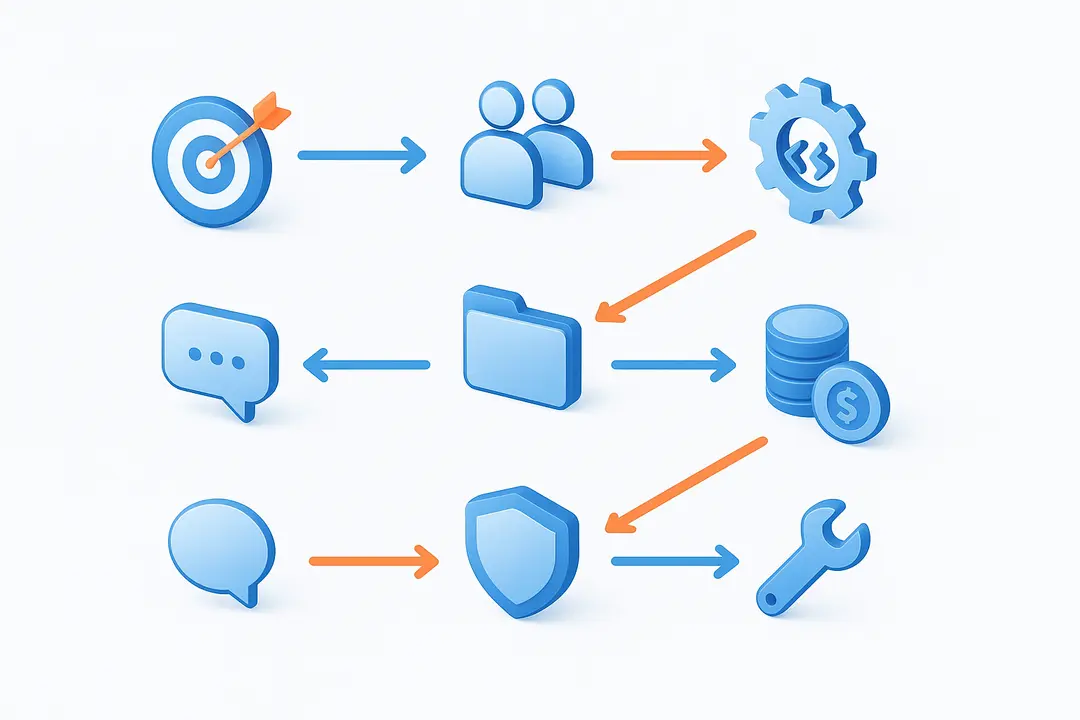
- Clarify your project goals and requirements.
- Decide between agency, freelancer, or hybrid team.
- Evaluate technical and industry experience.
- Review portfolios and case studies.
- Assess communication and project management practices.
- Compare app development costs and pricing models.
- Safeguard your IP, security, and legal essentials.
- Plan for post-launch support and maintenance.
Each step ensures you avoid common pitfalls and focus on long-term business value—not just price or code.
What Should I Clarify About My App Before Contacting Vendors?
Clearly defining your app’s requirements, business goals, and constraints is essential before approaching any vendor. The more detail you provide, the more accurate and relevant the proposals you receive.
Key Elements to Define:
- App Type & Core Features: Is your app customer-facing, internal, or a marketplace? List must-have features and differentiators.
- Platforms: Will your app be on iOS, Android, or both? Consider cross-platform frameworks if needed.
- Business Goals & Target Users: What outcome do you expect—revenue, engagement, or efficiency? Who are your users?
- Budget Range & Timeline: Offer a realistic budget window and project deadline upfront.
- Specifications: Supply wireframes, user stories, or at least a basic RFP (Request for Proposal).
Pro Tip: Use simple mockups or bullet requirements even if you lack design experience. The clearer your scope, the better the developer fit and project accuracy.
Should I Hire an Agency, Freelancer, or Hybrid Team?
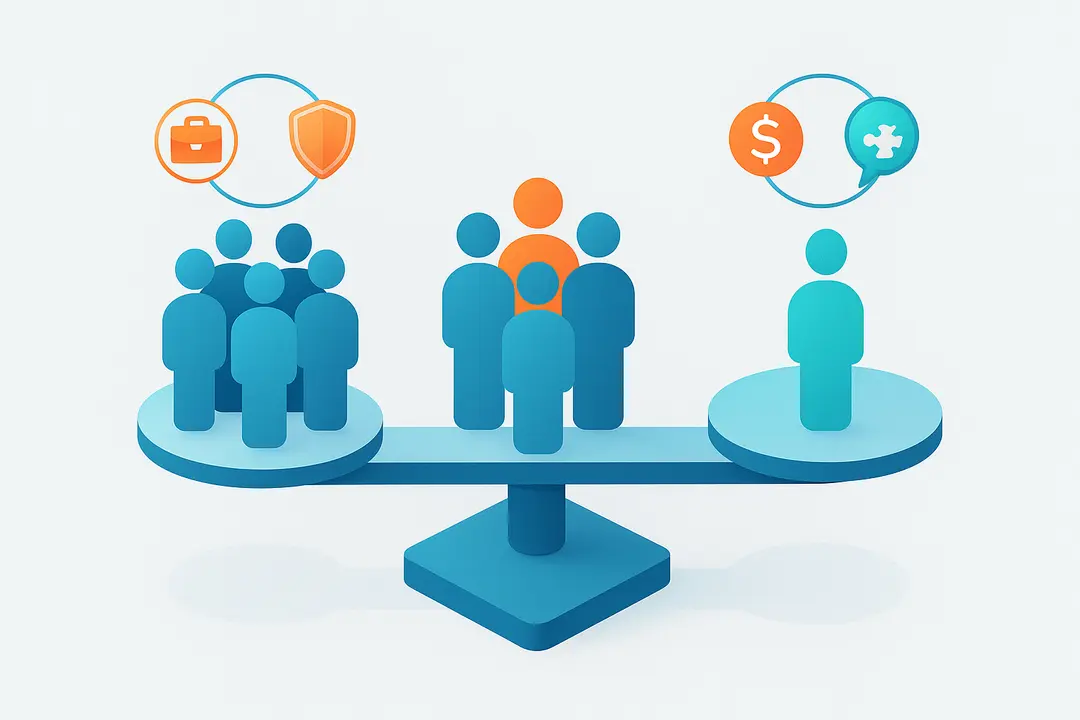
Choosing between an agency, freelancer, or hybrid team impacts cost, speed, and risk. Knowing the trade-offs leads to better alignment with your project’s needs.
Vendor Model Comparison Table
| Model | Pros | Cons | Best For |
| Agency | Deep expertise, scalable teams, managed process | Higher cost, less flexibility for small tweaks | Complex, enterprise apps |
| Freelancer | Cost-effective, direct communication | Limited capacity, variable quality | MVPs, prototypes, small apps |
| Hybrid | Flexible, blends expertise and lower cost | Coordination complexity | Startups, evolving projects |
When to choose which model?
- Select an agency for large-scale, multi-platform, or mission-critical apps where project management and reliability are paramount.
- Choose a freelancer for early-stage MVPs, proofs of concept, or when budget is limited.
- Consider a hybrid team if you want agency oversight with freelance flexibility for specialized roles.
How Do I Assess Technical and Industry Experience?
Assessing technical skills and industry experience ensures your partner can handle both the “how” and the “what” of your app. You don’t need deep technical knowledge—ask the right questions and probe for relevant expertise.
What to Look For:
- Core Technical Skills: Experience building apps for your target platforms (iOS/Android/cross-platform). Knowledge of security, APIs, and UI/UX best practices.
- Relevant Projects: Have they built similar apps in your industry or with your features? Real case studies matter.
- Stack & Tools: Familiarity with current technologies (e.g., Swift, Kotlin, React Native, Flutter).
- Certifications: While not mandatory, developer certifications can signal professionalism.
Questions to Ask Vendors:
- “Can you show live apps you’ve launched in the past 2 years?”
- “What security practices do you follow?”
- “How does your team stay current with app platform updates?”
- “What were the biggest technical challenges in your last 3 projects?”
Red Flags: Vague answers, lack of code/process documentation, or unconvincing portfolio links.
“Great developers speak with specifics, not buzzwords. Look for evidence—numbers, live apps, and open discussion of past project hurdles.”
— Samir Patel, Founder, Prism Tech Group
How Important Are Portfolios and Case Studies in Making My Decision?
A strong app developer portfolio and detailed case studies are credible proof of expertise. They reveal whether a vendor can deliver real results—not just promises.
How to Review a Portfolio:
What to Seek:
- Diverse, relevant examples: Apps similar to your concept or industry.
- Metrics: Downloads, ratings, or business impact (when available).
- Direct client feedback: Testimonials or published reviews.
- Technical depth: Unique features, integration challenges, or creative problem-solving.
Red Flags:
- Recycled or template apps passed off as custom work.
- Lack of specific outcomes or performance data.
- Old, unsupported apps or missing download links.
Request references or contact prior clients directly if possible. Many agencies share case studies on Clutch.co or industry platforms for transparency.
What Communication and Project Management Practices Should I Expect?
Effective communication and structured project management are just as vital as coding skills. They ensure your project stays on track, on budget, and aligned with your goals.
Best Practices Checklist
- Project Methodology: Agile (iterative, flexible), waterfall (fixed, sequential), or hybrid methods tailored to your timeline.
- Regular Updates: Weekly standups, sprint reviews, and transparent milestone reporting.
- Collaboration Tools: Use of platforms like Jira, Trello, Slack, or Asana for visibility and accountability.
- Clear Communication: Set expectations around availability, meeting frequency, and escalation procedures.
Positive Signs: Proactive progress demos, honest updates on risks, and accessible documentation.
Warning Signs: Inconsistent updates, missed deadlines without clear explanation, or reliance solely on email.
“A developer’s process is as important as their code. Look for partners who show—not just say—how they’ll keep you informed and engaged.”
— Lisa Romero, Product Manager, AdvantApp
How Should I Compare App Development Costs and Pricing Models?
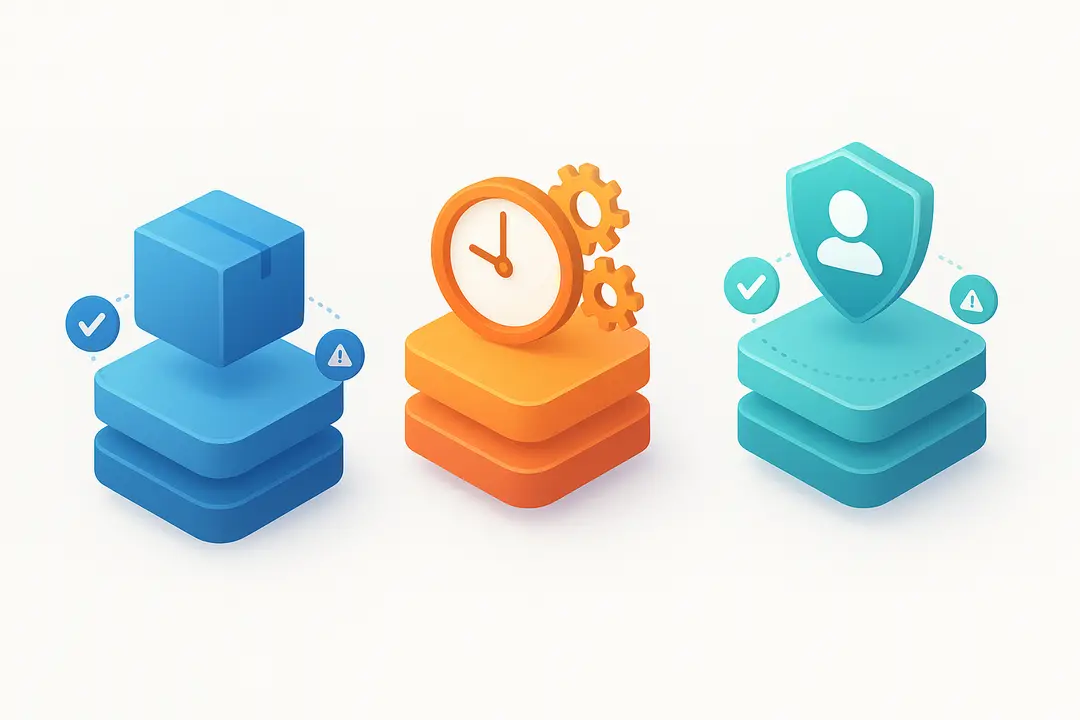
Understanding app development cost structures helps you avoid “apples to oranges” comparisons and surprise bills. Transparent quoting and clear pricing models set a fair playing field.
Common Pricing Models
| Model | Description | Pros | Cons |
| Fixed Price | Set cost for fully defined scope | Predictable, simple | Less flexible, changes costly |
| Time & Material | Pay as you go, based on actual hours | Adaptable to change | Can exceed original budget |
| Dedicated Team | Monthly/weekly rate for exclusive resource allocation | High control, continuous | Requires close management |
What’s (Usually) Included in a Quote
- Design, development, and testing
- Basic project management
- Documentation
- Launch support
Not Always Included:
- Maintenance post-launch
- Hosting or third-party tool costs
- Feature additions outside original scope
Market Average Cost Table (Indicative)
| App Complexity | Cost Range (USD) | Timeline |
| Simple | $25,000 – $60,000 | 3–6 months |
| Moderate | $60,000 – $150,000 | 6–9 months |
| Complex | $150,000+ | 9–12+ months |
Tips:
- Always clarify assumptions and deliverables in every proposal.
- Avoid uncapped Statements of Work (SOWs), and document every scope adjustment.
What Security, IP Protection, and Legal Contract Essentials Should I Know?
Robust legal agreements and security measures protect your app, your business secrets, and your investment. Neglecting this step is a top regret among failed projects.
Legal & Security Essentials
- Non-Disclosure Agreement (NDA): Use NDAs to protect your app idea and business data.
- IP Ownership: Contracts should specify who owns the source code, designs, and any third-party materials.
- Data Security: Vendors should follow app security best practices, such as data encryption and compliance with relevant regulations (e.g., GDPR, HIPAA).
- Service Contract Checklist:
- Scope of work (detailed deliverables)
- Payment terms and timeline
- Change request process
- Warranty and bug-fixing terms
- Termination clauses
- Dispute resolution
What Post-Launch Support and Maintenance Should I Require?
The app journey doesn’t end at launch—ongoing support ensures your investment delivers lasting value. Many apps underperform due to neglected maintenance or lack of timely updates.
Types of Post-Launch Support
- Bug Fixes: Quick resolution of issues and defects.
- Feature Updates: Adding enhancements as your users’ needs evolve.
- Performance Monitoring: Proactive troubleshooting, uptime guarantees, analytics tracking.
- Regular Updates: Compliance with OS changes (Apple/Google), security patches.
Service Level Agreements (SLAs)
Insist on clear SLAs covering:
- Response and resolution times
- Update frequency
- Support channels
Typical Maintenance Costs:
Budget 15–25% of initial development cost annually for routine maintenance (according to various industry benchmarks).
Handover:
Ensure all code, documentation, and credentials are transferred for future in-house management or to switch providers.
Key Takeaways Table: Compare Agencies, Freelancers, and Hybrid Teams
| Criteria | Agency | Freelancer | Hybrid Team |
| Cost | High | Low | Moderate |
| Expertise | Broad, deep | Varies | Flexible, role-specific |
| Speed | Faster with scale | Fast for small apps | Moderate |
| Flexibility | Less flexible | Most flexible | High flexibility |
| IP/Security Risk | Low (with contract) | Variable | Mixed (clarify roles) |
| Ongoing Support | Yes, often SLA | No guarantee | Possible, clarify terms |
| Best For | Complex/enterprise | MVPs/prototypes | Startups, scale-ups |
Frequently Asked Questions About Choosing a Mobile App Development Service
What criteria matter most in how to choose a mobile app development service?
When learning how to choose a mobile app development service, businesses should focus on technical expertise, relevant portfolio, communication practices, pricing transparency, and post launch support. A careful mobile app development company selection process ensures the partner can deliver a secure, scalable, and reliable application.
How can non technical founders approach choosing a mobile app development agency?
If you are not a developer, choosing a mobile app development agency becomes easier by asking vendors to explain their development approach in simple terms and by reviewing their past applications. During mobile app development company selection, it is also helpful to check live apps they have built and gather feedback from previous clients.
What risks should companies consider when deciding how to choose a mobile app development service?
Understanding how to choose a mobile app development service also involves evaluating potential risks. Agencies may offer more structured teams and project management, while freelancers can provide flexibility but may have limited resources. This comparison is an important step in the mobile app development company selection process.
How should businesses compare quotes when choosing a mobile app development agency?
When choosing a mobile app development agency, companies should analyze each quote by separating design, development, testing, and project management costs. This structured approach helps organizations understand how to choose a mobile app development service based on clear deliverables rather than price alone.
What should be included in a contract during mobile app development company selection?
Contracts play a critical role in mobile app development company selection. A well structured agreement should include project scope, payment milestones, intellectual property ownership, confidentiality terms, change management procedures, and service guarantees to support businesses learning how to choose a mobile app development service.
How can companies protect their app idea when choosing a mobile app development agency?
Protecting intellectual property is essential when choosing a mobile app development agency. Businesses should sign non disclosure agreements before sharing sensitive details and ensure ownership clauses are included in the contract. These steps are an important part of understanding how to choose a mobile app development service safely.
What post launch services should be expected from a mobile app development service?
Most providers offer maintenance and improvement services after launch. These mobile app development company selection considerations often include bug fixes, performance monitoring, security updates, and feature enhancements. These services ensure the long term success of businesses learning how to choose a mobile app development service.
How can companies verify the reputation of a mobile app development agency?
During choosing a mobile app development agency, companies should review case studies, client testimonials, and published applications. Checking independent review platforms and verifying real project outcomes helps strengthen the mobile app development company selection process.
Should companies choose a local or offshore mobile app development service?
When evaluating how to choose a mobile app development service, companies should consider communication, time zone compatibility, cultural alignment, and expertise rather than focusing only on cost. Both local and offshore providers can be strong options depending on the project requirements.
What timeline should businesses expect when choosing a mobile app development agency for a new project?
The timeline varies depending on complexity. During mobile app development company selection, businesses should expect simple apps to take several months, while more complex applications may require longer development cycles. Understanding timelines is part of learning how to choose a mobile app development service effectively.
What questions should be asked during mobile app development company selection?
Businesses evaluating how to choose a mobile app development service should ask about development methodology, communication frequency, security practices, and support after launch. Asking the right questions strengthens the mobile app development company selection process and helps identify the most reliable development partner.
Conclusion: Your Next Steps to App Development Success
Choosing the right mobile app development partner is a crucial step toward building a successful and reliable mobile application. When businesses take the time to clearly define their requirements, evaluate potential providers carefully, and focus on long term collaboration, they can reduce risks and improve the chances of delivering a high quality product.
Understanding how to choose a mobile app development service helps organizations make informed decisions about technical expertise, communication, and development processes. With the right partner and a well planned approach, companies can create mobile applications that support business growth, deliver strong user experiences, and remain adaptable as technology and market needs evolve.
Key Takeaways
- Clearly define your app’s scope and goals before contacting vendors.
- Match your project to the right vendor model—agency, freelancer, or hybrid.
- Assess technical depth, industry experience, and actual portfolio results.
- Evaluate communication, process transparency, and legal/IP protections.
- Plan for post-launch support; select partners who commit to your app’s long-term value.
This page was last edited on 17 March 2026, at 11:32 am
Contact Us Now

Contact Us Now
Start a conversation with our team to solve complex challenges and move forward with confidence.


