
Blockchain is transforming the fintech landscape, driving efficiency, security, and new business models across the industry. Financial institutions increasingly rely on blockchain to solve persistent challenges, from slow cross-border payments to manual compliance and fraud prevention. According to recent benchmarks, blockchain adoption in financial services grew to over 24% of institutions in 2023, with investment accelerating due to regulatory momentum and industry demand for transparency.
In this guide, you’ll discover how blockchain is practically applied across fintech in 2026, gain clarity on benefits and trade-offs, and learn what steps to take next—whether you’re planning a pilot or scaling a proven solution. Let’s explore the real-world blockchain use cases, practical implementation strategies, and the emerging trends defining fintech’s future.
What Is Blockchain? How Does It Apply to Financial Services?
Blockchain is a type of distributed ledger technology (DLT) that enables securely recording and sharing data across a network of computers, without a single point of control. In financial services, blockchain acts as a transparent, immutable database for transactions, contracts, and records.
Unlike traditional databases managed by one central authority, blockchains record every transaction in blocks, linking them in a secure, chronological chain. Core features—immutability, transparency, and cryptographic security—make blockchain ideal for applications where trust, auditability, and automation are critical. For example, instead of multiple intermediaries validating a cross-border payment, a blockchain network provides a single, tamper-evident source of truth, greatly reducing settlement delays and costs.
How Does Blockchain Technology Work in Fintech?
![How Does Blockchain Technology Work in Fintech? [Key Principles & Components]](https://riseuplabs.com/wp-content/uploads/2026/03/how-does-blockchain-technology-work-in-fintech-key-principles-components.webp)
- Smart contracts are self-executing programs that automate agreements, triggering actions like payments or compliance checks when conditions are met. Banks use them to automate loan disbursement and repayment workflows.
- Permissioned blockchains restrict network access to vetted participants, often used for regulatory compliance. Public blockchains are open to anyone, prioritizing transparency and decentralization.
- Nodes are computers that validate and store a copy of the blockchain’s data, ensuring resilience.
- Tokens represent digital value or assets (like stablecoins or security tokens) on the blockchain.
In fintech apps, blockchain safeguards data integrity, enables instant settlement, and removes the need for third-party validators, streamlining both operations and customer experience.
What Are the Top Use Cases of Blockchain in Fintech?
- Cross-border payments & remittances – Enables real-time, low-cost international money transfers.
- Trade finance – Digitizes and automates documentation for global trade, reducing fraud and delays.
- Lending & credit scoring – Supports automated, transparent loan origination and on-chain credit evaluations.
- Digital identity, KYC/AML – Improves compliance and onboarding by sharing verified credentials securely.
- Asset tokenization – Converts real-world assets into digital tokens, enabling fractional ownership and new capital markets.
- Insurance & fraud prevention – Automates claims and enhances fraud detection via immutable records.
- Settlement/clearing – Accelerates and secures post-trade processes in capital markets.
- ESG/green finance & CBDCs – Supports sustainable finance and central bank digital currencies, driving future innovation.
How Is Blockchain Used in Cross-Border Payments and Remittances?

Blockchain streamlines cross-border payments by enabling instant, traceable, and low-fee transfers, bypassing legacy systems like SWIFT.
Traditional international payments are slow and expensive, often taking days and charging fees exceeding 6% of the amount sent (per World Bank data). With blockchain, networks such as RippleNet use digital tokens (e.g., XRP) to convert fiat instantly, settle transactions in seconds, and reduce costs by up to 60%.
Case Example:
Ripple and Santander have piloted global remittance platforms, achieving near real-time settlement for customers. Over $15 billion in global payments has moved through Ripple-supported rails, illustrating blockchain’s operational impact.
Challenges:
Adoption is slowed by varied regulations, integration with legacy systems, and liquidity management. However, blockchain-based payment corridors continue to expand as compliance standards solidify.
| Feature | Traditional Payments | Blockchain Payments |
| Settlement speed | 1–5 days | Seconds to minutes |
| Fees | 4–7% (avg.) | <2% (typical) |
| Traceability | Limited | End-to-end visibility |
| Intermediaries | Many | Few or none |
How Does Blockchain Transform Trade Finance?
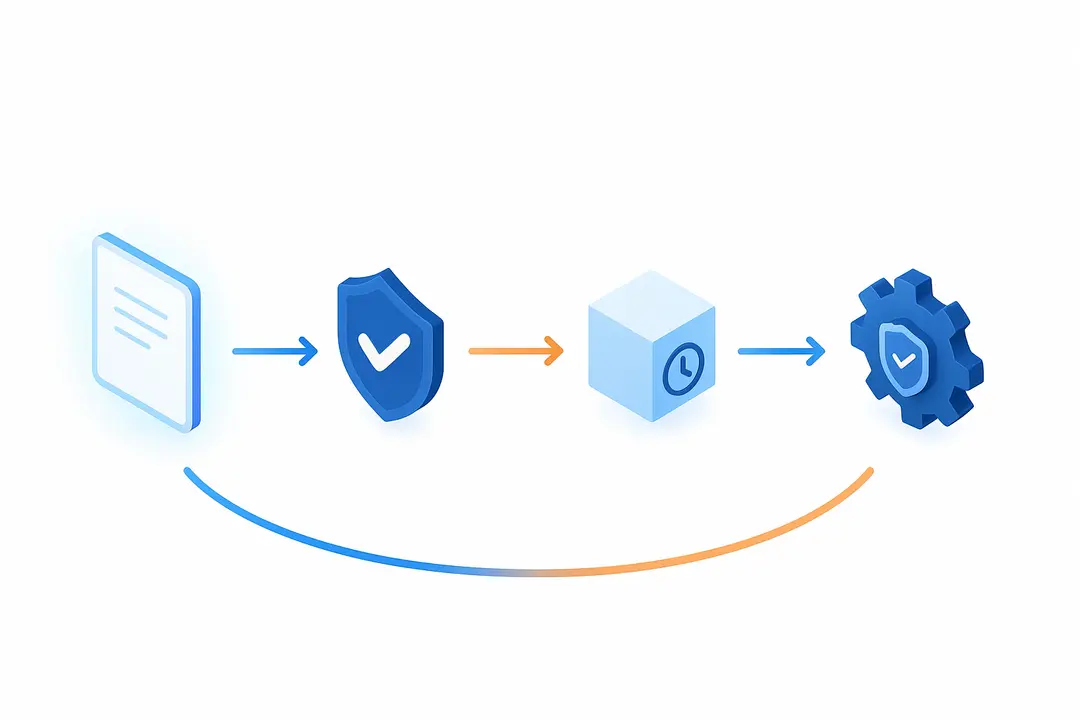
In trade finance, blockchain automates the exchange and verification of critical documents like letters of credit and bills of lading, reducing paperwork, errors, and fraud.
Manual trade finance processes are notoriously slow—up to 90% of world trade relies on legacy, paper-based workflows. Blockchain introduces a shared digital ledger accessible by all authorized parties (banks, exporters, insurers), creating an immutable audit trail and enabling real-time document exchanges.
Industry Proof Points:
Singapore’s Monetary Authority piloted blockchain-based trade finance for multi-bank letter-of-credit issuance, slashing processing times from days to hours. Networks like Marco Polo and we.trade demonstrate consortium-based trade finance platforms in production.
Constraints:
Key hurdles include interoperability across trade ecosystems, standardization of data formats, and legal enforceability of digital documents.
How Blockchain Streamlines Trade Finance Workflow:
- Digital document creation
- Real-time validation by stakeholders
- Immutable timestamping and record keeping
- Automated compliance/audit checks
What Are the Applications of Blockchain in Lending and Credit Scoring?
Blockchain enables transparent, automated lending platforms and new methods of credit assessment, opening access and reducing risk.
Conventional lending suffers from manual underwriting, opaque risk assessment, and slow approvals. Smart contracts automate loan disbursal, repayments, and even collateral management—removing manual processes and minimizing disputes.
Example:
Decentralized finance (DeFi) platforms, such as Aave or Compound, allow users to borrow and lend crypto assets without banks, using blockchain for transparency and programmable interest. Fintech firms are also piloting on-chain credit scoring, aggregating loan repayment data across providers.
Benefits:
- Lower processing costs and reduced human error
- Greater financial inclusion for thin-file borrowers
- Real-time risk assessment
Challenges:
Regulatory acceptance, data privacy, and identity verification remain significant obstacles for widespread adoption.
How Does Blockchain Streamline Digital Identity, KYC, and AML Compliance?
Blockchain enhances digital identity and regulatory compliance by securely sharing verified credentials and activity logs, reducing the burden of KYC and AML checks.
Financial institutions often duplicate KYC (Know Your Customer) and AML (Anti-Money Laundering) procedures, leading to high costs and slow customer onboarding. Blockchain platforms enable self-sovereign identity (SSI), where users hold encrypted personal data and share only essentials with providers. Shared KYC utilities, like IBM’s Trust Your Supplier or R3’s Corda, allow institutions to access real-time, verified credentials and automate transaction monitoring.
Blockchain Solves KYC by:
- Allowing verified identity credentials to be reused across banks
- Creating auditable, tamper-proof activity logs for AML compliance
- Enabling faster onboarding and transaction approvals
Risks:
Key legal and data protection considerations, such as GDPR compliance and revocable consent, must be addressed in live deployments.
What Is Asset Tokenization and Why Does It Matter for Fintech?
Asset tokenization converts real-world assets—like real estate, bonds, or art—into secure, programmable digital tokens traded on the blockchain.
This process enables new investment models, such as fractional ownership. Retail investors can now buy shares of traditionally illiquid assets, diversifying portfolios and accessing new markets. Tokenization also accelerates settlement and simplifies custody via digital record-keeping.
Benefits:
- Greater liquidity and market access
- Automated compliance through smart contracts
- Reduced administrative and transfer costs
Challenges:
- Regulatory uncertainty around the classification of digital tokens
- Security and custody risk management
- Interoperability with existing financial infrastructure
| Asset Tokenization Benefits | Risks/Limitations |
| Liquidity, market accessibility | Regulatory complexity |
| Lower transaction costs | Technical/custody safeguards |
| Programmable compliance | Adoption and standardization |
How Is Blockchain Improving Insurance and Fraud Prevention in Fintech?
Blockchain helps automate insurance claims, enhance transparency, and detect fraud using immutable records.
Traditional insurance is hampered by manual claim processes and high fraud risk. Blockchain-powered solutions use smart contracts to automatically trigger payments when predefined conditions are met, such as weather data in parametric insurance. Immutable transaction logs provide robust audit trails, making fraudulent claims easier to spot and prosecute.
Pilot Examples:
- Parametric crop insurance in Africa pays farmers automatically based on satellite data.
- Reinsurance consortia (e.g., B3i) use blockchain for shared policy, claim, and risk data, reducing reconciliation delays.
Challenges:
Complex integration with legacy systems, scalability, and evolving regulatory requirements must still be resolved for broad adoption.
How Do Public and Permissioned Blockchains Compare in Financial Services?
Public and permissioned blockchains differ in access, speed, privacy, and regulatory alignment, influencing their fit for specific fintech applications.
- Public blockchains (e.g., Ethereum) allow anyone to participate and view data, making them highly transparent but less suitable for sensitive, regulated financial data.
- Permissioned blockchains (e.g., Hyperledger Fabric, Quorum) restrict access to verified entities, support higher transaction speed, and offer greater compliance controls.
| Feature | Public Blockchain | Permissioned Blockchain |
| Transparency | Full/open | Limited to members |
| Speed/Scalability | Slower (decentralized) | Faster (controlled nodes) |
| Compliance | Challenging | Tailored for finance |
| Use Cases | DeFi, digital assets | Institutional payments, KYC |
| Example | Ethereum | Hyperledger, R3 Corda |
Interoperability frameworks (such as ISO 20022) are emerging to bridge both types for a more flexible ecosystem.
What Are the Benefits and Limitations of Using Blockchain in Fintech?
Blockchain offers fintech significant benefits—greater transparency, reduced fraud, improved audit trails, automation, and the creation of new business models. However, limitations persist, such as technical complexity, scalability concerns, and regulatory uncertainty.
Benefits:
- Transparent, real-time audit trails
- Lower fraud and error rates
- Cost savings via process automation
- Speedier settlements and reconciliations
- Access to new digital asset markets
Limitations:
- Technical integration complexity
- Performance/scalability barriers for high-transaction workloads
- Regulatory alignment varies globally
- Initial investment and skills gap
According to Consensys and McKinsey research, early adopters report ROI driven mostly by transaction speed and fraud reduction, though most projects remain in pilot or limited production phases.
| Pros | Cons |
| Transparency | Scalability challenges |
| Automated compliance | Regulatory uncertainty |
| Reduced operational cost | Integration with legacy systems |
| New business models | Skills and vendor gaps |
What Challenges Do Organizations Face When Implementing Blockchain Solutions?
Implementing blockchain in fintech is a multi-step process, fraught with integration hurdles, compliance demands, and organizational change barriers.
Common Implementation Challenges:
- Legacy system integration and data migration
- Achieving regulatory/compliance alignment across regions
- Network effect/critical mass: persuading partners or clients to join
- Filling skills gaps and selecting a trusted vendor
- Managing cybersecurity and ongoing support
Blockchain Implementation Checklist:
- Define clear business use case and value drivers
- Assess regulatory/compliance risks for target markets
- Evaluate public vs. permissioned blockchain model fit
- Analyze integration points with existing systems
- Select, pilot, and scale with trusted technology partners
- Continually monitor, measure ROI, and adapt as regulatory standards evolve
By following a structured approach, institutions can better navigate potential pitfalls and maximize blockchain’s impact.
What Are the Future Trends for Blockchain in Fintech? (CBDCs, Interoperability & Regulation 2024–2026)
In the next two years, fintech blockchain innovation will be shaped by rapid growth in central bank digital currencies (CBDCs), enhanced interoperability, and evolving regulatory frameworks.
- CBDCs: More than 100 countries are piloting or preparing central bank digital currencies (e.g., digital euro, digital yuan), aiming for mainstream rollout by 2025. These will reshape payment and settlement rails industry-wide.
- Regulation: The EU’s Markets in Crypto-Assets (MiCA) regulation and similar standards in APAC and the Americas are expected to provide clarity on digital assets, boosting institutional adoption.
- Interoperability: New frameworks (like ISO 20022) and cross-chain protocols are enabling seamless connectivity between different blockchain networks and traditional systems.
- Sustainable Finance: ESG investment products increasingly use blockchain to verify green credentials and assure transparency.
- DeFi & Embedded Finance: Combining blockchain-based smart contracts with conventional fintech is creating new lending, insurance, and asset products targeted at both retail and institutional users.
Staying agile and regulatory-aware will be key to future-proofing blockchain investments in fintech.
Blockchain in Fintech – Use Case & Benefits Table (2026 Snapshot)
| Use Case | How It Works | Benefit | Limitation | Example Provider |
| Cross-border Payments | Real-time settlement using digital assets/tokens | Speed, cost, transparency | Regulatory adoption | Ripple, Stellar |
| Trade Finance | Shared ledgers for document exchange and validation | Fraud reduction, efficiency | Standardization, legal hurdles | Marco Polo, we.trade |
| Lending & Credit Scoring | Smart contracts for automation and on-chain credit profiles | Automation, new data sources | Data privacy, KYC integration | Aave, Figure |
| Digital Identity, KYC/AML | Verified credentials/SSI on blockchain, shared utilities | Fast onboarding, compliance | Data protection, consent revocation | IBM Trust Your Supplier |
| Asset Tokenization | Real assets converted to tradable digital tokens | Liquidity, new investors | Regulatory clarity | Securitize, tZERO |
| Insurance & Fraud Prevention | Automated claims, immutable audit trail | Lower fraud, faster payouts | Integration, scalability | B3i, Lemonade |
| Settlement/Clearing | Single source, real-time post-trade settlement | Eliminates reconciliation delays | Legacy system ties | DTCC, Fnality |
| ESG & Green Finance | Transparent climate/ESG tracking via blockchain records | Verifiable green credentials | Data collection standards | Energy Web, Greenomy |
| CBDCs | Central bank digital currency for secure digital payments | Resilience, cost reduction | Policy, security | BIS pilots, e-CNY |
Frequently Asked Questions About Blockchain Use Cases in Fintech (FAQ Section)
What are the main use cases of blockchain in fintech?
Key blockchain use cases in fintech include cross-border payments, trade finance, lending and credit scoring, digital identity (KYC/AML), asset tokenization, insurance and fraud detection, and post-trade settlement.
How is blockchain transforming cross-border payments?
Blockchain enables near-instant, low-fee international transfers by eliminating intermediaries and automating settlement processes, significantly improving speed and transparency compared to traditional rails.
What are the benefits of smart contracts in finance?
Smart contracts automate complex financial workflows, reduce manual errors, accelerate settlements, and improve compliance by executing business rules with transparency and consistency.
How does blockchain simplify KYC and compliance?
Blockchain allows secure, reusable digital identities and creates immutable audit logs for activity monitoring, streamlining compliance tasks and reducing repeat onboarding for financial institutions.
What is asset tokenization in financial services?
Asset tokenization is the process of converting physical or intangible assets into programmable digital tokens recorded on a blockchain, enabling fractional ownership and access to new capital markets.
How can blockchain help prevent fraud in fintech?
By storing transparent, tamper-proof transaction records and automating claims validation, blockchain makes it easier to detect and prevent fraudulent activities in finance and insurance processes.
What are the differences between public and permissioned blockchains in finance?
Public blockchains are open, fully transparent, and decentralized, while permissioned blockchains restrict access to approved entities, prioritize privacy, and are better suited for regulated financial services.
What challenges do banks face when adopting blockchain?
Banks face hurdles such as integration with legacy IT, navigating varying global regulations, building technical capabilities, and achieving scale or network effects for blockchain-powered offerings.
How are CBDCs impacting global fintech trends?
CBDCs are accelerating digital payment innovation and driving new regulatory standards, with many central banks piloting or preparing digital currencies to modernize national payment systems.
What should financial institutions consider before implementing blockchain solutions?
Institutions should assess the suitability of blockchain for their use case, review compliance requirements, select the appropriate blockchain type, ensure systems integration, and build internal or partner expertise.
Conclusion
Blockchain is fundamentally reshaping fintech by streamlining operations, enhancing security, and unlocking new growth areas. From payments to lending and compliance, real-world use cases are proving blockchain’s staying power—yet adoption brings technical, regulatory, and strategic challenges. By understanding the leading applications, benefits, and limitations, fintech leaders can more confidently evaluate when and how to implement blockchain.
Key Takeaways
- Blockchain drives efficiency, security, and transparency across fintech—especially in payments, lending, identity, and asset markets.
- The choice between public and permissioned blockchains is critical for compliance and operational fit.
- Key benefits include automation, fraud reduction, and expanded market access; core challenges involve integration, regulation, and scalability.
- CBDCs, interoperability, and new global standards will define fintech’s blockchain future through 2026.
- A measured, strategic approach—grounded in business needs and compliance—is vital for successful blockchain adoption.
This page was last edited on 10 March 2026, at 11:24 am
Contact Us Now

Contact Us Now
Start a conversation with our team to solve complex challenges and move forward with confidence.


