Customer experience design (CX design) is now a top competitive differentiator for businesses in 2026. As customer expectations skyrocket and digital channels multiply, delivering seamless, memorable experiences is non-negotiable.
Many organizations struggle with outdated, siloed approaches—creating inconsistent journeys, missed opportunities, and eroded brand trust.
This playbook delivers a practical, data-backed roadmap: you’ll get clear definitions, side-by-side frameworks, real tools, actionable principles, and the latest industry best practices.
By the end, you’ll know exactly how to design and measure great customer experiences—giving your business a clear edge in today’s customer-driven landscape.
What Is Customer Experience Design?
Customer experience design is the strategic process of shaping and optimizing every interaction a customer has with your brand—across digital, physical, and human touchpoints—to foster satisfaction, loyalty, and long-term value.
Since its origins in the early 2000s, CX design has evolved from a set of projects to a holistic, organization-wide mindset. It blends research, design thinking, and business strategy to intentionally craft each phase of the customer journey—from discovery through purchase, support, and beyond.
CX design sits at the crossroads of marketing, product, and service, serving as both a repeatable discipline and an ongoing commitment to putting the customer at the center of every decision.
Definition:
Customer experience design (CX design) is the intentional planning and improvement of every touchpoint a customer has with a brand, to deliver seamless, satisfying, and valuable interactions throughout the customer lifecycle.
How Does CX Design Differ from UX and Service Design?
While CX, UX, and service design often overlap, each discipline serves a distinct scope and objective. Understanding these differences is key to avoiding role confusion and misalignment in your organization.
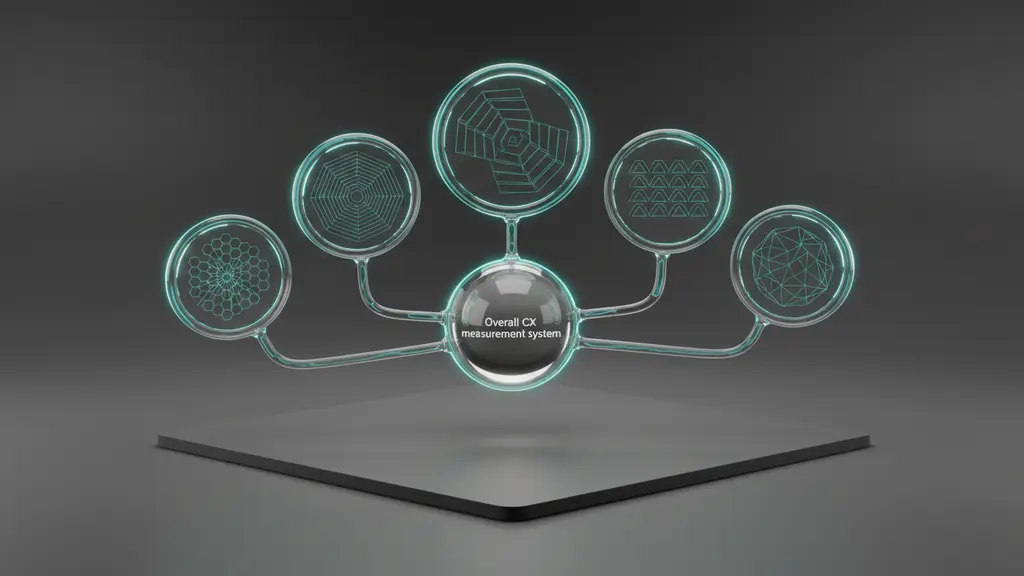
- Customer Experience Design (CX): Focuses on the entire journey—end-to-end brand interactions, across every channel and stage.
- User Experience Design (UX): Concentrates on specific product/service interactions, typically digital, with a focus on usability and delight.
- Service Design: Maps and orchestrates frontstage (customer-facing) and backstage (internal process) elements to ensure the service works seamlessly.
Comparison Table: CX vs UX vs Service Design
| Feature | CX Design | UX Design | Service Design |
| Scope | Full customer journey | Single product/interface | End-to-end service (front & back) |
| Focus | Emotions & perceptions | Usability & interaction | Process & orchestration |
| Typical Touchpoints | Web, stores, emails, support | App screens, websites | People, props, processes |
| Goal | Loyalty, satisfaction, CLV | Task success, efficiency | Consistent delivery, feasibility |
| Role Example | CX Strategist/Designer | UX Designer/Researcher | Service Designer/Manager |
How they complement each other:
- A CX designer ensures a customer’s journey is cohesive and emotionally resonant.
- A UX designer makes each interaction intuitive and frictionless.
- A service designer ensures back-end processes and front-end experiences align to deliver promised outcomes.
Real-world example:
- When a customer orders a product online:
- UX handles the website or app interaction.
- Service design ensures logistics and customer support work smoothly.
- CX design oversees the holistic experience—from ad to delivery to post-purchase support.
Why Invest in Customer Experience Design?
Investing in customer experience design pays off through increased loyalty, higher revenue, and stronger brand reputation. According to Qualtrics’ 2023 CX report, companies with superior CX experience up to 2x greater loyalty and significantly higher Net Promoter Scores (NPS).
Top 3 Business Benefits of Great CX Design:
- Increased Customer Loyalty: Positive experiences lead to repeat business and organic advocacy.
- Revenue Growth: Satisfied customers buy more, stay longer, and are less price-sensitive.
- Enhanced Brand Differentiation: Superior CX sets your brand apart in crowded markets.
CX design delivers psychological value too—customers who feel understood and valued are more emotionally connected, which drives long-term business value.
Example:
Brands like Apple and Zappos are industry benchmarks, consistently ranking high on customer satisfaction indices due to their obsessive focus on end-to-end experience.
What Are the Key Principles of Effective CX Design?
Great customer experience is built on universal, actionable principles. Use these as your guiding framework to ensure every CX project delivers value.
7 Key Principles of CX Design:
- Empathy:
- Understand and design for your customer’s perspective, needs, and emotions.
- Consistency:
- Ensure a seamless experience across all touchpoints and channels.
- Clarity:
- Make every customer interaction clear—no confusion, no surprises.
- Personalization:
- Tailor experiences to individual preferences and behaviors.
- Emotional Resonance:
- Create moments that build positive feelings and deeper connection.
- Omnichannel Presence:
- Provide integrated experiences, online and offline, that feel unified.
- Continuous Feedback:
- Gather, analyze, and act on customer feedback to fuel improvement.
Example:
A retailer ensuring checkout is the same in-store, online, or via mobile is practicing both consistency and omnichannel presence—removing friction and building loyalty.
The Customer Experience Design Process: End-to-End Steps
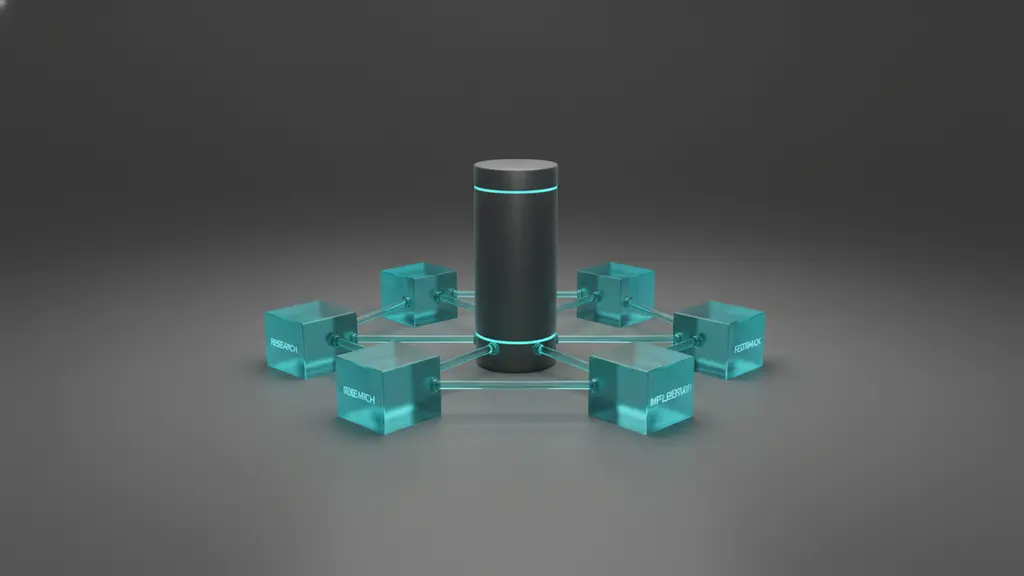
Designing great customer experiences follows a systematic, repeatable process. Here’s a step-by-step playbook for CX design:
CX Design Process Steps:
- Customer Research & Persona Creation
Interview and survey real customers. Build personas capturing key needs, behaviors, and motivations. - Mapping the Customer Journey
Visualize every step a customer takes, from initial awareness to long-term loyalty, across channels. - Identifying Pain Points & Opportunities
Analyze journey maps to pinpoint customer frustrations, gaps, and moments of delight. - Ideation & Solution Design
Brainstorm and prototype new ideas to solve pain points or enhance experiences. - Prototyping & Validation
Test solutions with real customers, gather feedback, and adjust designs before full roll-out. - Implementation Planning
Align teams, resources, and timelines to operationalize CX improvements. - Measurement & Iteration
Launch enhancements, track KPIs (like NPS, CSAT), and continuously refine based on results.
Checklist for each step:
- Use personas and journey maps as your foundation.
- Validate all solutions with live feedback before scaling.
- Set clear KPIs linked to business goals for every CX initiative.
How Do You Map Customer Journeys and Identify Touchpoints?
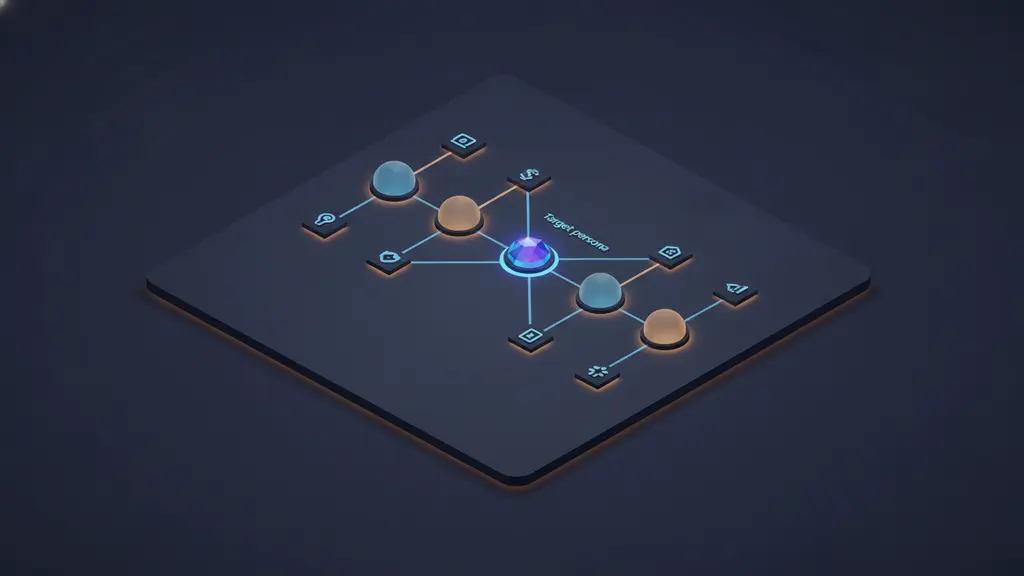
Customer journey mapping visually lays out every stage and interaction in your customer’s relationship with your brand. It reveals where customers get stuck, delighted, or frustrated—so you can design better experiences.
How to Map a Customer Journey:
- Define Your Target Persona:
Focus on a high-priority customer segment. - List Customer Stages:
Typical stages include Awareness, Consideration, Purchase, Onboarding, Support, and Retention. - Identify Touchpoints:
Pinpoint every interaction: website visits, emails, in-store visits, support calls, etc. - Capture Emotions & Pain Points:
For each stage, ask: What does the customer feel? Where do they struggle or succeed? - Visualize as a Map:
Use tools or templates to create a visual journey map—highlighting peaks, valleys, and opportunities for improvement.
Example Journey Map Stages:
- Awareness: Sees ad or hears from a friend
- Consideration: Reads reviews, visits website
- Purchase: Orders product online
- Onboarding: Receives product, first use
- Support: Contacts helpdesk with a question
- Retention: Receives loyalty offer
Tip:
Combine journey mapping with empathy mapping to layer in emotional insights at every step.
What Are the Best Tools and Templates for CX Design?
The right CX design tools help teams collaborate, visualize, and deliver consistent experiences faster.
Top CX Design Tools (2024):
| Tool | Use Case | Type | Free/Paid |
| Miro | Journey/empathy maps | Cloud | Free/Paid |
| Smaply | Journey mapping | Cloud | Free trial/Paid |
| Qualtrics | Feedback, NPS, CX Analytics | Cloud | Paid |
| Lucidchart | Process diagrams, journey maps | Cloud | Free trial/Paid |
| UXPressia | Journey mapping | Cloud | Free/Paid |
Templates to Download or Create:
- Customer Journey Map Template
- Persona Worksheet
- Empathy Map Canvas
Additional Resources:
- Open-source templates (e.g., from the Interaction Design Foundation)
- Vendor resource hubs (e.g., Qualtrics, Miro communities)
Tip:
Start with free tools, then scale to paid solutions as your needs grow.
How Is Customer Experience Measured? Metrics & KPIs
You can’t improve what you can’t measure. Tracking CX metrics and KPIs ensures your initiatives drive real impact.
Key CX Metrics & Definitions:
- Net Promoter Score (NPS):
Measures loyalty by asking: “How likely are you to recommend us?” (Score 0–10) - Customer Satisfaction Score (CSAT):
Surveys post-interaction happiness, typically on a 1–5 scale. - Customer Effort Score (CES):
Assesses how easy it was for the customer to complete a task. - Customer Lifetime Value (CLV):
Projects total revenue from a customer over their relationship. - Churn Rate:
Tracks the percentage of customers who stop using your product/service over time.
CX Measurement Checklist:
- Set benchmarks for each metric before launching CX projects.
- Use digital tools (like Qualtrics) to automate feedback collection.
- Link CX metrics to business outcomes (retention, upsell, advocacy).
Example:
Improving NPS by just 7 points can correlate with double-digit revenue growth, according to industry studies.
How Can Organizations Implement CX Design Successfully?
Embedding CX design requires more than a great process—it demands buy-in, ownership, and cross-functional collaboration.
Essential Steps for Organizational CX Success:
- Assign Clear Ownership:
Decide who leads CX (often a CX Manager or dedicated cross-functional team). - Build Cross-Functional Teams:
Involve marketing, product, customer support, and IT to break down silos. - Secure Leadership Buy-in:
Make customer experience a board-level priority, linking it to key company goals. - Address Silos & Culture:
Facilitate regular touchpoint meetings and shared KPIs. - Embed CX in Workflows:
Integrate customer insights and experience mapping into all major projects. - Establish Feedback Loops:
Collect, share, and act on customer feedback organization-wide.
Case Study:
A B2B SaaS company rolled out company-wide journey mapping workshops, aligned targets around NPS improvement, and saw support tickets drop 25% within a quarter.
Organizational Alignment Checklist:
- CX owner identified and empowered
- Cross-team representation in CX design
- Regular CX reviews and feedback loops in place
What Does a CX Designer (or Team) Do? Roles, Skills, and Careers
The rise of CX design has created new career opportunities and team structures across industries.
What Does a CX Designer Do?
– Map customer journeys, create personas, and orchestrate improvements.
– Facilitate workshops involving multiple teams.
– Analyze feedback, define KPIs, and communicate insights to leadership.
Key Roles and Comparisons:
| Role | Focus | Key Skills |
| CX Designer | End-to-end customer journey | Research, facilitation, data |
| UX Designer | Product/interface usability | Wireframing, prototyping |
| Service Designer | Orchestrating process + touchpoints | Blueprinting, systems thinking |
Essential Skills for CX Designers:
- Empathy and customer research
- Journey mapping and facilitation
- Data analysis and KPI setting
- Cross-functional communication
- Ability to drive change across teams
Career Pathways:
– Entry via UX, service design, or customer success
– Senior roles include CX Lead, Head of Customer Experience, or Chief Experience Officer
Examples and Case Studies: What Great Customer Experience Design Looks Like
Seeing CX design in action brings the playbook to life.
Case Study 1: Apple
Apple’s legendary in-store experience—personalized support (Genius Bar), seamless product demos, and effortless integration between in-store and digital—demonstrates omnichannel consistency and emotional resonance. This approach helps Apple maintain industry-leading NPS scores.
Case Study 2: Zappos
Zappos empowers every frontline employee to resolve issues, leading to “surprise and delight” moments such as overnight shipping upgrades or proactive returns handling. Consistently high CSAT and strong customer advocacy reflect the company’s relentless focus on empathy and empowerment.
Case Study 3: B2B SaaS Leader (2024)
A leading SaaS provider reimagined onboarding by journey mapping the post-signup process. Automated tutorials, in-app help, and proactive support emails reduced onboarding time by 30% and increased user retention rates, as confirmed by internal metrics.
Lessons Learned:
- Customer-centric culture is non-negotiable.
- Empowered teams and consistent processes deliver repeatable results.
- Regular measurement and iteration drive ongoing CX excellence.
What Are Common Mistakes in CX Design—and How Can You Avoid Them?
Even mature organizations fall into recurring CX pitfalls. Here’s how to spot and fix the most common issues.
Top 7 CX Design Mistakes—and How to Fix Them:
- Ignoring Customer Feedback
Fix: Implement continuous feedback loops and real-time surveys. - Siloed Ownership of CX
Fix: Designate cross-functional CX champions and regular coordination. - Lack of Clear Measurement
Fix: Set and track relevant KPIs from the start. - Incomplete Journey Mapping
Fix: Map journeys end-to-end, including after-sales and support. - Inconsistent Experiences Across Channels
Fix: Audit and align touchpoints, update processes to ensure uniformity. - Focusing Only on Digital or Physical Touchpoints
Fix: Embrace omnichannel mapping, considering every interaction. - Failure to Act on Insight
Fix: Create clear processes for turning feedback into real improvements.
Self-Assessment Checklist:
- Do we have up-to-date journey maps?
- Are we tracking key CX metrics?
- Is CX discussed at leadership meetings?
- Can any employee raise or act on a CX issue?
Recap: CX Design Playbook Key Takeaways
| Area | Key Principle / Step | Example / Tool | Metric / Result |
| Definition | Design every customer interaction | Journey Map, Persona | NPS, CSAT |
| Process | 7-step CX design process | Checklist, Templates | Increased loyalty |
| Principles | Empathy, Consistency, Feedback | Empathy Map, Surveys | Higher retention |
| Tools | Miro, Smaply, Qualtrics | Journey Maps, Analytics | Actionable insights |
| Implementation | Assign ownership, cross-team buy-in | Org Alignment Checklist | Fewer silos |
| Measurement | Track NPS, CSAT, CLV, Churn | Feedback Tools, Dashboards | Continuous improvement |
If you remember nothing else:
- CX design is a holistic, repeatable process.
- Map real customer journeys and pain points.
- Track and act on key metrics.
- Alignment across teams is critical for success.
- Continuous feedback distinguishes good CX from great.
Conclusion
Customer experience design is now a business imperative—customer expectations won’t wait, and neither will your competitors. You now have the frameworks, steps, principles, and tools to start redesigning your customer journeys for maximum impact.
Key Takeaways
- Customer experience design shapes every touchpoint your customers have with your brand, driving satisfaction and loyalty.
- Effective CX design requires empathy, consistency, clear processes, and actionable measurement.
- Mapping real journeys and acting on customer feedback are non-negotiable for CX success.
- The right tools and frameworks streamline collaboration, measurement, and continuous improvement.
- Cross-team alignment and cultural buy-in turn theory into transformative results.
Frequently Asked Questions
What is customer experience design?
Customer experience design is the strategic practice of optimizing every interaction a customer has with a brand to deliver seamless, positive journeys and build long-term loyalty.
How is customer experience design different from UX design?
CX design covers the end-to-end customer journey (all channels and stages), while UX design focuses on how users interact with a specific product or service, usually in digital channels.
What are the main steps in the CX design process?
The main steps are: customer research & personas, journey mapping, pain point identification, ideation, prototyping, implementation, and measurement/iteration.
How do you measure the success of customer experience design?
Success is measured using metrics like Net Promoter Score (NPS), Customer Satisfaction Score (CSAT), Customer Effort Score (CES), Customer Lifetime Value (CLV), and churn rate.
Who is responsible for CX design in a company?
While a dedicated CX team or leader usually owns CX design, successful CX requires collaboration and accountability across marketing, product, and customer-facing teams.
What tools should I use for CX design?
Popular tools include Miro, Smaply, Qualtrics, Lucidchart, and UXPressia for journey mapping, persona development, and feedback tracking.
What are common mistakes in CX design?
Top mistakes include neglecting customer feedback, inconsistent experiences, lack of measurement, siloed ownership, and incomplete journey mapping.
How do you create a customer journey map?
Define the target persona, outline each stage of their journey, identify touchpoints and emotions, and visualize it using mapping tools or templates.
Can you give examples of successful CX design?
Notable examples include Apple’s omnichannel experiences, Zappos’ empowered support culture, and SaaS companies’ simplified onboarding processes.
What are the most important principles for great CX?
Build on empathy, consistency, clarity, personalization, emotional resonance, omnichannel presence, and continuous feedback to deliver standout customer experiences.
This page was last edited on 17 February 2026, at 9:58 am
Contact Us Now

Contact Us Now
Start a conversation with our team to solve complex challenges and move forward with confidence.


