

Blockchain app development is revolutionizing how organizations approach transparency, security, and efficiency in digital solutions. Yet, the path from blockchain concept to live application is complex, marked by rapid technological change, regulatory demands, and high-stakes security risks.
This guide breaks down blockchain application development into clear, actionable steps, demystifies critical concepts (like dApps, smart contracts, and compliance), and provides expert-backed frameworks and resources to help you avoid pitfalls and make confident decisions.
By following this step-by-step guide, you’ll learn how to plan, build, and launch a secure, future-ready blockchain app—complete with practical checklists, platform comparisons, budget insights, and emerging trends for 2026 and beyond.
The end-to-end process of designing, building, securing, and deploying decentralized or blockchain-based digital applications, often leveraging technologies like smart contracts and distributed ledgers.
What Is a Blockchain App?
A blockchain app is a digital application that uses blockchain technology to store, process, or validate data through cryptographic, decentralized methods.
- Blockchain Application (“blockchain app”):
- Built to leverage distributed ledger technology for immutability, security, and transparency.
- Can be fully decentralized (dApp) or combine centralized and decentralized features.
- Decentralized Application (“dApp”):
- Runs on a peer-to-peer blockchain network (usually public chains like Ethereum).
- Uses smart contracts—self-executing code with rules visible and verifiable by all.
- No central ownership; governance is usually handled by the community.
- How They Differ From Classic Apps:
- Traditional Apps: Hosted, operated, and updated by single entities. Data is stored centrally.
- Blockchain Apps/dApps: Data and logic are distributed, with trust anchored in cryptographic protocols instead of a single owner.
Key Components of Blockchain Apps:
- Decentralization: No single point of control or failure; data is replicated across network nodes.
- Smart Contracts: Automated, transparent rules for executing business logic.
- Public vs. Private Blockchains: Public chains are open and permissionless (Ethereum, Solana), while private ones restrict participation (Hyperledger, Corda).
| Feature | Traditional App | Blockchain App | dApp |
| Control | Centralized | Centralized or Hybrid | Decentralized |
| Data Storage | Central server | Distributed ledger | Distributed ledger |
| Key Logic | Server-side scripts | Mix of server & smart contract | Smart contracts only |
| Examples | Online banking, SaaS | KYC solution on Corda | Uniswap, OpenSea |
What Are the Top Use Cases and Industries for Blockchain Apps?
Blockchain app development is actively transforming several industries by addressing core problems like transparency, security, and process efficiency.
Top Blockchain App Use Cases:
- Supply Chain Management: Track asset provenance and reduce fraud (e.g., food safety, pharmaceuticals).
- Finance & DeFi: Enable decentralized exchanges, payments, lending, or stablecoins.
- Healthcare: Secure patient records, streamline consent, and facilitate data sharing.
- Identity & Authentication: Boost security, prevent fraud, and ease KYC/AML compliance.
- Tokenization: Turn physical/digital assets (real estate, art, IP) into blockchain tokens for easier trading or financing.
- Voting & Governance: Transparent, tamper-resistant voting or governance systems.
- Gaming & NFTs: Enable playable economies, unique in-game assets, and secondary markets.
Industry Adoption Table:
| Industry | Example Use Case | Value Delivered |
| Supply Chain | Product provenance, recalls | Anti-counterfeiting, transparency |
| Financial | DeFi lending platform, payments | Reduced intermediaries, 24/7 ops |
| Healthcare | Patient data exchange | Data privacy, compliance |
| Government | Digital IDs, land registry | Fraud reduction, cost savings |
| Media & IP | Royalty tracking, NFTs | Rights management, creator fairness |
Mini Case Example:
A food company leverages blockchain to trace every step of its supply chain, reducing recall costs and increasing consumer trust by making every transaction visible from farm to table.
How Do Blockchain Apps Work?
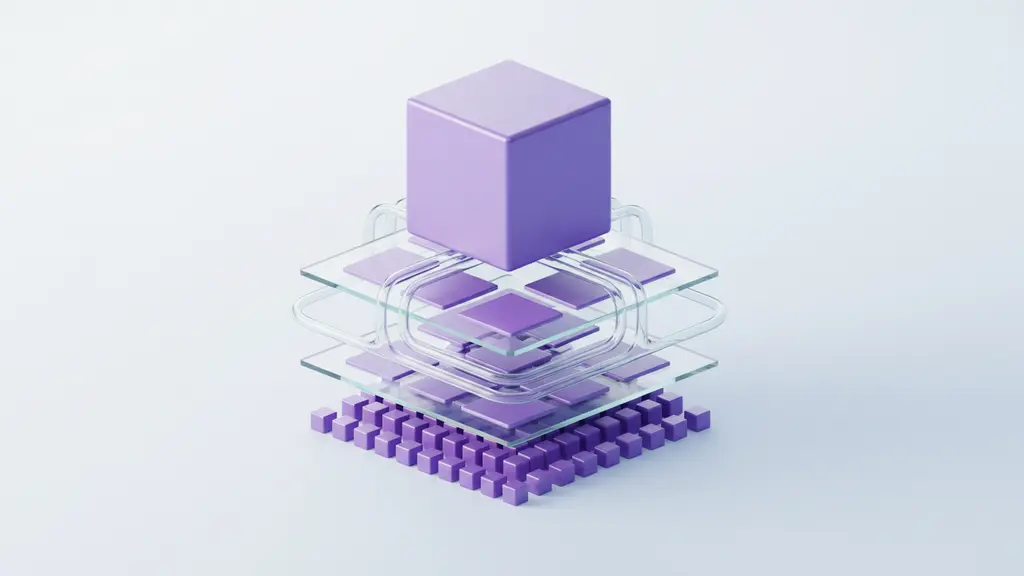
Blockchain apps operate by distributing data and application logic across a cryptographically secured, peer-to-peer network where no single party has overriding control.
- Distributed Ledger Basics:
Information is recorded across many nodes. Each new transaction is validated by consensus and committed immutably to the chain. - On-Chain vs Off-Chain Logic:
- On-chain logic is executed and stored directly on the blockchain (such as via smart contracts).
- Off-chain logic handles tasks unsuitable for blockchain, like heavy data processing, and connects to the chain through secure APIs.
- Consensus Mechanisms:
Blockchain networks use algorithms like Proof of Work (PoW), Proof of Stake (PoS), or newer methods (Delegated PoS, Practical Byzantine Fault Tolerance) to agree on the state of data without a central authority.
Architecture Overview:
- User Interface (UI): Web/mobile frontends communicate via wallets and APIs.
- API Layer: Bridges frontend with back-end and the blockchain.
- Smart Contracts: Host rules, logic, and automation; processes are transparent and tamper-resistant.
- Blockchain Network: Manages state, identity, and transactions; enforced by consensus.
What Are the Steps to Develop a Blockchain App? (Step-by-Step Process)
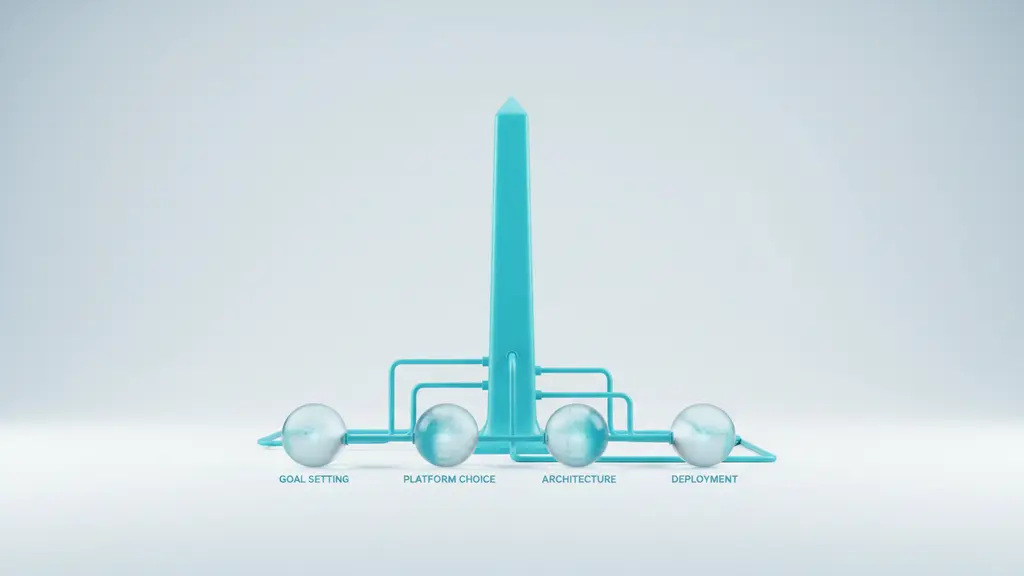
Developing a blockchain app involves a structured, iterative process from idea validation to live deployment and beyond. Below is a proven, expert-endorsed sequence to maximize project success:
1. Define Project Goals & Requirements
Start with a clear problem definition. Identify the target audience, value proposition, and any regulatory or compliance needs your app must meet.
- Write a problem statement.
- Determine if blockchain is essential or just “nice to have.”
- Map industry-specific compliance (GDPR, HIPAA, etc.).
2. Select the Right Blockchain Platform
Choose a blockchain platform based on business requirements, scalability, transaction costs, and the ecosystem.
- Public Platforms: Ethereum, Solana, Avalanche (for open, permissionless dApps).
- Private/Consortium Platforms: Hyperledger Fabric, Corda (for enterprise, compliance-driven needs).
- Factor in platform maturity, developer support, and tooling.
3. Design Architecture (On-Chain vs Off-Chain, UI/UX)
Plan both backend architecture and user experience. Decide which logic lives on-chain (for transparency) and what should stay off-chain (for speed, privacy, or cost).
- Develop process diagrams and user flows.
- Integrate digital wallet onboarding and KYC (if needed).
- Ensure a seamless, secure UX.
4. Develop Smart Contracts & Backend
Write and deploy smart contracts to automate processes. Select appropriate languages (e.g., Solidity for Ethereum, Rust for Solana) and code for resilience.
- Break down contract logic into testable units.
- Follow secure coding standards.
- Use established frameworks and libraries.
5. Integrate Frontend and Services
Connect your app’s user interface with blockchain smart contracts and backend services through APIs and SDKs.
- Test wallet integration (MetaMask, WalletConnect, etc.).
- Enable interoperability between systems (if needed).
6. Test and Audit (QA, Security)
Before going live, rigorously test all components and conduct professional security audits.
- Use testnets for end-to-end testing.
- Engage third-party auditors for smart contract review.
- Launch bug bounty programs to crowdsource vulnerability detection.
7. Deploy, Monitor, and Maintain
Launch on mainnet/platform after successful QA. Establish monitoring, logging, and update policies for ongoing improvement.
- Monitor smart contract interactions and system health.
- Prepare contingency plans for contract upgradability or emergency shutdowns.
How to Choose the Best Blockchain Tech Stack and Platform
Selecting the right blockchain tech stack is crucial for cost, scalability, and long-term viability. The ideal choice aligns with business needs, technical requirements, and developer ecosystem strength.
Key Decision Factors:
- Public vs. Private: Use public blockchains for open applications (DeFi, NFTs), and private ones for enterprise use cases (logistics, finance).
- Scalability & Throughput: High-volume apps require platforms with fast consensus and low fees.
- Ecosystem Support: Platforms with robust communities and tooling accelerate development.
Top Blockchain Platforms in 2026:
| Platform | Type | Pros | Cons |
| Ethereum | Public | Largest ecosystem, DeFi, NFT hub | High fees, scaling limits |
| Hyperledger | Private | Modular, enterprise-ready | Smaller public ecosystem |
| Solana | Public | Fast, low transaction costs | Less mature, past downtime issues |
| Corda | Private | Regulator-friendly, privacy focus | Fewer general-purpose dApps |
| Polygon | Public | Ethereum-compatible, scalability | Layer-2 dependency |
Programming Languages:
- Solidity (Ethereum, Polygon)
- Rust (Solana, NEAR)
- Go, Java (Hyperledger)
- Python, JavaScript (integration, off-chain logic)
SDKs/Dev Tools:
- Truffle, Hardhat (Ethereum dev)
- Anchor (Solana)
- Hyperledger Composer (Fabric)
- MetaMask, Web3.js, Ethers.js
How Do You Secure a Blockchain App? (Security Best Practices for 2026)
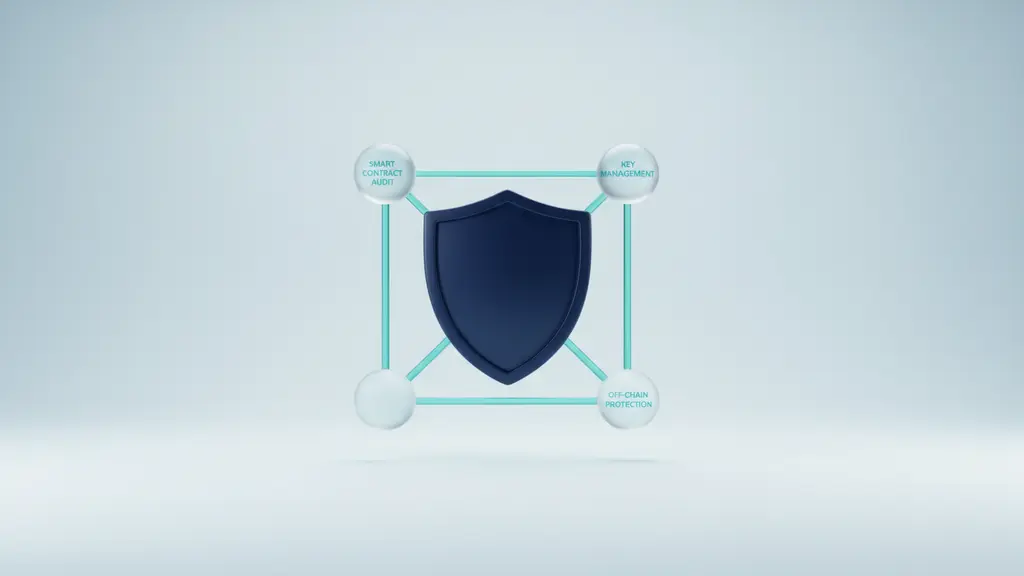
Securing a blockchain app requires end-to-end diligence, covering smart contracts, infrastructure, and user safeguards.
Top Security Risks (2026):
- Smart contract bugs/exploits (reentrancy, overflow/underflow, logic errors).
- Insecure key management or wallet integration.
- Oracle/man-in-the-middle attacks for off-chain connections.
Blockchain Security Checklist:
- Conduct independent smart contract audits pre-launch.
- Apply least-privilege principles to all contract functions.
- Encrypt sensitive data and apply secure key storage.
- Use up-to-date SDKs with known vulnerability fixes.
- Run penetration testing routines on all public endpoints.
- Launch a bug bounty campaign for continuous review.
What Compliance, Privacy, and Regulatory Requirements Apply?
Staying compliant with privacy and data regulations is essential for blockchain app development, especially as global scrutiny increases.
Key Considerations:
- GDPR (Europe): Rules on personal data storage, right to erasure (difficult on immutable ledgers).
- HIPAA (US, Healthcare): Patient data privacy and access restrictions.
- FINRA/SEC (US, Financial): Financial disclosure and anti-money laundering (AML).
- Enterprise Governance: Define data management processes and off-chain storage to align with enterprise compliance.
Blockchain Privacy & Compliance Checklist:
- Limit personal data on-chain; use off-chain for sensitive elements.
- Implement robust KYC/AML flows if handling financial data.
- Maintain audit trails for compliance reporting.
- Stay updated with jurisdiction-specific blockchain regulations.
What Does Blockchain App Development Cost? (Budgeting & Timeline Breakdown)
Blockchain app development costs vary based on complexity, platform choice, and resourcing strategy. Transparent budgeting prevents overruns and aligns expectations.
Typical Cost Ranges (2026):
| Project Type | Cost Range (USD) | Timeline |
| MVP/Prototype | $20,000 – $60,000 | 2–4 months |
| Full-featured dApp | $80,000 – $180,000 | 4–8 months |
| Enterprise-grade Platform | $200,000+ | 8–18 months |
– DIY/In-house: Lower direct costs but requires experienced blockchain talent and longer ramp-up.
– Blockchain Agency/Consultant: Higher upfront investment but de-risks security, compliance, and timeline overruns.
– RFP Tips: Clearly define scope, platform, and compliance needs. Compare vendor case studies.
Budgeting Calculator Example:
Estimate cost = Dev hours × Average hourly rate + Security audit fee + Platform costs + Maintenance
What Are the Latest Trends and Future Directions in Blockchain App Development?
In 2026 and beyond, blockchain app development is shaped by new protocols, interoperability, and regulatory changes.
Top Trends:
- Zero-Knowledge Proofs (ZKPs): Enhanced privacy and compliance while keeping transactions verifiable.
- Interoperability & Cross-Chain: Growth of multi-chain apps connecting data/value across blockchains (e.g., Cosmos, Polkadot solutions).
- AI Integration: Automated smart contract management, anomaly detection, and more intelligent dApp workflows.
- Regulatory Evolution: Governments continue to define frameworks for digital assets, DeFi, and stablecoins, affecting how apps are built and operated.
Trend Bullets:
- Privacy-first architectures (with ZKPs)
- Multi-chain and cross-platform launches
- “Composable” finance and app modules
- AI-driven compliance and automation tools
What Mistakes Should You Avoid? (Common Pitfalls & How to Prevent Them)
Despite its promise, blockchain app development has unique challenges. Knowing common pitfalls and how to avoid them is essential for every project lead.
Common Mistakes:
- Poor Architecture: Skipping modular, upgradable smart contracts leads to expensive rewrites.
- Neglecting Security Audits: Most blockchain hacks are due to unvetted code.
- Ignoring Compliance Early: Retrofitting regulation is costly and may block launches entirely.
- Platform Lock-In: Choosing a platform without adequate research ties you to its limitations.
- Scope Creep: Overly ambitious features delay delivery and bloat costs.
Checklist: What to Avoid
- Launching without third-party code audits
- Storing private user data on-chain unnecessarily
- Failing to plan for upgrades or forks
- Over-engineering at MVP stage
Frequently Asked Questions (FAQ)
What is a blockchain app?
A blockchain app is a digital application that leverages blockchain technology to manage data in a decentralized, transparent, and often tamper-proof way.
How do I develop a blockchain application step by step?
Begin by defining your business goals, select a suitable blockchain platform, design the architecture, develop smart contracts and backend, integrate frontend services, test and audit, then deploy and maintain your app.
What is the best blockchain platform for app development?
The right platform depends on your project needs. Ethereum and Solana excel for public dApps, while Hyperledger and Corda suit private, enterprise settings.
How much does blockchain app development cost?
According to 2026 benchmarks, costs range from $20,000 for MVPs to $200,000+ for complex enterprise solutions, depending on features, team, and compliance needs.
What is the difference between a blockchain app and a dApp?
A dApp is a fully decentralized blockchain app that runs entirely on-chain without any central authority, whereas a blockchain app may use a hybrid of centralized and decentralized components.
What are the biggest challenges in blockchain app development?
Major challenges include security vulnerabilities, compliance with evolving regulations, selecting the right platform, and balancing on-chain/off-chain architecture.
How do you secure a blockchain application?
By following secure software practices, conducting independent audits, encrypting data, implementing strong key management, and continuously monitoring for threats.
Which programming languages are used in blockchain app development?
Popular choices: Solidity (Ethereum), Rust (Solana), Go/Java (Hyperledger), with Python and JavaScript for integration and frontend.
How long does it take to build a blockchain application?
Timelines vary: MVPs may take 2–4 months, while full-scale projects often span 6–12 months or more.
How to choose the right tech stack for blockchain app development?
Assess app requirements, platform strengths, compliance needs, developer availability, and tooling before making a selection; use comparison tables for clarity.
Conclusion
Blockchain application development offers transformative potential—but only if you follow a structured, security-first approach, align technology with business goals, and anticipate regulatory shifts. This guide set out the major steps, decisions, tools, and trends you need to launch secure, scalable blockchain apps for 2026 and beyond.
Key Takeaways
- Blockchain apps leverage decentralized technology for enhanced trust, security, and transparency.
- Successful projects follow a stepwise process: from goal-setting and platform selection to security audits and deployment.
- Platform, language, and tooling choices impact cost, speed, and compliance outlook.
- Security, compliance, and regular audits are mission-critical throughout the blockchain app development process.
- Emerging trends—like ZKPs and AI—are reshaping the blockchain application landscape for 2026 and beyond.
This page was last edited on 4 March 2026, at 9:59 am
Contact Us Now

Contact Us Now
Start a conversation with our team to solve complex challenges and move forward with confidence.


