AI software development myths are rapidly spreading as artificial intelligence reshapes how software is built, tested, and deployed. Many developers and tech leaders wonder: Will AI make certain skills obsolete? Is AI truly as powerful—or as risky—as headlines suggest?
Believing the wrong AI software development myths can damage careers, lead to poor business decisions, and slow team growth. This article cuts through the noise with clear, expert-backed myth-busting. Whether you write code or lead engineering teams, you’ll gain the clarity needed to make smart, future-proof decisions about AI in modern software development.
Read on to separate fact from fiction, debunk the most persistent myths, and learn how to use AI tools confidently and effectively.
What Is AI in Software Development?
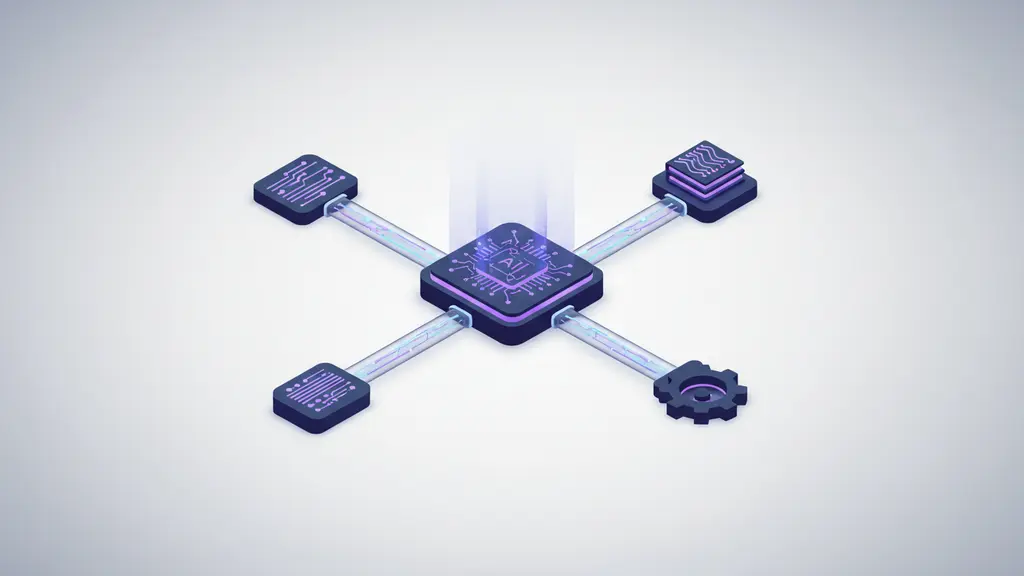
AI in software development uses artificial intelligence—including machine learning and generative algorithms—to assist, automate, or enhance stages of the software development lifecycle (SDLC).
- Artificial Intelligence (AI): Technology enabling computers to perform tasks typically requiring human intelligence, such as reasoning and learning.
- Generative AI: Algorithms capable of creating new content—such as code suggestions, documentation, or tests—from input data or prompts.
- Large Language Models (LLMs): AI systems (like ChatGPT) trained on massive text datasets to understand and generate language, including code.
- AI Coding Tools (e.g., GitHub Copilot, Amazon Q, ChatGPT): Software products that use AI to suggest, generate, refactor, or review code.
- Software Development Lifecycle (SDLC): All stages of building software—from planning and design to coding, testing, and maintenance.
AI now plays roles in automating repetitive code, assisting with documentation, generating tests, and even helping debug or review code. For example, GitHub Copilot suggests code snippets as you type, while LLMs answer coding questions or generate scripts based on prompts.
In short, AI in software development is about augmenting—not replacing—human creativity and problem-solving across every stage of building software.
The 8 Most Common AI Software Development Myths—And the Facts
Misconceptions about AI in coding cloud team judgment and slow smart adoption. Here’s what’s myth and what’s fact—plus why each matters.
Myth 1: Will AI Replace Software Developers?
Summary: AI will not replace human software developers; it automates certain tasks but cannot replicate critical thinking, creativity, or deep contextual understanding.
Fact: AI is increasingly automating repetitive or predictable aspects of programming, such as code generation or test writing. However, software development demands creativity, complex problem-solving, and deep domain context—areas where AI still falls short. According to the 2024 Stack Overflow Developer Survey, over 70% of developers believe AI will transform rather than replace their roles.
Why It Matters: Believing this myth can lead to anxiety, poor upskilling choices, or the illusion that coding is becoming “obsolete.” Instead, the most valuable developers are learning to leverage AI as a collaborator to boost productivity and focus on high-impact work.
Myth 2: Does AI Automatically Generate Perfect or Bug-Free Code?
Summary: AI-generated code is not flawless and requires careful human review, testing, and maintenance.
Fact: While modern AI tools like Copilot can quickly suggest code, they routinely make mistakes, misunderstand context, or generate insecure patterns. Research published in California Management Review found that code produced by LLMs often contains syntax or logic errors—especially in complex scenarios. Human oversight remains essential to identify bugs, ensure reliability, and maintain software quality.
Why It Matters: Trusting AI-generated code blindly can introduce bugs or security flaws, raising project risk and technical debt. Effective teams treat AI suggestions like any other code: subject to peer review, testing, and iterative improvement.
Myth 3: Are Junior Developers Becoming Obsolete Because of AI?
Summary: AI does not make junior developers irrelevant; foundational coding skills, logic, and critical thinking remain vital and are in high demand.
Fact: Junior developers are still needed for their adaptability, foundational knowledge, and long-term growth potential. AI tools can accelerate learning for new engineers by offering instant feedback and resources. However, over-reliance may hinder the depth of understanding required for future senior roles. Most teams continue to hire entry-level developers, viewing AI as a mentorship and productivity enhancer, not a substitute.
Why It Matters: If teams or learners internalize this myth, it can lead to skill atrophy and undervaluing of essential early-career roles. Successful organizations foster learning environments where juniors leverage AI to build stronger, not weaker, foundations.
Myth 4: Is AI in Software Development Fully Autonomous?
Summary: Current AI tools are not fully autonomous; they operate best with ongoing human oversight and guidance.
Fact: AI in software engineering remains a tool—not an agent. While some tasks (e.g., test case generation) can be partially automated, effective output consistently relies on careful prompt crafting, context setup, and result validation by humans. Real-world cases show that letting AI operate unchecked—such as fully autonomous code merges—often leads to critical errors.
Why It Matters: Accepting the autonomy myth can lead to governance gaps and unexpected failures. Sustainable AI adoption calls for clear checkpoints and shared accountability between humans and machines.
Myth 5: Is AI Only Accessible or Useful for Large Tech Companies?
Summary: Modern AI tools are available and cost-effective for organizations of all sizes—including startups and SMBs.
Fact: Many leading AI-powered development tools, such as GitHub Copilot or ChatGPT, offer affordable pricing tiers and free versions for individuals or small teams. Open-source alternatives also empower smaller organizations to experiment without large upfront costs. Case studies from platforms like Flatlogic illustrate successful AI adoption among small startups and consultancy teams.
Why It Matters: This myth can deter SMBs from reaping AI’s productivity or innovation benefits, unnecessarily widening the gap with larger competitors. Early, thoughtful adoption levels the playing field.
Myth 6: Does AI Always Improve Developer Productivity?
Summary: AI can boost productivity, but context matters; it may introduce learning curves or inefficiencies in some scenarios.
Fact: Evidence from developer surveys and enterprise case studies shows mixed results—while AI can reduce rote work and speed up familiar tasks, it may slow teams during onboarding or when suggestions are irrelevant or incorrect. Productivity gains depend on the match between AI tool, developer skill, and project complexity. The 2024 Stack Overflow survey highlights that ~60% of experienced users report time savings, while ~30% need extra time for validation or corrections initially.
Why It Matters: Overhyping productivity causes frustration or skepticism if benefits are not immediate. Teams should plan for a gradual ramp-up and track actual ROI over hype.
Myth 7: Can AI Replace Human Creativity and Context Understanding?
Summary: Even the most advanced AI lacks true creativity and deep project insight, limiting its problem-solving capacity.
Fact: LLMs and generative AI excel at replication and pattern-matching, but struggle with innovative solutions, nuanced trade-offs, or shifting business logic. Case studies show AI suggesting plausible but contextually incorrect code when asked to implement unique features or adhere to complex constraints. Human engineers blend experience, domain intuition, and empathy—areas that remain out of AI’s reach.
Why It Matters: Relying on AI for “creative” solutions risks missing better alternatives and can result in non-unique, less competitive products. Human guidance ensures differentiation and real-world relevance.
Myth 8: Is AI-Powered Coding a Major Security or Privacy Risk?
Summary: AI-powered coding tools introduce new risks, but also offer real benefits for security and quality when used properly.
Fact: While AI can inadvertently introduce “hallucinations” or insecure code, modern tools increasingly help detect vulnerabilities and enforce best practices. AI can flag common security flaws and suggest test coverage, complementing human review. The main risks arise when users over-trust outputs without critical oversight or skip established secure development workflows.
Why It Matters: Organizations should combine AI tools with robust code review, secure coding standards, and security education to maximize benefits while mitigating risks.
Why Do AI Myths Persist? (Psychology, Media, & Workflow Roots)
AI myths persist due to media hype, cognitive bias, and workplace communication gaps, making it hard for teams to separate fact from fiction.
- Media Hype: Headlines often exaggerate both AI’s capabilities (“AI replaces coders”) and dangers, overshadowing nuanced realities.
- Automation Bias: Developers may instinctively trust or distrust AI outputs based on emotion rather than evidence, sometimes over-delegating or ignoring valuable suggestions.
- Cognitive Factors: Anxiety about skill obsolescence and fear of change drive persistent misconceptions.
- Workflow Echo Chambers: Myths tend to spread within teams when communication is limited or feedback loops are weak, reinforcing incorrect beliefs.
Recognizing these myths’ roots helps teams foster informed conversations and build healthier, more adaptive workflows.
What Does the Latest Research Actually Show? (Data & Evidence)
Leading studies and surveys debunk many of the persistent myths about AI in software development, showing a more balanced reality.
Key Data Table: Myth vs. Fact—2024–2025 Survey Insights
| Myth | Survey/Research Finding |
| AI is replacing developers | 70%+ say roles will transform, not disappear (Stack Overflow 2024) |
| AI writes perfect code | LLM code has similar or higher rates of basic bugs as human code (CMR 2024) |
| Juniors are obsolete | 80% of teams still prioritize junior hiring (Stack Overflow 2024) |
| AI is fully autonomous | Human oversight required in >95% of use cases (CMR/meta-analyses) |
| Only large orgs can afford AI | SMBs report ROI using free/low-cost AI tools (Flatlogic, 2024 caselets) |
| AI always boosts productivity | 60% report improvements; 30% see learning curve slowdowns (SO Survey 2024) |
| AI introduces only new risks | AI helps flag vulnerabilities in 50%+ of reviewed projects (peer studies) |
Visual research summary—such as prevalence-vs-reality bar charts—further underscores these patterns, clarifying where the hype ends and real gains (or challenges) begin.
Where Do AI Tools Help Most—and Where Do They Still Struggle?
AI tools are most effective for routine coding, documentation, and test generation, but struggle with complex design, deep context, and high-level architecture.
AI Excels At:
- Generating scaffolding or boilerplate code
- Auto-completing common code patterns and snippets
- Suggesting unit tests or documentation outlines
- Refactoring legacy code for basic improvements
AI Falls Short On:
- Designing novel system architectures
- Implementing business-specific logic or requirements
- Understanding cross-cutting concerns (e.g., security, compliance nuances)
- Navigating incomplete, ambiguous, or rapidly changing project contexts
Examples:
- Success: A team uses Copilot to generate repetitive CRUD APIs, freeing up engineers for architecture work.
- Failure: An AI tool generates an incorrect payment logic flow because it cannot interpret unique compliance constraints.
Teams that identify the right use cases for AI—and maintain human review in critical paths—get the best results.
Human-AI Collaboration: Myths, Best Practices, and Pitfalls

Effective human-AI collaboration unlocks speed and quality gains; miscalibration or over-trust quickly erodes value.
Best Practices:
- Keep a Human in the Loop: Always review AI suggestions and validate outputs against requirements.
- Use AI as Pair Programmer: Treat AI suggestions like those from a human partner—valuable for brainstorming, but not infallible.
- Document AI Contributions: Track which parts of code were AI-generated, easing future maintenance and compliance.
- Calibrate Trust: Build guidelines for when to accept, modify, or reject AI inputs.
Common Pitfalls to Avoid:
- Over-relying on AI and skipping review steps
- Ignoring onboarding or training time for new tools
- Failing to explain or justify AI-generated decisions to stakeholders
Checklist: Collaborate Smarter With AI
- Always peer-review AI-generated code
- Set clear criteria for when AI can be used (and when not)
- Train teams on prompt engineering and tool-specific quirks
- Encourage open discussion when AI outputs seem “off”
Smart teams view AI as a force multiplier—not an autopilot.
The Organizational View: Productivity Gains, Risk, and Human Roles
From a management perspective, AI adoption promises improved productivity, but comes with new risks and requires balanced investment in both technology and people.
What the Data Says:
- Productivity: Carefully-adopted AI tools increase team productivity, mainly by automating routine code or test generation.
- Risk Management: Main risks include data leakage, bias amplification, and development of insecure code if oversight lapses.
- Invest in Skills: Upskilling developers—not replacing them—yields the largest ROI, as they can harness AI for more creative or complex work.
Policy Recommendations:
- Establish clear AI usage guidelines and security review steps.
- Require documentation of AI-assisted decisions for compliance.
- Invest in ongoing team training and open conversations about AI’s impact.
- Set up regular review cycles to assess the real impact of AI tools on productivity and risk.
Balancing technology investment with human upskilling ensures sustainable value from AI in software development.
FAQ About AI Myths in Software Development
What are some common AI software development myths that software developers should be aware of?
Common myths include AI replacing developers and AI generating bug-free code. These misconceptions can mislead teams and affect decision-making.
How can debunking AI software development myths improve a development team’s productivity?
Clearing up myths helps teams use AI tools effectively, set realistic expectations, and improve overall productivity by avoiding misunderstandings.
Will AI replace software developers in the near future?
No. AI augments human work by automating repetitive tasks but cannot replicate the creativity, judgment, or domain expertise essential to software engineering. Most organizations expect roles to evolve, not vanish.
Does AI automatically generate perfect or bug-free code?
No. AI-generated code often contains bugs or misses key requirements. All AI outputs should undergo the same rigorous review and testing as human-written code.
Are junior developers becoming obsolete because of AI?
No. Foundational skills, adaptability, and growth potential remain critical. AI makes it easier for juniors to learn and contribute, but does not eliminate the need for entry-level developers.
Is AI-powered coding only accessible to large tech companies?
No. Most leading AI tools, such as GitHub Copilot, are affordable or even free for individuals and small teams. Open-source options are also available.
Is learning AI-assisted coding tools too time-consuming for most developers?
While there is a learning curve, most developers report that the time invested pays off in productivity and learning once they become comfortable with the tools.
Is AI in software development fully autonomous?
Not today. AI needs continuous human guidance, supervision, and validation. Fully autonomous AI development is not a current reality.
Does using AI for code writing or testing increase security risks?
AI can introduce risks, such as generating insecure or non-compliant code, but also helps by identifying vulnerabilities. Risk is minimized by combining AI with established security practices.
Can AI understand project context like an experienced developer?
No. AI lacks deep context understanding and business domain insight. Human oversight ensures outputs fit organizational needs.
Does AI always guarantee productivity gains in software projects?
No. Gains depend on how well the tool fits the team’s skills and project needs; sometimes, onboarding or review can initially slow progress.
Can relying too much on AI cause workplace stress for developers?
Yes. Over-reliance may lead to increased anxiety about skill relevance or workload, especially if expectations are set by myths rather than facts.
At-a-Glance: Myths vs. Facts Table
| Myth | Reality |
| AI will replace developers | Roles evolve; human skills still essential |
| AI writes perfect, bug-free code | AI helps but needs human review and testing |
| Junior devs obsolete | Juniors remain vital for teams and learning |
| AI is fully autonomous | Human oversight is always required |
| Only big tech benefits | AI tools accessible to SMBs and startups |
| AI always boosts productivity | Productivity gains vary, learning curve exists |
| AI replaces creativity | Human creativity/context are unmatched |
| AI coding is a major security risk | Benefits and risks; human review makes it safer |
Conclusion
AI isn’t here to replace developers—it’s here to help those who understand its real strengths and limits. By busting persistent myths, teams and individuals can avoid costly misunderstandings, boost productivity, and focus on building software that matters.
Approach AI with curiosity and a critical mindset. Invest in upskilling, foster open conversations, and apply the best practices outlined above. Evidence-driven adoption and human-AI collaboration—not hype—are the keys to thriving in the future of software development.
Are you ready to put these insights into action? Share this myth-busting guide with your team, review your policies, and start building a smarter, more resilient approach to AI in development today.
Key Takeaways
- AI automates routine coding tasks but cannot replace human creativity or experience.
- Myths about AI’s capabilities can harm careers, team productivity, and decision-making.
- Research shows most developers expect their roles to evolve—not vanish—because of AI.
- The best results come from thoughtful human-AI collaboration and robust review processes.
- Any team or organization can harness AI tools; success depends on upskilling and a realistic mindset.
This page was last edited on 2 February 2026, at 6:05 pm
Contact Us Now

Contact Us Now
Start a conversation with our team to solve complex challenges and move forward with confidence.


