
AI-powered scenario modeling tools are transforming how businesses approach what-if analysis, predictive analytics, and real-time decision-making. Traditional manual planning methods are slow, complex, and often result in missed opportunities or costly errors. Modern organizations face challenges such as dynamic markets, siloed data, and collaboration hurdles—all of which make critical business decisions harder than ever.
If you’ve ever struggled to align teams, assess risks, or build solid forecasts without hours of manual spreadsheets, you’re not alone. This guide delivers a practical playbook and head-to-head buyer comparison so you can quickly understand, evaluate, and implement the right AI scenario modeling solution.
What to Expect:
- Instantly actionable checklists and onboarding frameworks
- Tool-by-tool comparison matrix (features, integrations, pricing)
- Real-world case studies by industry
- Expert-backed evaluation, security, and compliance tips
In short: Learn how to upgrade your scenario planning from reactive guesswork to proactive, AI-powered strategy—confidently and securely.

What Are AI-Powered Scenario Modeling Tools?
AI-powered scenario modeling tools are specialized business software platforms that use artificial intelligence to simulate, analyze, and compare multiple future business scenarios. By harnessing what-if analysis and predictive analytics, these tools help decision-makers test variables, forecast outcomes, and optimize responses—far beyond the limits of manual spreadsheets or static models.
Key differentiators from legacy methods:
- Automation: Rapidly process and simulate hundreds of scenarios in minutes
- Predictive Intelligence: Leverage machine learning for more accurate forecasts
- Collaboration: Enable cross-functional teams to co-create, comment, and refine scenarios in real time
- Integration: Pull data directly from ERP, CRM, HR, and other business-critical systems
- Self-service: Offer user-friendly interfaces accessible to both data analysts and business leaders
Primary use cases:
- Financial Scenario Modeling: Revenue forecasting, budgeting, risk analysis
- Supply Chain Optimization: Inventory planning, disruption response
- HR & Workforce Planning: Headcount simulations, cost impact, staffing strategies
- Portfolio Modeling: Product mix, market entry, and capital allocation
“AI-powered scenario modeling tools use artificial intelligence to simulate and analyze multiple future business scenarios based on real-time data, enabling organizations to test ‘what-if’ situations, forecast outcomes, and optimize decisions faster and more accurately than manual methods.”
How Does AI Transform Scenario Planning?
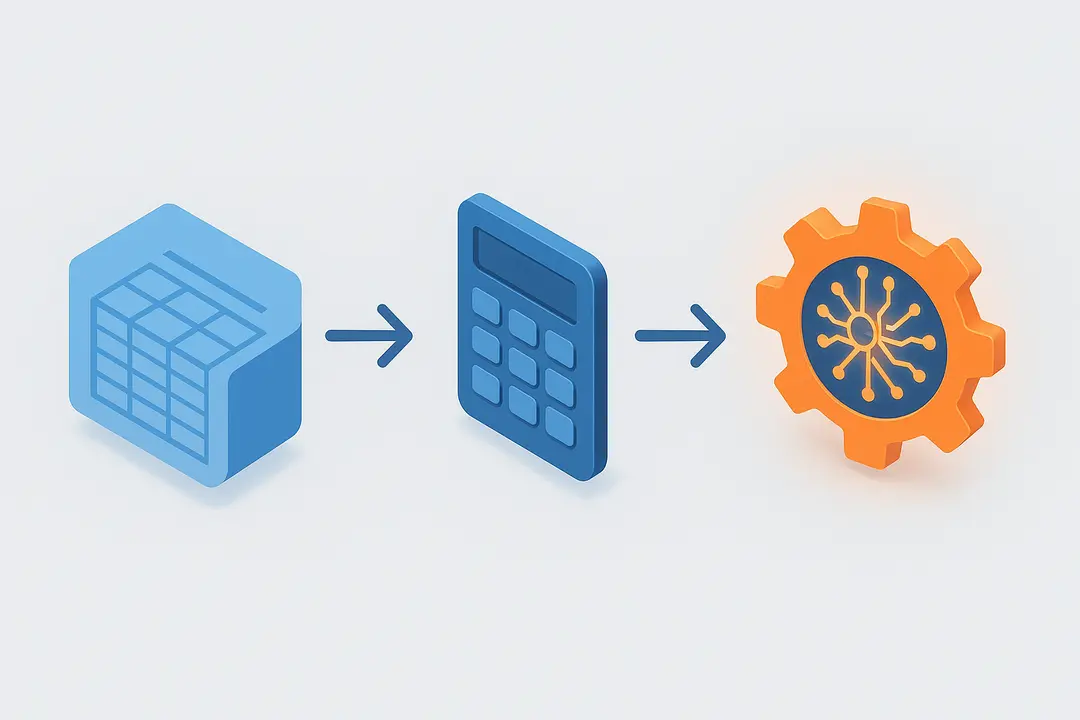
AI scenario planning software delivers tangible benefits by automating complex analyses, uncovering hidden insights, and generating faster, smarter what-if recommendations. Unlike traditional manual methods, AI-driven systems scale scenario analysis across vast datasets—enabling more precise and adaptable decisions.
Manual vs. Traditional vs. AI-Driven Approaches
| Approach | Key Characteristics | Typical Limitations | AI-Driven Advantages |
| Manual (Spreadsheets) | User-built models, slow updates | Error-prone, not scalable | Automates repetitive tasks |
| Traditional Software | Rule-based calculators, fixed logic | Limited flexibility, static | Real-time predictive analytics |
| AI Scenario Tools | ML/AI, generative modeling, real-time collaboration | Requires setup/data hygiene | Rapid insight generation, dynamic forecasts |
2024–2026 Technology Advances:
- Generative AI: Builds new scenario variations, even from incomplete datasets
- Machine Learning (ML): Continuously improves scenario outcomes using live data
- Agentic Models: Enable “autonomous agents” to explore, test, and optimize business paths
Example:
A supply chain manager can instantly test the business impact of port closures by running dynamic forecasts that update as new shipping data arrives. Finance teams can auto-generate budget scenarios for best, average, and worst cases without manual recalculation.
What Key Features Define the Best AI Scenario Modeling Tools?
The best AI scenario modeling tools share a core set of features that drive efficiency, collaboration, and business value. Use this checklist to evaluate and shortlist platforms:
Feature Checklist:
- What-If Analysis Capabilities
Simulate and compare multiple hypothetical business scenarios with ease. - Predictive & Generative Modeling
Use ML and AI to forecast likely outcomes, generate new scenario variants, and adapt to change. - Real-Time Collaboration
Allow multiple users to build, edit, and comment on scenarios simultaneously; granular access control. - Integration Support
Seamlessly connect to ERP, CRM, HRIS, and external data sources; strong API options. - Security & Compliance
Data encryption, role-based permissions, audit trails; certified to leading standards (GDPR, SOC2). - User Experience & Onboarding
Intuitive interface, step-by-step onboarding guides, in-platform tooltips, and robust training resources. - Scenario Simulation Performance
Speed and scale—ability to run complex simulations without delays. - Reporting & Analytics
Customizable dashboards and automated export of insights to key stakeholders.
FAQ Snippet: “What are the key features of an AI-powered scenario modeling tool?”
- Advanced what-if analysis
- Predictive/generative AI modeling
- Real-time collaboration and versioning
- Seamless ERP/CRM/data integration
- Strong security, compliance, and data privacy
- User-friendly onboarding and robust reporting
Tool Comparison: Which AI-Powered Scenario Modeling Platform Is Best?
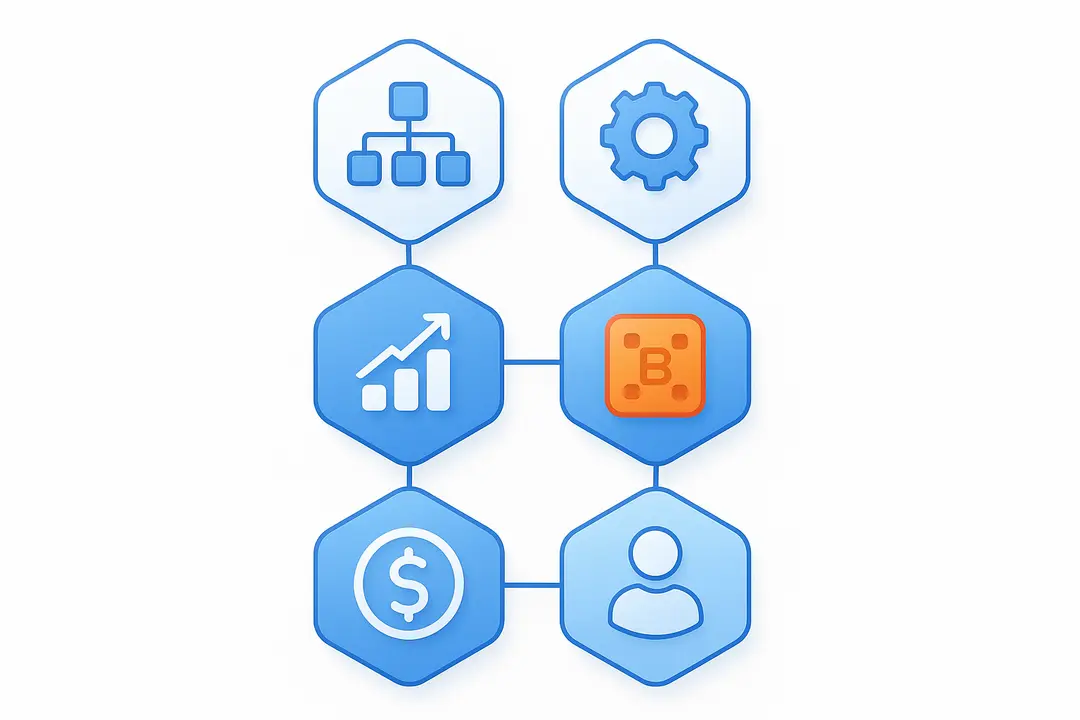
Selecting the best scenario modeling platform depends on your industry, data needs, integration preferences, and budget. Below is a comparative matrix of six leading AI-powered tools to help guide your decision.
| Tool | Features | Analytics/AI | Integrations | Pricing | Best For |
| Anaplan | Enterprise modeling, workflow, real-time cloud | Predictive AI, agentic models | ERP, CRM, APIs | Custom quote | Finance, Supply Chain |
| Epicflow | Project/resource focus, Gantt, scenario analysis | Bottleneck AI, simulations | MS Project, Jira, API | Per user | Project/Resource Mgmt |
| Pigment | Cross-function, dashboard, no-code UI | Predictive+generative, ML | Google Sheets, ERP, CRM | Custom quote | Multi-department, Modern |
| Limelight | Budgeting, forecasting, Excel-like experience | Predictive analytics | Excel, ERP, CRM | Per user | Finance, Mid-market |
| Datarails | Automated consolidation, reporting, dashboards | AI-enhanced, predictive | Excel, ERP, QuickBooks | Per user | SMB Finance, FP&A |
| Personos | Team insights, behavioral analytics | Generative AI, personality engine | Slack, HRIS, API | Per user | Teamwork, HR, Change |
Tool Value Summaries:
- Anaplan: Recognized by Gartner, Anaplan is a leader for its deep scenario modeling, large-scale enterprise capability, and robust predictive AI models. Ideal for organizations needing cross-departmental modeling and high-security compliance.
- Epicflow: Suited for project-heavy organizations, Epicflow leverages AI for resource optimization and real-time bottleneck prediction—backed by comprehensive scheduling tools.
- Pigment: Blends analytics, visualization, and generative scenario building in a user-friendly, no-code interface. Strong external case studies and best for cross-functional planning.
- Limelight: Favored for financial planning teams; offers Excel-like workflow with advanced forecasting but modern cloud collaboration.
- Datarails: Streamlines small and mid-market finance teams’ ability to consolidate and analyze financial scenarios with AI-powered dashboards.
- Personos: Unique people-centric angle; combines scenario analysis with AI-driven team collaboration insights and behavioral analytics, helping align teams around complex change.
Best-Fit by Industry:
- Finance: Anaplan, Limelight, Datarails
- Supply Chain: Anaplan, Epicflow
- HR and Team-Centric: Personos, Pigment
How Do Industry Leaders Use AI Scenario Modeling? (Case Studies & ROI Data)
Industry leaders in finance, supply chain, and HR deploy AI scenario modeling tools for game-changing results. These case studies illustrate real-world benefits and measurable ROI.
- Finance:
A global manufacturing CFO reduced annual budgeting cycle time by 40% using Anaplan’s predictive modeling and reporting automation.
“Modern scenario platforms reduce the risk of budgeting errors and improve agility in volatile markets.” — Gartner (2024 FP&A Report) - Supply Chain:
A multinational logistics firm applied Epicflow to model disruptions, enabling rapid rerouting decisions and 25% faster response to unplanned events. - HR/Workforce Planning:
A technology company using Personos improved hiring alignment and reduced turnover by 15%, thanks to AI-generated insights into team dynamics during reorganization scenarios.
Key quantified benefits:
- Up to 2x faster scenario cycle times
- 20–40% cost savings in planning-related resources
- Reduction in manual errors; higher team alignment
Implementation Guide: How to Successfully Adopt AI Scenario Modeling Tools
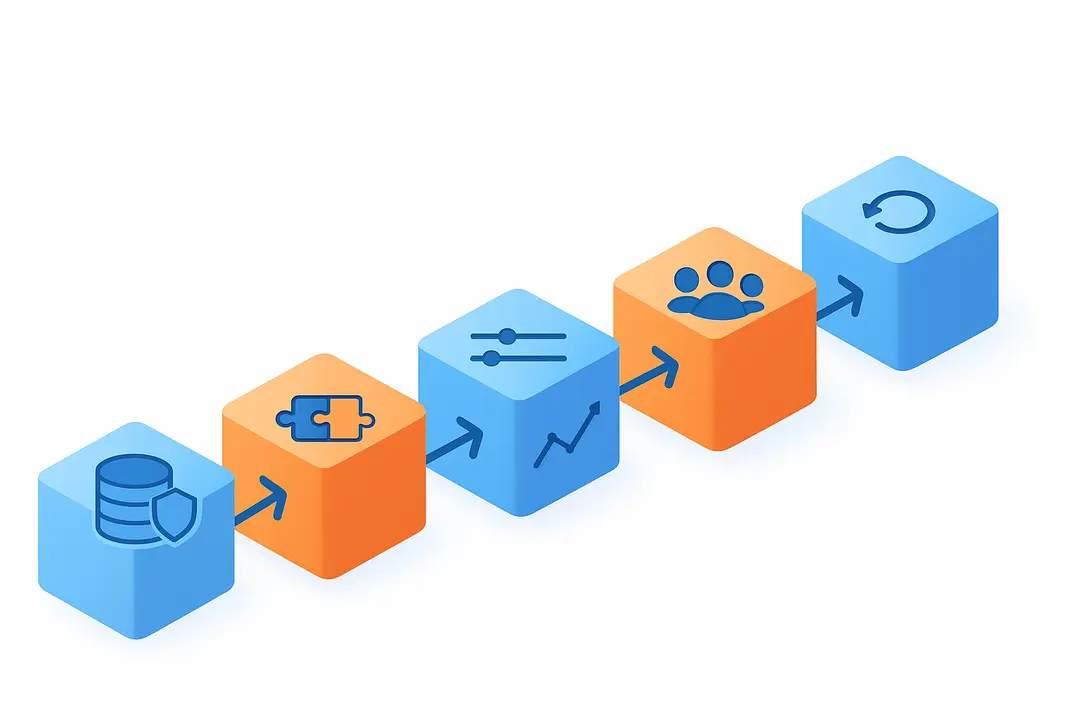
Adopting AI scenario modeling doesn’t have to be overwhelming. Follow these step-by-step actions to ensure smooth rollout and maximize ROI:
Step-by-Step Onboarding Checklist:
- Assess & Prepare Data Sources:
Audit current data (ERP, CRM, HRIS) for quality, completeness, and relevance
Standardize formats and cleanse key datasets - Select & Integrate the Right Platform:
Choose a tool that matches your industry, scale, and systems
Set up API connections or direct integrations (most leading tools offer guided setup) - Configure Sample Scenarios & Workflows:
Build initial scenario templates for critical use cases
Use built-in libraries or customize as needed - Train Teams & Drive Collaboration:
Leverage in-app tutorials, partner onboarding support, and knowledge bases
Assign roles and access permissions; encourage real-time co-editing - Pilot, Review, and Iterate:
Run pilot simulations, review outputs, and gather feedback
Refine processes, increase scenario complexity, expand adoption
Pro Tip: Map your business’s “as-is” and “to-be” scenario planning journey to track progress and ensure adoption sticks.
How Secure and Compliant Are AI Scenario Modeling Tools?
Security and compliance are fundamental for any organization considering AI-powered scenario modeling. Leading platforms are designed with built-in safeguards to protect sensitive business data and meet regulatory standards.
Common Security Frameworks & Certifications:
- General Data Protection Regulation (GDPR)
- SOC 2 Type 2 Compliance
- ISO 27001 (industry standard for ISMS)
Privacy Controls and Best Practices:
- Role-based access management and permission controls
- End-to-end encryption (data at rest and in transit)
- Detailed audit logs for all scenario changes and user actions
- Secure authentication (SSO, MFA options)
Due Diligence Tips:
- Require vendors to provide up-to-date certification documentation
- Conduct regular security reviews, especially for regulated industries like finance and healthcare
- Ask about data residency and disaster recovery processes
How to Choose the Right AI Scenario Modeling Tool: Checklist & Evaluation Framework
Choosing the best AI scenario modeling software for your business is simplified with a structured checklist.
Buyer’s Checklist: Key Evaluation Steps
| Step | Questions to Ask |
| 1. Define Goals | What business outcomes do we want to achieve? |
| 2. Assess Data Readiness | Are our core data sources integrated and clean? |
| 3. Identify Collaboration Needs | Who needs access and how should they interact? |
| 4. Prioritize Features | Which AI/ML, simulation, and security features matter most? |
| 5. Confirm Integration | Can the tool connect seamlessly with our ERP, CRM, HRIS? |
| 6. Validate Compliance | Does the vendor meet our regulatory requirements? |
| 7. Evaluate Usability | Is onboarding straightforward and supported? |
| 8. Compare Pricing Models | Do the cost and licensing options align with our scale? |
Frequently Asked Questions
What are AI-powered scenario modeling tools and how do they work?
AI-powered scenario modeling tools use artificial intelligence to rapidly simulate, analyze, and compare potential business outcomes. By connecting to real-time data sources, they automate what-if analysis and predictive modeling—helping teams make faster, more informed decisions compared to manual or static models.
What business problems do AI scenario planning tools solve?
They address challenges like slow manual planning, limited forecasting accuracy, siloed data, and collaboration inefficiencies. These tools streamline scenario simulations, align stakeholders, and optimize resource allocation across finance, operations, and HR.
What are the key features to look for in AI-driven scenario planning software?
Look for what-if analysis, predictive/generative modeling, real-time collaboration, integration with ERP/CRM/data sources, robust security/compliance, user-friendly onboarding, and flexible reporting.
How does predictive analytics enhance scenario modeling?
Predictive analytics uses past and real-time data trends to forecast possible outcomes and determine the probabilities of different scenarios. This increases decision accuracy and reduces risk in business planning.
Can AI scenario modeling tools integrate with existing ERP or CRM systems?
Yes, leading tools support native or API-based integration with major ERP, CRM, and HRIS platforms. This ensures up-to-date data flows directly into scenarios and forecasts.
What are the typical costs and pricing models for these platforms?
Pricing depends on provider, scale, and features—most offer per-user licensing or custom enterprise quotes. Expect tiered packages, with advanced AI and integration features at higher tiers.
Is AI scenario planning software suitable for small businesses or only large enterprises?
While some platforms target enterprise budgets, many like Datarails and Limelight offer accessible packages for small and midsize businesses—especially in finance and FP&A.
How do these tools improve team collaboration and decision-making?
They allow simultaneous scenario building, real-time commenting, and transparent version tracking—helping teams align faster and avoid conflicting plans.
What kind of data is needed for effective AI scenario planning?
Accurate and timely business data (financial, operational, HR, or logistics) is required. Cleanse and standardize source data for best results, leveraging integrations when possible.
Are AI-powered scenario modeling tools secure and compliant with privacy regulations?
Reputable platforms comply with standards like GDPR and SOC2, enforce strong access controls, data encryption, and maintain verifiable audit trails for all business-critical actions.
Conclusion
AI-powered scenario modeling tools are redefining how organizations prepare for—and thrive in—uncertainty. With emerging capabilities in generative AI, dynamic forecasting, and streamlined collaboration, these platforms deliver the speed and insight essential for business advantage. Regularly reviewing your scenario planning tools ensures you benefit from the latest innovation and security.
Key Takeaways
- AI-powered scenario modeling tools automate and enhance what-if analysis, predictive analytics, and collaborative business planning.
- Leading solutions like Anaplan, Pigment, and Personos offer varying strengths across finance, supply chain, and HR use cases.
- Key features include predictive/generative modeling, real-time simulations, security, and seamless ERP/CRM integration.
- Industry adopters see measurable ROI: faster planning cycles, improved accuracy, and cost savings.
- Successful implementation hinges on data readiness, integration, team training, and robust security compliance.
This page was last edited on 1 May 2026, at 2:31 pm
Contact Us Now

Contact Us Now
Start a conversation with our team to solve complex challenges and move forward with confidence.