As online shopping skyrockets, so do customer questions and support demands—pushing manual teams to their limits and driving up costs. Traditional staffing-only models struggle to provide fast, 24/7 service or scale efficiently. AI agent platforms for e-commerce customer service are now essential for success: they automate support, manage growing data loads, and deliver faster, smarter customer experiences.
In this expert buyer’s guide, you’ll get in-depth platform comparisons, practical adoption steps, real cost breakdowns, privacy guidance, and a readiness checklist to confidently choose and implement the right AI agent for your store. By the end, you’ll have the frameworks and clarity to turn AI support from confusion into ROI.
What Are AI Agent Platforms for E-commerce Customer Service?
AI agent platforms for e-commerce customer service are software solutions that autonomously handle support inquiries, orders, returns, and customer requests using artificial intelligence across multiple channels.
Unlike basic chatbots or legacy ticketing systems, these platforms use advanced conversational AI—powered by natural language processing (NLP) and large language models (LLMs)—to understand customer intent, perform actions, and personalize support. They can manage a wide range of workflows, from answering order status questions to handling returns, escalations, and data requests.
How do AI agents differ from chatbots or traditional tools?
- Basic chatbots: Rely on rigid scripts or predefined flows to answer simple FAQs.
- AI agent platforms: Learn from historical data, adapt to new language, and complete tasks autonomously (e.g., updating orders) within your e-commerce infrastructure.
- Legacy ticketing: Manual handoffs, siloed channels, slower response times.
- Agentic AI models: Continuously self-improve, support omnichannel interactions, and deliver dynamic, human-like experiences.
How Do AI Agent Platforms Work in E-commerce Customer Support?

AI agent platforms automate support workflows by understanding customer messages, triggering backend actions, and collaborating with human agents when needed.
Typical Process:
- Intent Detection: The AI agent analyzes customer messages using NLP and LLMs to identify the issue (e.g., tracking order, processing returns).
- Workflow Automation: The agent executes integrated actions—fetching order data, initiating returns, answering FAQs.
- Omnichannel Routing: Supports chat, email, SMS, and social media, maintaining context across channels.
- AI + Human Handoff: For complex or sensitive issues, the AI smoothly transitions the case to a live agent with full context.
Example E-commerce AI Agent Workflow
flowchart TD
A[Customer asks: Where is my order?]
B{AI recognizes intent}
C[Fetches order status]
D[Sends update to customer]
E{Complex issue?}
F[Escalate to human]
A –> B
B –> C
C –> D
D –> E
E –No–> End[Case closed]
E –Yes–> F –> End
Key Technologies:
- Conversational AI: Advanced language understanding for dynamic, natural conversations.
- LLMs (Large Language Models): Powers nuanced, context-aware responses.
- Omnichannel Integrations: Seamless support across Shopify, Magento, WooCommerce, and messaging apps.
- Workflow Automation: Handles repetitive processes (refunds, status checks) at scale.
- Hybrid Collaboration: Enables effortless AI-to-human agent transitions for complex cases.
What Are the Tangible Benefits of AI Agent Platforms for E-commerce?
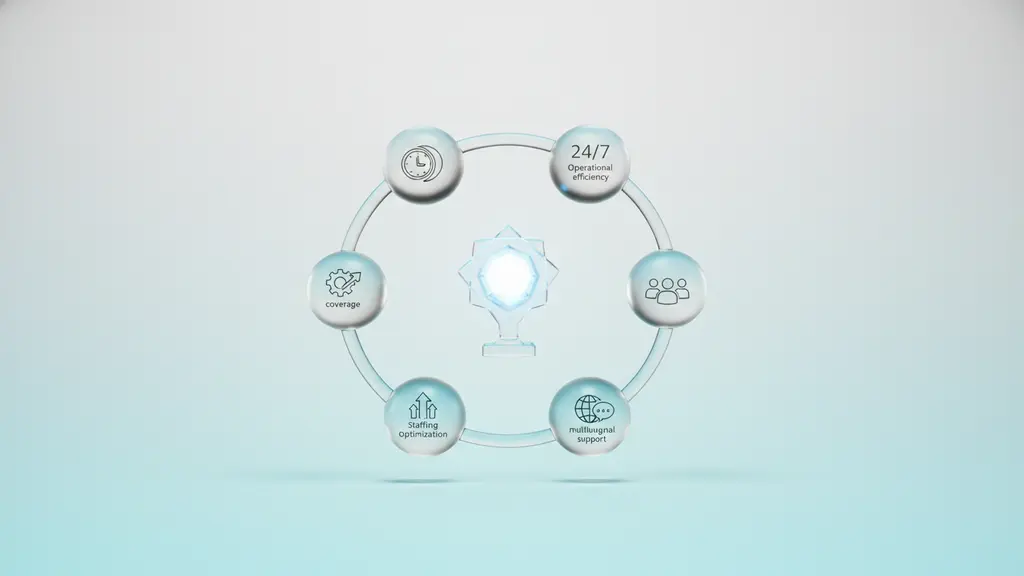
Adopting AI agent platforms in e-commerce brings measurable gains in efficiency, cost, and customer experience.
Key Benefits:
- 24/7 Coverage & Speed: AI agents respond instantly, reducing wait times and letting your business support customers anytime, anywhere.
- Operational Efficiency: Significant ticket deflection through automation leads to reduced first response time (FRT) and case resolution time (CRT).
- Staffing Optimization: Enables teams to focus on higher-value, complex tasks instead of repetitive tickets.
- Global & Multilingual Support: AI agents can service customers in multiple languages, breaking down geographic barriers.
- Enhanced CX and CSAT: Higher satisfaction scores thanks to fast, personalized responses.
Data-backed Impacts (Stat Block):
- According to Gorgias, e-commerce merchants using AI agent platforms see up to 40% reduction in support ticket volume.
- Ada reports clients achieving 2–4x increases in customer self-service rates.
- Zowie finds that stores using its automation see average response times cut by 60%.
Use Cases:
- Handling order status and tracking
- Managing returns and refunds
- Providing product information and recommendations
- Personalizing support for VIP or repeat customers
Top AI Agent Platforms for E-commerce
Choosing the right AI agent platform requires comparing capabilities, integrations, pricing, and business fit. Below is a summary of leading options for 2024.
| Platform | Core Capabilities | Integrations | Pricing (USD) | Ideal Store Size | G2 Rating | Standout Feature |
| Gorgias | Omnichannel, Shopify focus | Shopify, Magento, WooCommerce, BigCommerce | From $10/mo, tiered | SMB – Enterprise | 4.6/5 | Deep Shopify automation |
| Ada | No-code, Conversational AI | Shopify, Salesforce, Zendesk, Kustomer | Custom, starts ~$0.50/convo | Mid-large stores | 4.7/5 | Multilingual, no-code setup |
| Zowie | 24/7, Visual recognition | Shopify, Magento, Zapier, Messenger, Slack | From $799/mo | SMB – Midmarket | 4.8/5 | Fast setup, auto-learning |
| Fin (Intercom) | LLM core, analytics | Shopify, Telegram, Instagram, Slack, CRMs | Per resolution, volume-based | Mid-large stores | 4.6/5 | Hybrid handoff, analytics |
| Zendesk | Established, broad support | Shopify, Magento, Salesforce, CRMs | From $49/agent/mo | All sizes | 4.2/5 | Legacy, enterprise-ready |
| TripleWhale | Analytics + agent | Shopify, major e-comm, CRMs | Custom | Scaling brands | 4.5/5 | Insights-driven automation |
Gorgias
Gorgias is purpose-built for Shopify and omnichannel e-commerce brands, offering unified chat, email, and social automation. It excels at automating repetitive ticket types and is ideal for fast-growing or enterprise Shopify stores. Integration is seamless, but customization beyond core platforms may require additional setup.
Ada
Ada provides powerful no-code automation and deep conversational AI, targeting larger stores needing scalable, multilingual support. Its integration ecosystem is robust, and its flexibility allows for nuanced workflows. Ada stands out for global brands handling high ticket volumes.
Zowie
Zowie specializes in simple, rapid deployment for growing e-commerce stores. It features strong visual/image interpretation, 24/7 global support, and unrivaled ease of use—making it a top choice for SMBs scaling internationally.
Fin (Intercom)
Intercom’s Fin leverages robust LLMs for nuanced conversations and automates system actions like order processing. It boasts advanced analytics and offers flexible AI-to-human handoff. Fin is particularly well suited for mid-sized and larger, omnichannel retailers.
Others: Zendesk, TripleWhale & Emerging Options
- Zendesk: Offers legacy ticketing plus growing AI features, best for teams already on Zendesk’s enterprise suite.
- TripleWhale: Blends analytics and AI support automation for scaling D2C brands.
- Emerging Platforms: New vendors are continually entering with specialized features for regional compliance or niche e-commerce needs.
How to Choose the Best AI Agent Platform for Your Store
Selecting the best AI agent platform for your e-commerce business requires clear criteria and a structured assessment of your support operations, integration needs, and growth stage.
Key Criteria & AI Readiness Checklist
Decision Criteria:
- Integration: Compatibility with your current e-commerce, CRM, and ERP platforms (Shopify, Magento, Salesforce, etc.).
- Scalability: Ability to handle current and projected support volumes.
- Ease of Use & Deployment: No-code or low-code setup? Staff training required?
- Pricing Structure: Transparent and aligned with anticipated ROI.
- Support & Professional Services: Vendor onboarding, customer success, documentation.
- Data Security & Compliance: Built-in GDPR/CCPA capabilities.
AI Agent Adoption Readiness Assessment:
- Do you have a robust, organized help center or FAQ content base to train the AI?
- Are your major support workflows documented and repeatable?
- Is your team prepared for hybrid AI + human collaboration?
- Are you able to trial tools in a sandbox environment before full rollout?
Must-Have vs. Nice-to-Have Features Table
| Feature | Must-Have (✓) | Nice-to-Have (✓) |
| Shopify/Magento Integration | ✓ | |
| 24/7 Multichannel Coverage | ✓ | |
| Multilingual Support | ✓ | |
| No-code Workflow Editing | ✓ | |
| In-depth Analytics/Reporting | ✓ | |
| Proprietary/GEO-ready LLM | ✓ | |
| AI-to-Human Handoff | ✓ |
When to Pilot vs. Fully Deploy:
- Pilot: New to AI agents, unclear workflow automation opportunities, or limited support volume.
- Full Deployment: High, predictable ticket volumes, well-mapped support processes, and buy-in across teams.
Integration, Privacy & Compliance: What Sellers Must Know
Integrating AI agent platforms with your e-commerce stack and handling customer data responsibly are critical.
Integration Essentials:
- Supported Platforms: Ensure the agent connects natively to your storefront (Shopify, Magento, WooCommerce), CRM, and helpdesk tool.
- APIs & Middleware: For more complex workflows, check for robust APIs or support for middleware (Zapier, custom integrations).
- Pain Points: Data mapping, webhook configuration, and syncing real-time inventory/order data can pose challenges—plan for close collaboration with your IT team.
Privacy, Data Security, and Compliance:
- GDPR/CCPA: Confirm the platform is compliant and offers tools for consent, data portability, and the right to be forgotten.
- Data Handling: Secure encryption, data residency options, and regular audit trails.
- Proprietary vs. OpenAI/LLM Models: Understand where your data is sent and stored. Proprietary LLMs may offer greater privacy controls than public cloud AI.
- Vendor Certifications: Look for SOC 2, ISO 27001, or similar certifications as proof of data security standards.
Best Practices:
- Always vet privacy documentation before integration.
- Create internal policies for data sharing with AI tools.
- Maintain human oversight for sensitive or escalated customer conversations.
Implementation Steps and Typical Costs: Setting Up E-commerce AI Agents

Implementing an AI agent for your online store follows clear phases, each with costs and considerations.
Implementation Roadmap:
- Scoping & Planning (1–2 weeks):
Define goals, workflows, and success metrics.
Audit data sources (help center, past tickets). - Integration & Setup (2–4 weeks):
Connect platforms (Shopify, Magento, CRMs).
Configure automations and conversation flows.
Address permissions and privacy settings. - Training & Testing (1–2 weeks):
Train the AI on past conversations or FAQs.
Run pilot scenarios and edge cases. - Go-live & Monitoring (Launch week):
Announce internally and to customers.
Monitor performance and escalate learnings. - Optimization & Scaling (Ongoing):
Refine workflows, analyze data, pilot advanced features.
Typical Timelines:
- SMB: 4–6 weeks from start to launch.
- Enterprise: 6–10 weeks, plus additional integration/testing time.
Cost Overview Table:
| Factor | SMB/Startup | Mid-sized Store | Enterprise |
| Setup/Implementation Fee | $0–$3,000 | $1,500–$7,500 | $10,000+ |
| Monthly SaaS License | $50–$800+ | $500–$3,000 | $3,500–$10,000+ |
| Integration (Custom/APIs) | Nominal | $500–$2,000 | $5,000+ |
| Staff Training | Self-serve | 1–2 days (vendor-led) | 1 week+ (custom) |
Hidden Costs:
Custom integrations, additional language packs, premium analytics, or extended support packages.
ROI Benchmarks:
Many stores report AI agent ROI within 3–9 months, with support cost savings ranging 15–40% (source: Gorgias, Ada case studies).
AI Agents vs. Traditional Chatbots & Automation Tools: What’s the Difference?
AI agents offer advanced capabilities—self-learning, workflow automation, and nuanced conversation—that basic chatbots and automation tools can’t match.
Comparison Table:
| Attribute | Traditional Chatbots | AI Agent Platforms |
| Scripted/Rule-based | Yes | No (uses LLM/NLP) |
| Understands Complex Intent | Limited | Advanced |
| Task Automation | Basic | Full workflow (orders, returns) |
| Omnichannel | Limited | Integrated: email, SMS, chat, social |
| Self-learning | No | Yes |
| Human Handoff | Manual | Seamless, context-rich |
| Generative AI (LLM) | No | Yes (most platforms) |
Key Differences:
- Agentic AI: Manages open-ended requests, reasons across channels, and autonomously escalates as needed.
- Traditional Bots: Limited to preprogrammed scripts; struggle with ambiguity or novel scenarios.
- Trends: Generative AI is making it possible for agents to sound more human, adapt in real time, and continually improve with every interaction.
Risks & Over-automation:
- Loss of transparency if not monitored.
- Customer frustration if agents overreach their understanding.
- Always maintain clear agent-to-human switching for edge cases.
Real E-commerce Use Cases & Case Studies
AI agent platforms deliver real impact for both small and enterprise e-commerce brands.
SMB Example:
A Shopify apparel store implemented Zowie’s AI agents to manage order tracking and product FAQs. Within 30 days, automated responses handled 70% of inquiries, reducing staffing costs by 30% and boosting CSAT (customer satisfaction) scores by 15% (source: Zowie case study).
Enterprise Example:
An international retailer used Ada’s conversational AI to support 10 languages and manage returns/refunds globally. After rollout, ticket deflection increased by 45%, and average first response time dropped to under 20 seconds (source: Ada customer success reports).
Pain Points & Lessons Learned:
- SMBs benefit most from fast deployment and template workflows.
- Enterprises emphasize scaling, compliance, and multilingual support.
- Common hurdles include data mapping, user training, and ensuring the human escalation process is seamless.
Exec Quote:
“Our AI agent has become the first line of defense, handling routine cases at scale and letting our team focus on building real customer relationships.” — E-commerce Operations Lead
Future Trends: Agentic AI, GEO, and the Next Generation of E-commerce Support
As generative and agentic AI continue to evolve, e-commerce support is entering a new era of automation, personalization, and global scale.
Top Trends to Watch:
- Generative Engine Optimization (GEO): AI platforms are adapting to new generative search and support channels, surfacing products, knowledge, and services contextually.
- Hybrid Human/AI Models: Brands are combining AI efficiency with human empathy for complex or sensitive issues.
- Continuous Learning: LLMs and intelligent agents will self-improve, using new interactions to expand knowledge faster.
- Regulatory & Ethical Focus: Privacy, compliance, and ethical handling of customer data are critical for long-term trust.
- Voice & Visual Support: AI agents increasingly handle images (“Where is my return?”) and voice queries for richer support journeys.
How to Future-Ready Your Support Stack:
- Choose agents with open APIs and regular LLM updates.
- Prioritize privacy settings and transparent AI training protocols.
- Foster a culture of continuous human-agent collaboration.
Key Takeaways
- AI agent platforms transform e-commerce support by automating routine inquiries, reducing costs, and delivering 24/7 scalable service.
- Leading platforms differ in setup speed, integration depth, language support, and analytics—align choice with your business’s size and tech stack.
- Successful adoption requires readiness in workflow documentation, integration planning, and privacy compliance.
- Most e-commerce brands realize ROI within 3–9 months after deployment.
- Future-proof your support with agents that are compliant, rapidly evolving, and hybrid-ready.
Frequently Asked Questions About AI Agent Platforms for E-commerce
What is an AI agent platform for e-commerce?
An AI agent platform is software that uses artificial intelligence to autonomously manage customer support, automating responses, tasks, and workflows across channels for e-commerce businesses.
How do AI agents improve customer service for online stores?
They deliver instant, 24/7 support, handle routine questions, reduce staff workload, improve response times, enable multilingual service, and increase overall customer satisfaction.
What’s the difference between AI agents and chatbots?
AI agents use advanced language models to handle complex, open-ended queries and automate actions, whereas basic chatbots rely on pre-set rules or scripts and have limited capabilities.
Which is the best AI agent platform for my e-commerce business?
The best platform depends on your size, tech stack, and support needs. Gorgias suits Shopify-centric SMBs, Ada and Fin (Intercom) are ideal for global or enterprise operations, and Zowie is great for scalability.
How much do AI agent platforms cost?
Costs vary by platform and store size. SMB plans start at $10–$800/month, while enterprise solutions can exceed $10,000/month with setup, integration, and premium features.
Can AI agents integrate with Shopify, Magento, and WooCommerce?
Yes, all leading AI agent platforms support native or API integrations with Shopify, Magento, WooCommerce, and most major CRMs.
What are the risks or limitations of using AI agents for customer service?
Risks include data privacy concerns, potential over-automation, and the need for continued human oversight during complex interactions.
How do AI agent platforms ensure customer data privacy and security?
Top platforms offer encryption, compliance with GDPR/CCPA, data residency controls, and regular audits, and display certifications like SOC 2 or ISO 27001.
How quickly can an e-commerce store see ROI from adopting AI agents?
Most stores report noticeable ROI within 3–9 months, due to staff savings, reduced ticket volume, and improved customer experiences.
Can AI agents handle complex or sensitive customer support issues?
AI agents can handle many cases but should escalate complex or sensitive issues to trained human agents to ensure quality and empathy.
Conclusion & Next Steps: Choosing the Right AI Agent for Your E-Commerce Store
AI agent platforms are revolutionizing e-commerce customer support by reducing response times, cutting costs, and delivering consistent, engaging experiences across all channels. By understanding your specific needs and carefully evaluating platforms based on features and readiness, you can confidently integrate AI into your support operations and achieve significant ROI.
To move forward, start by identifying platforms that align with your business requirements, request demos, and explore the solutions that best meet your needs. For further guidance, connect with AI support consultants or your chosen vendor to ensure a smooth and successful implementation.
This page was last edited on 2 February 2026, at 5:59 pm
Contact Us Now

Contact Us Now
Start a conversation with our team to solve complex challenges and move forward with confidence.


