
Key Takeaway
- Top Java developers are found through specialized agencies, vetted talent platforms, freelance marketplaces, and developer communities.
- To hire the right person, compare technical skills, Java framework experience, portfolio quality, communication, and pricing.
- A structured vetting process reduces hiring risk and improves project outcomes.
Finding the right Java developer is not just about checking whether someone knows the language. A strong Java developer understands scalable architecture, clean code, backend performance, security, APIs, cloud deployment, and how software supports business goals.
The challenge is that many companies search in the wrong places or hire too quickly. That often leads to poor code quality, slow delivery, unclear communication, and expensive fixes later.
Java remains highly relevant for enterprise software, backend systems, Android apps, fintech platforms, SaaS products, and cloud-native development. In the 2025 Stack Overflow Developer Survey, 29.6% of professional developers reported working extensively with Java, showing that it remains a major language in professional software development.
In this guide, you’ll learn where to find top Java developers, how to compare platforms and java development companies, what skills to look for, how much Java developers cost, and how to vet candidates before hiring.
Where to Find Top Java Developers?
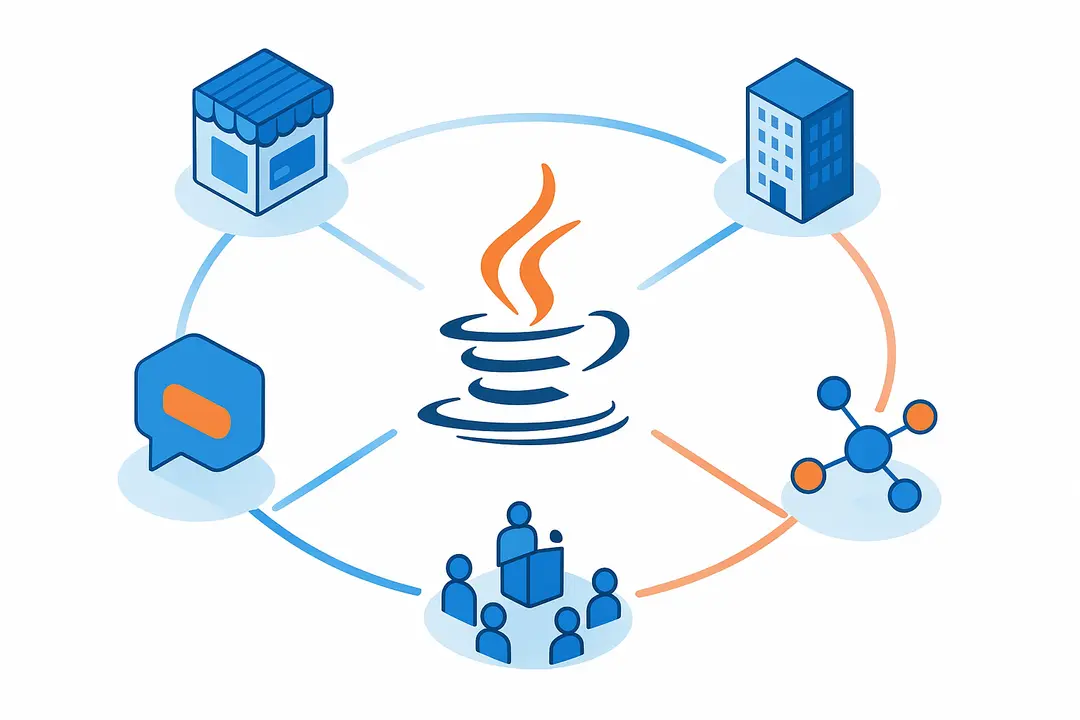
Top Java developers can be found across specialized development companies, vetted talent platforms, freelance marketplaces, developer communities, and professional networks. The best source depends on whether you need one developer, a dedicated team, or a full project delivery partner.
| Source | Best For | Typical Use Case | Vetting Level |
|---|---|---|---|
| Specialized Agencies | Dedicated teams and managed delivery | Enterprise apps, SaaS, migration, long-term development | High |
| Vetted Marketplaces | Fast access to skilled freelancers | Senior developers, short-term projects, remote hiring | Medium to High |
| Freelance Platforms | Flexible budgets and project-based hiring | Bug fixes, MVPs, small features | Varies |
| Developer Communities | Direct access to contributors | Open-source talent, niche Java skills | Manual |
| Job Boards And LinkedIn | Full-time hiring | In-house Java developers | Depends on hiring process |
| Java Events And Forums | Networking and expert sourcing | Senior talent pipeline | Reputation-based |
From reviewing Java hiring projects, the biggest mistake is choosing a source before defining the role. A Spring Boot backend engineer, Android Java developer, enterprise architect, and migration specialist are not the same hire.
Top Platforms And Agencies To Hire Java Developers
Below are some of the best places to hire java developers, depending on budget, timeline, and project complexity.
| Platform / Agency | Type | Best For | Key Strength |
|---|---|---|---|
| Riseup Labs | Java Development Company | Remote Java developers, enterprise apps, SaaS, mobile and web apps | Dedicated Java teams and custom development |
| Toptal | Vetted Talent Marketplace | Senior freelance Java developers | Strict screening process |
| Arc | Remote Talent Platform | Full-time or freelance remote developers | Vetted remote talent |
| Upwork | Freelance Marketplace | Flexible hiring and smaller projects | Large talent pool and hourly/project contracts |
| Clutch | Agency Directory | Comparing Java development companies | Verified reviews and agency filters |
| GitHub | Developer Community | Open-source Java contributors | Real code visibility |
| CodersRank | Developer Profile Platform | Portfolio-based sourcing | Skill and contribution signals |
| Professional Network | Full-time and contract hiring | Direct outreach and referrals |
Riseup Labs offers remote Java developers for web, mobile, enterprise, SaaS, migration, and software product development, making it a relevant option for businesses that want a dedicated development team instead of only individual freelancers.
Toptal is useful when you need highly vetted freelance talent; its screening process evaluates technical ability, professionalism, and communication. Arc also positions itself as a marketplace for vetted remote talent, including freelance and full-time developers. Upwork can be helpful for flexible hiring, and its Java developer cost page shows typical platform rates can vary by scope and experience.
1. Riseup Labs
Riseup Labs is a software development company that offers remote Java developers for businesses that need web, mobile, enterprise, SaaS, migration, and custom software development support.
Best For: Companies that want a managed Java development team or dedicated remote developers.
Core Strengths: Java web development, enterprise applications, SaaS solutions, mobile apps, migration, maintenance, and scalable software systems.
Hiring Workflow:
- Share your Java development requirements
- Discuss scope, team size, timeline, and engagement model
- Get matched with Java developers or a dedicated team
- Start development with project management and delivery support
Vetting: Java developers are managed through the company’s hiring and delivery structure, which can reduce the workload of screening individual freelancers yourself.
Payments: Pricing is usually custom based on developer experience, project complexity, engagement model, and timeline.
Strengths: Dedicated Java teams, remote hiring support, end-to-end development, and flexible engagement models.
Weaknesses: Pricing is not instant like open freelance marketplaces, so you may need a consultation for exact cost.
2. Toptal
Toptal is a premium talent marketplace for hiring highly vetted freelance developers, including senior Java developers.
Best For: Companies that need experienced developers for complex, short-term, or high-value projects.
Core Strengths: Strong vetting, senior talent, fast matching, and technical project support.
Hiring Workflow:
- Submit your project needs
- Get matched with suitable developers
- Review and interview candidates
- Start with the selected developer
Vetting: Toptal uses a multi-step screening process that assesses technical expertise, communication, professionalism, and project readiness.
Payments: Rates are usually higher than open marketplaces because the talent pool is more selective.
Strengths: Strong quality control, senior-level talent, and less screening work for clients.
Weaknesses: Higher cost may not suit small projects or limited budgets.
3. Arc
Arc is a remote talent platform that helps companies hire vetted freelance or full-time developers.
Best For: Remote-first companies that need Java developers for contract, full-time, or distributed team roles.
Core Strengths: Remote hiring, vetted candidates, full-time and freelance options, and faster access to global talent.
Hiring Workflow:
- Share the role or project requirements
- Review matched candidates
- Interview selected developers
- Hire for freelance, contract, or full-time work
Vetting: Arc says candidates are vetted for domain expertise and English fluency, which can help reduce early screening time.
Payments: Cost depends on role type, seniority, location, and engagement length.
Strengths: Good for remote hiring, distributed teams, and companies needing flexible engagement models.
Weaknesses: You still need to evaluate project fit, Java framework experience, and communication style.
4. Upwork
Upwork is a large freelance marketplace where businesses can hire Java developers for hourly, fixed-price, and project-based work.
Best For: Small to mid-sized projects, quick fixes, MVPs, and flexible hiring.
Core Strengths: Large talent pool, project-based hiring, reviews, profile filters, and milestone payments.
Hiring Workflow:
- Post a Java development job
- Review proposals and profiles
- Interview candidates
- Hire through hourly or fixed-price contracts
- Manage payments through the platform
Vetting: Upwork provides ratings, reviews, work history, and portfolio details, but clients must still screen candidates carefully.
Payments: Upwork reports Java developer rates on its platform commonly range around $17–$35 per hour, though actual costs vary by experience and project complexity.
Strengths: Flexible hiring, broad developer pool, and useful for budget-sensitive projects.
Weaknesses: Quality varies, so technical screening is important.
5. Clutch
Clutch is a review and directory platform where businesses can compare java development companies based on ratings, services, industries, and client feedback.
Best For: Comparing agencies before requesting proposals.
Core Strengths: Verified reviews, company profiles, service filters, and market comparison.
Hiring Workflow:
- Search Java development companies
- Filter by location, budget, rating, and services
- Review profiles and client feedback
- Shortlist agencies
- Contact selected companies for proposals
Vetting: Clutch helps with agency comparison, but you still need to verify technical fit, team structure, pricing, and delivery process.
Payments: Costs vary widely depending on the company and project scope.
Strengths: Useful for comparing agencies and checking client reviews.
Weaknesses: It is a directory, not a direct hiring platform.
6. GitHub
GitHub is a useful place to find Java developers by reviewing open-source contributions, repositories, commits, and project activity.
Best For: Finding developers with visible coding experience.
Core Strengths: Real code samples, open-source work, contribution history, and technical transparency.
Hiring Workflow:
- Search Java repositories or contributors
- Review code quality and activity
- Check project relevance
- Contact developers through available profiles or linked channels
Vetting: GitHub gives visibility into real code, but you need someone technical to evaluate architecture, testing, documentation, and maintainability.
Payments: Not a hiring marketplace, so pricing depends on direct agreement.
Strengths: Excellent for checking actual coding ability.
Weaknesses: No built-in hiring support, contracts, or payment protection.
7. CodersRank
CodersRank helps developers showcase their experience, skills, and coding activity across different platforms.
Best For: Portfolio-based sourcing and skill validation.
Core Strengths: Developer profiles, skill signals, contribution data, and technical history.
Hiring Workflow:
- Search developer profiles
- Review Java experience and project activity
- Compare skill signals
- Contact suitable candidates directly
Vetting: Useful for early screening, but interviews and coding tasks are still necessary.
Payments: Not a direct payment platform.
Strengths: Helps identify developers with visible technical activity.
Weaknesses: Hiring process must be handled separately.
What Skills Should Top Java Developers Have?
A strong Java developer should understand both the language and the surrounding ecosystem. Java hiring should focus on practical project skills, not just keyword matching.
| Skill Area | What To Look For |
|---|---|
| Core Java | OOP, collections, concurrency, memory management, exceptions |
| Frameworks | Spring Boot, Spring Security, Hibernate, Jakarta EE |
| APIs | REST APIs, GraphQL, authentication, third-party integrations |
| Databases | PostgreSQL, MySQL, MongoDB, Redis |
| Cloud | AWS, Azure, Google Cloud, containerized deployment |
| DevOps | Docker, Kubernetes, CI/CD, Jenkins, GitHub Actions |
| Testing | JUnit, Mockito, integration testing, test coverage |
| Architecture | Microservices, monolith modernization, event-driven systems |
| Security | Authentication, authorization, secure coding, data protection |
| Communication | Clear updates, documentation, teamwork, ownership |
JetBrains’ State of Java 2025 report shows why Spring experience matters: Spring remained the leading Java framework at 65%, and Maven was the most used build system at 67%. The same report also shows Java is heavily used in microservices development.
How To Evaluate Java Developers Before Hiring
A good Java hiring process should combine portfolio review, technical interviews, code assessment, and communication checks.
- Review Similar Projects: Look for Java projects related to your needs, such as SaaS platforms, APIs, enterprise apps, Android apps, or migration work.
- Check Framework Experience: A Java developer for a Spring Boot backend should have direct Spring experience, not only basic Java knowledge.
- Assess Code Quality: Review structure, readability, testing, documentation, and design decisions.
- Ask Scenario-Based Questions: Use questions based on your actual product or system.
- Use A Paid Trial: For freelancers or remote developers, start with a small paid milestone before committing long-term.
- Check Communication: Strong developers should explain technical choices clearly to both technical and non-technical stakeholders.
From practical hiring experience, a portfolio alone is not enough. The best signal is how clearly a developer explains tradeoffs: why they chose one architecture, how they handled performance issues, and what they would improve if rebuilding the project today.
Sample Java Developer Interview Questions
Use these questions to test technical thinking and project fit:
| Question | What It Reveals |
|---|---|
| How would you design a scalable REST API in Spring Boot? | Architecture and backend thinking |
| How do you handle database performance issues in Java applications? | Optimization experience |
| How would you migrate a legacy Java application to a modern cloud setup? | Migration and modernization skills |
| What is your approach to testing Java microservices? | QA and reliability mindset |
| How do you secure APIs in a Java backend? | Security knowledge |
| How do you debug memory leaks in Java? | Production troubleshooting ability |
| When would you choose a monolith over microservices? | Practical decision-making |
Avoid interview questions that only test memorization. Real Java work requires tradeoff thinking, debugging ability, and maintainable code decisions.
In-House vs. Outsourced Java Developers—Which Is Better?

Deciding between in-house and outsourced Java developers impacts agility, costs, and long-term outcomes. Each model has distinct pros and cons.
Comparison of Hiring Models:
| Aspect | In-House Hiring | Specialized Agency | Freelance/Marketplace |
| Cost | Highest (salary, benefits) | Medium-High (project/team fees) | Varies (hourly/project) |
| Onboarding Speed | Slow | Fast to moderate | Fast |
| Oversight | Full | Shared/outsourced | Varies |
| Talent Access | Local or global | Global, deep pool | Global, sporadic |
| Best For | Long-term, cultural fit | Complex or urgent projects | Flexible, short-term |
| Security/IP | Easier to manage | Contractual | Needs careful contracting |
| Scaling | Difficult | Easy to scale | Depends on availability |
When to Choose Each Model:
- In-house: For strategic roles, product ownership, or proprietary tech.
- Agency/Outsourcing: For speed, scale, or one-off/complex projects.
- Freelance: For one-time tasks, consulting, or bridging bandwidth gaps.
Consider nearshore, offshore, or remote team options for further cost optimization—balancing control, time zone alignment, and pricing.
What Are the Costs and Engagement Models for Hiring Java Developers?
Hiring Java developers involves various pricing models and cost factors, from hourly rates to team-based monthly engagements.
Key Engagement Models:
- Hourly: Pay per hour for flexible or short-term projects.
- Project-Based: Fixed estimate for well-defined scopes.
- Team/Monthly: Dedicated staff for long-term or ongoing work.
What Drives Cost?
- Seniority: Senior/Lead Java developers command higher rates
- Region: Costs vary widely—US/UK/EU rates are highest, India and Latin America most cost-effective
- Model: Freelance is often less costly than agency, but may lack support or oversight
Sample Java Developer Cost Ranges (2024 Benchmarks):
| Region | Junior (USD/hr) | Senior (USD/hr) | Agency Rate (USD/hr) |
| USA/Canada | $55–$100 | $100–$180 | $120–$250 |
| Western Europe | $45–$80 | $80–$140 | $100–$180 |
| Eastern Europe | $30–$55 | $55–$100 | $50–$120 |
| Latin America | $30–$60 | $60–$110 | $60–$120 |
| India/Asia | $20–$45 | $45–$90 | $40–$100 |
| Remote (Global) | $25–$80 | $50–$150 | $60–$180 |
Cost ranges are indicative. Confirm current rates with each platform or vendor.
Staff augmentation and dedicated team models generally offer volume discounts and management overhead, while fixed bids suit well-specified deliverables.
How to Hire a Top Java Developer—Step-by-Step Process
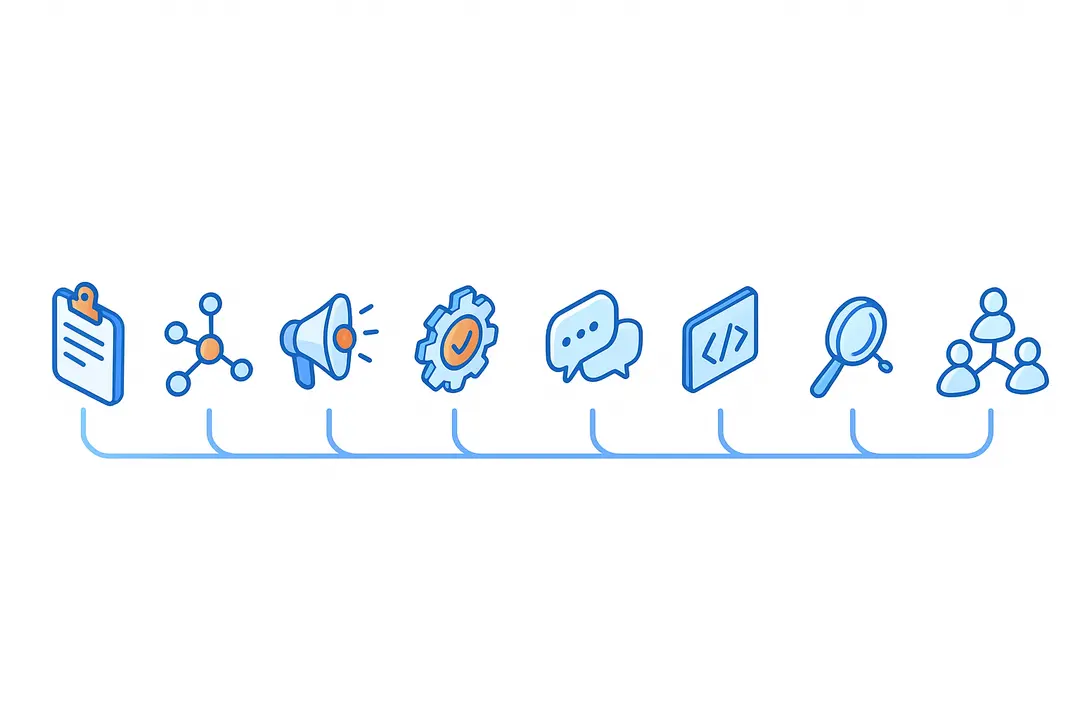
Hiring top Java developers requires a structured, repeatable approach that reduces risk and increases confidence in every hire.
10 Steps to Hire a Top Java Developer:
- Define The Role: Clarify whether you need backend, Android, enterprise, migration, microservices, or full-stack Java expertise.
- Choose The Right Source: Use agencies for managed teams, marketplaces for freelancers, and communities for direct sourcing.
- Write A Clear Brief: Include project goals, tech stack, expected deliverables, timeline, and required experience.
- Shortlist Candidates Or Companies: Compare portfolios, reviews, relevant projects, and communication quality.
- Review Code Or Case Studies: Look for clean architecture, testing, documentation, and maintainability.
- Conduct Technical Interviews: Use real project scenarios instead of only textbook questions.
- Run A Small Paid Trial: Test quality, speed, communication, and reliability before a large commitment.
- Check References: Ask previous clients or employers about delivery, teamwork, and problem-solving.
- Finalize Contract Terms: Cover payment, milestones, IP ownership, NDA, source code access, and confidentiality.
- Onboard Properly: Share documentation, communication channels, repo access, coding standards, and project expectations.
Common Mistakes To Avoid When Hiring Java Developers
- No IP Or Source Code Agreement: Your contract should clearly define ownership of code, documentation, and deliverables.
- Hiring Based Only On Hourly Rate: Cheap Java development can become expensive if the code needs to be rewritten.
- Ignoring Framework Fit: Core Java knowledge does not always mean strong Spring Boot, Hibernate, or cloud experience.
- Skipping Code Review: Resumes can exaggerate skills. Real code or a paid test gives better evidence.
- Not Checking Communication: Remote Java projects need clear updates, documentation, and ownership.
- Forgetting Security: Java apps often power sensitive business systems, so security should be part of vetting.
Current Java Hiring Trends
Java hiring is changing because companies need developers who can work with cloud systems, AI-assisted tools, microservices, and modern LTS versions.
| Trend | What It Means For Hiring |
|---|---|
| Cloud-Native Java | Look for Docker, Kubernetes, CI/CD, and cloud deployment experience |
| Spring Boot Demand | Spring remains central to modern Java backend hiring |
| Microservices | Developers should understand distributed systems and API design |
| AI-Assisted Development | Developers should use tools responsibly, with code review and security awareness |
| Java LTS Awareness | Teams should understand JDK version strategy and support timelines |
| Remote Hiring | Communication and async collaboration matter more than ever |
Oracle’s roadmap notes that JDK 25 LTS was released in September 2025, and users relying on JDK 21 under a permissive license are encouraged to move to JDK 25 or later after September 2026. This makes Java version awareness important for enterprise hiring and modernization planning.
Conclusion: Build Your Java Team With Confidence
Finding top Java developers takes more than browsing profiles or choosing the lowest rate. The right developer should understand your technology stack, business goals, architecture needs, security requirements, and long-term product roadmap.
If you need flexible talent, platforms like Toptal, Arc, and Upwork can help. If you want managed delivery or a dedicated team, java development companies such as Riseup Labs and other agency partners may be a better fit. If you want to evaluate technical depth directly, GitHub and developer communities can reveal real coding experience.
Start with a clear role definition, shortlist carefully, test technical ability, check communication, and protect your project with the right contract. With a structured hiring process, you can hire java developers who build stable, secure, and scalable software for your business.
Frequently Asked Questions About Finding and Hiring Java Developers
Where Can I Find Top Java Developers?
You can find top Java developers through specialized agencies like Riseup Labs, vetted platforms like Toptal and Arc, freelance marketplaces like Upwork, agency directories like Clutch, and developer communities like GitHub and CodersRank.
How Do I Hire Java Developers?
To hire java developers, define your project needs, choose the right hiring source, review portfolios, test Java and framework skills, check communication, run a paid trial, and finalize contracts with clear IP and confidentiality terms.
What Skills Should A Java Developer Have?
A Java developer should know Core Java, OOP, Spring Boot, Hibernate, REST APIs, databases, testing tools, cloud platforms, CI/CD, security, and debugging. Senior developers should also understand architecture and performance optimization.
How Much Does It Cost To Hire A Java Developer?
Java developer costs vary by region, seniority, and hiring model. Freelancers may charge lower hourly rates, while senior developers and agencies cost more. Typical planning ranges can start around $20/hr and exceed $180/hr for senior or agency-level work.
What Are The Best Platforms To Hire Java Developers?
The best platforms to hire Java developers include Toptal, Arc, Upwork, Clutch, GitHub, CodersRank, and LinkedIn. Agencies such as Riseup Labs are also useful when you need a dedicated team or managed Java development support.
Should I Hire A Freelance Java Developer Or A Java Development Company?
Hire a freelance Java developer for small tasks, bug fixes, or short-term support. Choose a java development company when you need a managed team, project delivery, QA, documentation, security, and long-term support.
How Do I Evaluate A Java Developer?
Evaluate a Java developer by reviewing past projects, checking code samples, asking scenario-based interview questions, testing framework knowledge, verifying references, and starting with a small paid task before a larger contract.
What Is The Best Java Framework To Look For?
Spring Boot is one of the most important frameworks to look for in modern Java backend development. Hibernate, Spring Security, Jakarta EE, and testing tools like JUnit and Mockito are also valuable depending on your project.
Are Java Developers Still In Demand?
Yes. Java remains widely used for enterprise applications, backend systems, microservices, cloud platforms, Android development, and financial software. Stack Overflow’s 2025 survey shows Java is still used by a large share of professional developers.
What Should Be Included In A Java Developer Contract?
A Java developer contract should include project scope, payment terms, milestones, confidentiality, IP ownership, source code access, delivery timeline, support terms, and termination conditions.
This page was last edited on 24 July 2026, at 6:35 pm

Start a conversation with our team to solve complex challenges and move forward with confidence.