
Software development pricing models are structured approaches to budgeting and contracting for custom software projects. Selecting the right pricing model is crucial for cost control, minimizing risk, and ensuring project success—yet many organizations struggle to navigate the options.
Choosing a software development pricing model affects how you manage budget, timelines, flexibility, and vendor relationships. The wrong choice can lead to missed deadlines, overspending, or disappointment in outcomes.
This guide explains all major software development pricing models—fixed price, time & materials, dedicated team, value-based, subscription, and hybrid options. You’ll learn how each model works, their pros and cons, and when to use them. We’ll also provide an actionable decision framework, comparison tools, and expert insights so you can make confident, cost-effective choices for your next software project.
Quick Comparison Table: Types of Software Development Pricing Models
The main software development pricing models differ by structure, flexibility, and fit for various project needs. Here’s an at-a-glance comparison:
| Model | Description | Best For | Key Pros | Key Cons |
| Fixed Price | Upfront cost for defined scope | Clearly scoped, short-term projects | Budget certainty, simple management | Rigid, less flexible to changes |
| Time & Materials (T&M) | Billed hourly/daily for work done | Evolving requirements, R&D, Agile sprints | Flexibility, iterative development | Unpredictable total cost |
| Dedicated Team | Monthly cost for leased team | Long-term, scalable, or complex projects | Scalability, continuity, control | Overhead, ramp-up time |
| Value-Based / Outcome | Payment tied to results/KPIs | Innovation, shared risk/reward projects | Incentive alignment, potential savings | Complex setup, value hard to define |
| Subscription | Regular fee (monthly/annual) | SaaS, support, ongoing dev/maintenance | Predictable cost, ongoing service | Not ideal for one-off, discrete work |
| Hybrid | Mix of above (e.g., Fixed + T&M) | Projects with evolving/uncertain needs | Tailored fit, balances pros/cons | Complex contracts, negotiation needed |
Explore each model in detail below, along with practical decision tools to help you choose..
What Is the Fixed Price Model in Software Development?
The fixed price model is a contract where the project cost is agreed upfront and remains unchanged, regardless of hours worked or minor changes. This classic software contract is best when requirements are clear and unlikely to shift.
A fixed price agreement suits projects with a well-defined scope, such as MVPs, short-term builds, or website launches. It provides:
- Pros:
- Budget certainty: Cost is known before the project starts.
- Simplified management: Fewer cycles over billing or hours tracked.
- Cons:
- Limited flexibility: Changes to project scope require renegotiation.
- Risk of over- or underestimation: Vendors may pad estimates to account for unknowns, or underbid and later cut corners.
Best Use:
– Short-term projects with detailed specs
– Regulatory-driven or compliance work
– Clients seeking maximum budgeting predictability
Example:
A fintech startup contracts a fixed price for a customer portal MVP. All screens, features, and integrations are locked in before development.
Risk Mitigation Tips:
- Invest time in requirements gathering.
- Include clear change management clauses.
- Agree on project milestones for phased payments.
- Negotiate terms for handling out-of-scope work.
How Does the Time & Materials (T&M) Model Work?
Time & Materials (T&M) pricing means you pay for the actual hours or days a team spends on your project, making it the preferred choice for flexible, evolving requirements.
T&M contracts are ideal for Agile or research-driven projects, where exact needs are unclear at the start or are expected to evolve alongside business goals.
- Pros:
- High flexibility: Easily accommodate scope changes.
- Incremental delivery: Suits Agile sprints and milestone billing.
- Transparency: Track actual work done.
- Cons:
- Cost unpredictability: Budgets can balloon if requirements grow.
- Greater client involvement: Regular input and oversight required.
Best Use:
– Innovation-driven projects (e.g., new product R&D)
– Ongoing software enhancements
– Prototyping, proof-of-concept, or exploratory builds
Example Scenario Table:
| Scenario | Why T&M is Ideal |
| Startup pivoting features | Frequent changes in product direction |
| Enterprise Agile migration | Sprints need room for reprioritization |
| New technology exploration | Unclear scope, iterative learning |
Managing T&M Successfully:
- Set weekly/monthly budget caps.
- Require transparent time tracking and reporting.
- Tie payments to deliverable milestones.
What Is the Dedicated Development Team Model?
The dedicated development team model involves hiring an external team—developers, designers, project managers—working exclusively on your project for a monthly fee. You manage priorities while the vendor handles HR, administration, and infrastructure.
This approach is favored by businesses with ongoing or long-term development needs, such as scaling SaaS products or maintaining large digital platforms.
- Pros:
- Scalability: Add or reduce headcount as projects evolve.
- Continuity: Consistent teams mean deep product familiarity.
- Full control: Aligns with in-house management and Agile processes.
- Cons:
- Overhead: Requires onboarding and maintaining work pipelines.
- Ramp-up time: Productivity grows as the team gains domain knowledge.
Best Use:
– Continuous development of SaaS products
– Enterprise digital transformation initiatives
– Companies seeking long-term vendor partnerships
How It Works:
- Teams are billed monthly, often via a retainer.
- Pricing depends on team size, skills, and seniority.
- Direct communication and management, just like internal staff.
Example:
A medtech company contracts a 6-person dedicated team to evolve its digital patient platform, delivering new features and handling ongoing maintenance.
Value-Based & Outcome-Based Pricing Models: Are They Right for Your Project?
Value-based and outcome-based pricing models tie payments—and vendor success—to specific business results or KPIs rather than just hours worked or scope delivered.
Value-based: The project price reflects the estimated business value delivered (e.g., increased sales, reduced costs), not input costs.
Outcome-based: Payments hinge on achieving pre-defined outcomes (e.g., app uptime, user adoption rates).
- Pros:
- Aligned incentives: Vendor and client share risk and reward.
- Potential cost-efficiency: Pay only for successful delivery or measurable results.
- Cons:
- Complex negotiation: Defining and agreeing on KPIs/value can be challenging.
- Measurement difficulties: Attributing outcomes directly to the project may be hard.
Best Use:
– Projects with measurable, high-value goals
– Digital innovation or transformation initiatives
– Clients open to collaborative risk-sharing
Example:
A retailer and software provider agree on an outcome-based contract: 20% of the fee is paid only if the new platform boosts conversion rates by 15% within six months.
Negotiation Tips:
- Collaboratively define measurable success criteria.
- Structure payments in phases tied to milestones or metric thresholds.
KPIs Often Used:
- Revenue growth
- User engagement or retention
- Operational cost savings
What About Subscription and Hybrid Pricing Models?
Subscription and hybrid models are increasingly common in SaaS and ongoing digital product maintenance, offering predictable costs and flexible engagement structures.
Subscription Model:
– Clients pay a regular (monthly or annual) fee for ongoing access, updates, and support.
– Best for: long-term maintenance, SaaS solutions, continuous feature delivery.
Hybrid Models:
– Combine elements of fixed price, T&M, or dedicated team as project needs dictate.
– E.g., fixed fee for core build, T&M for additional enhancements.
– Best for: projects with a stable core but evolving secondary needs.
- Pros:
- Subscription: Predictable budgeting, ongoing support.
- Hybrid: Tailored fit, reduces limitations of single-model contracts.
- Cons:
- Subscription: Can overpay if usage declines.
- Hybrid: Requires careful contract management and clear scope/billing rules.
Example Hybrid Pricing Table:
| Approach | How It Works | Best For |
| Fixed price + T&M | Core MVP fixed price, enhancements as T&M | Products with stable base, evolving features |
| Retainer + outcome bonuses | Monthly fee with bonus for hitting KPIs | Collaboration-focused or growth projects |
Trend Note:
With the rise of AI, SaaS, and digital transformation, flexible pricing models are now commonplace and allow buyers more choice than ever.
How Do You Choose the Right Software Development Pricing Model?
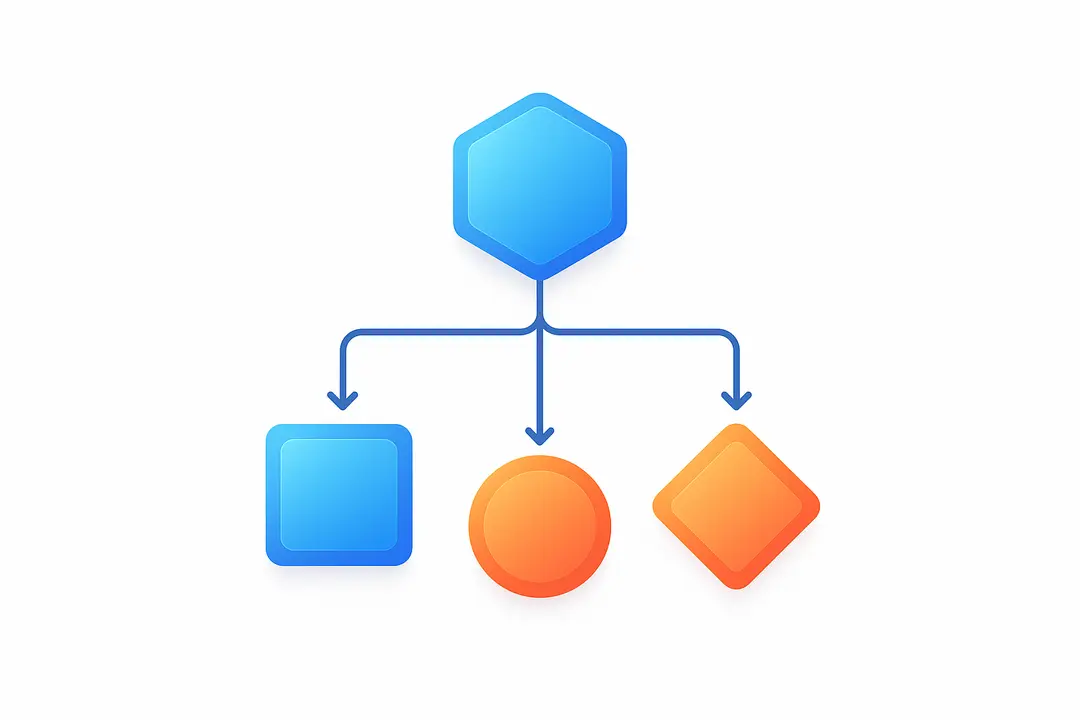
Selecting a suitable software development pricing model requires a structured, step-by-step approach. Key factors include project scope, budget certainty requirements, flexibility, and expected collaboration level.
Actionable Decision Framework:
- Is your project scope clear and unlikely to change?
Yes → Fixed price or short subscription.
No → Consider T&M, dedicated team, or hybrid. - Do you require budget predictability above all else?
Yes → Fixed price or defined subscription.
No → T&M or dedicated team may offer more flexibility. - How involved do you want to be in day-to-day decision-making?
Very involved → T&M or dedicated team.
Less involved → Fixed price or value-based. - Is the project ongoing or will it evolve post-launch?
Yes → Dedicated team, subscription, or hybrid model.
No → Fixed or T&M for one-off builds. - Are measurable business outcomes your main goal?
Yes → Value-based or outcome-based pricing.
Pro Tip:
Many organizations blend models as projects evolve—start with fixed or T&M, then shift to subscription or dedicated team for ongoing work.
Comparison Matrix: Pros, Cons, and Use Cases of All Major Pricing Models
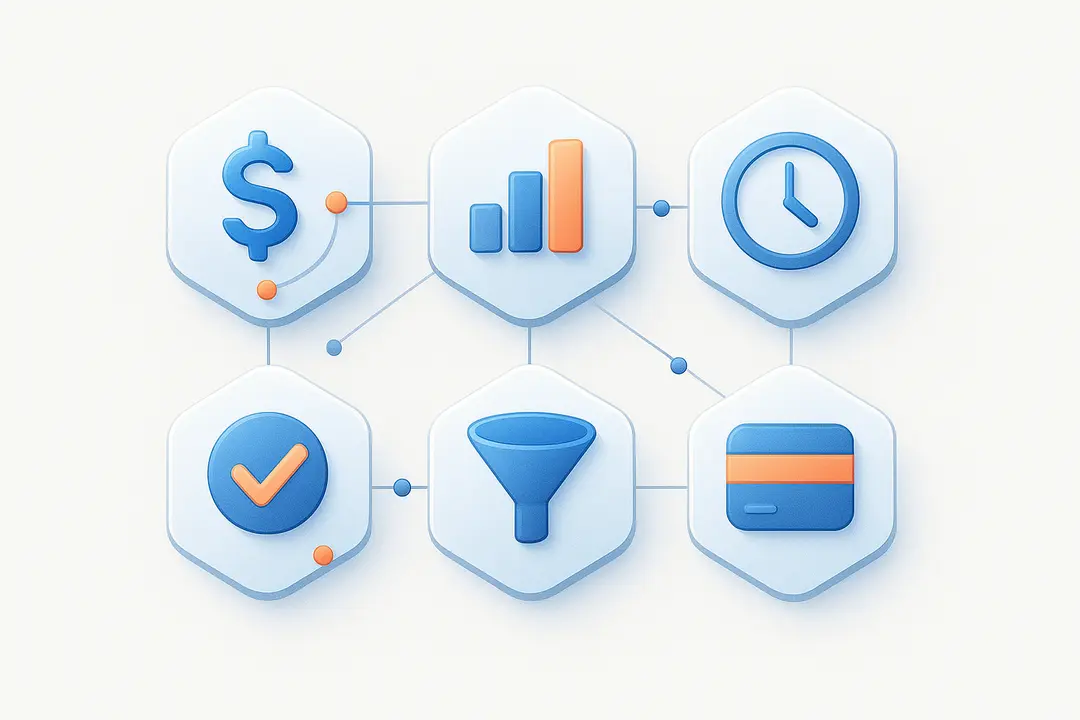
For a clear, side-by-side view, examine the following matrix:
| Model | How It Works | Best For | Pros | Cons | Example Use Case |
| Fixed Price | Upfront agreed sum for set scope | Defined, short-term projects | Cost certainty, simple oversight | Inflexible, scope change issues | Website MVP build |
| Time & Materials | Pay per hour/day for work delivered | R&D, Agile, evolving projects | Flexibility, transparency | Cost growth risk, oversight needed | Cloud migration with uncertain needs |
| Dedicated Team | Lease team monthly for full control | Ongoing, scalable products | Scalability, product knowledge | Overhead, team integration needed | SaaS platform continuous dev |
| Value/Outcome-Based | Payment based on agreed KPIs/results | Innovation, performance-driven | Incentive alignment, efficiency | KPI definition complex | App fee tied to revenue uplift |
| Subscription | Fixed monthly/annual payments | SaaS, maintenance, support | Predictable costs, ongoing support | Not suited for finite builds | AI chatbot platform maintenance |
| Hybrid | Mix of the above, contract-specific | Custom, changing projects | Balanced risk/flexibility | Complex contracts, oversight | Core build fixed, extras T&M |
Refer to the deep-dive sections for more context on each model.
Common Pitfalls and Mistakes When Choosing Software Development Pricing Models
Even experienced project buyers and vendors can misstep when selecting pricing models. Avoid these frequent pitfalls:
- Underestimating project scope or clarity: Rushing into fixed price contracts without precision invites disputes.
- Focusing only on lowest upfront price: Cheaper isn’t always better if flexibility or future work isn’t factored in.
- Ignoring change management: Projects rarely follow the original script—build in mechanisms for handling changes.
- Misunderstanding contract terms: Not all clauses are obvious; unclear T&M provisions or milestone criteria can disrupt work.
- Forgetting about mid-project shifts: If the model isn’t working, switching can be complex—plan for contingencies.
Caution:
A transparent selection process and clear communication with your vendor mitigate most risks.
Expert Insights: How CTOs and Consultants Choose Pricing Models in 2024
“Today, hybrid pricing models are the norm rather than the exception. Particularly with the rise of SaaS and AI-driven projects, flexibility and outcome alignment matter as much as fixed budgetary control.”
— CTO, Global SaaS Provider
Recent studies by McKinsey and Accenture highlight trends such as:
- Greater use of outcome-based pricing to foster innovation and share risk (Accenture, 2023).
- Subscription and dedicated team models gaining traction with remote and distributed development (Harvard Business Review, 2023).
- Emphasis on choosing models that accommodate Agile development and fast-changing business needs.
Top Tips from Practitioners:
- Align model with both budget tolerance and innovation appetite.
- Use pilot projects to test vendor fit and pricing flexibility.
- Structure contracts allowing for periodic review and transition if project context changes.
Frequently Asked Questions About Software Development Pricing Models
What are the main types of software development pricing models?
The main types of software development pricing models include fixed price, time & materials, dedicated team, value-based (outcome-based), subscription, and hybrid models. These software development cost models help businesses choose the right approach based on budget, flexibility, and project scope.
How does a fixed price software development pricing model work?
In this type of software development pricing model, the total cost is agreed upfront based on a clearly defined scope. It is one of the most predictable software pricing strategies, as the client pays a fixed amount unless requirements change.
When should you choose the time and materials pricing model in software development?
The time and materials model is ideal when requirements are evolving or unclear. Among the types of software development pricing models, it offers maximum flexibility and is widely used in agile environments and modern software pricing strategies.
What is the dedicated team model in software development pricing?
The dedicated team model is a popular software development cost model where you hire a team on a monthly basis. It is one of the most scalable types of software development pricing models, allowing full control over development while ensuring long-term collaboration.
How does value-based pricing compare to other software pricing strategies?
Value-based pricing differs from other types of software development pricing models because it focuses on outcomes rather than effort. This software pricing strategy aligns cost with business impact, making it ideal for high-value or ROI-driven projects.
Can you switch between different software development pricing models during a project?
Yes, switching between types of software development pricing models is possible, but it requires renegotiation and clear documentation. Many companies shift between software development cost models like fixed price to T&M as project needs evolve.
What is a hybrid software development pricing model?
A hybrid model combines multiple types of software development pricing models, such as fixed price for initial phases and T&M for ongoing work. These blended software pricing strategies offer both stability and flexibility.
What are the common risks in software development cost models?
Common risks across software development cost models include scope creep, inaccurate estimates, unclear requirements, and budget overruns. Choosing the right type of software development pricing model helps reduce these risks.
How do you estimate costs across different software pricing strategies?
Cost estimation varies across types of software development pricing models. Fixed price relies on detailed scope, T&M depends on hourly rates, and dedicated team pricing is based on monthly costs. Each software pricing strategy requires careful planning and forecasting.
What are the advantages and disadvantages of different software development pricing models?
Each of the types of software development pricing models has trade-offs. Fixed price offers predictability, T&M provides flexibility, dedicated teams ensure continuity, and value-based models align incentives. Choosing the right software development cost model depends on project goals.
Which software pricing model is best for startups?
Startups often prefer flexible software pricing strategies like time & materials or dedicated teams. These types of software development pricing models allow iteration and adaptation without heavy upfront commitments.
How do software pricing models impact project success?
The choice of types of software development pricing models directly affects timelines, quality, and budget. Selecting the right software development cost model ensures better collaboration, risk management, and overall project success.
Conclusion: Next Steps for Smart Software Project Budgeting
Selecting the right software development pricing model is a pivotal decision that shapes your costs, timeline, and partnership success. By understanding the options and using a structured evaluation framework, you can tailor your contracts to project realities—balancing risk, control, and innovation potential.
For more guidance and a custom pricing model selection checklist, reach out to our expert advisors or explore our in-depth resources on software project budgeting and strategy. Make your next software initiative a success—starting with the right foundation.
Key Takeaways: Choosing Your Ideal Software Pricing Model
- Use fixed price for well-defined, short-term projects where budget certainty is critical.
- Opt for time & materials when requirements are evolving, or Agile delivery is needed.
- Choose a dedicated team for ongoing, scalable development and full control.
- Explore value-based or outcome-based models when results and incentive alignment matter most.
- Leverage subscription or hybrid models for SaaS, ongoing support, or complex, adaptive projects.
This page was last edited on 9 July 2026, at 11:06 am

Start a conversation with our team to solve complex challenges and move forward with confidence.