
As global competition intensifies and demand for skilled developers continues to grow, many companies are turning to offshore development to expand their engineering capacity and accelerate product delivery. However, one of the most important questions organizations face is how to choose the right offshore development partner. The success of an outsourcing strategy often depends on selecting a partner that can deliver high quality work, communicate effectively, and align with long term business goals.
Understanding how to choose the right offshore development partner requires careful evaluation of technical expertise, development processes, security practices, and collaboration models. A well chosen partner can help reduce development costs, access specialized talent, and speed up time to market, while the wrong choice can lead to delays, miscommunication, and project risks. This guide outlines the key factors and practical steps businesses should consider when selecting a reliable offshore development partner.
What Is an Offshore Development Partner?
An offshore development partner is an external company or team located in another country, contracted to deliver software engineering or related tech services. Offshore development differs from nearshore (neighboring country) and onshore (your own country) outsourcing, and comes in various engagement models and team types.
Key definitions and distinctions:
- Offshore Development Partner: A provider based in a different geographic region, often selected for cost, expertise, or scalability advantages.
- Types of Offshore Partners:
- Individual freelancers
- Specialized agencies
- Dedicated teams within established companies
- Engagement Models:
- Fixed-price (predefined budget/scope)
- Time & Materials (T&M: pay per hour/effort)
- Dedicated team (long-term, managed resources)
- Offshore vs. Nearshore vs. Onshore Table:
| Model | Location | Example Regions | Typical Use Cases |
|---|---|---|---|
| Onshore | Same country | US, UK | Regulatory needs, close collab |
| Nearshore | Nearby time zones/countries | Eastern Europe ↔️ Western Europe, US ↔️ LATAM | Convenience, moderate savings |
| Offshore | Distant regions | India, Vietnam, Eastern Europe | Max cost savings, large projects |
What Are the Key Benefits and Drawbacks of Offshore Development?
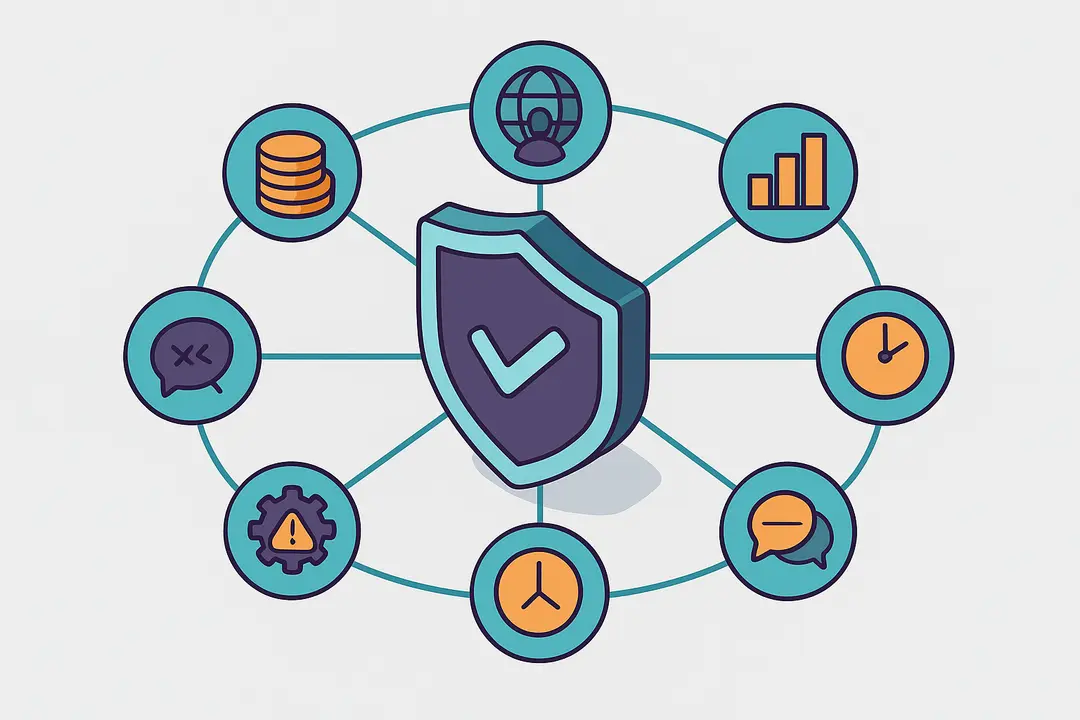
Offshore software development offers cost efficiency, global talent access, and scalability, but also brings challenges such as communication barriers and potential security risks.
Pros:
- Cost Savings: Offshore vendors typically offer lower development rates due to wage differentials.
- Access to Global Talent: Tap into specialized skills not available locally.
- Scalability: Rapidly add or scale down resources as needed.
- 24/7 Development: Time zone differences can enable continuous progress.
Cons:
- Communication Barriers: Language and cultural differences may impact alignment.
- Time Zone Gaps: Can delay feedback and collaboration.
- Data Security and IP Risks: Varying legal regimes may affect protection.
- Management Overhead: Requires robust processes for project, quality, and vendor oversight.
| Benefit | Drawback |
|---|---|
| Lower development costs | Coordination and communication issues |
| Wider pool of skilled engineers | Data/IP security and compliance risks |
| Flexible scaling of teams | Potential for hidden costs |
Example:
A fintech startup saved 40% on development costs using a trusted offshore team, but an ambiguous contract led to a six-week delay due to scope misunderstandings. Clear vetting and communication protocols are essential to maximize benefits and minimize risks.
Step-by-Step Guide: How to Choose the Right Offshore Development Partner
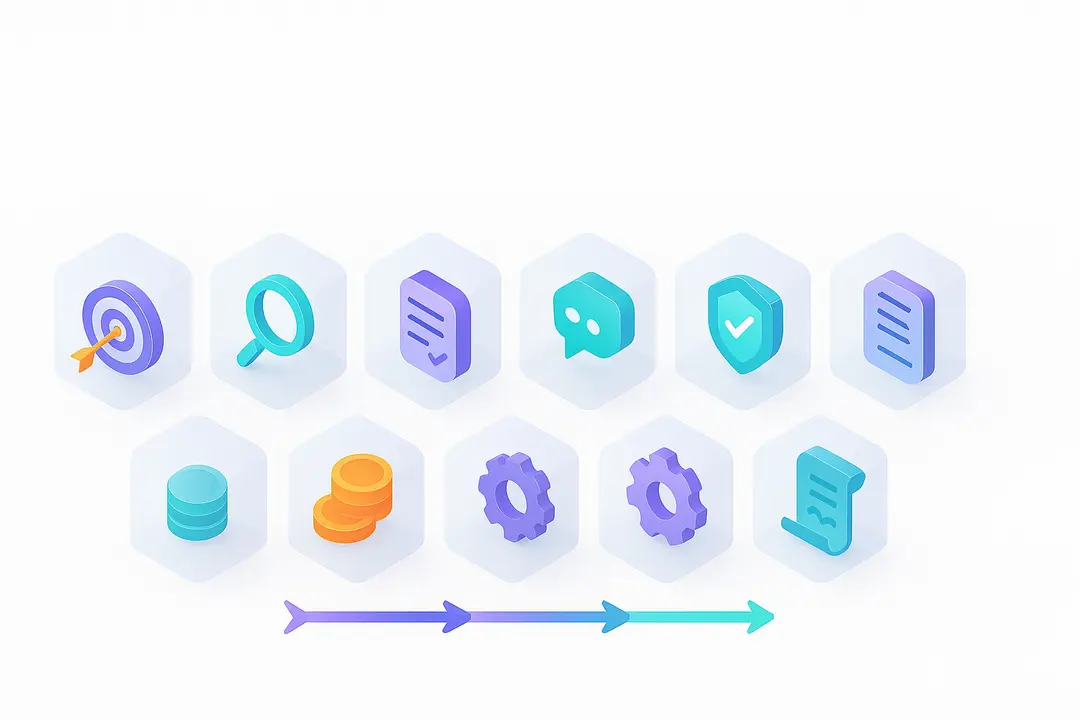
Choosing the right offshore development partner is a structured process that minimizes risk and increases your project’s odds of success. Follow these steps:
| Step | Action | Outcome |
|---|---|---|
| 1 | Define project goals and requirements | Clear business/technical needs |
| 2 | Research and shortlist candidates | Qualified, relevant vendor list |
| 3 | Assess technical expertise & domain knowledge | Skills matched to project |
| 4 | Evaluate communication & cultural fit | Smooth collaboration likelihood |
| 5 | Check data security, IP protection, and compliance standards | Protected IP and compliant operation |
| 6 | Compare pricing models and contract terms | No hidden costs, informed decision |
| 7 | Run a trial project | Real-world capabilities validated |
| 8 | Finalize selection and sign agreement | Strong, clear partnership foundation |
Define Your Project Goals, Scope, and Requirements
Start by clearly outlining your business objectives, technical requirements, and priorities before engaging with potential partners. This early clarity prevents scope drift and miscommunication later.
Action steps:
- Document your business goals and desired outcomes.
- Break down essential features, timelines, and technical requirements.
- Prepare a draft Request for Proposal (RFP) or project brief to share with vendors.
Sample RFP elements:
- Project description and objectives
- High-level technical requirements
- Timeline and milestones
- Budget expectations
- Key deliverables
A thorough project brief forms the foundation for meaningful vendor discussions and shortlisting.
Research and Shortlist Potential Offshore Partners
Conduct systematic research to identify and shortlist vendors with relevant experience, domain expertise, and strong reputations.
Research methods:
- Browse independent directories (e.g., Clutch.co, GoodFirms, GSA).
- Review portfolios and case studies on vendor websites.
- Request referrals from peers or industry networks.
- Analyze country and city considerations (talent availability, cost, geopolitical stability).
Shortlisting checklist:
- Company size and maturity fits your project needs.
- Relevant tech stack and domain specialization.
- Positive client reviews and independently verified references.
- Transparency in approach and communication.
Tip: Use a simple table to track and compare potential partners across key criteria.
Assess Technical Expertise and Domain Knowledge
Evaluate each candidate’s technical capabilities and industry-specific experience to ensure alignment with your project requirements.
Ways to assess:
- Request code samples, completed project demos, or technical case studies.
- Interview engineers or leads directly to gauge expertise and methodology.
- Validate familiarity with necessary compliance (e.g., fintech regulations, HIPAA in healthtech).
- Check for certifications in relevant technologies and frameworks.
| Vendor | Skills/Tech Stack | Industry Experience | Certifications | Client References |
|---|---|---|---|---|
| Vendor A | Java, React, AWS | Healthcare | ISO 27001, AWS Cert | 3 supplied |
| Vendor B | Python, Angular, GCP | Fintech | SOC2, PCI-DSS | 2 supplied |
A rigorous technical review will highlight both strengths and potential gaps.
Evaluate Communication and Cultural Fit
Effective communication and cultural compatibility are among the top predictors of offshore partnership success. Misalignment in working styles or communication rhythms can undermine even technically strong teams.
Evaluation checklist:
- Is English (or your working language) fluency validated?
- Is there daily or weekly overlap in working hours for meetings/collaboration?
- Are preferred project management and communication tools aligned (e.g., Slack, Jira, Asana, MS Teams)?
- Do team leads demonstrate openness and responsiveness?
Pro tip:
Set up a real-time meeting or workshop with the proposed team to assess rapport, responsiveness, and transparency before finalizing their inclusion on your shortlist.
Check Data Security, IP Protection, and Compliance Standards
Prioritize data security and IP protection to avoid legal complications and potential reputational risks.
What to check:
- Does the vendor have recognized security certifications (ISO 27001, SOC2)?
- How do they comply with data privacy regulations relevant to your sector (GDPR, industry-specific frameworks)?
- Are NDAs and intellectual property clauses included in their standard contracts?
- Is the legal jurisdiction for disputes clear and enforceable?
Expert recommendation:
Legal counsel with outsourcing experience should review these terms before any commitment.
Compare Pricing Models and Contract Terms
Understand the different offshore engagement models and clarify all terms to avoid hidden costs or inflexible agreements.
Common pricing models:
- Fixed-Price: Suitable for well-defined, static projects. Low risk if scope is clear, but inflexible to change.
- Time & Materials (T&M): Pay for hours/resources used. Best for evolving or exploratory projects.
- Dedicated Team: Long-term, full-time resources managed to your needs. Highly scalable, but requires strong management.
| Model | Pros | Cons | Use Case |
|---|---|---|---|
| Fixed-Price | Predictable, budgetable | Scope inflexibility | MVP, defined builds |
| T&M | Flexible, easy to scale/change | Budget can vary | R&D, iterative projects |
| Dedicated | Full-control, best for long-term | Higher upfront cost | Product extensions |
Clarify payment schedules, exit clauses, and definitions for what’s included (e.g., support, maintenance, handover).
Run a Trial Project or Pilot Test
A trial project mitigates risk and provides firsthand experience of a vendor’s delivery, communication, and process strengths.
How to structure:
- Define a small but representative deliverable.
- Provide the same requirements to all finalists.
- Track performance across these criteria:
- Quality of deliverable
- Timeliness and adherence to process
- Clarity and speed of communication
- Proactive problem-solving
Sample trial project scoring rubric:
| Criteria | Score (1-5) | Notes |
|---|---|---|
| Code quality | ||
| Communication | ||
| Timeliness | ||
| Documentation |
Review trial outcomes as a team and discuss lessons learned before choosing your final partner.
Finalize Selection and Sign the Agreement
Before signing a contract, conduct thorough due diligence to validate your final choice and ensure all legal and operational details are covered.
Agreement checklist:
- Conduct reference and background checks (ideally, speak directly with previous clients).
- Have contracts reviewed by legal and procurement.
- Confirm all NDAs, IP, compliance obligations, and project specifics are included.
- Develop an onboarding and kickoff roadmap: roles, milestones, communication cadence.
A robust agreement and onboarding plan set expectations and reduce the risk of last-minute surprises.
Summary Table Offshore Partner Selection Checklist
Use this selection checklist to self-audit your process and share with your team. Get the full checklist as a downloadable PDF or Excel via our resources page.
| Step | Complete (✔️/❌) | Notes/Next Actions |
|---|---|---|
| Project goals/requirements defined | ||
| Shortlist of qualified vendors | ||
| Technical/domain skills validated | ||
| Communication/cultural fit assessed | ||
| Security/IP/compliance checked | ||
| Pricing models/terms compared | ||
| Trial project completed | ||
| Final due diligence & contract |
Deep Dive: Key Evaluation Criteria & Questions to Ask Vendors
What Critical Criteria Should Be On Your Offshore Vendor Evaluation Checklist?
Selecting the best offshore development partner requires a robust, repeatable evaluation framework that covers capability, reliability, and risk.
Top evaluation criteria:
- Responsiveness and transparency in communication
- Technical stack and integration capabilities
- Proven industry experience and client references
- Security, compliance, and reputation (certifications, legal standing)
- Collaboration processes, SLAs, and escalation paths
A systematic scorecard helps remove bias and supports defensible selection decisions.
What Are the Most Important Questions to Ask a Potential Offshore Partner?
Asking targeted questions during vendor assessment uncovers both capability and potential risk.
Essential interview questions:
- What is your process for managing changes in project scope?
- How do you ensure data security and handle sensitive IP?
- Can you detail your communication protocols and collaboration tools?
- How do you manage urgent issues and time zone coordination?
- Can you provide recent client references for similar projects?
- What certifications and compliance standards do you follow?
Customize these questions based on your industry and project needs for maximum insight.
What Red Flags and Common Pitfalls Should I Watch For?
Certain signals indicate a vendor may not be the right fit and could jeopardize your project.
Top red flags:
- Overpromising on delivery timelines or costs
- Avoiding detailed discussion on legal/IP matters
- Slow, unclear, or inconsistent communication during trial/project setup
- High staff turnover, lack of team continuity
- Evasive responses about past project outcomes
Recognizing these warning signs early can save your business time and resources.
How Do I Manage the Partnership for Ongoing Success After Selection?
Long-term success with an offshore development partner depends on structured management, clear metrics, and open collaboration.
Best practices:
- Establish and regularly review SLAs and key performance indicators (KPIs)
- Define escalation and issue resolution protocols
- Schedule recurring performance reviews and structured feedback cycles
- Invest in team-building, continuous process improvement, and mutual learning
Expert insight:
“Building a culture of transparency and open feedback between onshore and offshore teams is often the difference between project success and costly failure,” says Nicolette Summers, CIO at a leading SaaS company.
FAQ: Offshore Development Partner Selection
What are the key steps in how to choose the right offshore development partner?
Understanding how to choose the right offshore development partner starts with defining your project requirements and technical goals. The process typically includes researching vendors, shortlisting qualified teams, conducting offshore development vendor evaluation, testing collaboration through a pilot project, and finalizing the partnership with clear contracts and onboarding procedures.
What criteria are important in offshore software development partner selection?
Successful offshore software development partner selection requires evaluating several factors such as technical expertise, industry experience, communication capabilities, security standards, pricing transparency, and project management practices. These criteria help companies determine how to choose the right offshore development partner that aligns with both technical and business objectives.
How can businesses ensure data security when learning how to choose the right offshore development partner?
Security is a critical part of offshore development vendor evaluation. Companies should review certifications such as ISO 27001 or SOC2, include strong intellectual property clauses in contracts, and confirm compliance with relevant data protection regulations. These steps help protect sensitive information when determining how to choose the right offshore development partner.
What questions should you ask during offshore development vendor evaluation?
During offshore development vendor evaluation, businesses should ask about development processes, communication practices, security protocols, change management policies, and previous client projects. These discussions help clarify how to choose the right offshore development partner who can deliver reliable results and maintain consistent collaboration.
How do you evaluate communication and cultural fit in offshore software development partner selection?
A key part of offshore software development partner selection is assessing communication and cultural compatibility. Companies should schedule live meetings, review the vendor’s responsiveness, and confirm availability for regular updates. Strong communication practices are essential when deciding how to choose the right offshore development partner.
What engagement models should companies consider when choosing an offshore partner?
When exploring how to choose the right offshore development partner, businesses often evaluate different engagement models such as fixed price projects, time and materials agreements, or dedicated development teams. Each model offers different levels of flexibility and risk depending on the project scope.
How can companies compare costs during offshore development vendor evaluation?
Cost analysis is an important part of offshore development vendor evaluation. Companies should compare hourly rates, development capabilities, and hidden operational costs such as time zone management or coordination overhead. This analysis helps organizations understand how to choose the right offshore development partner without sacrificing quality.
What common mistakes occur during offshore software development partner selection?
Many companies struggle with offshore software development partner selection because they prioritize price over expertise, fail to define project requirements clearly, or skip thorough vendor assessments. Avoiding these mistakes is essential for organizations learning how to choose the right offshore development partner.
Why is a pilot project important when deciding how to choose the right offshore development partner?
A pilot project allows companies to observe the vendor’s development quality, communication style, and problem solving approach in real conditions. Including a pilot phase in offshore development vendor evaluation reduces long term risk and helps confirm how to choose the right offshore development partner.
How can businesses prepare an effective RFP for offshore software development partner selection?
An effective request for proposal should include a clear project overview, expected deliverables, preferred technology stack, development timeline, and evaluation criteria. This structured approach simplifies offshore software development partner selection and helps companies better understand how to choose the right offshore development partner.
How long does offshore software development partner selection typically take?
The timeline for offshore software development partner selection varies depending on project complexity and vendor availability. In most cases, companies spend several weeks conducting offshore development vendor evaluation, reviewing proposals, and interviewing potential partners before finalizing the decision.
Conclusion and Next Steps: Confidently Launching Your Offshore Development Project
Selecting the right offshore development partner is an important step for organizations that want to expand their technical capabilities while maintaining quality and efficiency. When businesses take the time to clearly define their project goals, carefully evaluate potential vendors, and establish strong communication and security practices, offshore collaboration can become a valuable part of their development strategy.
Understanding how to choose the right offshore development partner helps companies reduce project risks, access specialized global talent, and deliver software solutions more effectively. With a thoughtful selection process and a focus on long term collaboration, organizations can build reliable partnerships that support consistent development success and future growth.
Key Takeaways
- A structured, step-by-step framework greatly increases offshore outsourcing success.
- Prioritize communication, technical fit, and security alongside price.
- Always run a trial project to validate capabilities before full-scale commitment.
- Use scorecards, checklists, and legal review to minimize risks and surprises.
- Successful partnerships rely on continual management, measurement, and mutual trust.
This page was last edited on 9 July 2026, at 11:09 am

Start a conversation with our team to solve complex challenges and move forward with confidence.