
Rising competition and rapidly evolving buyer expectations are forcing digital marketplaces to rethink their growth strategies. Static platforms are no longer enough. To stand out, founders and product leaders must understand how to build an AI-powered marketplace app that delivers smarter matching, personalized experiences, dynamic pricing, and data-driven decision-making.
Yet many teams struggle with declining engagement, rising churn, and limited differentiation in saturated markets. Without a clear roadmap, AI initiatives can quickly become expensive experiments rather than scalable advantages. This comprehensive guide breaks down how to build an AI-powered marketplace app step by step—from defining your product vision and selecting the right technologies to managing costs, ensuring trust, and optimizing performance—so you can create a more intelligent, competitive, and future-ready platform.
Summary Table: Key Steps & Success Factors for AI Marketplace App Development
| Step | What/Why | Key Tool/Entity | Time/Cost Range |
|---|---|---|---|
| Define Vision & AI Value | Set goals, user segment/focus | Business canvas | 2–3 weeks, low cost |
| Market Research & Compliance | Validate, plan, legal lens | Market surveys, GDPR | 2–4 weeks, moderate |
| Architecture & Tech Stack | Foundation for growth/AI | React, Django, AWS | 2–4 weeks, moderate |
| Build Core Marketplace Features | MVP to test idea | Node.js, Stripe | 6–10 weeks, $25–60K |
| Integrate AI Features | Personalization, automation | OpenAI, Vertex AI | 2–6 weeks, $20K+ |
| Test & Launch MVP | Validate, improve fast | QA tools, beta users | 2–3 weeks, $8–20K |
| Go-to-Market & Trust Building | Growth & retention | Referral, review system | Ongoing, variable |
What Is an AI-Powered Marketplace App?
An AI-powered marketplace app is a digital platform that connects buyers and sellers and leverages artificial intelligence to enhance search, personalization, trust, and operational efficiency.
Unlike traditional marketplaces, these platforms use AI tools and models to deliver smarter recommendations, automate support, prevent fraud, and optimize transactions.
Key Concepts:
- AI-powered marketplace app: Integrates machine learning, NLP, and automation for superior user experience.
- Use Cases:
- B2C (Business-to-Consumer): e.g., e-commerce marketplaces with tailored recommendations.
- B2B (Business-to-Business): procurement platforms using AI matching.
- C2C (Consumer-to-Consumer): peer-to-peer platforms with AI fraud detection.
- Core AI Features: Recommendation engines, smart search, chatbots, automated moderation, fraud detection.
- Empowers Stakeholders:
- Buyers: Find products faster through personalized search.
- Sellers: Reach matched audiences, improve conversions.
- Platform Owners: Reduce churn, boost trust, automate scaling.
Why Add AI to a Marketplace Platform?
Integrating AI into a marketplace app brings powerful benefits—from tailored user experiences to streamlined operations and better risk management.
Businesses using AI e-commerce solutions report higher transaction rates, improved trust, and greater user retention.
Core Benefits of AI in Marketplace Apps:
- Personalization: AI recommendation engine suggests products/services tailored to user behavior, increasing conversion rates.
- Automation: AI chatbots provide 24/7 support, while machine learning automates moderation and onboarding.
- Fraud Prevention: AI-powered fraud detection identifies suspicious behavior faster, safeguarding users and transactions.
- Trust and Safety: Contextual AI tools filter scams, fake reviews, and spam content, improving transparency.
Examples of AI Features and Outcomes:
| AI Feature | Description | Business Value |
|---|---|---|
| AI Recommendation Engine | Learns preferences, boosts relevant offers | Higher average order value |
| Dynamic Pricing | Adjusts prices based on demand/market data | Maximizes seller profit margin |
| AI Chatbot Integration | AI-driven Q&A, guides onboarding | Reduces support overhead |
| Demand Forecasting | Predicts inventory and transaction trends | Lowers risk of stock-outs/excess |
| Fraud Detection with ML | Flags anomalies or rapid changes in behavior | Reduces chargebacks, builds trust |
Real-world platforms such as Flipkart and Etsy use AI to personalize search results and detect fraudulent listings, leading to improved user engagement and platform growth.
How To Build An AI-Powered Marketplace App: Step-By-Step Process
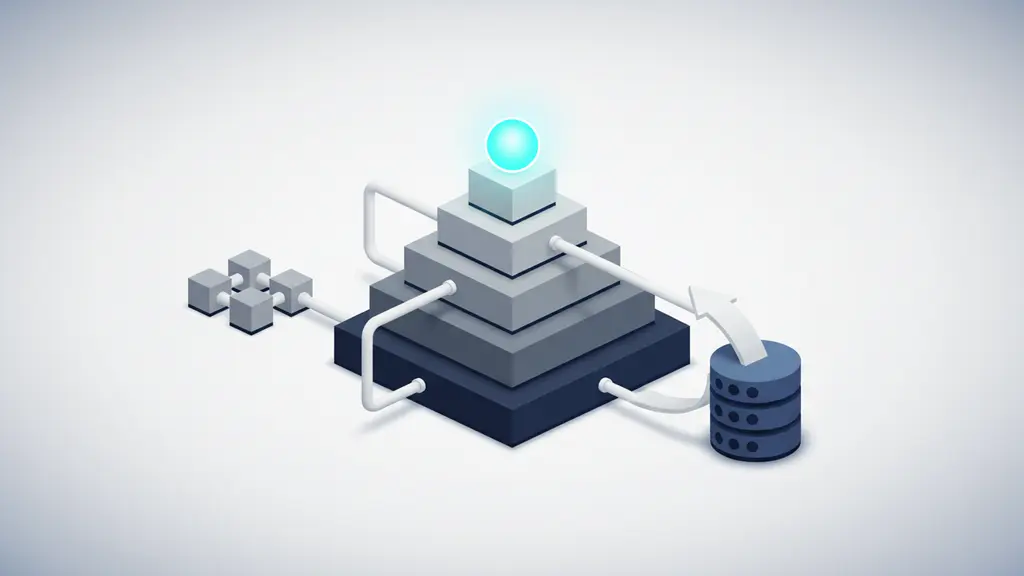
Building an AI-powered marketplace app involves a structured process—from defining your unique vision to launching, scaling, and continuously improving with user feedback and AI optimization.
A clear, stepwise approach ensures you avoid costly mistakes, comply with regulations, and create a product that delights both buyers and sellers.
Step 1: Define Your Marketplace Vision and AI Differentiation
Clarify your core business goals, target user segments, and what sets your AI-powered marketplace app apart from competitors.
- Identify Audience & Value Proposition: Who will use your app, and why will they choose it over existing alternatives?
- Map Unique AI Value-Adds: List standout AI features (e.g., recommendation engine, smart onboarding, dynamic pricing) that directly support your business goals.
- Describe Feature Outcomes: E.g., “AI-driven recommendations will increase repeat purchase rates,” or “Fraud detection will reduce abandoned transactions.”
Tip: Create a simple table matching each planned AI feature with its intended user and business outcome.
Step 2: Conduct Market Research, Data Planning & Compliance Analysis
Validate the opportunity with thorough research and ensure your data strategy is robust and compliant.
- Market Validation: Study competitors, assess real user pain points, and gather data on current marketplace gaps.
- Data Source Planning: List all valuable data types (user activity, listings, ratings), and identify third-party data enrichments.
- Compliance Review: Address privacy and security requirements from the start. Consider GDPR, CCPA, user consent flows, and anonymization strategies.
Step 3: Design the Marketplace Architecture & Select Your Tech Stack
A scalable marketplace app architecture sets the foundation for AI integration and long-term growth.
- Core Architecture Elements:
- Front-End: User experience/UI
- Back-End: APIs, business logic, user data management
- Data Pipelines: For AI model training, user profiling, and event logging
- Tech Stack Selection:
- Frameworks: Off-the-shelf (Sharetribe, Magento) or custom builds
- AI/ML Tools: TensorFlow, PyTorch, OpenAI APIs, Google Vertex AI
- APIs/Cloud: AWS, Google Cloud, Azure integrations for storage, scaling, and model deployment
- Key Considerations:
- Modularity for future AI upgrades
- Cost-based tool selection
- Security protocols from the outset
Sample Marketplace App Tech Stack Table:
| Layer | Tool/Platform Options | Pros | Cons |
|---|---|---|---|
| Front-End | React.js, Angular, Vue.js | High developer adoption, flexibility | Learning curve, complexity |
| Back-End | Node.js, Django, Ruby on Rails | Rapid prototypes, API-first | Scalability at large scale |
| Database | PostgreSQL, MongoDB, Firebase | Reliability, easy scaling | Complex in multi-region |
| AI/ML | TensorFlow, PyTorch, OpenAI, Vertex AI | Wide ML features, cloud ready | Compute cost, ML expertise |
| Cloud/DevOps | AWS, Google Cloud, Azure | Proven, robust, scalable | Ongoing cost, setup time |
Step 4: Build Core Marketplace Features & MVP Elements
Develop your core marketplace capabilities first, focusing on must-have features to quickly validate your business idea and gather feedback.
- Essential Features:
- Listings/catalog
- Search and advanced filters
- User onboarding and seller onboarding flows
- Secure payments and escrow integration
- Messaging between buyers and sellers
- Profile and user management
- MVP Guidance:
- Start lean—avoid feature bloat
- Build for scale and modular AI integrations
- Prioritize usability and feedback capture
Step 5: Integrate Key AI Features (What, Why & How)
Add high-impact AI features that deliver real business value and enhance the user experience.
Common AI Marketplace App Integrations:
- AI Recommendation Engine: Analyze user behavior and preferences to suggest relevant listings or partners.
- Chatbot Integration: Implement AI chatbots for customer support, onboarding, and instant assistance 24/7.
- AI-Powered Fraud Detection: Machine learning models scan for unusual activity, safeguarding payments and user data.
- Dynamic Pricing & Demand Forecasting: Adjust prices in real-time, optimize inventory, and reduce lost sales via predictive insights.
Integration Patterns:
- Plug-and-Play APIs: Faster, less customized—ideal for rapid launches.
- Custom ML Models: Tailored, require more data and expertise—suitable for differentiated, specialized features.
Step 6: Test, Deploy MVP, and Adopt Iterative Improvement
Thorough testing ensures both the core app and AI features work reliably and deliver intended value.
- Quality Assurance: Test both marketplace flows and AI model outputs.
- User Acceptance Testing: Engage beta users to validate usability and collect early feedback.
- MVP Launch: Release to a targeted audience, track engagement, bugs, and gather continual data for improvement.
- Iterative Deployment: Use real user data to retrain models, tune features, and ship rapid improvements.
Step 7: Go-to-Market, Marketplace Liquidity & Trust Building
After launching your MVP, focus on solving the “cold start” problem and rapidly building liquidity and trust.
- Early User Acquisition: Target niche segments, activate both buyers and sellers simultaneously, and introduce referral programs.
- AI-Powered Onboarding: Use AI to guide newbies and create personalized startup experiences.
- Trust Signals: Showcase verified reviews, introduce escrow payment options, and display guarantees to boost confidence.
- Feedback Loops: Implement easy reporting, gather user ratings, and establish processes for regular AI model retraining and feature tweaks.
How Much Does It Cost to Build an AI-Powered Marketplace App?
The cost to build an AI-powered marketplace app varies by features, scale, and complexity of AI integration.
For most startups, MVPs can be developed for a relatively modest budget, while enterprise builds require greater investment.
Cost Table: Feature/Complexity Mapping (2024 Benchmarks)
| Feature/Phase | Cost Range (USD) | Timeline Estimate |
|---|---|---|
| Discovery & Architecture | $10,000 – $25,000 | 2–4 weeks |
| Core Marketplace MVP | $25,000 – $60,000 | 2–3 months |
| AI Feature Integration | $20,000 – $50,000+ | 1–2 months |
| Cloud, API & DevOps Setup | $5,000 – $20,000 | 2–4 weeks |
| Testing & Deployment | $8,000 – $20,000 | 2–3 weeks |
| Total MVP Budget | $68,000–$175,000 | 3–6 months |
Enterprise projects or highly custom AI can exceed $250,000+, especially when advanced machine learning, scalability, or compliance are critical.
Key Cost Drivers:
- Scope and number of AI features
- Custom vs. plug-and-play AI integration
- Regulatory and security requirements
- Maintenance & model retraining (ongoing OPEX)
Tech Stack, Tools, and Frameworks for AI Marketplace Development
Selecting the right tech stack for your AI marketplace development ensures flexibility, futureproofing, and scale.
Below is a comparison of popular tools and platforms by category.
Tech Stack Comparison Table
| Layer | Tools/Platforms | Strengths | Weaknesses | Use When… |
|---|---|---|---|---|
| Front-End | React.js, Angular | Custom UI, large ecosystem | Dev-intensive | Unique UX needed |
| Back-End | Node.js, Django, Ruby on Rails | Rapid build, REST APIs | Performance varies | Fast prototyping |
| Database | PostgreSQL, MongoDB | Robust, scalable | Mongo: no joins | Horizontal scaling |
| AI/ML | TensorFlow, PyTorch | Custom ML, advanced control | Steeper learning | Proprietary AI needed |
| OpenAI API, Google Vertex AI | Fast integration, cloud models | Ongoing API fees | Start quickly/iterate | |
| Hosting/Cloud | AWS, Google Cloud | Scalable, secure, global reach | Cost at scale | Future growth planned |
When to Use Vendor APIs vs. Build In-House:
- Vendor APIs (e.g., OpenAI, Vertex AI):
- Ideal for time-to-market, lower upfront cost, and proven reliability.
- Use for chatbots, general recommendation engines, or NLP features.
- In-House Custom Models (TensorFlow, PyTorch):
- Appropriate for deeply specialized AI, competitive differentiation, or where data privacy and proprietary algorithms are critical.
Best Practices for Building a Trustworthy & Compliant AI Marketplace

Building trust and maintaining compliance are essential to growing a durable AI-powered marketplace app.
Ignoring these areas can lead to loss of users, fines, and reputational risk.
Checklist for AI Marketplace Trust & Compliance:
- User Trust Drivers:
- Ratings, verified reviews, transparency in algorithms (“why was this recommended?”).
- Offer escrow options and clear buyer/seller guarantees.
- Data Privacy in AI Marketplaces:
- Anonymize personal data where possible; encrypt PII.
- Clearly communicate and gain user consent for data collection and AI usage.
- Implement opt-outs and privacy dashboards.
- Fraud and Bias Prevention:
- Continuously monitor and audit AI models for bias or drift.
- Use diverse training datasets to prevent exclusion.
- Security Practices:
- Follow OWASP Marketplace guidelines, perform regular threat modeling, and patch vulnerabilities rapidly.
- Enforce strong authentication (MFA), role-based access control, and regular security audits.
Common Pitfalls & How to Overcome Challenges in AI Marketplace Development
Many teams encounter the same hurdles when moving from idea to live AI marketplace.
With careful planning, you can avoid these stumbling blocks.
Typical Challenges and Solutions:
- Cold Start & Marketplace Liquidity:
- Problem: Hard to attract both buyers and sellers early on.
- Solution: Offer initial incentives, use invite/referral systems, or seed inventory manually.
- Data Bias & Model Drift:
- Problem: AI models inadvertently reinforce bias or lose accuracy over time.
- Solution: Regularly retrain models, evaluate on new data, monitor for skew and update as needed.
- Over-Complicated MVPs:
- Problem: Feature bloat leads to missed deadlines and budget overruns.
- Solution: Start with essential features, gather user feedback, and iterate.
- Regulatory Missteps:
- Problem: Incomplete data consent or privacy features cause legal exposure.
- Solution: Consult with legal advisors; align with GDPR/CCPA from day one.
- Scaling, Security, and Maintenance:
- Problem: Performance collapses as platform scales or is targeted by bad actors.
- Solution: Choose scalable cloud infrastructure, perform ongoing security reviews, and address vulnerabilities quickly.
AI Marketplace Success Stories & Case Studies (2026 Updates)
Real-world AI-powered marketplace apps demonstrate measurable improvements in user engagement, operational efficiency, and fraud reduction.
Case Snippets:
- Etsy: Introduced an AI recommendation engine in 2024, increasing personalized search visibility and boosting conversion rates for new listings.
- Flipkart: Leveraged machine learning for dynamic pricing and fraud detection, resulting in a significant drop in chargebacks and 15% faster listing approval times.
- Emerging Startup (B2B Marketplace, 2024): Used OpenAI-powered chatbots for customer onboarding, reducing first-time user drop-off by over 20%.
Lessons Learned:
- Starting lean with key AI features allows rapid iteration based on feedback.
- Investing early in trust and bias auditing pays dividends in long-term user retention.
- Adopting cloud-based AI tools accelerates time-to-market for startups without in-house ML teams.
FAQ: Top Questions on Building AI-Powered Marketplace Apps
1. What Is An AI-Powered Marketplace App And Why Does It Matter?
An AI-powered marketplace app is a digital platform connecting buyers and sellers while using artificial intelligence to personalize recommendations, optimize search, detect fraud, automate support, and improve matching. When learning how to build an ai-powered marketplace app, understanding these intelligent layers is essential for long-term competitiveness.
2. What Are The Key Features Needed In AI Marketplace App Development?
Successful ai marketplace app development includes recommendation engines, AI chatbots, fraud detection systems, dynamic pricing algorithms, smart search functionality, and automated buyer-seller matching. These features enhance personalization, security, and operational efficiency.
3. How Much Does It Cost To Build An AI-Powered Marketplace App?
The cost of how to build an ai-powered marketplace app depends on complexity and scale. A basic MVP typically ranges from $68,000 to $175,000, while enterprise-level platforms can exceed $250,000. Costs include core development, AI model integration, compliance implementation, and ongoing optimization.
4. What Is The Timeline For AI Marketplace App Development?
For teams planning ai marketplace app development, a minimum viable product usually takes 3–6 months from strategy to launch. More advanced platforms with custom AI models or multi-region compliance requirements may require additional time.
5. How Do You Choose The Right Technologies To Build An AI-Powered Ecommerce Platform?
When planning to build ai-powered ecommerce platform solutions, select technologies based on business objectives, scalability needs, data privacy requirements, and internal expertise. APIs like OpenAI or Vertex AI enable rapid deployment, while TensorFlow or PyTorch are better suited for custom AI model development.
6. What Are Best Practices For Building Trust In An AI-Powered Marketplace App?
If you’re exploring how to build an ai-powered marketplace app, prioritize trust mechanisms such as AI-driven fraud detection, secure authentication systems, transparent rating models, and clear privacy policies. Trust is critical for sustainable marketplace growth.
7. How Does AI Improve User Experience In Multi-Vendor Marketplaces?
In modern ai marketplace app development, AI enhances product discovery through personalized feeds, intelligent recommendations, automated moderation, predictive search, and real-time support. This leads to higher engagement and reduced churn.
8. How Do You Ensure Data Privacy When You Build An AI-Powered Ecommerce Platform?
To safely build ai-powered ecommerce platform solutions, follow GDPR, CCPA, and other regional regulations. Implement encryption, anonymize sensitive data, obtain user consent, and regularly audit AI models for bias and compliance.
9. What Are The Biggest Challenges In AI Marketplace App Development?
Key challenges in ai marketplace app development include solving the liquidity problem, managing large datasets, maintaining regulatory compliance, scaling infrastructure securely, and avoiding feature overload during MVP development.
10. How Is Building An AI-Powered Marketplace App Different From A Traditional Marketplace?
Understanding how to build an ai-powered marketplace app requires recognizing that AI adds personalization engines, predictive systems, automated moderation, and continuous model training. This increases development complexity but significantly improves efficiency, user satisfaction, and long-term value.
11. Do You Need In-House AI Engineers To Build An AI-Powered Ecommerce Platform?
While not mandatory, having AI expertise improves execution. Companies that want to build ai-powered ecommerce platform solutions can either hire in-house AI engineers, collaborate with specialized agencies, or adopt a hybrid approach depending on budget and strategic goals.
Conclusion & Next Steps: Start Your AI Marketplace Journey Today
AI-powered marketplace apps are redefining how digital platforms compete by enabling smarter personalization, stronger trust mechanisms, and more efficient operations. Businesses that thoughtfully integrate AI into their marketplace strategy position themselves to deliver better matches, smoother transactions, and data-driven growth.
By applying the step-by-step approach outlined in this guide, you can move from idea to execution with clarity and confidence. With the right vision, technology choices, and strategic planning, your AI-powered marketplace app can become a scalable, differentiated platform that stands out in an increasingly competitive landscape.
Key Takeaways
- AI-powered marketplace apps offer distinct advantages in personalization, automation, trust, and fraud prevention.
- A clear, stepwise development process is critical to balancing speed, cost, and compliance.
- Lean MVPs allow fast validation—avoid over-engineering in early stages.
- Data privacy, trust, and security must be built-in from day one, not bolted on.
- The right tech stack and partner choices accelerates launch and future scalability.
This page was last edited on 3 March 2026, at 3:11 pm

Start a conversation with our team to solve complex challenges and move forward with confidence.