Custom enterprise app development in Dubai is central to the city’s vision for digital transformation, Smart City leadership, and regulatory compliance.
Dubai’s rapid innovation pace and unique regulatory requirements make a tailored approach to enterprise application development essential for businesses aiming to thrive.
Today, Dubai’s organizations face a distinct set of challenges: competing in a smart economy, meeting stringent data laws like PDPL and DESC, integrating with regional and global partners, and aligning with initiatives like Dubai 2040 Vision. Off-the-shelf apps often fall short in this high-stakes context.
This guide delivers a Dubai-specific decision framework: from understanding costs and compliance to evaluating technologies and choosing the right development partner. By the end, you’ll be equipped with actionable insights to drive successful digital transformation in the UAE’s most dynamic market.
What Are Custom Enterprise Apps and Why Do Dubai Businesses Need Them?
Custom enterprise apps are tailor-made software solutions designed to meet a business’s specific operational, compliance, and integration needs—unlike generic off-the-shelf tools.
For Dubai businesses, custom apps enable precise localization, align with local regulations, and support strategic growth.
Custom vs. Off-the-Shelf:
- Custom Enterprise Apps: Built from the ground up for your unique workflows, branding, and integration needs.
- Off-the-Shelf Solutions: Pre-built software with generic features, limited adaptation for Dubai’s ecosystem.
Top Use Cases in Dubai:
- Automation of business processes (finance, HR, supply chain)
- ERP/CRM development for industry-vertical needs
- Integration with Dubai Smart Government services
- Compliance management (PDPL, DESC)
- Real-time business analytics and dashboards
Benefits of Custom Enterprise App Development in Dubai:
- Regulatory compliance with Dubai-specific data laws
- Localized support for Arabic language and regional partners
- Scalability for rapid business growth or multi-country operations
- Seamless integration with legacy systems and smart infrastructure
What Are the Key Business Benefits of Enterprise App Development in Dubai?
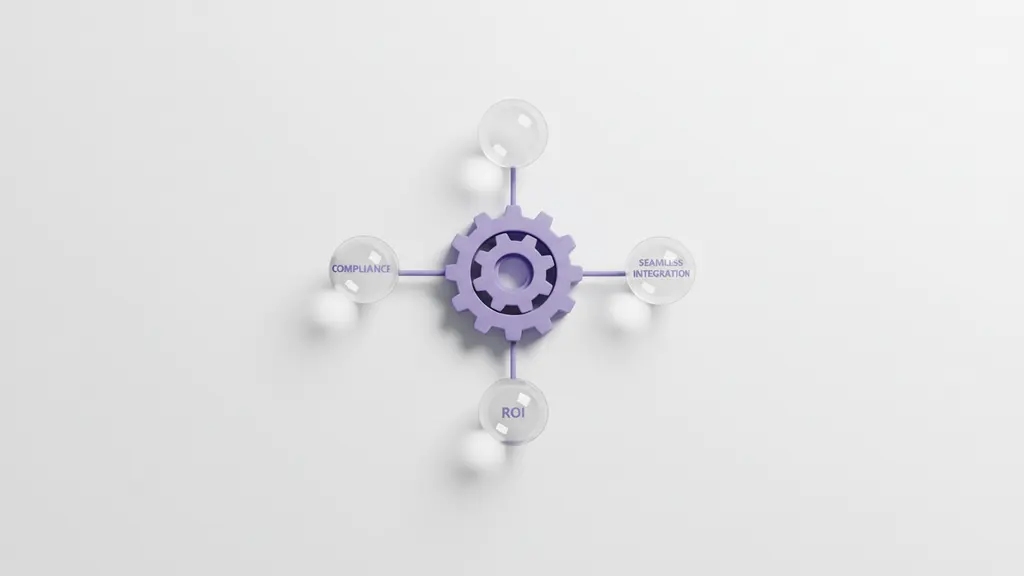
Custom enterprise apps drive operational efficiency, regulatory alignment, and competitiveness for Dubai-based firms.
These solutions future-proof businesses in a rapidly innovating market.
Business Benefits:
- Digital Efficiency: Automation reduces manual steps and error, streamlining key business functions.
- Regulatory Compliance: Built-in alignment with PDPL (Personal Data Protection Law) and DESC (Dubai Electronic Security Centre) requirements.
- Seamless Integrations: Connect easily with local and international partners, ERP/CRM platforms, and Smart City services.
- Competitive ROI: Real-time data enables faster, smarter decisions—a necessity in fast-moving sectors like retail and logistics.
- Futureproofing: Adapt quickly to technological trends, regulatory updates, and new business models.
Summary:
- Save time and reduce costs through process automation.
- Minimize regulatory risk and build trust with partners.
- Empower data-driven, strategic leadership for Dubai’s Smart City vision.
How Does Compliance and Security Impact Enterprise App Development in Dubai?
Dubai’s strict data privacy (PDPL) and cybersecurity (DESC) frameworks shape every enterprise app development project.
Adhering to these standards is non-negotiable and directly influences cost, timeline, and vendor selection.
Key Compliance Requirements
- PDPL (Personal Data Protection Law, UAE): Mandates robust controls over storage, processing, and transfer of personal and sensitive data for individuals in Dubai.
- DESC (Dubai Electronic Security Centre): Requires all digital systems (including apps) to meet city-wide cybersecurity standards, ensuring resilience against cyber threats.
Impact on Projects
- Budget: Security/compliance features can add 15–30% to baseline costs.
- Timeline: Extra time for audits, documentation, and compliance reviews is required during development.
- Process: Compliance must be considered at every stage—from initial design to post-launch monitoring.
Compliance Checklist for Dubai Enterprise Apps
- Data is collected, stored, and transferred in line with PDPL guidelines.
- Security tested against DESC and industry standards.
- Audit trails and documentation for all data-processing activities.
- Periodic compliance reviews post-deployment.
Tip: Only consider vendors with proven experience in PDPL/DESC-compliant projects.
What Determines the Cost of Custom Enterprise App Development in Dubai?
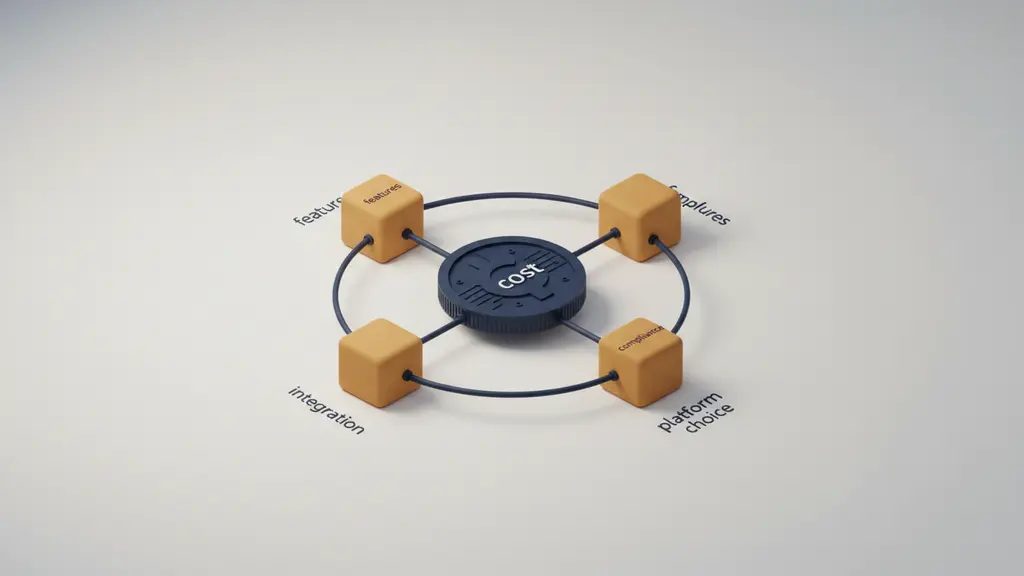
The cost of custom enterprise app development in Dubai is influenced by the app’s complexity, regulatory needs, integrations, features, and platform choices.
Understanding these cost drivers helps businesses budget accurately and prevents unwelcome surprises.
Major Cost Factors
- Features & Functionality: More features, user roles, and integrations increase cost.
- Compliance & Security: PDPL- and DESC-compliant architectures require additional security and validation.
- Integration Needs: Connections to legacy systems or third-party platforms can add significant effort.
- Platform Choice: Web, Android, iOS, or cross-platform solutions have varying cost profiles.
- Industry Requirements: Sectors like healthcare or finance may demand additional certifications or security.
Typical Price Ranges in Dubai (2024)
| App Type | Typical Cost (AED) | Key Inclusions |
| MVP / Prototype | 60,000 – 120,000 | Core features, rapid launch, initial compliance |
| Full-scale Enterprise App | 150,000 – 450,000+ | Complex workflows, integrations, full audits |
| ERP/CRM Custom Build | 250,000 – 600,000+ | Advanced modules, deep integration, reporting |
Note: Prices vary by vendor, scope, and compliance requirements. Always obtain a tailored quote.
Key Takeaway
Early, transparent scoping with your vendor is crucial to align expectations on features, compliance needs, and support.
How Long Does It Take to Develop an Enterprise App in Dubai?
Custom enterprise app development in Dubai typically takes between 3 and 9 months, depending on complexity and compliance needs.
Project timelines can be significantly impacted by integration, regulatory reviews, and change requests.
Typical Timeline by Project Type
| Project Type | Expected Timeline |
| MVP / Prototype | 8–12 weeks |
| Basic Enterprise App | 3–5 months |
| Complex/Highly Regulated App | 6–9 months+ |
Timeline Influencers:
- Detailed requirements and number of user stories
- Integration with ERP, CRM, or legacy systems
- Compliance review cycles with PDPL, DESC
- Stakeholder decision and testing phases
- Delivery method: Agile allows early launches and phased releases; Waterfall suits fixed-scope projects
Best Practice:
Adopt agile/iterative approaches to accelerate feedback and go-to-market, especially for complex or evolving requirements.
What Is the Step-by-Step Process for Enterprise App Development in Dubai?

The enterprise app development process in Dubai is designed to align business objectives, regulatory standards, and technical requirements through clear, staged workflows.
A transparent process ensures on-time, compliant, and value-focused delivery.
Step-by-Step Process
- Discovery & Requirements Gathering
- Stakeholder interviews, goal alignment, PDPL/DESC scoping
- UI/UX Design & Prototyping
- Wireframes, user journeys, design approvals
- Architecture & Development
- Core coding, integration with legacy/third-party systems, compliance modules
- Testing & Quality Assurance
- Security, performance, and compliance testing (PDPL, DESC audits)
- Deployment & Launch
- Production rollout, App Store/Play Store approval if mobile, live testing
- Post-Launch Support & Maintenance
- Ongoing updates, security patches, compliance monitoring
Tip:
Insist on regular project updates and clear documentation at each stage.
Which Technologies Drive Dubai’s Enterprise App Ecosystem?
Modern enterprise apps in Dubai leverage cloud, AI, IoT, and integration capabilities to drive innovation and compliance in line with Dubai 2040 Vision.
Selecting the right stack is critical for security, scalability, and futureproofing.
| Technology | Dubai Adoption Notes |
| Cloud (AWS, Azure) | Often mandated to store data regionally per PDPL; hybrid models common. |
| AI/ML | Used for automation, analytics, fraud detection. |
| Internet of Things | Powers Smart City integrations in logistics, real estate, and energy. |
| Blockchain | Secures transactions, supply chains, and compliance. |
| Cross-Platform Tools | Flutter, React Native for rapid, multi-channel deployment. |
Industry Considerations:
- Healthcare/Finance: Enhanced security, regulatory compliance.
- Smart Government: Open-data APIs, mobile-first citizen services.
- Retail/Logistics: Real-time analytics, IoT tracking.
Choosing Tech:
Prioritize vendors with direct expertise in your sector’s stacks and Dubai’s regulatory landscape.
What Are the Top Industry Use Cases for Custom Enterprise Apps in Dubai?
Dubai’s leading industries use custom enterprise apps to drive operational excellence and smart innovation.
These apps address specific local, legal, and strategic needs.
Industry Use Case Matrix:
| Industry | Use Case Example | Benefit |
| Logistics | Real-time fleet tracking, automated delivery apps | Efficiency, reduced delays, compliance |
| Real Estate | Smart property management platforms | Enhanced tenant experience, energy savings |
| Healthcare | Secure patient records, compliance workflows | PDPL security, operational efficiency |
| Retail | Omnichannel and mobile-commerce apps | Sales growth, customer loyalty |
| Government | Digital platforms (DubaiNow, DEWA e-Services) | Citizen convenience, Smart City progress |
Mini Case: Logistics—Streamlining Dubai’s Delivery Networks
A Dubai logistics firm digitized fleet and shipment management with a custom IoT-enabled app, reducing manual tracking and ensuring compliance with DESC requirements. Results included 20% fewer delays and faster regulatory reporting.
Dubai Enterprise App Success Stories: Local Case Studies
Case Study 1: DubaiNow—Integrating Smart City Services
Challenge: Disparate government services created user friction and reduced engagement.
Solution: Developed a unified mobile app enabling access to 130+ government and private services.
Outcome: Over 11 million transactions processed, significantly enhancing citizen experience and Smart City engagement
Case Study 2: DEWA—AI-Powered Customer Engagement
Challenge: Growing customer base led to increased service requests and support volume.
Solution: Introduced an AI-powered mobile platform for self-service, utility management, and real-time support—all with PDPL compliance.
Outcome: Increased digital adoption rates; reduced in-person service requests by over 30%
Case Study 3: RTA—Integrated Mobility App
Challenge: Fragmented ticketing and mobility services created barriers for residents and tourists.
Solution: Custom app combined NOL payments, journey planning, and fee management.
Outcome: Enhanced commuter convenience, improved data reporting for Smart City initiatives
How Do You Select the Right Enterprise App Development Partner in Dubai?
Selecting the right vendor is crucial given Dubai’s regulatory, industry, and innovation requirements.
A structured decision framework reduces procurement risk and ensures project success.
Essential Criteria
- Compliance Track Record: Proven PDPL and DESC adherence.
- Domain Experience: Industry-specific case studies and local references.
- Technical Expertise: Up-to-date stack (cloud, AI, IoT) and integration skills.
- Portfolio Quality: Evidence of live, scalable Dubai enterprise deployments.
- Service Model: Transparent scoping, proactive support, and flexible engagement options.
Step-by-Step Vendor Selection Checklist
- Assess Regulatory Knowledge: Vendors should demonstrate up-to-date PDPL/DESC understanding.
- Check References & Live Demos: Review Dubai-specific projects and client feedback.
- Review Certifications & Credentials: Look for ISO, cybersecurity, and cloud certifications.
- Scope Alignment: Ensure clear, detailed proposals with cost and timeline transparency.
- Post-Launch Support: Confirm ongoing compliance, updates, and helpdesk options.
Tip: Invite shortlisted partners for a technical Q&A session—focus on regulatory scenarios specific to your business.
What Are the Emerging Trends in Enterprise App Development in Dubai?
Dubai’s enterprise application landscape is rapidly evolving, driven by Smart City ambitions and the 2040 Vision.
Staying ahead of these trends enables businesses to future-proof investments and remain competitive.
Key Trends Shaping 2025–2026
- AI & Automation: Smart workflows, chatbots, and predictive analytics are standard features in new enterprise builds.
- Blockchain Adoption: Used for enhancing compliance, supply chain security, and digital identity management.
- Mobile-First & Citizen-Centric Design: Government and private apps alike are prioritizing intuitive mobile experiences.
- Sustainability & Green IT: Energy-efficient architectures, carbon tracking, and environmental reporting built into enterprise apps.
- Hyperlocalization: Apps tailored for Arabic, Dubai/UAE standards, and Smart City platforms.
Outlook:
According to the IMD Smart City Index and local reports, Dubai’s enterprise spend on cloud and AI-powered apps is expected to grow steadily through 2025. Businesses investing early will benefit from greater compliance, agility, and market relevance.
Frequently Asked Questions (FAQs) About Custom Enterprise App Development in Dubai
How much does custom enterprise app development cost in Dubai?
Typical costs range from AED 60,000 for a minimum viable product to AED 600,000+ for complex, full-scale apps with integrations and compliance features. Precise costs depend on features, security, and industry needs.
What is the average timeline for developing an enterprise app in Dubai?
Timelines vary by project size, from 2–3 months for basic prototypes to 6–9 months for regulated, complex solutions. Compliance reviews and integration work can add time.
What technologies are commonly used for enterprise app development in Dubai?
Common stacks include AWS or Azure cloud platforms, AI/ML modules, cross-platform frameworks (Flutter, React Native), and integrations with IoT or blockchain for Smart City relevance.
How do Dubai’s regulations (PDPL, DESC) affect enterprise app development?
PDPL requires strict controls over how personal data is stored and processed, while DESC mandates cybersecurity standards. Non-compliance can result in delays or penalties.
Can custom enterprise apps integrate with existing ERP or CRM systems?
Yes, most custom enterprise apps in Dubai are designed to integrate seamlessly with legacy ERP/CRM platforms and other business systems.
What are the main benefits of custom enterprise apps for businesses in Dubai?
Key benefits include regulatory compliance, localization, data security, integration with Smart City services, and future proofing for industry trends.
Which industries see the greatest value from enterprise app development in Dubai?
High-impact sectors include logistics, real estate, healthcare, retail, and government—especially where integration and compliance needs are complex.
How is security ensured in custom enterprise applications?
Security is built-in through encryption, access control, regular audits, and DESC-compliant architectures. Ongoing monitoring and patching also protect against threats.
What is the process from concept to launch for an enterprise app in Dubai?
The process includes discovery, UI/UX design, development, integration, compliance testing, deployment, and post-launch support.
How do I select the right enterprise app development company in Dubai?
Look for proven PDPL/DESC compliance, relevant industry experience, strong client references, transparency in proposals, and flexible support models.
Conclusion: Your Next Steps Towards a Smarter Enterprise in Dubai
Dubai’s position as a global innovation hub makes enterprise technology decisions more strategic than ever. Custom enterprise app development in Dubai is not just about building software. It is about creating secure, compliant, and scalable systems that align with regulatory expectations while supporting long term growth in a competitive market.
Organizations that invest in tailored enterprise applications gain stronger operational control, better data visibility, and the flexibility to adapt as business and regulatory environments evolve. The key lies in clear requirements, careful vendor evaluation, and a development approach that prioritizes compliance, performance, and future scalability from day one.
With the right strategy and execution, custom enterprise applications can become a powerful foundation for sustained digital transformation across Dubai’s dynamic business landscape.
Key Takeaways: Dubai’s Custom Enterprise App Development at a Glance
- Custom enterprise app development in Dubai enables Smart City compliance, efficiency, and innovation at scale.
- Project costs typically range from AED 60,000–600,000, with timelines of 3–9 months depending on complexity.
- Compliance (PDPL, DESC) is mandatory; only partner with vendors experienced in Dubai regulations.
- Emerging technologies like AI, IoT, and blockchain are shaping next-generation Dubai apps.
- Use our decision checklist to evaluate partners, align on process, and safeguard your ROI.
This page was last edited on 9 July 2026, at 11:06 am

Start a conversation with our team to solve complex challenges and move forward with confidence.