
Logistics software development cost in uae is a critical concern for logistics companies pursuing digital transformation, yet reliable local pricing benchmarks can be difficult to find. Many decision makers rely on international cost estimates, overlooking key UAE specific compliance, cybersecurity, hosting, and regulatory factors that significantly influence overall investment and long term ROI.
This guide provides a clear, structured breakdown of logistics software development cost in uae, including realistic pricing ranges in AED and USD, major cost drivers, compliance considerations, and practical optimization strategies.
With the right cost insights and planning framework, UAE logistics leaders can accurately benchmark budgets, reduce financial risk, and make confident decisions when building or scaling custom logistics platforms.
What Is the Real Cost of Logistics Software Development in UAE?

Logistics software development in the UAE typically ranges from AED 40,000 ($11k) for a basic MVP to over AED 200,000 ($55k+) for enterprise-grade solutions, with mid-tier projects falling in-between. Timelines span from three to twelve months, depending on project scale.
| Solution Type | Cost Range (AED / USD) | Typical Timeline |
| MVP Logistics App | AED 40,000–80,000 ($11k–22k) | 3–4 months |
| Mid-level Platform | AED 80,000–200,000 ($22k–55k) | 5–7 months |
| Enterprise Solution | AED 200,000+ ($55k+) | 8–12+ months |
Key Cost Drivers:
- Project complexity & features
- Integration with UAE/GCC systems
- Compliance with UAE data/trade laws
- Hosting (local vs cloud)
These numbers provide a UAE-specific benchmark for budgeting and facilitate straight comparison when sourcing quotes from logistics software vendors in the region.
What Factors Drive Logistics Software Costs in UAE?
The cost of logistics software in the UAE is shaped by local compliance, feature complexity, integrations, and security requirements. Understanding these factors enables precise budget planning and helps avoid unforeseen overruns.
How Does Project Complexity and Feature Set Affect Cost?
The scope and sophistication of your logistics platform are the most powerful cost multipliers.
- MVP (Minimum Viable Product): Focuses on essential modules (basic order management, real-time fleet tracking, simple dashboards).
- Mid-Tier Solutions: Expand on core features with integrated inventory, warehouse, and customer management, multi-language support, and mobile interfaces.
- Enterprise Systems: Add advanced modules such as AI-driven route optimization, real-time supply chain analytics, CRM/ERP integration, IoT-enabled asset monitoring, and role-based security.
Example Feature Impact:
- Each major feature (real-time tracking, dynamic route planning, CRM) can add AED 10,000–30,000 ($2.7k–8.2k) to the base cost.
Customizing platforms to suit UAE-specific logistics flows—such as e-commerce, port customs, or local last-mile delivery—often requires additional investment.
What Is the Impact of Integrations, API, and Vendor Systems?
Integrating with third-party platforms, government APIs (e.g., Dubai Trade), supply chain software, or legacy systems increases both cost and timelines.
- Simple Integrations: (Mapping services, SMS gateways) add AED 5,000–15,000 ($1.3k–4k) each.
- Complex Integrations: (ERP, customs clearance, e-commerce, regulatory APIs) can range from AED 15,000–50,000+ ($4k–13.5k) per integration.
Seamless API connectivity is essential for regulatory compliance and operational efficiency, especially for firms working across free zones or emirates.
Why Is Security, Hosting, and Legal Compliance a Major Factor?
Regulatory compliance and secure hosting are non-negotiable for UAE logistics companies.
- Hosting: Many UAE firms opt for local data centers or regional clouds (AWS Middle East, Microsoft Azure UAE), impacting cost and compliance. On-premise hosting is pricier but required for some regulated activities.
- Data Protection Law: UAE’s data laws require that sensitive data be stored and processed within the country—affecting both technology choices and hosting spend.
- Legal/Compliance Checklist:
- Secure storage (local or region-authorized cloud)
- Data encryption (in transit and at rest)
- User consent management
- Audit trail capability
- Adherence to UAE e-commerce and trade regulations (Dubai Trade, ADGM, etc.)
- Annual compliance reviews/licenses
Table: UAE Compliance Drivers & Cost Impacts
| Compliance Factor | Typical Impact |
| Local hosting (cloud/on-premise) | +AED 10k–30k |
| Security/hardening | +AED 5k–15k |
| Compliance consulting/audits | +AED 5k–20k |
| Annual renewal/licenses | +AED 2k–10k/year |
Ignoring these requirements can lead to regulatory fines and costly technical rework post-launch.
Stage-wise Cost Breakdown: Planning to Ongoing Support

Successful software budgeting requires visibility into costs at every stage—from requirements planning to post-launch support.
Typical Stage-wise Allocation for UAE Logistics Software Projects:
| Stage | % of Total Cost | Example Cost (Mid-Tier AED) |
| Discovery & Planning | 10–12% | AED 10,000–20,000 |
| UI/UX Design | 10–15% | AED 10,000–30,000 |
| Core Development | 45–55% | AED 40,000–110,000 |
| Integrations/API Setup | 10–15% | AED 10,000–30,000 |
| QA & Testing | 8–12% | AED 8,000–22,000 |
| Deployment | 3–5% | AED 3,000–10,000 |
| Post-launch Support* | 8–12% annually | AED 8,000–24,000/yr |
*Annual maintenance/support is a recurring cost post-launch.
Infographic/Process Flow:
- Discovery: Business goals, compliance needs, feature mapping
- Design: UX wireframes, user journey mapping
- Development: Module coding, integration setup
- Testing: Security, compliance, and performance QA
- Deployment: Go-live with user acceptance
- Support: Ongoing updates, bug fixes, security, and compliance reviews
Each stage represents a budgetary checkpoint for UAE logistics companies looking to benchmark vendor proposals and prevent surprise expenses.
How Long Does It Take to Build Logistics Software in UAE?
Logistics software development timelines in the UAE range from 3 to 12+ months, varying by project size, feature depth, and required integrations.
Planning for UAE compliance reviews or third-party approvals may extend project length.
| Solution Type | Median Timeline |
| MVP | 3–4 months |
| Mid-level Solution | 5–7 months |
| Enterprise | 8–12+ months |
Additional Timelines to Consider:
- Government API integration/testing: +2–4 weeks
- Compliance review and user training: +2–6 weeks
Building in buffer time for approvals—such as through Dubai Trade portals or local Emirate authorities—reduces launch risk and avoids costly delays.
What Hidden & Ongoing Costs Should UAE Logistics Firms Expect?
Beyond upfront development fees, UAE logistics companies should budget for ongoing maintenance, hosting, compliance renewals, and future upgrades.
Common Ongoing/Hidden Costs:
- Annual Support/Maintenance: AED 8,000–24,000 per year (bug fixes, updates, enhancements)
- Cloud/Hosting Fees: AED 3,000–10,000/year for regional cloud providers (AWS, Azure), higher for on-premise/local hosting
- Compliance Reviews/Renewals: AED 2,000–10,000 annually for regulatory checks, renewed certifications, or audit trails
- Feature Upgrades: Cost varies; budgeting 10–20% of initial build cost annually for enhancements is common
- Security Patching: Periodic updates to address new vulnerabilities; vital for compliance
Snippet-ready Checklist:
- Support tickets/incident response
- Hosting or local data center charges
- Annual audit/compliance review fees
- Feature upgrades or module expansions
- Security patching and vulnerability scanning
Planning for these expenses ensures accurate TCO (Total Cost of Ownership) assessment and prevents operational surprises post-launch.
How Can UAE Companies Optimize and Reduce Logistics Software Development Costs?
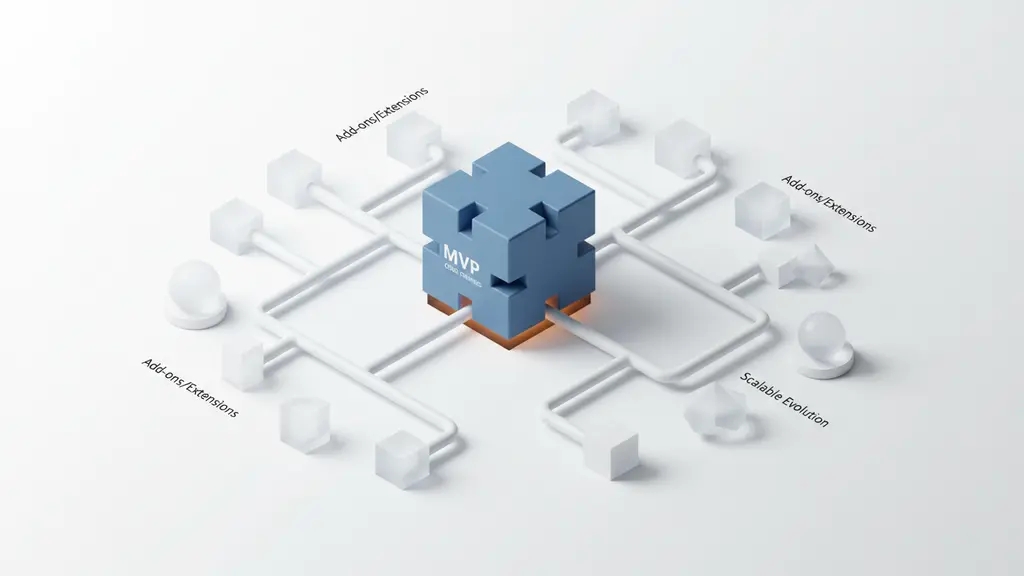
UAE firms can save significantly on logistics software development by prioritizing essential features, using modular designs, leveraging grants, and negotiating smart contracts.
Practical Cost Optimization Strategies:
- Start with an MVP: Prioritize must-have modules (basic order, tracking) before expanding to advanced AI or analytics.
- Modular Architecture: Build a foundation that allows new features and integrations to be added later, avoiding expensive rework.
- Leverage Grants/Incentives: Explore government digitalization incentives, especially in Free Zones or Dubai Digital Authority programs.
- Resist Over-customization: Custom modules can add 20–40% to costs; reuse or adapt proven solutions where possible.
- Optimize Vendor Selection: Get quotes from multiple logistics software vendors in UAE, comparing deliverables side-by-side.
- Negotiate Maintenance Terms: Fix rates for support/maintenance, and clarify scope to cap unforeseen costs.
Checklist for Cost Optimization:
- Clearly define requirements and avoid “scope creep.”
- Reuse third-party modules for standard functionalities.
- Insist on transparent cost breakdowns in contracts.
- Plan for compliance at every stage—retrofits are more expensive.
- Schedule regular review checkpoints during the project.
Applying these steps can reduce overall development costs by 20–30% and shorten time to ROI.
Should You Choose a UAE-based or Offshore Logistics Software Vendor?
Choosing between local and offshore vendors is a pivotal decision that impacts cost, compliance, support, and project outcomes.
| Decision Factor | UAE-based Vendor | Offshore Vendor |
| Cost | Typically higher (AED rates) | Lower hourly rates (India, E. Europe) |
| Communication | Local timezone, site access | Remote, may face delays |
| Compliance | Stronger on UAE laws/regulations | May lack UAE-specific expertise |
| Support | Faster, SLA-backed, on-site | Potential timezone/support delays |
| Integration | Direct with local systems/APIs | May need more onboarding |
Key Considerations:
- Legal/Compliance: Local vendors have a better understanding of UAE data protection, trade licensing, and Emirate-specific regulations.
- Security: Onshore providers can ensure data residency and physical security when required.
- Communication: Face-to-face project management improves clarity, especially on complex builds or in highly regulated sectors.
- Cost: Offshore firms may offer lower prices but can increase risk of compliance issues or communication breakdowns.
For mission-critical logistics software in regulated UAE sectors, local expertise typically offsets the higher initial investment.
UAE Logistics Software Case Study: From Cost Planning to ROI
A UAE-based mid-sized logistics provider needed a custom logistics management platform to digitize operations and comply with local data laws.
Journey Overview:
Initial Requirements & Goals:
- Digital order management, real-time fleet tracking, and automated customs API integration
- Compliance with UAE data residency and trade law
- Reduce manual tracking effort, improve customer SLA adherence
Cost Breakdown:
- Total investment: AED 160,000 (Mid-level solution)
- Planning & Discovery: AED 15,000
- UI/UX Design: AED 18,000
- Core Development: AED 80,000
- Integrations: AED 20,000
- QA & Testing: AED 12,000
- Deployment & Training: AED 5,000
- First year maintenance: AED 10,000
Milestones & Timeline:
- Project kick-off to launch: 6.5 months
- Delays: +1 month due to Dubai Trade integration approval
- Go-live training and user onboarding: 2 weeks
ROI Realized (First Year):
- 20% reduction in manual admin effort
- 25% improvement in shipment ETA accuracy
- Fully compliant with current UAE data law
- Positive customer feedback and SLA improvement
Lessons Learned:
- Early compliance planning saved rework time
- Investing in modular tech accelerated future upgrades
- Building a local vendor relationship expedited regulatory approvals
Advice for peers: “Define legal requirements and MVP features upfront. Don’t underestimate integration approvals. Modular builds enable faster wins and long-term savings.”
UAE Logistics Software Cost FAQ: Your Top Questions Answered
1. How much does logistics software development cost in UAE?
Logistics software development cost in uae typically ranges from AED 40,000 to 80,000 for MVP solutions, AED 80,000 to 200,000 for mid-level platforms, and over AED 200,000 for enterprise-grade systems. Final costs depend on complexity, integrations, and compliance requirements.
2. What factors influence logistics software development cost in UAE?
The main drivers of logistics software development cost in uae include feature complexity, third-party integrations, UAE compliance requirements, cloud or local hosting decisions, cybersecurity standards, and UI/UX customization.
3. Can I get a tailored estimate for logistics software development cost in UAE?
Yes. Most UAE-based vendors provide customized quotes after evaluating your requirements. A detailed scope document helps ensure accurate logistics software development cost in uae estimation without hidden expenses.
4. Which features increase logistics software development cost in UAE the most?
Advanced modules such as real-time fleet tracking, AI-powered route optimization, ERP integrations, customs or government API connectivity, and compliance automation significantly increase logistics software development cost in uae.
5. What ongoing costs should I budget beyond initial development?
Beyond initial logistics software development cost in uae, companies should allocate 8 to 12 percent annually for maintenance and updates, AED 3,000 to 10,000 for hosting, and AED 2,000 to 10,000 for compliance renewals and audits.
6. How can companies reduce logistics software development cost in UAE?
Businesses can lower logistics software development cost in uae by launching with an MVP, using modular architecture, minimizing unnecessary customizations, comparing vendor proposals carefully, and planning compliance from the start.
7. How long does logistics software development take in UAE?
Project timelines directly impact logistics software development cost in uae. MVP platforms typically require 3 to 4 months, mid-tier systems 5 to 7 months, and enterprise projects 8 to 12 months or longer depending on integrations and regulatory approvals.
8. Do legal and compliance requirements affect logistics software development cost in UAE?
Yes. UAE data protection laws, trade regulations, and local hosting mandates can increase logistics software development cost in uae by 10 to 25 percent, particularly for companies handling regulated or sensitive cargo.
9. Should I choose a local or offshore vendor to manage logistics software development cost in UAE?
Choosing a local vendor may increase initial logistics software development cost in uae but provides stronger regulatory expertise and faster support. Offshore vendors may offer lower hourly rates but can introduce compliance and communication risks.
10. Does cloud choice affect logistics software development cost in UAE?
Yes. Cloud selection significantly impacts logistics software development cost in uae. Hosting on regional providers like AWS Middle East or Azure UAE may increase costs due to data residency and compliance requirements, while on-premise hosting can further raise infrastructure and maintenance expenses.
11. How does integration with UAE government systems impact logistics software development cost in UAE?
Integration with platforms such as customs systems, trade portals, or free zone APIs can increase logistics software development cost in uae. Complex regulatory integrations often add additional development time, compliance validation, and testing phases, raising both cost and timeline.
Conclusion
Logistics software development cost in uae is influenced by far more than coding hours or feature lists. Compliance requirements, integration with regional systems, hosting decisions, and long term maintenance all shape the true investment required. Companies that rely solely on generic global benchmarks often underestimate these local variables and risk budget overruns or regulatory setbacks.
By understanding realistic UAE pricing ranges, mapping project stages carefully, and accounting for ongoing operational costs, logistics leaders can move from reactive budgeting to strategic planning. Clear scoping, modular architecture, and early compliance alignment significantly reduce financial risk while accelerating time to value.
Ultimately, the goal is not just to minimize logistics software development cost in uae, but to maximize return on investment. When built with the right balance of functionality, security, and scalability, a well planned logistics platform becomes a competitive asset that improves operational efficiency, strengthens compliance posture, and supports sustainable growth across the Emirates and wider GCC region.
Key Takeaways
- Logistics software development cost in UAE ranges from AED 40,000 (MVP) to over AED 200,000 (enterprise), with mid-tier projects in-between.
- Feature complexity, integrations, and UAE compliance are the biggest project cost drivers.
- Ongoing costs—maintenance, hosting, regulatory renewals—add up and should be included in your TCO.
- Prioritize essential features, modular design, and smart vendor selection to optimize investment.
- Local vendors deliver stronger compliance, but at a premium—make your selection based on risk appetite and project needs.
This page was last edited on 9 July 2026, at 11:06 am

Start a conversation with our team to solve complex challenges and move forward with confidence.