
Choosing the best offshore software development company can make or break your digital initiatives. Many organizations turn to offshore software outsourcing for cost savings and scalability, but the wrong partner can expose you to security risks, missed deadlines, or budget overruns. This actionable, seven-step guide offers a proven framework to help you evaluate, compare, and select the right offshore vendor—minimizing risk and maximizing business value. Follow this step-by-step playbook to avoid common pitfalls and drive your next project with confidence.
Quick-Start Checklist:
- Understand what offshore development is and when it makes sense
- Learn the seven essential vendor selection steps
- Avoid the most common mistakes with expert tips
- Access comparison tables, evaluation checklists, and trusted resources
What Is Offshore Software Development, and Why Is Vendor Choice So Important?
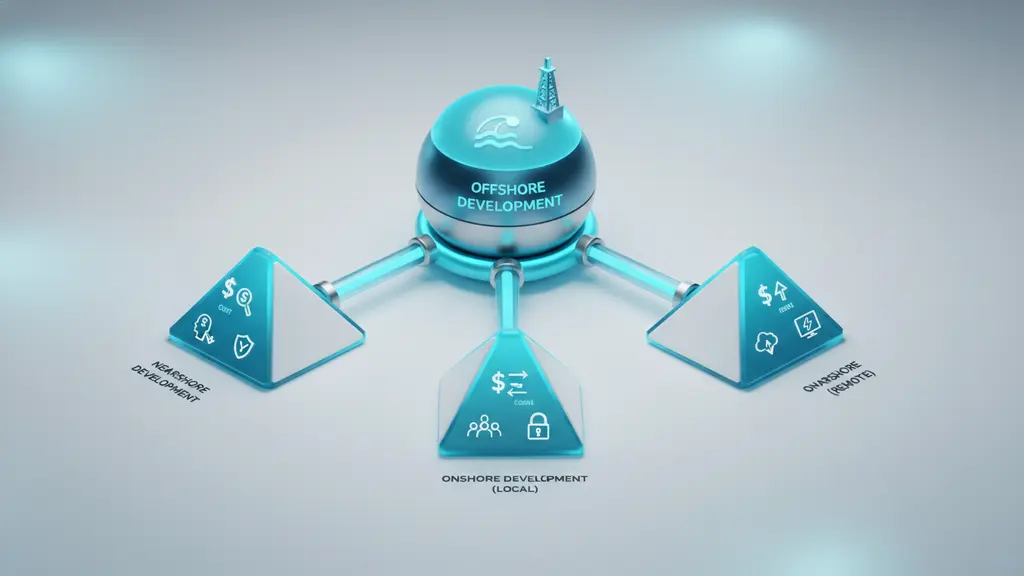
Offshore software development is the practice of partnering with a software company in another country to build custom digital solutions, offering access to a global talent pool at often lower costs than domestic sourcing.
This model is popular because it empowers organizations to scale rapidly, control budgets, and reach specialized skill sets—yet choosing the wrong partner can result in communication breakdowns, security vulnerabilities, or quality issues.
Vendor selection is a strategic differentiator: the right offshore company accelerates digital innovation, while the wrong one introduces costly risks.
Definitions:
- Offshore: Software development outside your home country—often in regions with significant cost advantages (e.g., India, Eastern Europe).
- Nearshore: Development in neighboring or time-zone-friendly countries for easier collaboration.
- Onshore: Domestic development in your own country.
Benefits:
- Cost efficiency
- Access to specialized global talent
- Flexible scaling of teams
Risks:
- Communication and cultural barriers
- Time zone differences
- Security, IP, and quality assurance challenges
| Model | Location | Primary Benefits | Key Risks |
| Offshore | Different continent | Cost, talent, scalability | Communication, security |
| Nearshore | Neighboring regions | Proximity, some cost savings | Fewer cost advantages |
| Onshore | Domestic | Ease, legal alignment | Higher cost |
Why (and When) Should You Consider Offshore Software Development?
Offshore software development is best suited for organizations needing rapid scaling, access to specialized skills, or significant cost savings.
However, it is not ideal for every project—core intellectual property, ultra-sensitive data, or projects demanding constant face-to-face interaction may be safer managed locally.
Successful outsourcing starts with understanding these strategic triggers and decision points.
Common Triggers for Going Offshore:
- Rapid business growth outpacing local hiring
- Gaps in local technical expertise
- Need for faster product delivery to market
- Pressure to reduce development costs
- Experimenting with new technologies not widely available domestically
When Not to Offshore:
- Mission-critical projects centered on proprietary IP
- Strict compliance or regulatory environments (e.g., healthcare, finance)
- Projects demanding frequent, high-touch collaboration
Decision Matrix: Is Offshore Right for You?
| Factor | Offshore Advantage | Offshore Limitation |
| Budget constraints | Strong | – |
| Tight timelines | Often suitable | May face coordination delay |
| Innovation needs | High access | Vet deep expertise required |
| Local talent shortage | Bridges the gap | – |
| Security/compliance | Varies | May complicate |
Call-Out:
If speed, cost, and scale are your priorities—and you’re equipped to manage remote collaboration—offshore development can be a game-changer.
How to Find the Best Offshore Software Development Company: The Proven 7-Step Framework

The key to successful offshore software outsourcing lies in following a structured, risk-aware process.
Here’s a seven-step expert framework to help you define, search, evaluate, and select the right offshore partner.
Step 1: Define Your Software Requirements and Business Goals
Clearly document what you need and expect before approaching vendors.
A well-written requirements brief sets the foundation for effective vendor evaluation and project success.
Action Steps:
- Specify project scope: Outline the type of software (e.g., mobile app, web platform, enterprise tool).
- List functional and non-functional requirements: Detail the features, performance, scalability, and compliance needs.
- Clarify technology stack: Indicate preferred languages, frameworks, and integration points.
- Set measurable goals: Define success metrics, delivery timelines, and key performance indicators.
- Align stakeholders: Gather input and expectations from technical, product, and business leads.
Expert Tip:
Use templates or requirement checklists to ensure clarity and alignment among decision-makers.
Step 2: Where to Search for Reliable Offshore Software Development Companies
Finding reputable offshore development partners starts with knowing where to look.
Trusted directories, review sites, and professional networks are invaluable for curated, transparent options.
Top Research Platforms:
- Clutch (clutch.co): Market-leading directory with reviews, ratings, and detailed company profiles.
- GoodFirms (goodfirms.co): Broad listings and peer-validated reviews for software vendors.
- Upwork (upwork.com): Large freelance and agency network; best for smaller projects or individual specialists.
- TechReviewer (techreviewer.co): Expert rankings and industry insights on top-rated IT vendors.
Additional Sources:
- Referrals from trusted colleagues
- Industry events and tech conferences
- Professional forums and LinkedIn groups
| Platform | Best Use | Key Features |
| Clutch | Company vetting | Verified reviews, case studies |
| GoodFirms | Broad vendor comparison | Service focus, client ratings |
| Upwork | Talent sourcing | Direct engagement, reviews |
| TechReviewer | Industry insights | Rankings by skill/domain |
Pro Tip:
Review multiple sources and cross-verify vendor reputations before adding to your shortlist.
Step 3: How to Screen and Evaluate Shortlisted Companies
Careful screening is essential to avoid costly mistakes in offshore software outsourcing.
Assess each potential partner using a standardized evaluation checklist:
Vendor Evaluation Checklist:
- Portfolio & Relevant Experience: Are there case studies similar to your industry and project type?
- Technical Certifications: Does the team hold relevant tech or domain certifications?
- Client Testimonials & Clutch Reviews: Look for detailed stories and ratings, not just ratings.
- References: Request to speak with past clients (preferably in your region or industry).
- Company Stability: Research years in business, employee turnover, and financial health.
| Evaluation Factor | What to Look For |
| Portfolio | Similar tech, scale, and business models |
| Certifications | ISO, Microsoft Partner, AWS-certified, etc. |
| Reviews (Clutch/GoodFirms) | Verified reviews, consistent high satisfaction |
| References | Willingness to share, real success stories |
| Team Structure | Clear roles, transparent leadership |
Red Flag:
“Incomplete portfolios” or reluctance to provide references should prompt further scrutiny.
Step 4: Assess Communication Skills and Cultural/Timezone Compatibility
Communication breakdowns and misaligned work cultures are top causes of outsourcing failure.
Assess how each offshore company collaborates and whether their work style dovetails with yours.
Best Practices:
- Evaluate English language proficiency through video calls and written proposals.
- Confirm working hours overlap and real-time response expectations.
- Ask about preferred collaboration tools (e.g., Jira, Slack, MS Teams).
- Discuss cultural norms—decision-making processes, meeting styles, feedback etiquette.
| Communication Factor | What to Check For |
| Language Proficiency | Fluent conversations, clear written docs |
| Response Time | Prompt replies, timezone overlap |
| Tools & Methodologies | Familiar with Agile/Scrum, open to your stack |
| Cultural Fit | Shared work ethics, openness to feedback |
Sample Communication Checklist:
- Does the team attend calls on time?
- Are updates frequent and transparent?
- Do they document meetings/actions clearly?
Pro Tip:
Opt for teams with prior experience working with your country or sector for smoother onboarding.
Step 5: Review Legal, Data Security, and IP Protection Safeguards
Robust legal frameworks and security protocols ensure your data and intellectual property remain protected throughout the engagement.
Thorough due diligence in these domains is non-negotiable for offshore software outsourcing.
Critical Legal & Security Checkpoints:
- Non-Disclosure Agreement (NDA): Ensure all discussions and documents are covered.
- Service Agreement/Contract: Clear statement of work, responsibilities, and deliverables.
- Jurisdiction & Dispute Resolution: Legal venue in a trustworthy region; compliance with international laws.
- Data Security Protocols: Certifications like GDPR, SOC 2, or ISO/IEC 27001.
- IP Transfer Clauses: Explicit ownership and transfer of all software, code, and documentation.
| Legal/Security Item | Why It Matters |
| NDA | Protects ideas and business strategies |
| Detailed Contract | Reduces scope/funding misalignment |
| Jurisdiction | Impacts enforceability of disputes |
| Security Certifications | Demonstrates maturity in data handling |
| IP Ownership Clauses | Safeguards investments and future flexibility |
Step 6: Compare Pricing Models, Engagement Options, and Contracts
Pricing transparency and the right engagement model are essential to budgeting and project assurance.
Avoid surprise costs by understanding how each vendor structures their software development contracts.
Common Engagement Models:
- Fixed Price: Pre-agreed budget for defined scope projects; best for clear, stable requirements.
- Time & Materials: Pay for hours worked; ideal for flexible, evolving needs.
- Dedicated Team: Long-term team extension model; great for scaling and ongoing work.
| Model | Pros | Cons |
| Fixed Price | Predictable, low risk | Less flexible if needs shift |
| Time & Material | Adaptive, easy adjustments | Budget variability |
| Dedicated Team | High control, integration | Requires ongoing management |
Key Contract Review Points:
- Milestones and payment schedules
- Transparency in billing and resource allocation
- Change request and scope creep management
- Early termination and liability clauses
Red Flags:
Vague pricing, hidden fees, or inflexible terms can signal future conflict.
Step 7: Run a Pilot or Test Project Before Full Commitment
A small-scale pilot or proof-of-concept (POC) engagement lets you test the real-world capabilities of your shortlisted vendor before making a long-term commitment.
Pilots reduce risk, surface compatibility issues, and verify that the partner can deliver as promised.
Pilot Project Checklist:
- Define a clear, self-contained task (e.g., demo feature, backend module, API integration)
- Evaluate:
- Code quality and documentation
- Communication and reporting frequency
- Delivery speed and adherence to timelines
- Problem-solving and change management
- Success Criteria: Functional deliverables, transparency, and no unexpected issues.
Pro Tip:
Treat the pilot as a mutual trial—the process should validate both technical skills and collaboration fit.
What Are the Most Common Mistakes and Risks When Hiring Offshore Software Development Companies—And How Can You Avoid Them?

Many organizations fall into predictable traps when hiring offshore vendors, leading to disappointing results.
Being aware of the most frequent mistakes and applying risk mitigation tactics will significantly improve your vendor selection outcome.
Top Mistakes and How to Avoid Them:
- Choosing based only on the lowest price: Ultra-cheap offers often mask hidden costs, inexperience, or poor quality.
- Neglecting legal documentation: Lack of clear contracts or IP clauses exposes you to disputes and data theft.
- Overlooking communication gaps: Insufficient language skills or a timezone mismatch can delay and derail projects.
- Insufficient due diligence: Failing to contact references, validate certifications, or check financial stability.
- Rushing into long-term contracts: Skipping pilots or POCs can make problems costly or difficult to reverse.
Mitigation Tactics:
- Perform multi-stage vetting and interview processes.
- Use clear KPIs and regular performance reviews.
- Insist on comprehensive, mutually signed agreements.
- Prepare a due diligence checklist and require proof of compliance.
Questions to Always Ask Before Signing:
- Can you provide case studies and references?
- What certifications do you hold?
- How do you handle IP and legal disputes?
- What security measures are in place?
- Can we start with a trial project?
How Do Offshore, Nearshore, and Onshore Software Outsourcing Compare? [Decision Table]
Understanding key differences between software outsourcing models helps you choose the optimal fit based on location, cost, expertise, and risk factors.
| Model | Typical Countries | Approximate Rates* | Timezone Fit | Talent Pool | Data Security/Compliance | Key Risks |
| Offshore | India, Ukraine, Vietnam, Philippines | $25–50/hr | Large time gap | Very large | Varies, jurisdictional | Communication, legal |
| Nearshore | Mexico, Poland, Argentina, Colombia | $40–80/hr | Moderate | Large | Often EU/region-aligned | Slightly higher cost |
| Onshore | USA, UK, Germany, Australia | $70–150/hr | Full alignment | Moderate | Domestic frameworks | Expense, local shortages |
*Based on industry research and rate reports from platforms like Clutch and GoodFirms.
Best Countries for Offshore Developers (Pros/Cons):
| Country | Pros | Cons |
| India | Massive talent, lowest costs | Timezone, turnover rate |
| Ukraine | Skilled, EU-adjacent, strong English | Geopolitical risk |
| Vietnam | Fast-growing, affordable | Smaller scale, experience gaps |
| Poland | High skill, EU law compliance | Higher cost vs. Asia |
| Argentina | Time alignment with US | Inflation, economic volatility |
Note: Always consider recent geopolitical or regulatory shifts before choosing a region.
Key Takeaways and Decision-Making Checklist
Selecting the right offshore software development company is systematic—not guesswork.
Here’s a condensed, action-ready checklist to guide your selection process.
7-Step Offshore Vendor Evaluation Checklist:
- Define requirements: Specify scope, goals, and success metrics.
- Find candidates: Use trusted platforms—Clutch, GoodFirms, referrals.
- Evaluate expertise: Review portfolios, certifications, independent reviews.
- Vet communication and fit: Assess language skills, tooling, and cultural norms.
- Check legal/security: Require NDA, clear contracts, data safeguards, IP clauses.
- Compare pricing/models: Understand contract structures, payment schedules.
- Pilot project: Test with a real deliverable before a full contract.
Frequently Asked Questions (FAQ): Finding and Hiring Offshore Development Partners
What is an offshore software development company?
An offshore software development company is a team or agency located in a different country that provides custom software engineering solutions for clients abroad, typically leveraging cost and talent benefits.
How do I evaluate the best offshore software development partner?
Evaluate partners based on their portfolio of relevant projects, technical certifications, client references, communication approach, legal/IP safeguards, and willingness to do a pilot project.
What are common risks with offshore software development, and how can I mitigate them?
Risks include poor quality, communication issues, legal disputes, and data security breaches. Mitigate by thorough vetting, clear contracts, staged payments, and starting with a pilot engagement.
Which countries are most trusted for offshore software outsourcing?
India, Ukraine, Poland, Vietnam, and Argentina are among the top regions due to talent depth and cost efficiency. However, assess regional stability and legal frameworks before committing.
How can I verify the credibility of an offshore development company?
Check verified reviews (Clutch, GoodFirms), speak with direct references, review certifications, and analyze company financials and years in business.
What legal considerations should I address when hiring offshore vendors?
Ensure robust NDAs, clear statements on IP ownership, well-defined contracts that stipulate jurisdiction, and security protocols aligned with your compliance needs.
What’s the typical cost range for hiring offshore software developers?
Depending on location and skill, rates generally range from $25–$80 per hour—offshore regions like India and Vietnam offer lower rates; nearshore or onshore vendors are higher.
What questions should I ask before signing a contract?
Ask about recent projects, handling of IP, data security measures, payment schedules, and if you can start with a test project.
How do I manage communication and project delivery across time zones?
Insist on agreed upon meeting times, transparent project management tools, and clear escalation channels for any issues.
What are the differences between offshore, nearshore, and onshore software development?
The differences lie in vendor location, cost, time zone alignment, legal frameworks, and talent pool availability—with each model having distinct benefits and tradeoffs.
Conclusion
Finding the best offshore software development company doesn’t have to be a gamble. By following this structured 7-step framework—defining your needs, researching and vetting vendors, safeguarding legal interests, and piloting your partnership—you can minimize risk and maximize your project outcomes.
Key Takeaways
- Work with a clear, step-based framework: Avoid guesswork and reduce risk.
- Vet thoroughly: Go beyond price—prioritize experience, communication, and legal safeguards.
- Start small: A pilot project is the best way to build trust and test collaboration.
- Stay informed: Regularly re-evaluate vendors as market and risk profiles evolve.
This page was last edited on 9 July 2026, at 11:07 am

Start a conversation with our team to solve complex challenges and move forward with confidence.