
Businesses in 2026 face a digital crossroad: generic software fails too often, while tailored solutions increasingly fuel growth, agility, and ROI. With off-the-shelf tools often not matching unique business needs, many leaders experience frustration, integration headaches, and opportunity loss.
This guide delivers clear definitions, cost drivers, ROI insights, process walk-throughs, and actionable tools so executives and IT decision-makers can confidently plan and invest in bespoke software development.
By reading, you’ll be ready to evaluate options, justify investments, and choose the right approach to power digital transformation.
What is Bespoke Software Development?
Bespoke software development is the process of designing, building, and deploying custom software solutions tailored to address the exact needs, workflows, and challenges of a specific organization or business.
Unlike off-the-shelf software—which provides pre-built, generic functionality—bespoke (or custom) software is engineered from the ground up to fit your business processes, integrate with your systems, and support your competitive edge.
Key Characteristics:
- Fully tailored to business requirements
- Direct integration with existing IT systems
- Scalable and adaptable as business evolves
- Delivers specific functionalities not offered by standard solutions
Organizations choose bespoke software to overcome the limitations of commercial products, ensure better alignment with operations, and gain more control over their intellectual property (IP).
Bespoke vs Off-the-Shelf vs Custom Software: What’s the Difference?
Choosing a software solution means weighing flexibility, speed, and long-term value.
While terms like “bespoke” and “custom” are often used interchangeably, there are crucial distinctions among each approach—which impact fit, cost, and risk.
| Feature/Aspect | Bespoke Software | Off-the-Shelf Software | Custom (Configurable) Software |
| Development | Built from scratch for one client | Generic, mass-produced | Pre-built core, configurable modules |
| Fit to Needs | Exact fit—tailored to your workflow | May require workarounds | Moderately tailored through configuration |
| Integration | High—fully integrated with your stack | Varies—limited by APIs | Some integration, depends on vendor |
| Initial Cost | Highest | Lowest (subscription/purchase) | Mid-range |
| Time to Deploy | Longest | Immediate/short | Moderate |
| Scalability | Designed for scalability | May not scale with complex needs | Some scalability via upgrades |
| IP Ownership | You (the client) | Vendor retains IP/license | Vendor retains IP/license |
| Best For | Unique/process-driven organizations | Common/repetitive needs | Standard needs with limited customization |
| Risks/Limitations | Cost, timeline, vendor reliability | Lack of flexibility, less control | Vendor lock-in, upgrade restrictions |
Typical Use Cases:
- Bespoke: Large enterprises, regulated industries, or any business with unique operational models.
- Off-the-Shelf: Startups, standard back office, universally similar functions (e.g., office tools).
- Custom (Configurable): Medium businesses, those seeking rapid deployment with some fit.
What Are the Advantages and Disadvantages of Bespoke Software?
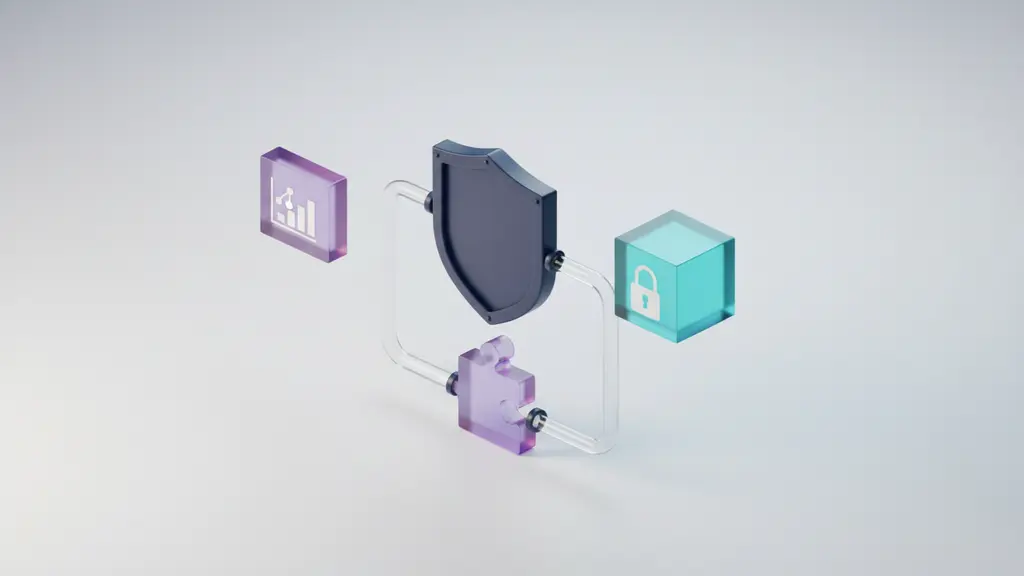
Bespoke software brings distinct advantages but also introduces specific risks.
Understanding both is key to a strong business case and risk management plan.
| Pros (Advantages) | Cons (Disadvantages) |
| Exact fit for unique requirements | Higher upfront cost |
| Scalable, custom integrations | Longer development times |
| Competitive business advantage | Requires more stakeholder input |
| Direct control over IP and features | Ongoing maintenance responsibility |
| Easier future-proofing and updates | Risks of vendor lock-in if badly negotiated |
| Better compliance & security tailoring (e.g., GDPR, ISO) | Project management complexity |
Benefits Expanded:
- Custom Fit: Perfectly mirrors your business processes—eliminating workarounds that waste time and resources.
- Competitive Advantage: Features and insights unique to your organization help differentiate in the market.
- Integration & Scalability: Designed to efficiently connect with your existing and future tech stack.
Risks & Pitfalls:
- Cost Overruns: Poorly scoped projects may exceed initial budgets.
- Time Commitment: More phases and testing mean longer delivery times versus plug-and-play software.
- Vendor Lock-In: Without clear contracts, businesses may struggle to switch support or evolve their solution later.
How Much Does Bespoke Software Development Cost? (Pricing & ROI)
The cost of bespoke software development is driven by the solution’s complexity, number of features, integrations required, and compliance needs.
On average, bespoke projects range from $50,000 to over $500,000 depending on scope, with total cost of ownership (TCO) often offset over time by improved efficiency, higher ROI, and scalability.
Key Pricing Insights:
- Major Cost Drivers: Size of the solution, required integrations, advanced security or compliance modules, and choice of platform/technology stack.
- Ownership Model: Unlike SaaS or off-the-shelf tools, you own the IP—eliminating ongoing license costs, but adding responsibility for maintenance and updates.
- Long-Term Value: Bespoke solutions may yield greater ROI over 3+ years by eliminating recurring SaaS fees and enabling targeted process automation.
What Factors Influence the Price of Bespoke Software?
Numerous factors shape the final price tag for your custom software project.
Forecasting these elements enables accurate budgeting and effective vendor conversations.
Top Cost Factors Checklist:
- Project Complexity: More sophisticated features, logic, or UI increase costs.
- Team & Expertise: Senior development talent and specialized roles (e.g., DevOps, Security) command higher rates.
- Integrations: Connecting to APIs, ERPs, or legacy databases adds technical effort.
- Technology Stack: Certain languages, frameworks, or platforms vary in hourly rates/availability.
- Compliance & Security: Custom compliance (GDPR, HIPAA, ISO) or high-security solutions require more planning and testing.
- Ongoing Support Needs: Costs for future updates, enhancements, or Level 1/2/3 support.
Pro Tip: Use a structured requirements document and engage development partners early in cost estimation for fewer surprises.
Bespoke vs Off-the-Shelf: Cost Comparison Table
Evaluating total cost over time reveals the true value beyond just “sticker price.”
Below is a simplified 3-year cost-of-ownership (TCO) comparison:
| Cost Element | Bespoke Software | Off-the-Shelf Software (SaaS/License) |
| Upfront Investment | $100,000–$500,000+ | $5,000–$30,000 per year |
| Annual License Fees | None | $5,000–$50,000+ |
| Integration Costs | Included/Variable | Often extra, may require plugins |
| Customization | Full flexibility | Limited/basic |
| Maintenance & Support | $10,000–$50,000+/yr | Vendor-dependent, included or extra |
| 3-Year TCO (Est.) | $130,000–$650,000 | $45,000–$240,000+ |
| IP Ownership | Client owns all | Vendor retains IP |
Note: Actual costs vary—always consult multiple vendors and model your unique case.
What Is the Bespoke Software Development Process? (Steps & Methodologies)
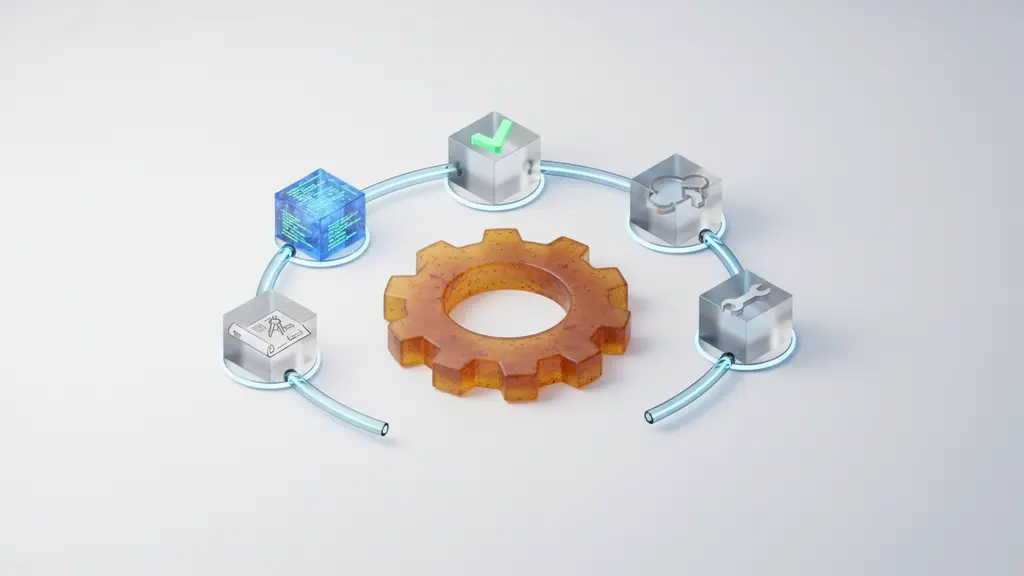
Bespoke software development follows a structured, phased process to ensure desired outcomes, reduce risk, and maximize ROI.
Typical projects adopt Agile or Waterfall methodologies, with clear milestones and quality checks.
Step-by-Step Process:
- Requirements Gathering: Deep dive into business needs, user stories, and compliance factors.
- Solution Design: Architectural planning, UX/UI prototyping, and integration mapping.
- Development: Coding and initial builds, with regular reviews or ‘sprints’ (Agile).
- Quality Assurance & Testing: Unit, integration, and user acceptance testing (UAT) to ensure functionality and security.
- Deployment & Integration: Launch on-premises or in the cloud, connect with required business systems.
- Support & Evolution: Ongoing maintenance, user support, and periodic enhancements.
Visual Workflow:
1. Requirements → 2. Design → 3. Build → 4. Test → 5. Deploy → 6. Support
Methodologies Used:
- Agile: Iterative, adaptive to changes—ideal for projects with evolving requirements.
- Waterfall: Sequential, best for fixed-scope projects.
- DevOps: Continuous delivery model, stressing automation and collaboration.
Typical Timelines:
Small projects: 2–4 months
Complex/enterprise solutions: 6–12+ months
How Do You Choose the Right Bespoke Software Partner? (Vendor Evaluation)

Selecting the right vendor is as critical as designing the solution itself. A structured evaluation process reduces risk, improves alignment, and yields better long-term results.
Core Vendor Selection Criteria:
- Demonstrated E-E-A-T (Experience, Expertise, Authoritativeness, Trustworthiness)
- Relevant industry and technical track record
- Transparent project management processes (Agile/DevOps capability)
- Capacity for integration, security, and compliance
- Clarity on IP ownership, support, and future scalability
Essential Vendor Questions:
- Which team will work on my project, and what is their previous experience?
- How will you guarantee IP ownership and code transfer?
- What is your support SLAs and escalation model?
- Can you provide case studies with similar requirements?
- How do you ensure secure coding and data protection?
Red Flags:
- Unclear pricing or vague contracts
- No clear plan for ongoing support or upgrades
- Reliance on proprietary technology without flexibility
Case Studies: Where Bespoke Software Excels
Bespoke software success stories prove its value across industries—from revolutionizing internal workflows to unlocking new customer experiences.
| Industry | Problem | Bespoke Solution | ROI / Outcome |
| Healthcare | Siloed patient records, compliance gaps | Custom EHR platform | +25% admin speed |
| Finance | Manual risk analysis, outdated systems | Automated risk analytics engine | -40% errors, +15% accuracy |
| Retail | Inventory inaccuracy, poor omnichannel | Real-time inventory & POS integration | +12% sales, -20% shrinkage |
| Manufacturing | Inefficient production tracking | IoT-enabled process monitoring | +18% output efficiency |
Short Case Example:
A national retailer replaced fragmented spreadsheets and stock apps with a unified, bespoke inventory platform—leading to 12% sales growth and cutting shrinkage by 20% in one year.
Key Metrics:
- Majority of bespoke projects in regulated sectors (healthcare, finance) deliver measurable compliance, process, and user experience gains within 12–18 months post-launch.
- According to Mordor Intelligence, businesses that align software closely with core operations see a 20–40% improvement in productivity.
What About Maintenance, Support, and the Software Lifecycle?
Effective bespoke software requires planning for the entire lifecycle—not just go-live.
Post-launch support is vital for uptime, security, and continuous value.
Post-Launch Support Models:
- In-house: Your team manages updates and issue resolution.
- Vendor-managed: The original developer provides ongoing support (SLAs, patches, upgrades).
- Hybrid: Shared responsibilities between client and vendor.
Key Maintenance Tasks:
- Regular security updates and vulnerability scanning
- Feature upgrades and regulatory compliance (e.g., GDPR, ISO, FDA)
- Performance monitoring, scaling, and bug fixes
Lifecycle Planning:
- Plan for annual or bi-annual updates.
- Ensure source code and documentation stay up to date.
- Incorporate future-proofing for technology and platform changes.
Risks to Watch:
- Vendor lock-in if source code or deployment access is restricted
- Outdated systems that no longer meet security or regulatory needs
Should You Invest in Bespoke Software?
Deciding whether bespoke software is right for your organization hinges on business goals, resource readiness, and technical needs.
Use this simple five-question matrix to guide your decision.
| Key Question | If YES | If NO |
| Does your business process give you a competitive edge? | Consider Bespoke | Off-the-shelf may suffice |
| Are requirements unique or unmet by standard solutions? | Prioritize Custom Fit | Leverage existing solutions |
| Do you need deep integration with current systems? | Bespoke likely needed | Standard APIs could be enough |
| Is scalability a top priority for growth/expansion? | Build for Future | Evaluate SaaS scalability |
| Can you support long-term maintenance/updates? | Plan accordingly | Opt for vendor-managed options |
Frequently Asked Questions (FAQ)
What is bespoke software development?
Bespoke software development is the process of creating a custom software solution designed to meet the specific needs and workflows of a single organization or business, rather than using generic, off-the-shelf products.
How is bespoke software different from off-the-shelf solutions?
Bespoke software is built from scratch for one client, offering complete alignment with their business needs. Off-the-shelf solutions provide common features for many users but may require compromises or workarounds.
What are the advantages of bespoke software development?
Advantages include precise fit to business needs, improved scalability, competitive differentiation, greater integration flexibility, and direct IP ownership.
What are the risks of commissioning bespoke software?
Risks include higher upfront costs, longer development times, possible cost overruns, and potential vendor lock-in if contracts are not clear about IP and support.
How much does bespoke software development cost?
Costs typically range from $50,000 to $500,000+, depending on project size, complexity, and requirements. The 3-year total cost of ownership might be higher initially but can offer better value and ROI over time.
How long does it take to develop bespoke software?
Simple solutions may take 2–4 months; complex enterprise projects often require 6–12+ months, depending on requirements and resources.
Who owns the intellectual property of bespoke software?
Generally, the client owns the IP and source code, provided the contract specifies this ownership and payment is made in full.
What does the bespoke software development process look like?
It typically includes requirements gathering, design, development, testing, deployment, and ongoing maintenance, often following Agile or Waterfall methodologies.
How do I choose the right bespoke software company?
Look for proven experience in your industry, technical expertise, transparent communication, strong references, and clear terms on IP, support, and security.
What happens after bespoke software is delivered (maintenance/support)?
Ongoing maintenance is essential, either managed by your internal team, the vendor, or collaboratively. Regular updates, security patches, and enhancements keep the software efficient and secure.
Conclusion
Bespoke software development empowers your organization to operate at its peak by aligning technology directly with business objectives. By understanding core differences, cost factors, process flows, and post-launch needs, executives can drive smart, high-ROI technology decisions.
Key Takeaways
- Bespoke software development offers tailored solutions for unique business needs, enabling long-term ROI and competitive advantage.
- Weigh initial costs and time-to-deliver against integration, scalability, and ownership benefits.
- A structured evaluation process—spanning requirements, cost drivers, and vendor credentials—is vital for project success.
- Ongoing maintenance and clear lifecycle planning ensure sustained software value.
- Use decision frameworks and checklists to assess organizational fit before investing.
This page was last edited on 9 July 2026, at 11:06 am

Start a conversation with our team to solve complex challenges and move forward with confidence.