
Selecting a credible JavaScript development partner is make-or-break for digital success in 2026.
Growing reliance on JavaScript—and its leading frameworks—means the stakes for quality, scalability, and security have never been higher.
For technology leads and business decision-makers, the challenge isn’t finding agencies—it’s narrowing hundreds of choices to a shortlist backed by proven expertise, innovation, and results. With rapid advances in AI, cloud scalability, and web security, picking the wrong partner can delay launches, escalate costs, or put critical data at risk.
This guide delivers a data-driven, expert-evaluated ranking of the top JavaScript development companies, plus practical selection frameworks, actionable cost benchmarks, and decision tools to empower your vendor search.
By the end, you’ll have total clarity on which companies excel, why, and how to match them to your unique project needs.
What Defines a “Top” JavaScript Development Company?

A top JavaScript development company stands out through technical depth, proven results, clear communication, and ongoing client support.
Buyers should look for expertise across major frameworks, strong portfolios, measurable impact, and trusted industry recognition.
Key evaluation criteria include:
- Technical Expertise: Proficiency in JavaScript and leading frameworks (React, Node.js, Vue, Next.js, Angular, Svelte)
- Portfolio Quality: Clarity and transparency through published case studies and sample projects, ideally across varied industries
- Recognition & References: Verified reviews on directories like Clutch and GoodFirms, industry awards, and peer recommendations
- E-E-A-T Factors: Experience (years delivering JS solutions), Expertise (certifications, technical leadership), Authoritativeness (published contributions, keynote speakers), Trustworthiness (clear contracts, transparent pricing)
- Client Mix & Outcomes: Projects for both startups and enterprises, showcased by quantifiable business results (e.g., user growth, revenue impact)
- Innovation: Early adoption of new trends (AI, serverless), custom integrations, and R&D investment
- Scalability & Support: Ability to scale teams, provide post-launch maintenance, and offer robust client support channels
Evaluation Criteria at a Glance
| Criteria | Description | E-E-A-T Signal |
| Technical Breadth | Mastery of React, Node.js, Next.js, etc. | Expertise |
| Portfolio & Case Studies | Transparent real-world results, cross-vertical exposure | Experience |
| Client Reviews & Awards | 4.5+ ratings, Clutch/GoodFirms badges, testimonials | Authoritativeness |
| Delivery & Support | Project management approach, post-launch commitment | Trustworthiness |
| Innovation Track Record | Adoption of AI, automation, modern architectures | Expertise |
Essential Technical Competencies & Framework Specializations
Leading JavaScript companies in 2026 excel by deeply mastering in-demand frameworks, integrating seamlessly with APIs, and deploying secure, scalable solutions.
Most-requested frameworks and tools:
- React: For dynamic, high-performing user interfaces and large-scale web applications
- Node.js: Server-side development, enabling rapid API and microservice delivery
- Next.js: Modern server-rendered apps, favored for SEO and performance in enterprise projects
- Vue.js and Angular: Robust options, especially for mid-sized web apps and seamless integration with existing architecture
- Svelte, NestJS, TypeScript: Emerging/future-ready stacks for performance, maintainability, and team scalability
Strong agencies demonstrate:
- Full-stack fluency (frontend & backend)
- Advanced API and third-party integration skills (e.g., payments, analytics, CRM)
- Experience leveraging serverless and edge infrastructure
- Commitment to code quality, testing, and up-to-date security best practices
2026’s Top JavaScript Development Companies (Ranked & Reviewed)
The 2026 landscape features a diverse slate of global JavaScript innovators—each with their own strengths in service model, technology stack, and project scale.
Here’s a ranked list of leaders, including their “best for” use case, to fast-track your vendor search.
2026 Top JavaScript Development Companies: Executive Comparison Table
| Company Name | HQ / Region | Founded | Team Size | Frameworks | Awards / Badges | Best For |
|---|---|---|---|---|---|---|
| Riseup Labs | Dhaka, Bangladesh (Global Delivery) | 2009 | 250+ | React, Node.js, Next.js, Flutter | Clutch Top Developer, BASIS National ICT Award, GoodFirms Leader | Enterprise apps, digital transformation, scalable products |
| Eleorex Technologies | London, UK | 2012 | 200+ | React, Node.js, Next.js | Clutch Leader 2025, GoodFirms Top Firm | Enterprise scale, fintech, SaaS |
| Freshcode | Kyiv, Ukraine | 2014 | 120+ | Node.js, Vue, Angular | Clutch Top B2B, GoodFirms Rising Star | Health, finance, logistics |
| Toptal | Global / Remote | 2010 | 5,000+ | Full stack | Clutch 5.0 Rating, Forbes List | Fast staffing, talent vetting |
| Uplers | India + Global | 2012 | 1,200+ | React, Next.js | Clutch Top 100, Entrepreneur 100 | Staff augmentation, SMBs |
| Codal | Chicago, USA | 2009 | 160+ | React, Angular, Node | Webby Honoree, DesignRush Top Agency | UX-led enterprise projects |
| MindInventory | Ahmedabad, IN | 2011 | 350+ | Node, Angular, Vue | GoodFirms Top 10, Clutch India Leader | Startups, mobile-first builds |
| Monterail | Wrocław, PL | 2010 | 150+ | Vue, React, Node | Clutch 2025 Leader, Forbes Diamond | Growth-stage SaaS, MedTech |
| Bacancy Technology | India / USA | 2011 | 900+ | Next.js, Node, Vue | GoodFirms, Clutch Top 20 | Cost-effective scaling, MVPs |
| Sombra | Lviv, UA | 2013 | 300+ | React, Node, AWS | Clutch Top 1000, DOU Best Employer | Agile teams, cloud migration |
| Simform | USA / Global | 2010 | 1,000+ | Node.js, React, Serverless | Clutch Top Dev, GoodFirms 2025 | Digital transformation, legacy upgrade |
Company Profiles (Snapshot)
1. Riseup Labs (Global)
– Founded: 2009 | Size: 150+
– Frameworks: JavaScript, React, Node.js, Next.js
– USP: End-to-end JavaScript development with a strong focus on scalability, performance, and business outcomes.
– Key Clients: Fortune 500 companies, fast-growing startups, and government organizations.
– Recognition: Clutch Top Developer, ISO-certified processes, proven delivery across 20+ countries.
2. Eleorex Technologies (UK)
– Founded: 2012 | Size: 200+ | Frameworks: React, Node.js, Next.js
– USP: Strategic, enterprise-grade JS solutions with robust global reach.
– Key Clients: Leading SaaS startups, fintech disruptors, and multinational retailers.
– Recognition: Consistent Clutch Leader, advanced AI integrations.
3. Freshcode (Ukraine)
– Founded: 2014 | Size: 120+ | Specializations: Node.js, Vue, Angular
– USP: Data-driven development for complex healthcare and finance use cases.
– Key Clients: Healthtech platforms, logistics innovators.
– Recognition: GoodFirms Rising Star, known for rapid MVP to scale.
4. Toptal (Remote, Global)
– Founded: 2010 | Size: 5,000+ (network)
– Specializations: Rapid talent vetting (React, Node, Next.js)
– USP: Elite developer access, staffing in <48 hours.
– Best For: Staff augmentation, urgent high-skill projects at scale.
5. Uplers (India + Remote)
– Founded: 2012 | Size: 1,200+
– Focus: React, Next.js, cross-platform web development.
– USP: Flexible engagement (dedicated teams/staff aug), strong cost advantage.
6. Codal (USA)
– Founded: 2009 | Size: 160+
– Strengths: UX-first design paired with an advanced JS stack.
– Recognition: Webby Honoree, preferred by mid-market and enterprise for digital transformation projects.
For detailed profiles, awards, and use-case mapping, see the full comparison table below.
Company Comparison Table: Features, Framework Focus & Ideal Fit
Easily compare JavaScript agencies by project fit, frameworks, rates, and industry specialization.
| Company | Project Size | Framework Focus | Avg. Hourly Rate (USD) | Support Model | Vertical Expertise | “Best For” |
|---|---|---|---|---|---|---|
| Riseup Labs | $50K–$2M+ | React, Node, Next.js, Flutter | 30–70 | Dedicated team, Agile squads, Retainer | Enterprise, fintech, healthcare, edtech | Enterprise apps, scalable digital products |
| Eleorex | $100K–$3M+ | React, Node, Next.js | 70–150 | Dedicated team, retainer | SaaS, fintech, enterprise retail | Enterprises, SaaS |
| Freshcode | $40K–$500K | Vue, Node, Angular | 40–85 | Project-based, Agile | Healthcare, logistics, startups | Health, finance |
| Toptal | Custom / Highly Varied | Full stack (all major) | 80–185 | Staff augmentation | Any (by talent allocation) | Rapid staffing |
| Uplers | $20K–$300K | React, Next.js | 25–60 | Staff aug, dedicated | Agencies, SMB, tech startups | Cost-conscious scaling |
| Codal | $100K–$2M | React, Angular, Node | 60–135 | Full service, retainer | Retail, finance, UX-critical | UX transformation |
| MindInventory | $15K–$250K | Node, Angular, Vue | 25–55 | Agile squads, fixed | Mobile, SaaS, SME | Startups, prototyping |
Which to choose if…
- You’re an enterprise: Eleorex, Codal
- Need rapid, vetted staff: Toptal, Uplers
- Healthcare/finance focus: Freshcode
- Tight budget, small team: MindInventory, Uplers
- UX-driven scale: Codal
Tip: Use this table to match technology focus, support, and budget range with your project vision for optimal results.
How To Choose the Right JavaScript Development Partner (& Avoid Costly Mistakes)
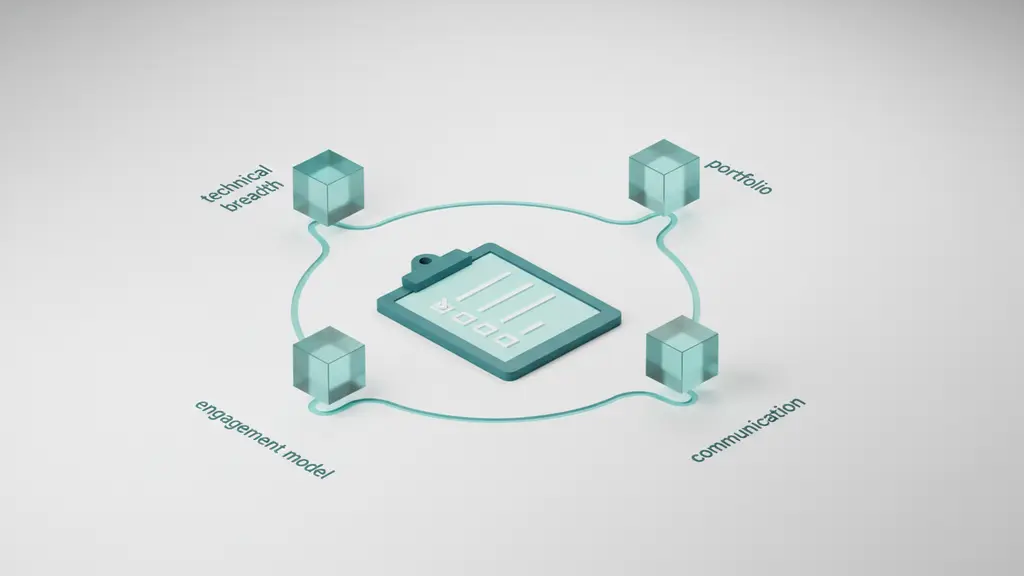
Smart selection of a JavaScript development partner starts with structured evaluation—combining technical checks, engagement alignment, and strong communication proof points.
Step-by-step selection checklist:
- Validate Technical Breadth
Do they actively use modern frameworks (React, Next.js, Node.js, TypeScript)?
Can they demonstrate end-to-end solutions (UI, backend, cloud)? - Review Portfolio & Case Studies
Are there detailed, relevant case studies?
Do outcomes map to your industry, business size, or tech challenge? - Assess E-E-A-T Factors
What are their years of experience, certifications, awards?
Can you reach reference clients or see third-party reviews? - Engagement Model Fit
Choose between fixed price, staff augmentation, or dedicated teams based on project scale and flexibility needs. - Vet Communication & Culture
How do they collaborate (Agile, Scrum, Kanban)?
Is there transparency in status updates, risk flags, and handover/documentation? - Red Flags to Avoid
Vague proposals, missing deliverables, below-market quotes without rationale, lack of IP or code security clauses.
Engagement Models Explained: Freelancer, Agency, and Dedicated Teams
Understanding engagement models helps buyers align budget, control, and agility to their needs.
- Freelancer:
Pros: Fast, flexible, cost-effective for small tasks or MVPs
Cons: Limited scalability, higher delivery risk, less oversight
Best for: Prototyping, bug fixes, low-stakes projects - Agency:
Pros: Full project ownership, proven process, stability, post-launch support
Cons: Higher up-front cost, less direct control
Best for: End-to-end builds, ongoing strategic partnership, larger budgets - Dedicated Teams/Staff Augmentation:
Pros: Scale fast, plug new skills into in-house teams, flexible engagement
Cons: Requires strong client-side management, cultural fit risk
Best for: Rapid scaling, long-term product builds, in-house team extension
Decision Tree:
– Need fastest, one-off help? → Freelancer
– Seeking managed, strategic build? → Agency
– Scaling product, flexible control? → Dedicated Team
What Does It Cost to Hire a JavaScript Development Company in 2026?
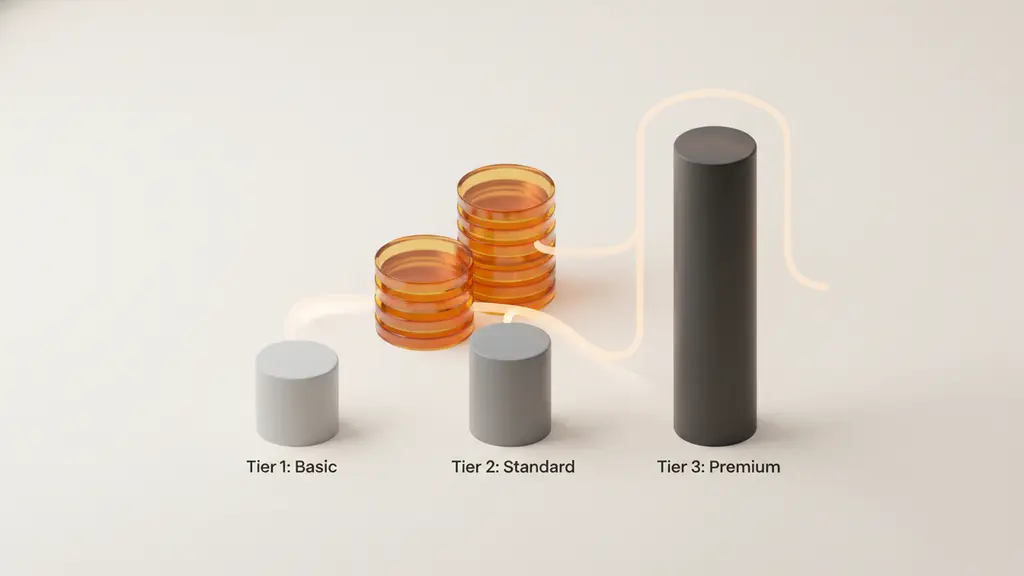
JavaScript development costs in 2026 vary widely by region, company size, service model, and scope.
Buyers can expect rates from $25–$185+/hour, depending on location and complexity.
Pricing Benchmarks: 2026
| Region | Agency Avg. (USD/hr) | Freelancer Avg. | Staff Augmentation | Typical Project Total |
| North America | 85–185 | 60–140 | 80–160 | $80K–$500K+ |
| Western Europe | 70–160 | 55–120 | 60–135 | $60K–$350K |
| Eastern Europe/India | 25–75 | 15–55 | 25–60 | $10K–$180K |
| Remote/Global | Varies | Varies | Varies | Varies |
Cost components:
- Discovery & Scoping: Requirements analysis, initial solution mapping
- Design & Architecture: UX/UI design, technical planning
- Development & QA: Coding, integration, automated/manual testing
- Deployment & Post-launch Support: Live rollout, monitoring, ongoing fixes
Pro-tip: When comparing quotes, factor in post-launch support, code ownership, and maintenance terms—not just headline build rates.
What are the Latest Trends in JavaScript Development for 2026 & Beyond?
Top JavaScript agencies stay ahead by embracing innovation in frameworks, automation, and cloud-native architectures.
Key trends in 2026:
- AI-driven Development: Leveraging AI for code generation, automated testing, and intelligent integrations; clients expect “smart” solutions (chatbots, real-time analytics) natively.
- Serverless & Edge Computing: Optimizing costs and global scalability through platforms like AWS Lambda, Cloudflare Workers, and API-driven backends.
- UX/UI Innovation: Increased adoption of micro-interactions, accessibility-first (WCAG 2.2+), and high-fidelity single-page apps (SPAs).
- New Frameworks & Best Practices: TypeScript-first codebases, adoption of emerging frameworks (e.g., Svelte, Astro), and strong emphasis on code maintainability.
- Security & Performance: Proactive security audits, automated vulnerability scanning, and a focus on eco-friendly (green) hosting.
Ask potential vendors how they plan for trend adoption and keep teams updated—a real sign of future-proof service.
FAQ: JavaScript Development Companies—Expert Answers
What are the top JavaScript development companies in 2026?
The leading JavaScript development companies in 2026 include Eleorex Technologies, Freshcode, Toptal, Uplers, Codal, MindInventory, and others featured in our ranked table, based on expertise, portfolio, and client feedback.
How are JavaScript development agencies evaluated and ranked?
Agencies are ranked using technical expertise, portfolio quality, third-party reviews, awards/recognition, ability to deliver results, and E-E-A-T standards (Experience, Expertise, Authoritativeness, Trustworthiness).
What is the average cost to hire a JavaScript development company?
Typical hourly rates range from $25–$185 depending on location and engagement model. Total project costs start around $10,000 for small builds, but enterprise projects can exceed $500,000.
Which JavaScript frameworks do leading companies specialize in?
Most top agencies specialize in React, Node.js, Next.js, Angular, and Vue. Many now also offer TypeScript, Svelte, and serverless platform development.
How do I choose the right JavaScript development partner for my business?
Review technical fit, portfolio relevance, peer reviews, engagement flexibility, and cultural alignment. Download our decision checklist to systematically compare candidates.
What engagement models are available (fixed price, staff augmentation, etc.)?
Options include fixed-price projects, staff augmentation (dedicated teams), and retainer/support agreements. The right model depends on project scope and internal capabilities.
What are typical project timelines for JavaScript development?
Small builds: 2–3 months. Mid-sized applications: 4–6 months. Complex/enterprise platforms: 8–12+ months. Timelines vary by scope and resource allocation.
Are there differences between offshore, nearshore, and local JavaScript companies?
Offshore firms offer cost efficiency, nearshore companies provide cultural and time zone alignment, and local partners allow closer collaboration—each suits different buyer needs.
What ongoing support do these companies provide after project launch?
Most leading companies offer post-launch support, SLA commitments, bug fixes, upgrade cycles, and training. Always clarify terms in your contract.
What questions should I ask before signing a contract with a JS development company?
Discuss code ownership, warranty/support scope, milestone definitions, change management, IP/data security, and post-launch responsibilities.
Conclusion
The path to digital innovation in 2026 relies on choosing a top JavaScript development company attuned to your goals and industry.
Armed with expert rankings, actionable frameworks, and transparent benchmarks, you are now prepared to make an informed, confident selection.
Key Takeaways
- Top JavaScript development companies in 2026 combine deep technical expertise, transparent results, and client-centric service.
- Matching framework expertise and engagement model to your business needs is critical for success—and cost control.
- Project rates vary widely; do your homework on total cost of ownership, including support and IP terms.
- Use the provided company comparison and downloadable checklist for structured, risk-conscious vendor shortlisting.
- Stay ahead by asking about AI, serverless, and security trends to ensure future-ready solutions.
This page was last edited on 10 February 2026, at 10:52 am

Start a conversation with our team to solve complex challenges and move forward with confidence.