
Choosing the right healthcare app development company in the UK can make or break your digital health initiative. Success hinges on technical quality, regulatory compliance, and a proven understanding of NHS systems. In the UK’s fast-evolving digital health market, competition is fierce, and regulatory standards are non-negotiable.
Leaders in hospitals, clinics, and healthtech startups face the dual challenge of building innovative yet strictly compliant solutions. An underqualified vendor risks high costs, regulatory issues, and patient safety concerns, while the right partner accelerates adoption and ROI.
This guide delivers an expert-vetted shortlist, a comparison matrix, and a hands-on framework for evaluating top UK medical app companies. By the end, you’ll know exactly how to select and engage an NHS-ready, trustworthy healthcare app development partner.
How Do You Choose the Best Healthcare App Development Company in the UK?
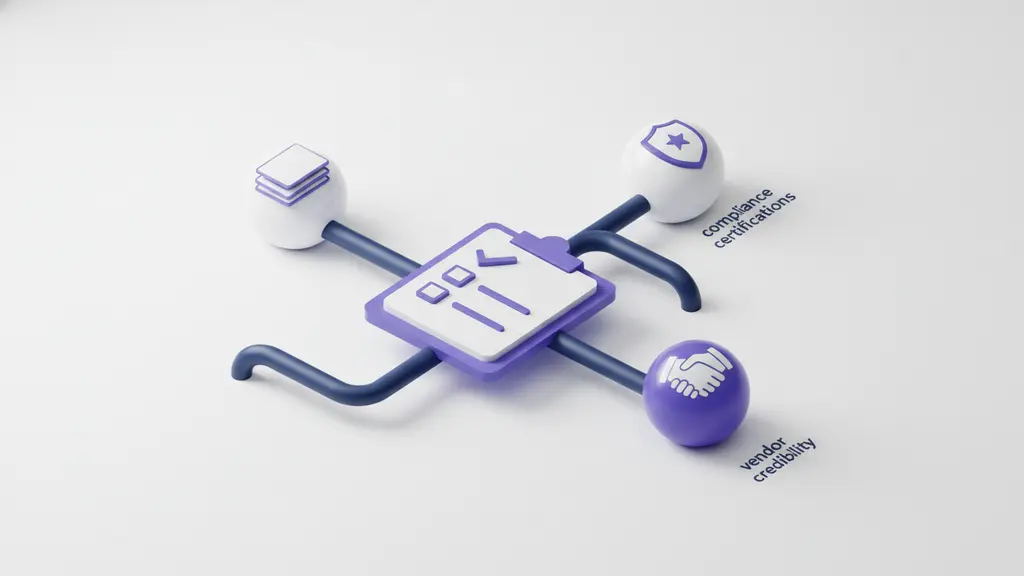
Selecting a healthcare app developer in the UK requires a structured, compliance-driven approach. The right vendor should demonstrate medical domain expertise, regulatory compliance, robust technical skills, and real-world NHS or UK health experience.
Follow this due diligence checklist:
- Build a Shortlist:
- Search for companies with verifiable healthcare project portfolios in the UK.
- Prioritize those demonstrating NHS integration, regulatory expertise, and published case studies.
- Send a Detailed RFP (Request for Proposal):
- Define project scope, technical needs, compliance requirements, and integration demands (EHR, telemedicine, wearables).
- Ask about data privacy frameworks and prior NHS work.
- Assess Vendor Credibility:
- Check company credentials, team size, client list, and third-party reviews (e.g., Clutch, HIMSS).
- Validate certifications: ISO 13485, ISO/IEC 27001, GDPR readiness.
- Review References and Case Studies:
- Request references from NHS or UK healthcare clients.
- Examine case studies for evidence of compliance, quality, and technical outcomes.
- Evaluate the Fit:
- Rate vendor’s communication, responsiveness, and cultural fit.
- Clarify post-launch support and update terms.
Signs of a Strong Partner:
- Experience with UK regulatory frameworks and direct NHS projects.
- Transparent discussion of compliance, including GDPR, MDR, ISO, and data privacy.
- References or testimonials from reputable UK health organizations.
Common Pitfalls to Avoid:
- Overlooking regulatory fit or assuming “healthcare experience” is enough—it must map to UK standards.
- Neglecting to check real-world case studies or confirm UK project delivery.
- Failing to agree a clear support and update strategy post-launch.
Key Compliance & Regulatory Requirements for UK Healthcare App Development
Compliance is central to every healthcare app project in the UK. Vendors must align with NHS Digital standards, GDPR, MDR 2002, and relevant ISO certifications.
Compliance Checklist:
- NHS Digital Standards:
Apps aimed at NHS users must meet NHS Digital’s interoperability, security, and usability guidelines.
NHS Digital provides technical standards and assessment portals. - General Data Protection Regulation (GDPR):
Requires lawful, transparent, and secure handling of patient data.
Vendors must build secure authentication, data minimization, and breach response protocols. - UK Medical Devices Regulations 2002 (MDR):
Apps that diagnose or treat patients may be regulated as medical devices.
MDR compliance is mandatory for Class I/II medical apps; includes CE/UKCA marking. - ISO Standards:
ISO/IEC 27001 (information security) and ISO 13485 (medical devices quality management) are key signals of vendor maturity.
Certifications signal robust processes for secure health software. - HIPAA:
While primarily a US standard, UK companies targeting US or multinational clients often support HIPAA as an added trust factor.
Red Flags:
- Vendors unable to document GDPR or MDR compliance.
- No NHS Digital assessment or relevant certifications.
- Vague answers to questions about patient data security.
Essential Selection Criteria: What Sets Great Healthcare App Development Firms Apart?
Top healthcare app development companies stand out through sector expertise, regulatory depth, and technical innovation.
Essential criteria include:
- Proven Healthcare Portfolios:
Look for detailed, recent NHS and digital health case studies.
Evaluate live apps for user experience and regulatory fit. - Interoperability & Integration:
Experience with EHR/EMR integration (HL7, FHIR), telehealth, and wearable devices (IoMT).
Support for both proprietary and NHS open API standards. - User-Centered Design (UX/UI):
Demonstrated patient and clinician input in design and usability testing.
Clear focus on accessibility and inclusivity. - End-to-End Support:
Services from ideation to post-launch maintenance, including hosting, security, and compliance updates.
Ability to scale from MVP to enterprise, supporting complex NHS workflows. - Custom vs. Off-the-Shelf:
Real-world strengths in custom app builds vs. modular/off-the-shelf healthtech.
Advisory on what’s best for your use case.
Vet using this ordered list:
- Portfolio with UK health sector/NHS projects
- Documented compliance with NHS, GDPR, MDR, ISO standards
- Evidence of EHR, telehealth, wearable integration
- User-centric, accessible design process
- SLA or contract for ongoing support/maintenance
Which Are the Top Healthcare App Development Companies in the UK?
The leading healthcare app development companies in the UK for 2026 are measured by NHS experience, compliance, technical capability, and project outcomes. Here is a curated list of the top vendors, each with proven NHS or regulated health experience.
Top UK Healthcare App Development Companies:
- 1. Magora (London) — NHS & digital health specialist, ISO/IEC 27001 certified
- 2. Glance (London) — Leading in patient engagement and clinical workflow apps
- 3. Chetu UK (London/Reading) — Broad healthtech expertise, EHR integration leader
- 4. Dev Technosys (London/Leicester) — Custom mobile health, telemedicine focus
- 5. Hidden Brains UK (London) — Strong compliance and wearable/IoT integrations
- 6. Net Solutions UK (London) — Digital health innovation, GDPR and NHS Digital experience
- 7. Intellectsoft UK (London) — Enterprise medical apps, MDR and ISO qualified
- 8. Future Processing (London/UK/Poland) — Custom software, NHS data solutions
Company Highlights
Magora: Deep NHS and UK Medical Compliance
Summary:
Magora is a London-based healthcare app developer recognized for NHS-ready apps and strong compliance credentials.
- Founded: 2010
- Location: London, UK
- Staff: 100+ (UK and global)
- Certifications: ISO/IEC 27001, GDPR
- NHS Experience: Developed patient engagement and EHR apps for NHS Trusts.
- Specialties: Custom mobile health apps, web-based EHR, clinician portals, telemedicine platforms
- Compliance: End-to-end NHS Digital, GDPR, MDR expertise
Notable Project:
Built a regulated e-consultation platform for a London NHS Trust, meeting NHS Digital standards for data protection and user authentication.
Glance: Patient Engagement and Clinical Apps Innovator
Summary:
Glance, based in London, has a strong record in delivering high-UX healthcare apps for NHS and private clinics.
- Founded: 2016
- Location: London, UK
- Staff: 75+
- Certifications: ISO/IEC 27001, NHS Digital compliance
- NHS Experience: Patient-facing health apps for London NHS clinics
- Specialties: UX/UI, telehealth, patient engagement, remote care
- Compliance: Strong on GDPR, accessibility, and medical device standards
Notable Project:
Launched a mobile-first patient engagement platform, reducing missed NHS appointments by 18% over six months.
Chetu UK: EHR and Health IT Integration Expert
Summary:
Chetu UK offers robust technical expertise for complex health and EHR projects.
- Founded: 2000 (UK branch since 2018)
- Location: London, Reading
- Staff: 1000+ (global, 70+ UK-based)
- Certifications: ISO/IEC 27001, HIPAA (US/UK projects)
- NHS Experience: Integrated FHIR-based EHR apps for NHS pilot projects
- Specialties: EHR/EMR, HL7, telemedicine, medical billing
- Compliance: Emphasizes global and UK health IT standards
Dev Technosys: Telemedicine and Custom Health Apps
Summary:
Dev Technosys is a UK-based firm specializing in secure mobile apps for telehealth and remote care.
- Founded: 2010
- Location: London, Leicester
- Staff: 150+
- Certifications: GDPR, MDR 2002
- NHS Experience: Telemedicine and urgent care solutions for GP practices
- Specialties: Custom apps, video consultations, remote monitoring
- Compliance: GDPR, medical device marking
Hidden Brains UK: IoMT and Wearable Integration
Summary:
Hidden Brains UK leads in IoT and wearable device integration for digital health products.
- Founded: 2003 (UK branch since 2018)
- Location: London
- Staff: 500+ (UK/global)
- Certifications: ISO 13485, ISO 9001
- NHS Experience: Wearable data integration for research hospitals
- Specialties: IoMT, remote vitals monitoring, AI analytics
- Compliance: MDR, ISO, NHS Digital
Net Solutions UK: Digital Health Startups Focus
Summary:
Net Solutions UK delivers scalable apps and digital platforms for health startups and NHS pilots.
- Founded: 2000 (UK office since 2016)
- Location: London
- Staff: 300+ (global, UK/project teams)
- Certifications: ISO/IEC 27001, GDPR
- NHS Experience: Virtual care solutions for healthtech startup–NHS collaborations
- Specialties: Agile MVP build, health platforms, patient engagement
- Compliance: Emphasizes UK medical data security
Intellectsoft UK: Enterprise and MDR/ISO Healthcare Apps
Summary:
Intellectsoft UK is known for enterprise-grade, regulated healthcare platforms.
- Founded: 2007
- Location: London
- Staff: 350+ (global, UK focus teams)
- Certifications: ISO/IEC 27001, MDR 2002
- NHS Experience: Enterprise patient portals, secure clinical apps
- Specialties: Large-scale systems, third-party integrations, compliance
- Compliance: MDR, GDPR, NHS Digital, ISO/IEC
Future Processing: NHS Data and Custom Software
Summary:
Future Processing brings a data-driven, custom software approach to UK health projects.
- Founded: 2000 (UK base since 2012)
- Location: London, UK, EU
- Staff: 900+ (UK/EU)
- Certifications: ISO 9001, ISO/IEC 27001
- NHS Experience: Custom data integration for NHS, AI-powered analytics
- Specialties: NHS data, predictive health analytics, process automation
- Compliance: NHS Digital, GDPR
Comparison Table: UK Healthcare App Development Companies at a Glance
| Company | Founded | HQ | Staff | Certifications | NHS Experience | Key Services | Pricing Band |
|---|---|---|---|---|---|---|---|
| Magora | 2010 | London | 100+ | ISO/IEC 27001, GDPR | Yes | Mobile apps, EHR, portals | Medium-High |
| Glance | 2016 | London | 75+ | ISO/IEC 27001, NHS Dig | Yes | Patient engagement, UX, telehealth | Medium |
| Chetu UK | 2000 | London | 1000+ | ISO/IEC 27001, HIPAA | Yes | EHR/EMR, telemedicine, HL7 | High |
| Dev Technosys | 2010 | London | 150+ | GDPR, MDR 2002 | Yes | Telemedicine, custom health | Medium |
| Hidden Brains UK | 2003 | London | 500+ | ISO 13485, ISO 9001 | Yes | IoT/wearables, AI analytics | Medium |
| Net Solutions UK | 2000 | London | 300+ | ISO/IEC 27001, GDPR | Yes | Health MVPs, platforms | Medium |
| Intellectsoft UK | 2007 | London | 350+ | ISO/IEC 27001, MDR | Yes | Enterprise apps, integration | Medium-High |
| Future Processing | 2000 | London | 900+ | ISO/IEC 27001, ISO 9001 | Yes | Custom software, analytics | Medium-High |
Note: Pricing bands are indicative—engage vendors for custom quotes and scoping.
What’s Driving Innovation in UK Healthcare App Development? [Market Trends & Technology]
Healthcare app development in the UK is shaped by regulatory change, advances in AI, and a shift towards patient-centric digital care. Buyers are prioritizing compliance, data interoperability, and cost-effective digital transformation.

NHS Digital, UK Health Data Laws, and Certifications Explained
Understanding UK health app regulation is essential for successful procurement. NHS Digital, GDPR, MDR, and relevant ISO certifications all set standards for safety, quality, and privacy.
- NHS Digital sets technical standards for apps used in NHS contexts, including interoperability (FHIR/HL7), security, and patient data access requirements.
- GDPR mandates robust privacy and data security for all patient information.
- ISO/IEC 27001 recognizes excellence in information security management.
- MDR 2002 applies to apps classified as medical devices, requiring CE/UKCA marking.
Pro Tip: Always demand clear documentation of each certification, recent assessments, and a demonstration of compliance processes from your vendor.
Telehealth, mHealth, and Patient Engagement App Trends in 2025/2026
- Telemedicine: Surge in remote consultation and virtual clinic apps, spurred by NHS funding and patient demand for digital-first care.
- mHealth (Mobile Health): Personalized patient apps supporting medication adherence, chronic condition management, and routine monitoring.
- Wearables and IoMT: Integration with Apple Health, Fitbit, and bespoke IoT devices for real-time health tracking and remote vitals.
- AI in Healthcare: Predictive analytics for triage, diagnostics, and personalized pathways.
- Accessibility & UX: Mandates on patient-centric, inclusive interfaces, aligning with NHS Digital Service Manual.
- Interoperability: Seamless EHR/EMR, HL7, and FHIR integrations across health systems.
Firms leading in these spaces demonstrate both technical dexterity and ongoing compliance with emerging UK regulations.
How Much Does It Cost to Build a Healthcare App in the UK? [2026 Breakdown]
![How Much Does It Cost to Build a Healthcare App in the UK? [2024 Breakdown]](https://riseuplabs.com/wp-content/uploads/2026/02/how-much-does-it-cost-to-build-a-healthcare-app-in-the-uk-2024-breakdown.webp)
Healthcare app development costs in the UK vary by complexity, compliance needs, and integration requirements. Typical projects range from £40,000 for a compliant MVP to £250,000+ for full-featured, NHS-integrated solutions.
Main cost drivers include:
- Compliance work (GDPR, MDR, NHS Digital)
- Integration with EHR/EMR, APIs, or devices
- Patient-facing features, accessibility/UX work
- Ongoing support, security maintenance, and updates
Sample Healthcare App Cost Table:
| App Type | Complexity | Typical Cost Range | Core Features | Compliance Inclusions |
|---|---|---|---|---|
| MVP | Simple | £40,000–£75,000 | Basic booking, patient login, notifications | GDPR, NHS Digital |
| Standard | Moderate | £75,000–£120,000 | User profiles, appointments, messaging, EHR API | GDPR, NHS Digital, MDR ready |
| NHS-Integrated | Complex | £120,000–£250,000+ | EHR/EMR integration, telehealth, device data, AI | NHS Digital, MDR, ISO/IEC, GDPR |
Important:
- Post-launch support, compliance monitoring, and major updates typically cost 15–25% of initial build per annum.
- Third-party fees (e.g., NHS integration, device certification) may add to quoted price.
Cost Comparison Table: Typical UK Healthcare App Development Pricing
| Scope | Complexity | Price Range | Inclusions | Compliance |
|---|---|---|---|---|
| MVP | Low | £40,000–£75,000 | Basic patient portal, GDPR basics | GDPR, NHS Digital |
| Standard App | Medium | £75,000–£120,000 | Appointments, secure messaging, EHR light integration | GDPR, MDR |
| NHS/Enterprise | High | £120,000–£250,000+ | Full EHR/EMR, HL7/FHIR, wearables, advanced AI/UX | NHS, MDR, ISO |
Estimated UK/EU rates, for 2026 cohort. Vendor quotes vary by project complexity and support needs.
Frequently Asked Questions About UK Healthcare App Development Companies
How do I choose the right healthcare app development company in the UK?
Start by reviewing each vendor’s regulated healthcare portfolio, validate their compliance with NHS Digital and GDPR, and request references from recent UK clients. Look for clear case studies and transparent process documentation.
What are the regulatory requirements for healthcare app development in the UK?
UK healthcare apps must comply with NHS Digital technical guidance, GDPR data privacy, MDR for medical devices, and, ideally, ISO standards. Failing to observe these can lead to regulatory penalties and failed procurements.
How much does it cost to develop a healthcare app in the UK?
Typical costs range from £40,000 (MVP, essential compliance only) to £250,000+ (for feature-rich, NHS-integrated apps). Pricing depends heavily on compliance scope, integration needs, and technical complexity.
Which UK app companies have experience with NHS integration?
Magora, Glance, Chetu UK, and Future Processing have all demonstrated NHS-specific projects, ranging from patient apps to EHR integrations.
How do healthcare app developers ensure data privacy and compliance?
Trusted firms conduct GDPR assessments, follow NHS Digital security protocols, and use secure cloud hosting. Certifications like ISO/IEC 27001 signal advanced data management and risk processes.
What technologies do leading UK healthcare app developers use?
Modern vendors employ mobile frameworks (iOS, Android), cloud backends, FHIR/HL7 APIs, AI/ML analytics, secure messaging, and wearable/IOT device integration.
Can these companies handle post-launch maintenance?
Yes. Leading UK firms offer ongoing support for compliance updates, security patches, user feedback-driven iterations, and hosting.
What is the typical development timeline for a healthcare app?
A basic MVP takes 3–6 months; full-featured, NHS-integrated solutions can require 9–18 months, including compliance and integration phases.
Are there firms specialized in telemedicine or wearable integration in the UK?
Hidden Brains UK and Dev Technosys excel in telemedicine and IoMT/wearable data projects.
What questions should I ask before hiring a healthcare app developer?
Request proof of regulated UK/NHS projects, detailed compliance processes, team composition, support terms, and clear scoping for integration or device connectivity.
Conclusion
Partnering with the right healthcare app development company in the UK requires a clear focus on compliance, sector expertise, and proven technical delivery. Begin by evaluating portfolios for real NHS/regulatory experience, checking references, and aligning on data protection standards. Secure an RFP or quote from vendors featured in this guide and use the provided comparison matrix to match your requirements.
Key Takeaways
- Vendor selection should focus on NHS, GDPR, and MDR compliance—not just technical ability.
- Review portfolios for recent, real-world UK healthcare app case studies.
- Typical UK healthcare app projects cost £40,000–£250,000+, depending on scope and compliance.
- Magora, Glance, and Chetu UK stand out for regulated builds and NHS expertise.
- Use our comparison tables and due diligence framework to shortlist and engage the best-fit partners.
This page was last edited on 6 February 2026, at 6:29 pm

Start a conversation with our team to solve complex challenges and move forward with confidence.