
Choosing between front-end and back-end development is a foundational career decision in tech, impacting not only the type of work you’ll do but also your skills, salary, and job prospects.
Front-end development focuses on the “client-side”—everything users see and interact with in a web application—while back-end development deals with the “server-side” logic, databases, and infrastructure powering those experiences.
This guide delivers an expert, data-driven playbook for understanding the front-end vs back-end development, comparing roles, technologies, and salaries with actionable advice tailored for anyone navigating a web development career path.
What Is Front-End Development?
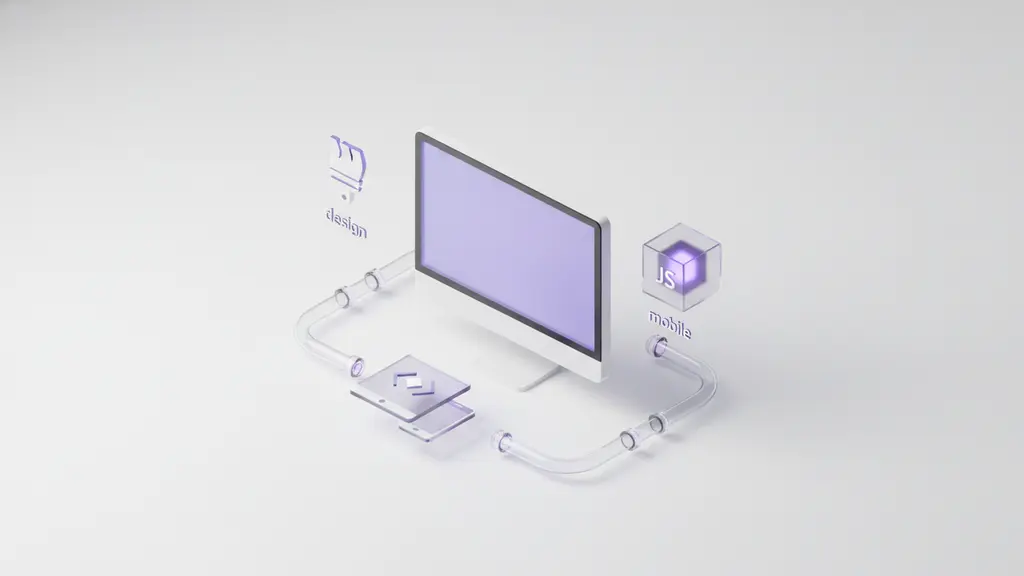
Front-end development refers to creating the visible parts of a website or application that users interact with directly.
Front-end developers build fast, responsive user interfaces (UI) and ensure a seamless user experience (UX) across devices and browsers. This is often called the “client-side” of web development.
Key Front-End Skills and Technologies:
- HTML: Structures content on the web.
- CSS: Styles and visually formats web pages.
- JavaScript: Adds interactivity and dynamic behavior.
- UI/UX Fundamentals: Designing interfaces that are intuitive and accessible.
Popular Front-End Frameworks & Libraries:
- React: Modern, component-based JavaScript library by Meta.
- Angular: A robust framework by Google for complex applications.
- Vue.js: Progressive, flexible JavaScript framework.
Main Responsibilities of a Front-End Developer:
- Translating designs into interactive web pages.
- Ensuring mobile responsiveness and cross-browser compatibility.
- Optimizing page speed and performance.
- Prioritizing accessibility and usability standards.
What Is Back-End Development?
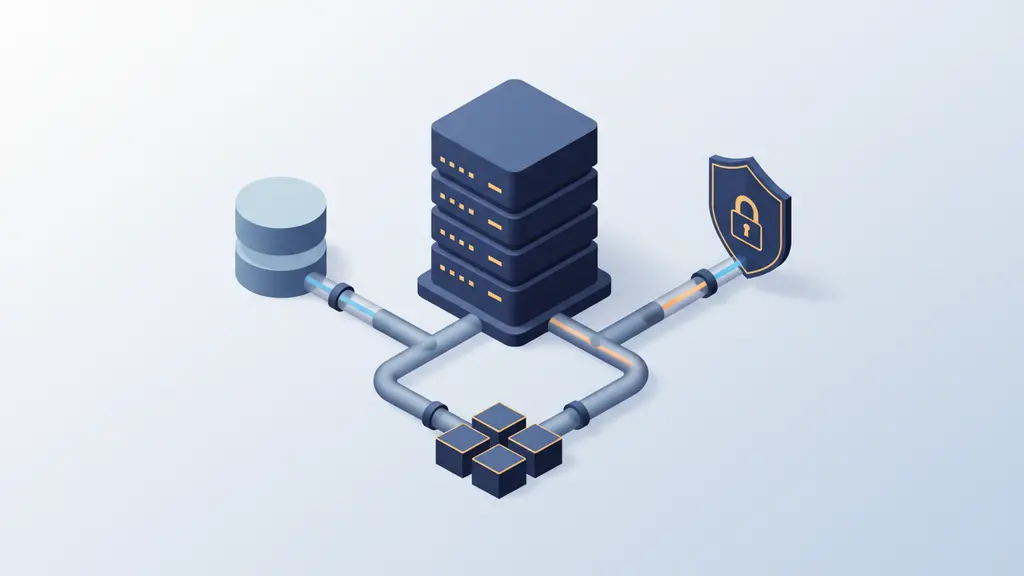
Back-end development encompasses the server-side mechanisms that store, process, and secure data behind the scenes.
Back-end developers work on application logic, databases, authentication, and APIs—everything needed to power front-end experiences and support business requirements.
Key Back-End Skills and Technologies:
- Programming Languages: Python, Java, Ruby, PHP, Node.js (JavaScript on the server)
- Databases: SQL (MySQL, PostgreSQL), NoSQL (MongoDB, Redis)
- API Development: RESTful APIs, GraphQL
- Security & Authentication: Implementing secure data access
Popular Back-End Frameworks:
- Django (Python): Feature-rich, secure, and scalable.
- Ruby on Rails: Convention-over-configuration for rapid development.
- Node.js: JavaScript runtime for scalable, high-performance apps.
- Laravel (PHP): Developer-friendly PHP framework.
Main Responsibilities of a Back-End Developer:
- Creating server logic and handling business rules.
- Managing databases and data integrity.
- Securing application endpoints and user data.
- Building and maintaining APIs for the front-end.
How Do Front-End and Back-End Development Differ?
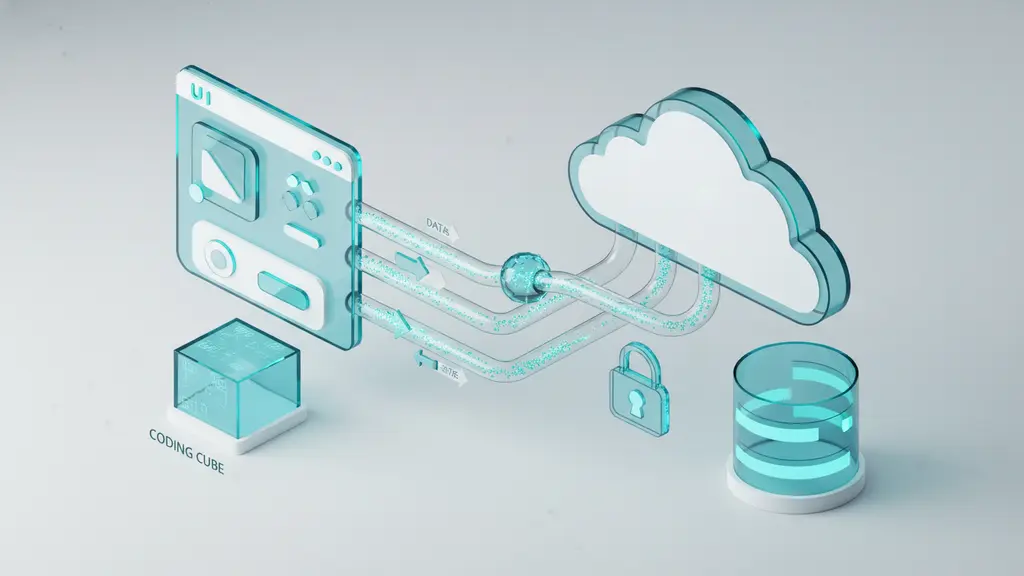
Front-end and back-end development are distinct but connected domains. The front-end shapes what users see and do, while the back-end powers those features through data, logic, and infrastructure. Each uses unique skill sets, tools, and addresses different problems.
The main distinctions:
- Area of work: Front-end = User interface; Back-end = Server, database, and application logic.
- Core focus: Front-end optimizes user experience; back-end ensures data processing, security, and business logic.
- Tools: Front-end uses HTML/CSS/JS + frameworks; back-end relies on server languages, databases, and APIs.
Quick Summary Table: Front-End vs Back-End
| Area | Front-End Development | Back-End Development |
| Focus | Client-side (UI/UX, browser rendering) | Server-side (logic, databases, security) |
| Key Languages | HTML, CSS, JavaScript | Python, Java, Ruby, PHP, Node.js |
| Popular Frameworks | React, Angular, Vue | Django, Rails, Laravel, Node.js |
| Responsibilities | Interface, layouts, interactivity, accessibility | Data processing, API, authentication, security |
| Salary (US, 2026) | $80,000–$115,000* | $90,000–$125,000* |
| Challenges | Browser compatibility, design-logic balance | E-commerce platforms, APIs, and content management |
| Projects | Landing pages, dashboards, mobile web apps | E-commerce platforms, APIs, content management |
| Personality Fit | Visual, user-focused, detail-oriented | Analytical, problem-solver, systems thinker |
How Front-End and Back-End Work Together
When a user visits a website, their browser (front-end) sends a request to the web server (back-end). The back-end processes the request, interacts with the database if needed, and returns a response—often structured data or a complete web page—which is then styled and displayed on the user’s screen.
Typical Web Application Flow:
- User Action: Click/button/form submitted in browser (front-end).
- Request Sent: Browser sends data via HTTP to the server.
- Back-End Logic: Server handles request, queries database, checks permissions.
- Database Interaction: Data is retrieved or updated as necessary.
- Response Sent: Server sends processed data or rendered HTML back.
- Front-End Rendering: The browser interprets and displays the response to the user.
This seamless interaction is why collaboration between front-end and back-end teams is essential for modern web applications.
What Skills, Tools, and Languages Do You Need for Front-End vs Back-End Development?
To pursue a career in either front-end or back-end development, you’ll need to master certain core skills, languages, and tools. Modern web development often also values “T-shaped” skills—deep expertise in one area, with working knowledge in others.
Front-End Development Skills:
- Programming Languages:
HTML (markup)
CSS (styling)
JavaScript (interactivity) - Frameworks and Libraries:
React, Angular, Vue.js, Svelte - Developer Tools:
Chrome DevTools, VS Code, npm/yarn - Design Fundamentals:
Responsive design, accessibility, cross-browser compatibility
Back-End Development Skills:
- Programming Languages:
Python, Java, Ruby, PHP, JavaScript (Node.js), Go - Frameworks:
Django, Flask (Python), Node.js (JavaScript), Ruby on Rails, Laravel (PHP), Spring (Java) - Database Management:
SQL (PostgreSQL, MySQL), NoSQL (MongoDB, Redis) - API Development:
RESTful or GraphQL endpoints - Server Environments and DevOps:
Linux, Docker, cloud platforms (AWS, Azure, GCP)
Modern & Emerging Stacks:
- JAMstack: JavaScript, APIs, Markup—fast, modern static sites.
- Headless CMS: Content platforms decoupled from the front-end.
- Serverless Functions: Cloud-executed backend logic (AWS Lambda, Azure Functions).
Industry Tip:
Combining front-end and back-end skills can lead to full-stack opportunities, greater flexibility, and higher earning potential.
Which Should You Choose—Front-End or Back-End Development?
Both front-end and back-end developers are in strong demand, but their roles, required aptitudes, and salary potential can differ regionally and by industry.
Average US Salaries (2024):
| Role | Entry-Level | Mid-Level | Senior |
| Front-End Developer | $80,000 | $97,000 | $115,000+ |
| Back-End Developer | $90,000 | $110,000 | $125,000+ |
| Full-Stack Developer | $95,000 | $115,000 | $135,000+ |
Job Market Demand
- Both roles are projected to grow: the U.S. Bureau of Labor Statistics estimates web developer and digital interface design jobs will increase by 16% between 2022–2032.
- Full-stack demand is rising as companies seek versatile developers.
- Stack Overflow’s 2024 survey reports JavaScript (front-end), Python, and SQL (back-end) as top-used languages.
Personality Fit & Learning Style
- Front-End: For the visually creative who enjoys working on user-facing features and design challenges.
- Back-End: Best for analytical minds who like system design, logic, security, and data work.
Which Is Easier for Beginners?
Front-end coding can offer faster visual feedback, but mastering accessibility and cross-browser issues is challenging.
Back-end may have a steeper early learning curve with more abstract concepts (logic, data, authentication), but can feel more systematic.
Self-Assessment Checklist:
- Do you prefer shaping user experiences? → Try front-end.
- Does building data systems or working with logic excite you? → Try back-end.
- Want to do both? Full-stack could be ideal.
What About Full-Stack Developers?
Full-stack developers have skills in both front-end and back-end, handling entire web application workflows.
What is a Full-Stack Developer?
A full-stack developer builds and maintains both user interfaces and server-side logic, often switching between front-end and back-end tasks.
Core Full-Stack Skills:
- Proficiency with front-end (React, HTML/CSS/JS) and back-end (Node.js, Django, databases)
- Experience with API development and integration
- Understanding of deployment and cloud tools
Pros and Cons:
- Pros: High versatility, better product perspective, in-demand in startups and SMEs.
- Cons: Can risk spreading skills too thin; deep expertise often required for senior roles in larger organizations.
Job Market Trends:
Full-stack roles are increasingly prevalent. Stack Overflow 2024 found “full-stack developer” as one of the most common self-identified roles globally.
“As a full-stack developer, I get to take projects from concept to launch—seeing the whole picture makes the work more rewarding.”
— Luis M., Full-Stack Web Developer
Modern Trends and The Future of Web Development Careers
Staying competitive in web development means keeping pace with evolving technologies, processes, and industry demands.
Current and Emerging Trends:
- JAMstack & Headless CMS:
Decoupled, API-driven sites for performance and flexibility. - Serverless Computing:
Offloading backend logic to cloud-managed functions (AWS Lambda, Azure Functions) for greater scalability. - Cloud-Native Development:
Apps built and deployed directly on cloud platforms. - Automation & DevOps:
Continuous integration/delivery (CI/CD), infrastructure as code. - AI & Machine Learning Integration:
Personalization, analytics, chatbots—growing fast, especially in back-end workflows. - Security & Scalability:
Heightened focus as cyber threats and user bases scale.
Future-Proof Skills Checklist:
- Modern JavaScript (ES6+), TypeScript
- API integration and design (REST/GraphQL)
- Cloud platform basics (AWS/GCP/Azure)
- Security best practices
- Version control (Git/GitHub)
- Responsive and accessible design
- Continuous learning (follow industry blogs, contribute to open-source)
Industry Outlook:
The web development landscape is broadening, with a growing need for developers who understand user experience, data security, automation, and cross-functional collaboration.
FAQ: Top Questions on Front-End vs Back-End Development
What is the main difference between front-end and back-end development?
Front-end development builds everything users see and interact with in a browser, while back-end development powers the server-side logic, databases, and application infrastructure behind the scenes.
Which is easier to learn: front-end or back-end?
Front-end is often more accessible for beginners due to visual feedback, but both require consistent practice. The back-end can be more abstract, focusing on logic and systems.
What programming languages do front-end developers use?
Front-end developers primarily use HTML, CSS, and JavaScript, along with frameworks like React, Angular, and Vue.js.
What programming languages are used in back-end development?
Back-end developers commonly use Python, Java, PHP, Ruby, and JavaScript (Node.js), often paired with SQL or NoSQL databases.
Which role earns a higher salary: front-end or back-end developer?
Back-end developers typically earn slightly more on average, but salaries can overlap based on skill, experience, and location. Full-stack roles can command the highest pay.
Can a developer specialize in both front-end and back-end?
Yes, a “full-stack developer” is skilled in both areas, building entire web applications from UI to database.
What does a full-stack developer do?
Full-stack developers handle both client-side and server-side development, often designing, coding, and deploying complete solutions.
Should I learn front-end or back-end first?
It depends on your interests. If you prefer design and interactivity, start with front-end. If you like logic, data, or APIs, begin with back-end. Many developers eventually learn both.
How do front-end and back-end interact in web applications?
The front-end sends requests (like a form submission) to the back-end, which processes the data, interacts with databases, and returns results for the front-end to display.
Is UX/UI only related to front-end development?
Primarily, UX/UI concerns the front-end, but back-end choices also affect user experience through speed, functionality, and security.
Conclusion
Front-end and back-end development serve different, but equally vital, roles in building modern web applications. Understanding the differences—client-side vs server-side, skills, salaries, and career paths—will help you choose where to start or specialize.
If you thrive on design, interactivity, and the creative aspects of technology, front-end might be your path. If system architecture, databases, and logic are more appealing, back-end could be a better fit. Or, consider mastering both for a full-stack career.
Next steps: Reflect on your strengths, try beginner tutorials in both domains, and explore further with our in-depth guides or interactive career quiz to identify your best fit.
Key Takeaways
- Front-end focuses on the user interface and experience; back-end manages data, logic, and security.
- Salaries are strong in both tracks, with back-end often edging higher; full-stack roles are in high demand.
- Mastering HTML, CSS, and JavaScript unlocks front-end opportunities; Python, Java, or Node.js power back-end careers.
- Industry trends (JAMstack, serverless, cloud, AI integration) are shaping the future of web development roles.
- Choose your path based on skills, interests, and long-term career goals—continuous learning is essential.
This page was last edited on 9 July 2026, at 11:09 am

Start a conversation with our team to solve complex challenges and move forward with confidence.